Stanzione R, Sciarretta S, Marchitti S, Bianchi F, Di Castro S, Scarpino S, Cotugno M, Frati G, Volpe M, Rubattu S
IRCCS Neuromed, Pozzilli (Is), Sapienza University of Rome, Latina, Italy.
Department of Medical-Surgical Sciences and Biotechnologies, Sapienza University of Rome, Latina, Italy.
Cell Death Dis. 2015 Dec 31;6(12):e2033. doi: 10.1038/cddis.2015.370.
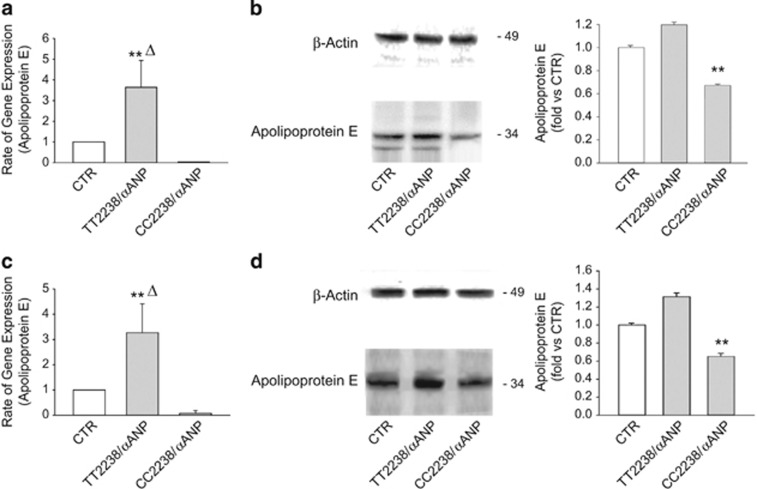
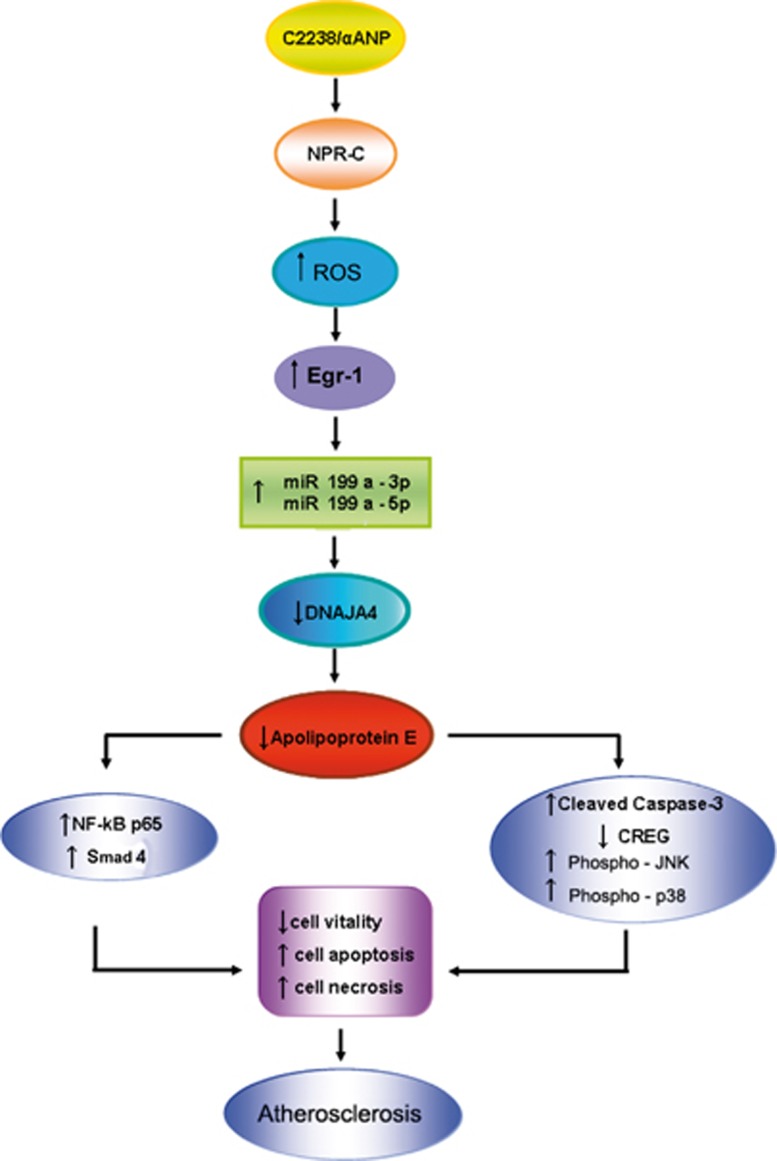
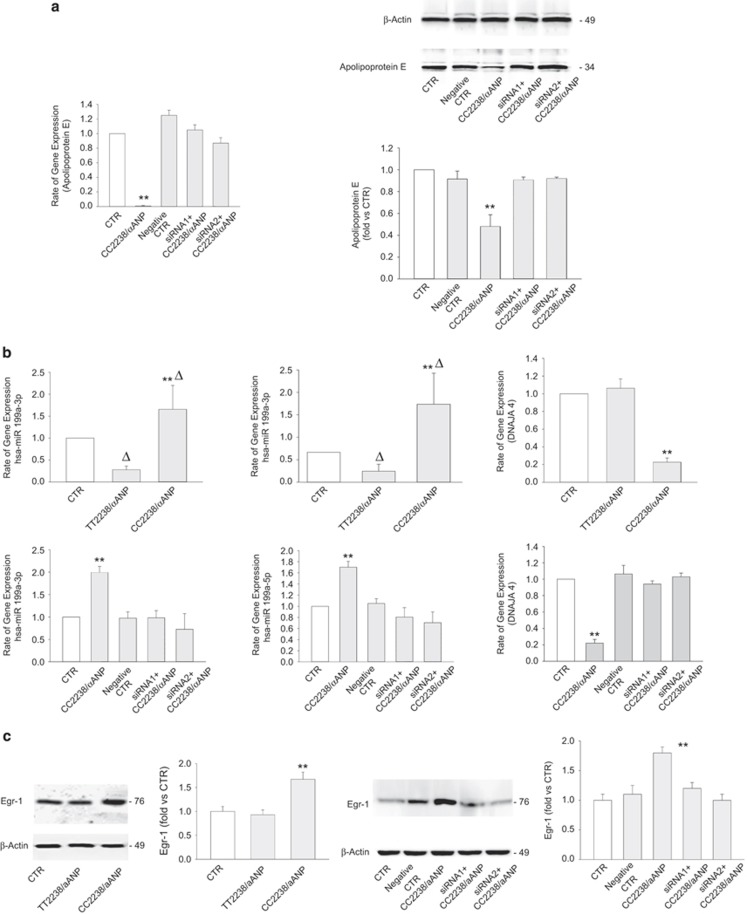
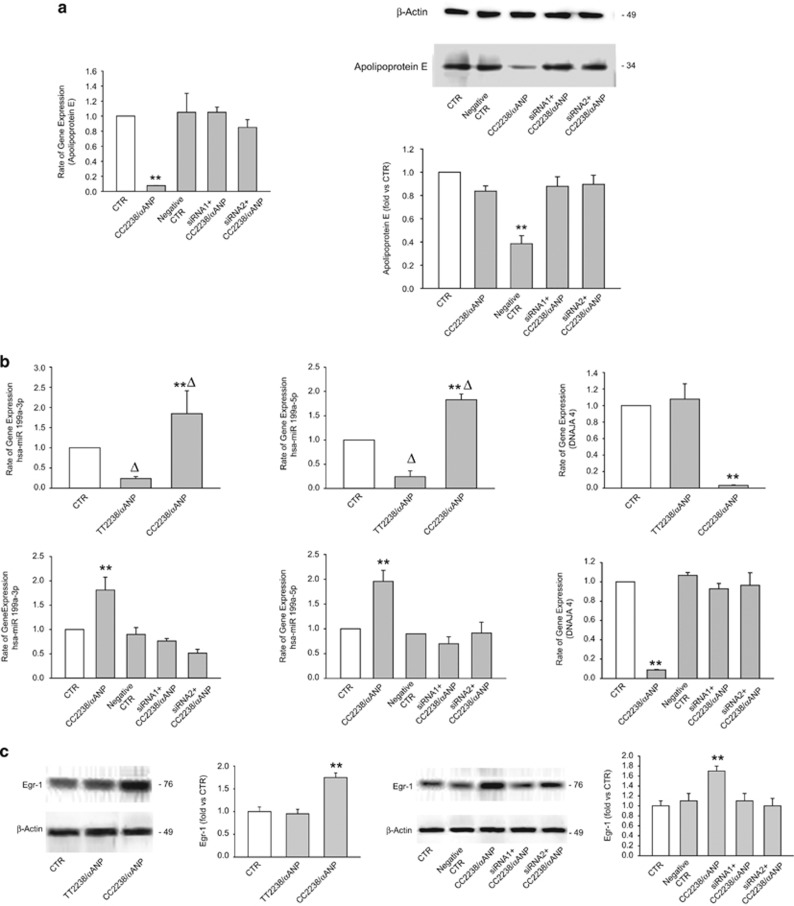
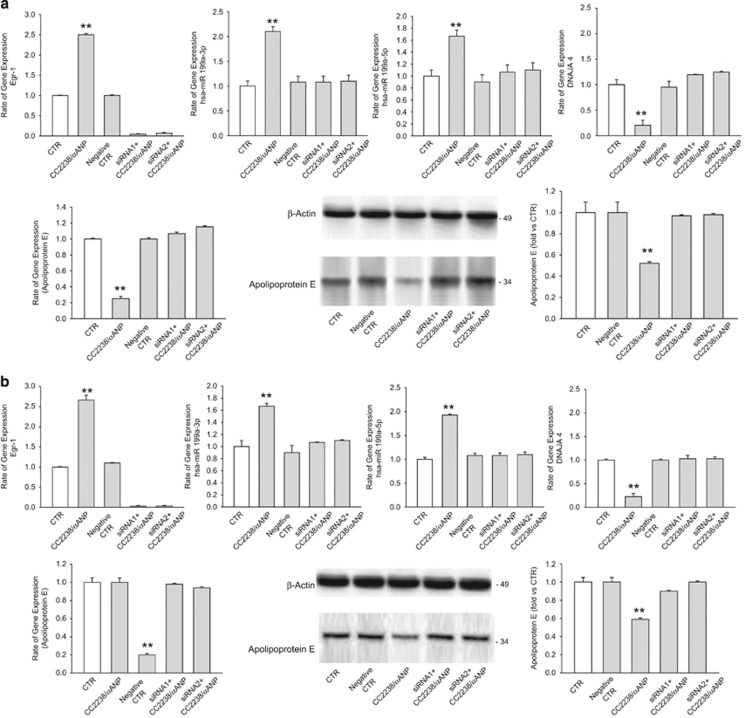
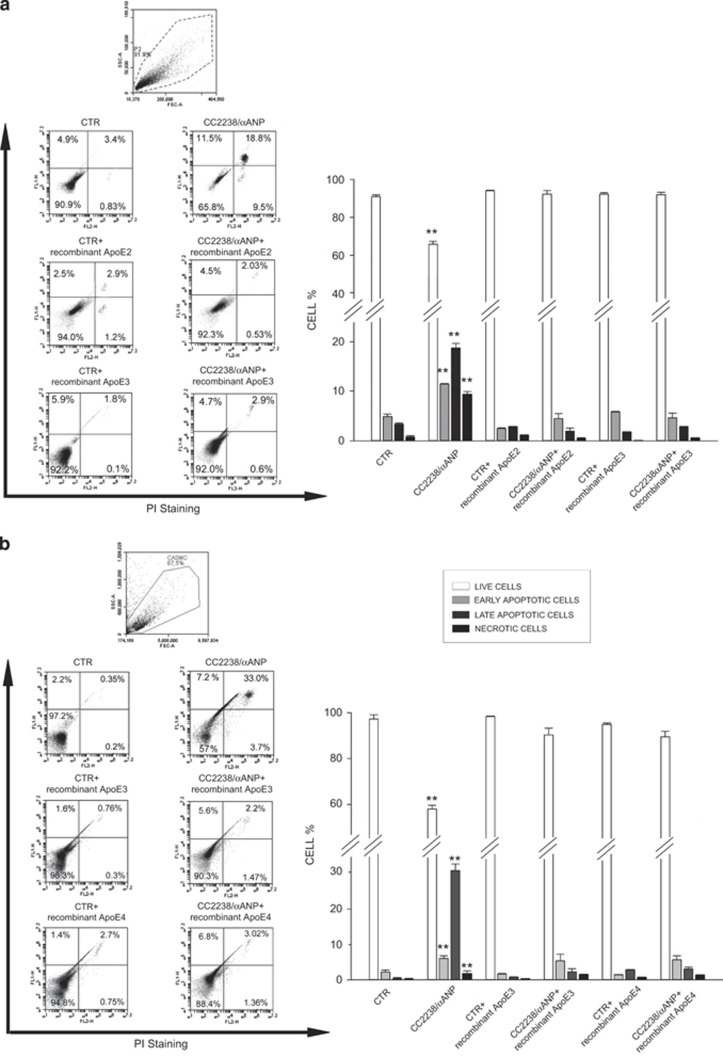
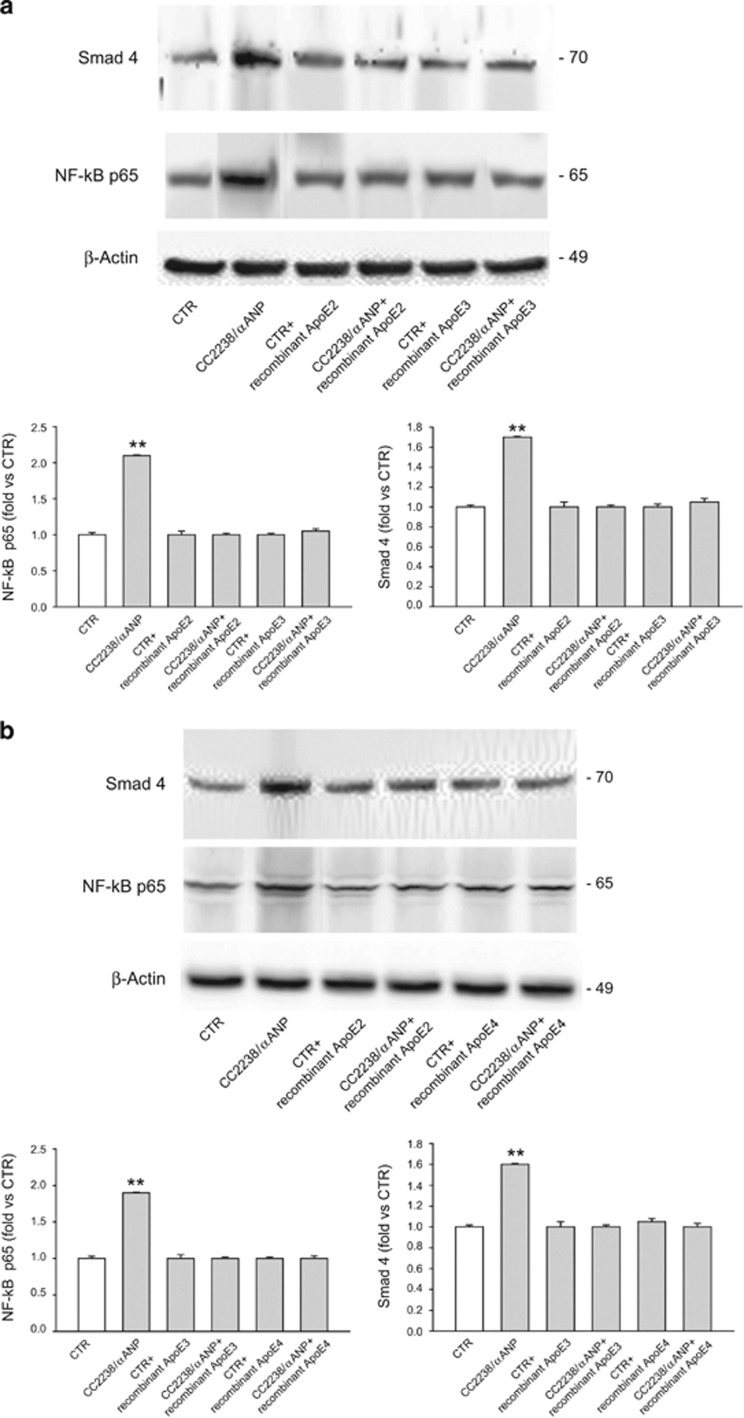
Subjects carrying the T2238C ANP gene variant have a higher risk to suffer a stroke or myocardial infarction. The mechanisms through which T2238C/αANP exerts detrimental vascular effects need to be fully clarified. In the present work we aimed at exploring the impact of C2238/αANP (mutant form) on atherosclerosis-related pathways. As a first step, an atherosclerosis gene expression macroarray analysis was performed in vascular smooth muscle cells (VSMCs) exposed to either T2238/αANP (wild type) or C2238/αANP. The major finding was that apolipoprotein E (ApoE) gene expression was significantly downregulated by C2238/αANP and it was upregulated by T2238/αANP. We subsequently found that C2238/αANP induces ApoE downregulation through type C natriuretic peptide receptor (NPR-C)-dependent mechanisms involving the upregulation of miR199a-3p and miR199a-5p and the downregulation of DNAJA4. In fact, NPR-C knockdown rescued ApoE level. Upregulation of miR199a by NPR-C was mediated by a reactive oxygen species-dependent increase of the early growth response protein-1 (Egr-1) transcription factor. In fact, Egr-1 knockdown abolished the impact of C2238/αANP on ApoE and miR199a. Of note, downregulation of ApoE by C2238/αANP was associated with a significant increase in inflammation, apoptosis and necrosis that was completely rescued by the exogenous administration of recombinant ApoE. In conclusion, our study dissected a novel mechanism of vascular damage exerted by C2238/αANP that is mediated by ApoE downregulation. We provide the first demonstration that C2238/αANP downregulates ApoE in VSMCs through NPR-C-dependent activation of Egr-1 and the consequent upregulation of miR199a. Restoring ApoE levels could represent a potential therapeutic strategy to counteract the harmful effects of C2238/αANP.
携带T2238C血管紧张素原(ANP)基因变异的受试者患中风或心肌梗死的风险更高。T2238C/αANP产生有害血管效应的机制需要完全阐明。在本研究中,我们旨在探讨C2238/αANP(突变形式)对动脉粥样硬化相关通路的影响。第一步,对暴露于T2238/αANP(野生型)或C2238/αANP的血管平滑肌细胞(VSMC)进行动脉粥样硬化基因表达宏阵列分析。主要发现是,C2238/αANP显著下调载脂蛋白E(ApoE)基因表达,而T2238/αANP上调该基因表达。随后我们发现,C2238/αANP通过C型利钠肽受体(NPR-C)依赖性机制诱导ApoE下调,该机制涉及miR199a-3p和miR199a-5p的上调以及DNAJA4的下调。事实上,敲低NPR-C可挽救ApoE水平。NPR-C对miR199a的上调由早期生长反应蛋白-1(Egr-1)转录因子的活性氧依赖性增加介导。事实上,敲低Egr-1消除了C2238/αANP对ApoE和miR199a的影响。值得注意的是,C2238/αANP对ApoE的下调与炎症、凋亡和坏死的显著增加相关,而重组ApoE的外源给药可完全挽救这些情况。总之,我们的研究剖析了C2238/αANP介导的血管损伤新机制,该机制由ApoE下调介导。我们首次证明,C2238/αANP通过NPR-C依赖性激活Egr-1并随后上调miR199a,在VSMC中下调ApoE。恢复ApoE水平可能是对抗C2238/αANP有害作用的一种潜在治疗策略。