Liang Zhenhu, Duan Xuejing, Su Cui, Voss Logan, Sleigh Jamie, Li Xiaoli
Institute of Electrical Engineering, Yanshan University, Qinhuangdao, China.
Department of Anesthesia, Waikato Hospital, Hamilton, New Zealand.
PLoS One. 2015 Dec 31;10(12):e0145959. doi: 10.1371/journal.pone.0145959. eCollection 2015.
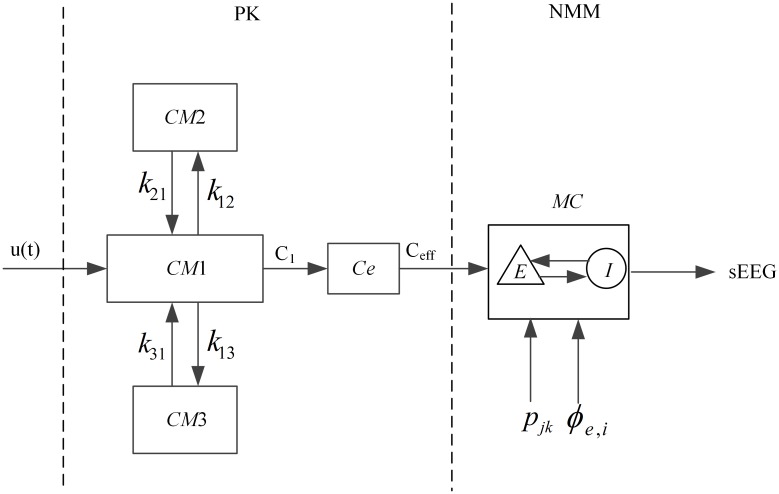
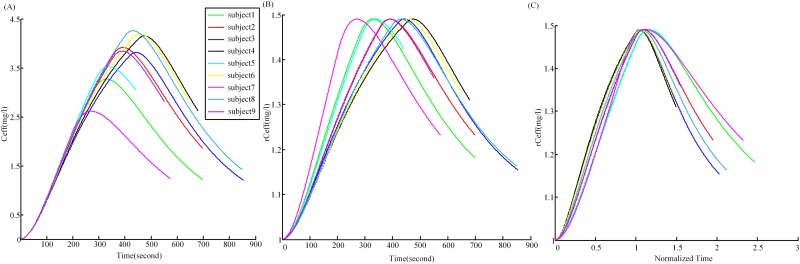
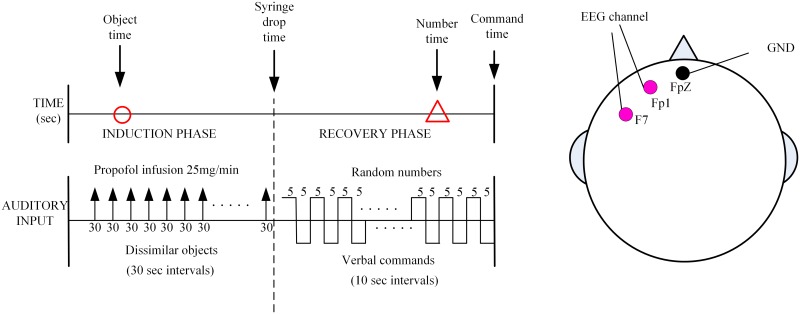
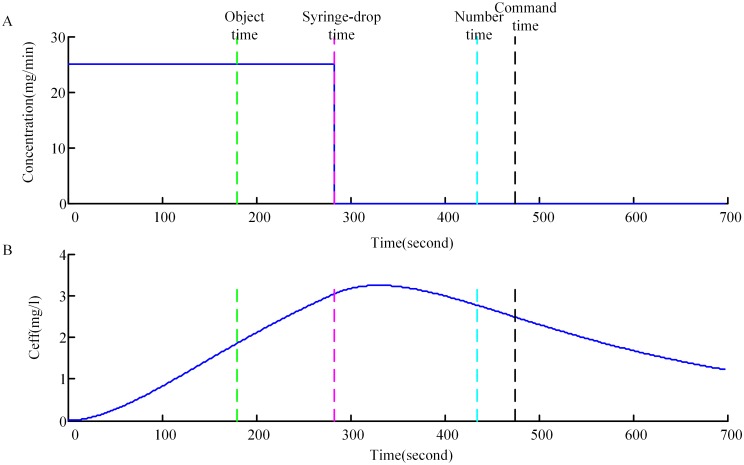
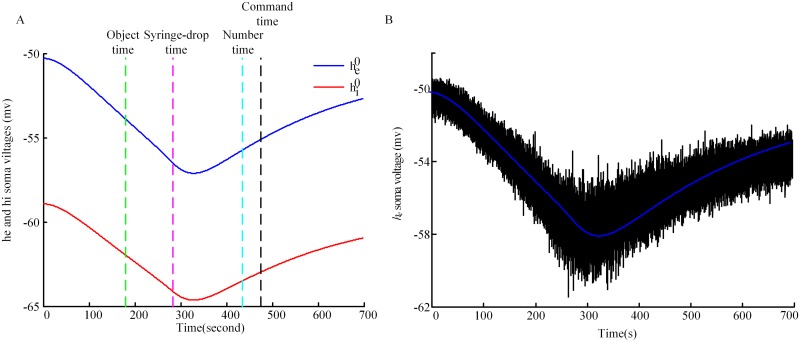
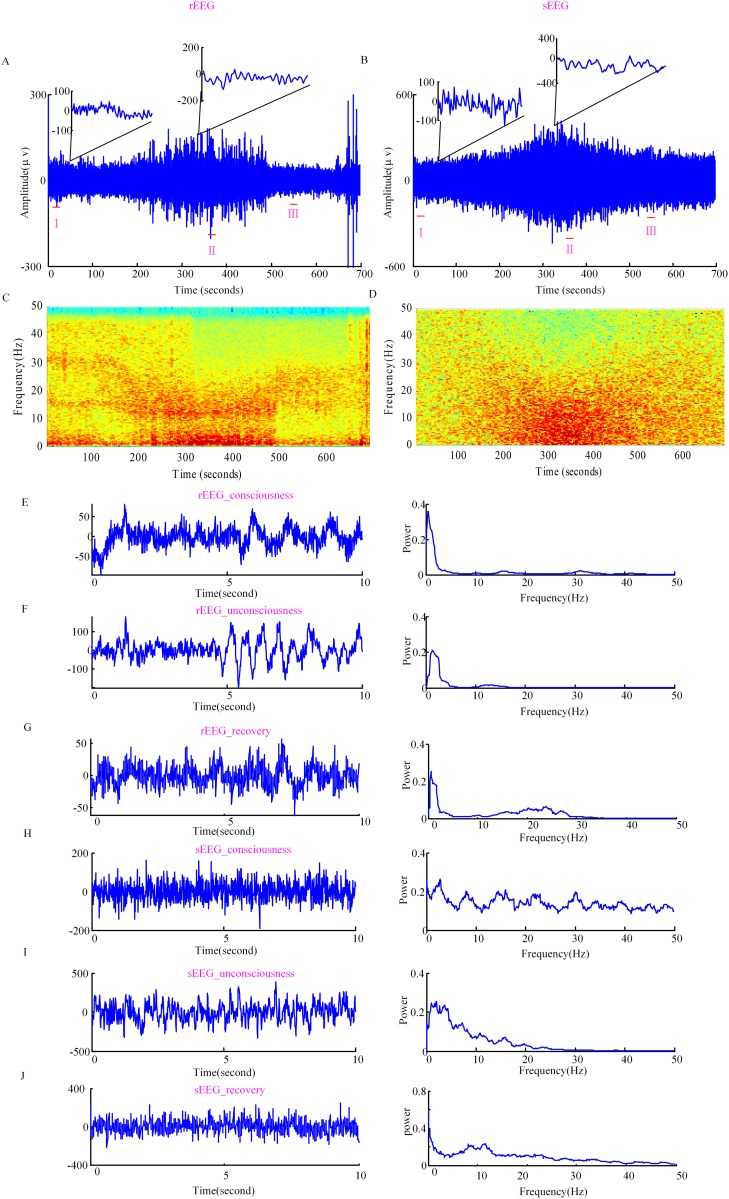
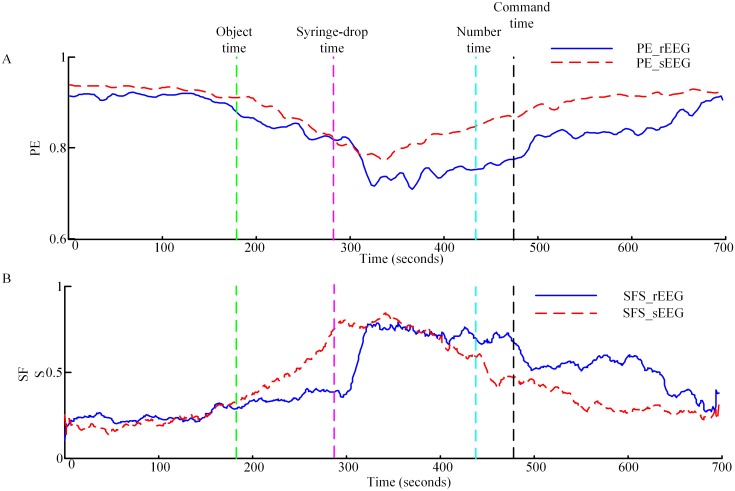
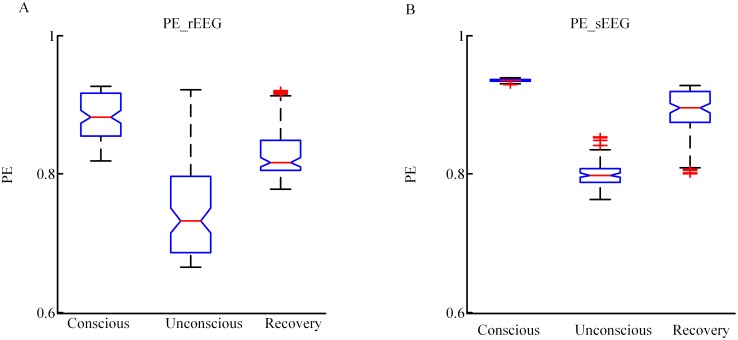
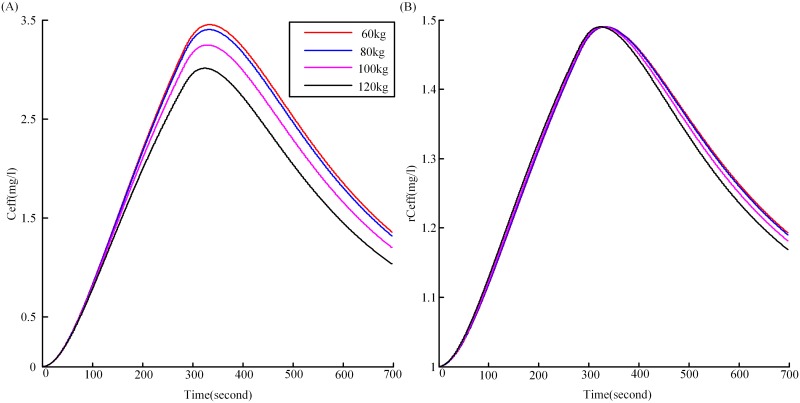
Modeling the effects of anesthetic drugs on brain activity is very helpful in understanding anesthesia mechanisms. The aim of this study was to set up a combined model to relate actual drug levels to EEG dynamics and behavioral states during propofol-induced anesthesia. We proposed a new combined theoretical model based on a pharmacokinetics (PK) model and a neural mass model (NMM), which we termed PK-NMM--with the aim of simulating electroencephalogram (EEG) activity during propofol-induced general anesthesia. The PK model was used to derive propofol effect-site drug concentrations (C(eff)) based on the actual drug infusion regimen. The NMM model took C(eff) as the control parameter to produce simulated EEG-like (sEEG) data. For comparison, we used real prefrontal EEG (rEEG) data of nine volunteers undergoing propofol anesthesia from a previous experiment. To see how well the sEEG could describe the dynamic changes of neural activity during anesthesia, the rEEG data and the sEEG data were compared with respect to: power-frequency plots; nonlinear exponent (permutation entropy (PE)); and bispectral SynchFastSlow (SFS) parameters. We found that the PK-NMM model was able to reproduce anesthesia EEG-like signals based on the estimated drug concentration and patients' condition. The frequency spectrum indicated that the frequency power peak of the sEEG moved towards the low frequency band as anesthesia deepened. Different anesthetic states could be differentiated by the PE index. The correlation coefficient of PE was 0.80 ± 0.13 (mean ± standard deviation) between rEEG and sEEG for all subjects. Additionally, SFS could track the depth of anesthesia and the SFS of rEEG and sEEG were highly correlated with a correlation coefficient of 0.77 ± 0.13. The PK-NMM model could simulate EEG activity and might be a useful tool for understanding the action of propofol on brain activity.
模拟麻醉药物对大脑活动的影响,对于理解麻醉机制非常有帮助。本研究的目的是建立一个联合模型,以关联丙泊酚诱导麻醉期间的实际药物水平与脑电图(EEG)动态及行为状态。我们基于药代动力学(PK)模型和神经团块模型(NMM)提出了一种新的联合理论模型,我们将其称为PK-NMM,旨在模拟丙泊酚诱导全身麻醉期间的脑电图(EEG)活动。PK模型用于根据实际药物输注方案推导丙泊酚效应室药物浓度(C(eff))。NMM模型将C(eff)作为控制参数来生成模拟脑电图样(sEEG)数据。为作比较,我们使用了先前一项实验中九名接受丙泊酚麻醉志愿者的真实前额叶脑电图(rEEG)数据。为了观察sEEG能多好地描述麻醉期间神经活动的动态变化,将rEEG数据和sEEG数据在以下方面进行了比较:功率-频率图;非线性指数(排列熵(PE));以及双谱同步快慢(SFS)参数。我们发现PK-NMM模型能够基于估计的药物浓度和患者状况重现麻醉脑电图样信号。频谱表明,随着麻醉加深,sEEG的频率功率峰值向低频带移动。不同的麻醉状态可以通过PE指数进行区分。所有受试者rEEG和sEEG之间PE的相关系数为0.8 ± 0.13(均值±标准差)。此外,SFS可以追踪麻醉深度,rEEG和sEEG的SFS高度相关,相关系数为0.77 ± 0.13。PK-NMM模型可以模拟EEG活动,可能成为理解丙泊酚对大脑活动作用的有用工具。