Kowalik Marta Anna, Perra Andrea, Ledda-Columbano Giovanna Maria, Ippolito Giuseppe, Piacentini Mauro, Columbano Amedeo, Falasca Laura
Department of Biomedical Sciences, University of Cagliari, Cagliari, Italy.
National Institute for Infectious Disease, IRCCS "Lazzaro Spallanzani", Rome, Italy.
Oncotarget. 2016 Feb 2;7(5):5788-99. doi: 10.18632/oncotarget.6810.
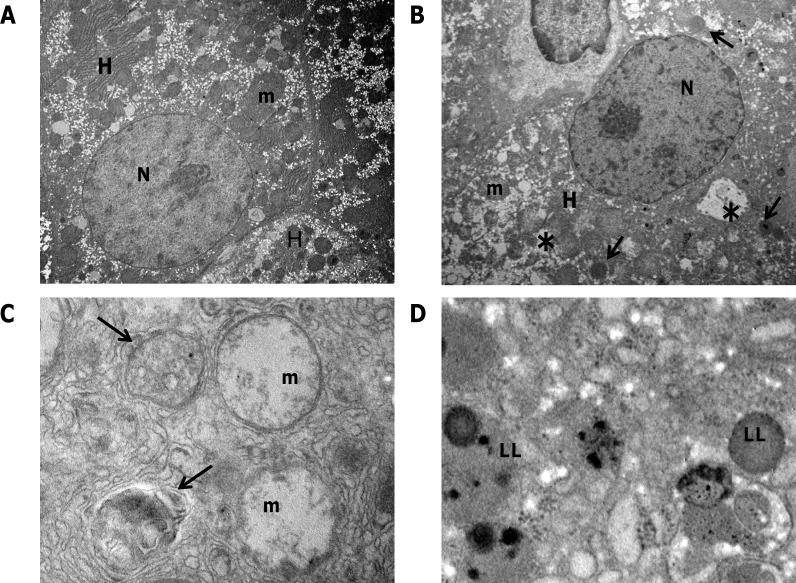
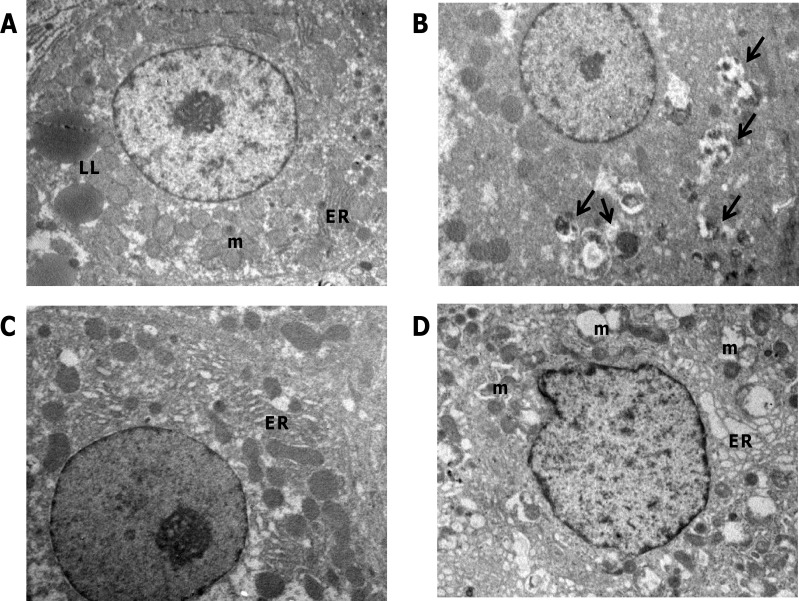
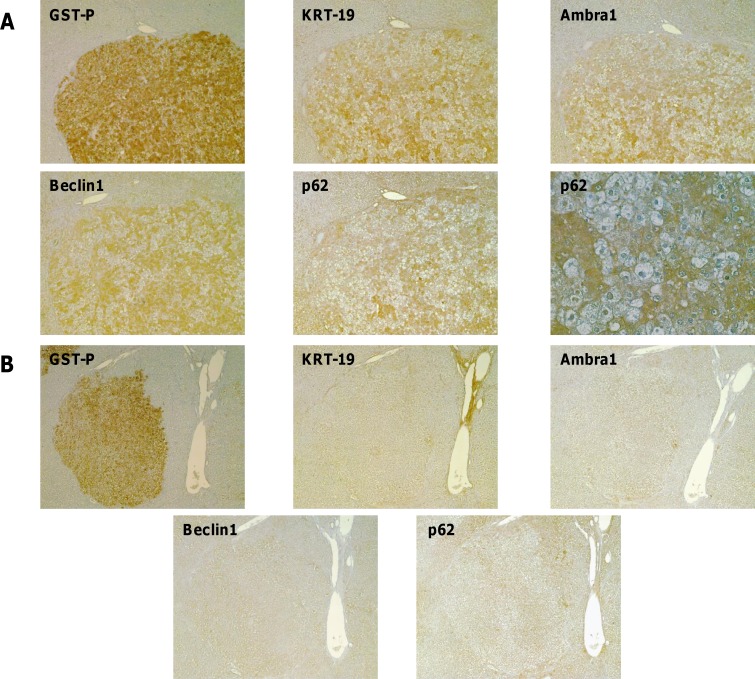
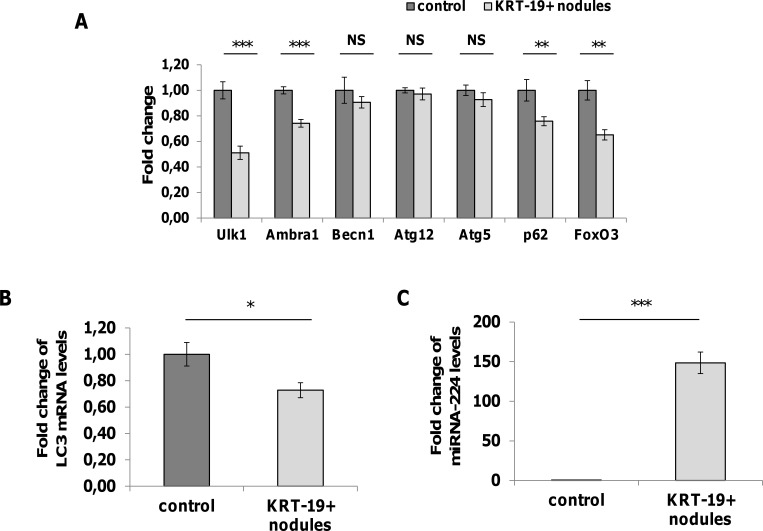
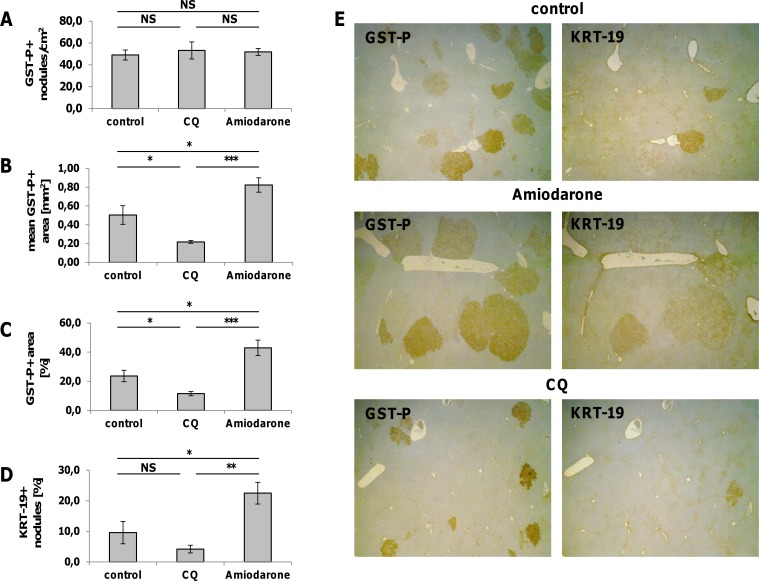
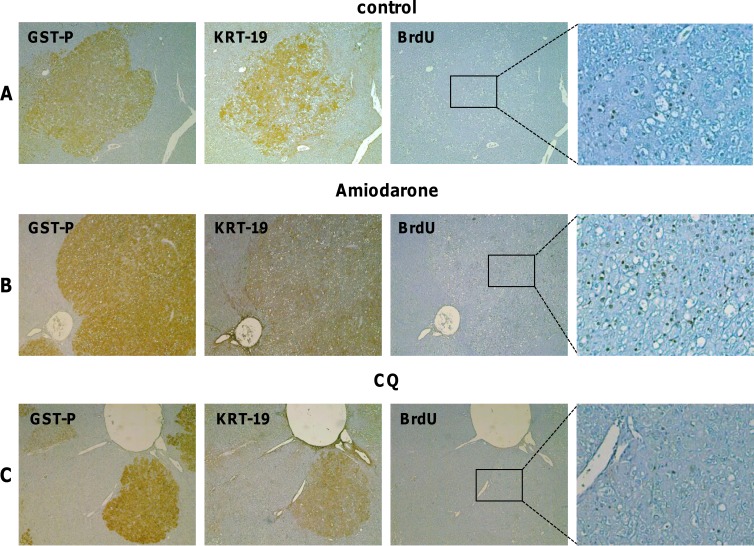
Although inhibition of autophagy has been implicated in the onset and progression of cancer cells, it is still unclear whether its dysregulation at early stages of tumorigenesis plays an oncogenic or a tumor suppressor role. To address this question, we employed the Resistant-Hepatocyte rat model to study the very early stages of hepatocellular carcinoma (HCC) development. We detected a different autophagy-related gene expression and changes in the ultrastructural profile comparing the most aggressive preneoplastic lesions, namely those positive for the putative progenitor cell marker cytokeratin-19 (KRT-19) with the negative ones. The ultrastructural and immunohistochemical analyses of KRT-19-positive preneoplastic hepatocytes showed the presence of autophagic vacuoles which was associated with p62, Ambra1 and Beclin1 protein accumulation suggesting that a differential modulation of autophagy occurs at early stages of the oncogenesis in KRT-19-positive vs negative lesions. We observed an overall decrease of the autophagy-related genes transcripts and a strong up-regulation of miR-224 in the KRT-19-positive nodules. Interestingly, the treatment with the autophagy inducer, Amiodarone, caused a marked increase in the proliferation of KRT-19 positive preneoplastic lesions associated with a strong increase of their size; by contrast, Chloroquine, an inhibitor of the autophagic process, led to their reduction. These results show that autophagy modulation is a very early event in hepatocarcinogenesis and is restricted to a hepatocytes subset in the most aggressive preneoplastic lesions. Our findings highlight the induction of autophagy as a permissive condition favouring cancer progression indicating in its inhibition a therapeutic goal to interfere with the development of HCC.
尽管自噬抑制与癌细胞的发生和进展有关,但在肿瘤发生早期其失调是发挥致癌作用还是肿瘤抑制作用仍不清楚。为了解决这个问题,我们采用抗肝细胞大鼠模型来研究肝细胞癌(HCC)发生的极早期阶段。我们检测到,与最具侵袭性的癌前病变(即假定的祖细胞标志物细胞角蛋白-19(KRT-19)呈阳性的病变)和阴性病变相比,自噬相关基因表达不同,超微结构也有变化。对KRT-19阳性癌前肝细胞的超微结构和免疫组化分析显示存在自噬泡,这与p62、Ambra1和Beclin1蛋白积累有关,表明在KRT-19阳性与阴性病变的肿瘤发生早期,自噬存在差异调节。我们观察到KRT-19阳性结节中自噬相关基因转录本总体减少,miR-224强烈上调。有趣的是,用自噬诱导剂胺碘酮处理导致KRT-19阳性癌前病变的增殖显著增加,其大小也大幅增加;相比之下,自噬过程抑制剂氯喹则导致其缩小。这些结果表明,自噬调节是肝癌发生过程中非常早期的事件,并且仅限于最具侵袭性癌前病变中的一个肝细胞亚群。我们的研究结果突出了自噬诱导是有利于癌症进展的一种许可条件,表明抑制自噬是干扰HCC发生发展的一个治疗目标。