Mehta A Y, Mohammed B M, Martin E J, Brophy D F, Gailani D, Desai U R
Department of Medicinal Chemistry and Institute for Structural Biology, Drug Discovery and Development, Virginia Commonwealth University, Richmond, VA, USA.
Department of Pharmacotherapy and Outcomes Science, Virginia Commonwealth University, Richmond, VA, USA.
J Thromb Haemost. 2016 Apr;14(4):828-38. doi: 10.1111/jth.13254. Epub 2016 Feb 16.
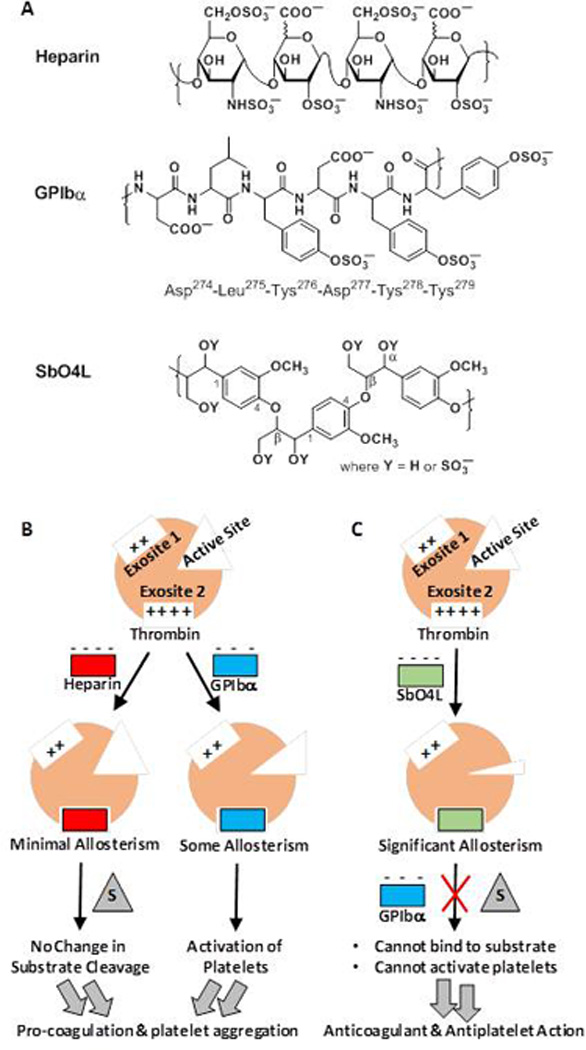
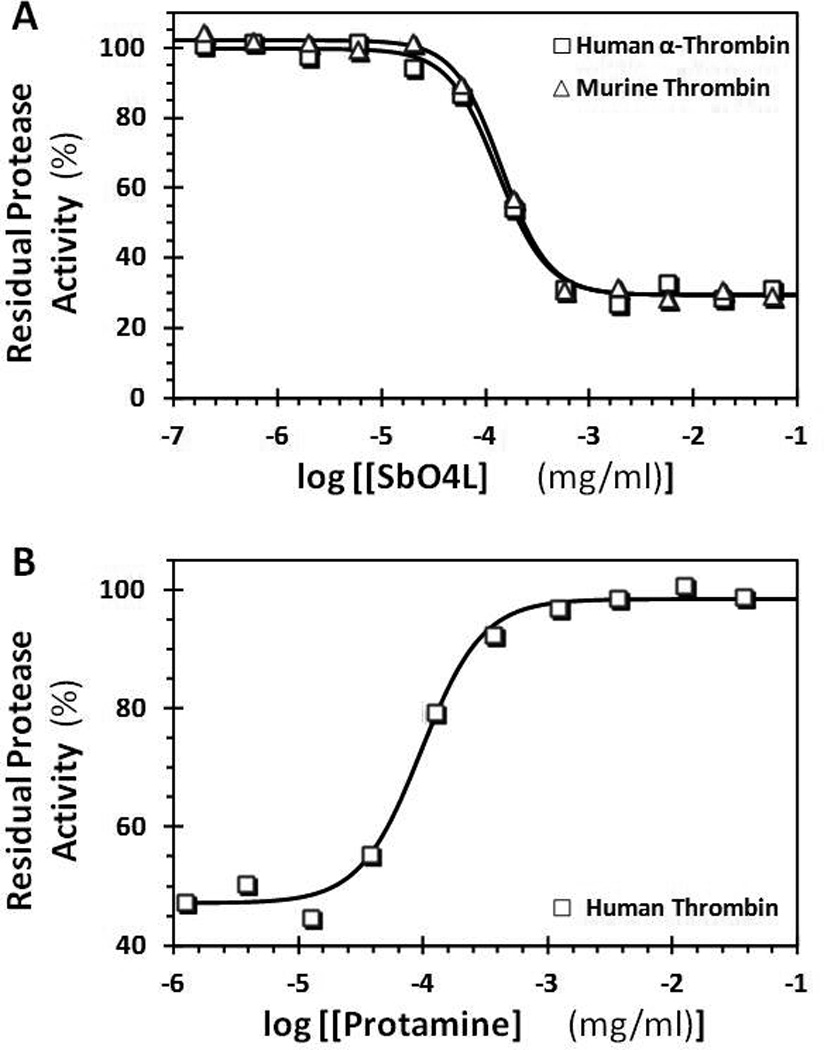
Allosteric inhibition is a promising approach for developing a new group of anticoagulants with potentially reduced bleeding consequences. Recently, we designed sulfated β-O4 lignin (SbO4L) as an allosteric inhibitor that targets exosite 2 of thrombin to reduce fibrinogen cleavage through allostery and compete with glycoprotein Ibα to reduce platelet activation.
To assess: (i) the antithrombotic potential of a novel approach of simultaneous exosite 2-dependent allosteric inhibition of thrombin and competitive inhibition of platelet activation; and (ii) the promise of SbO4L as the first-in-class antithrombotic agent.
A combination of whole blood thromboelastography, hemostasis analysis, mouse arterial thrombosis models and mouse tail bleeding studies were used to assess antithrombotic potential.
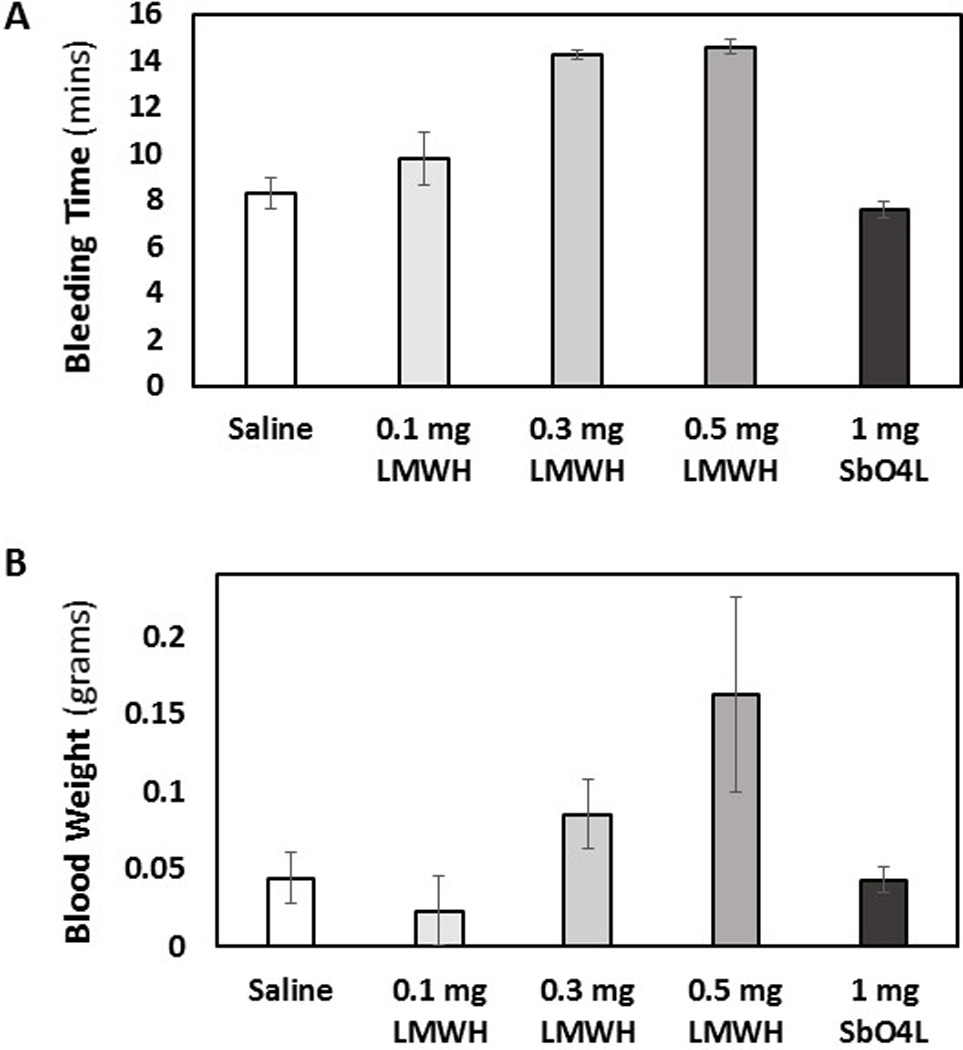
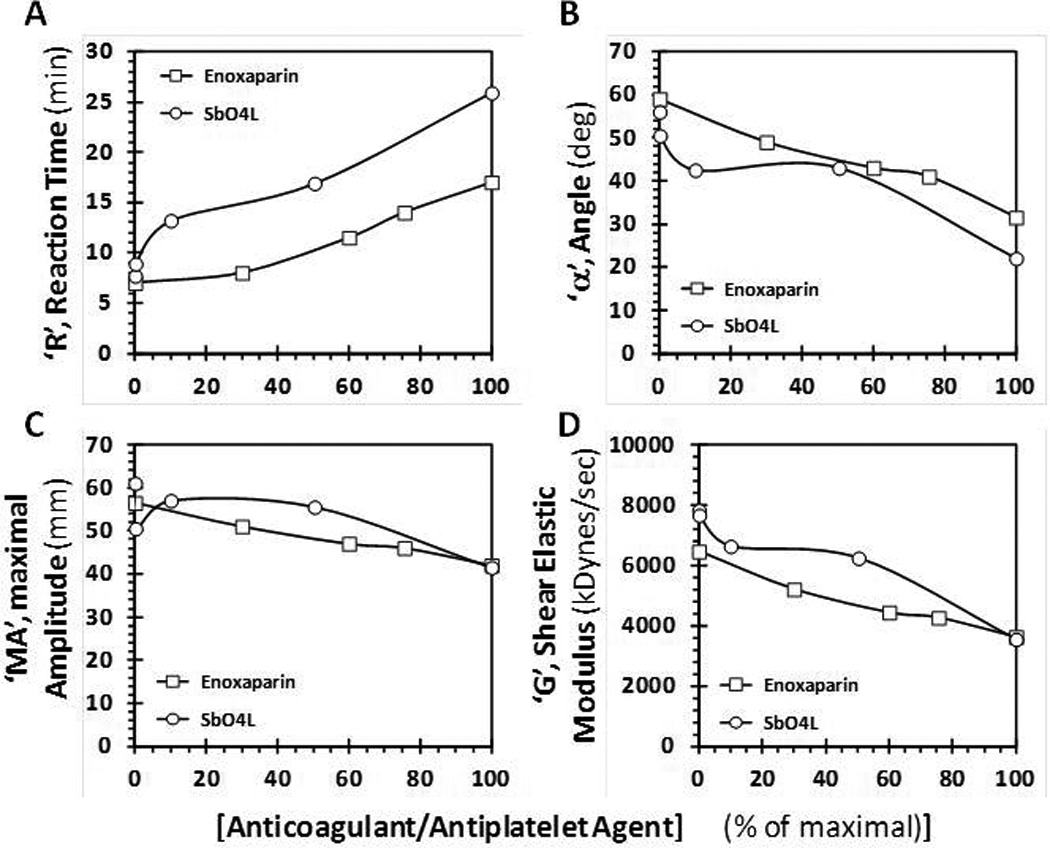
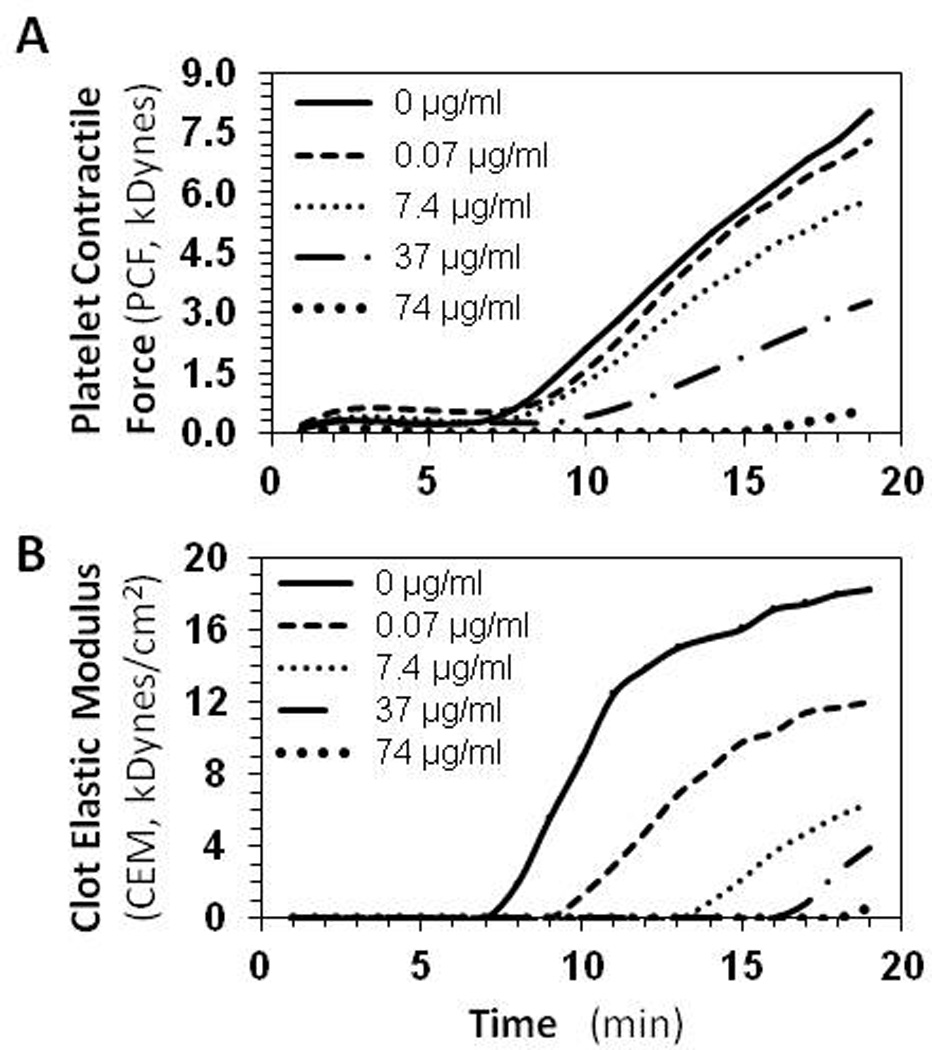
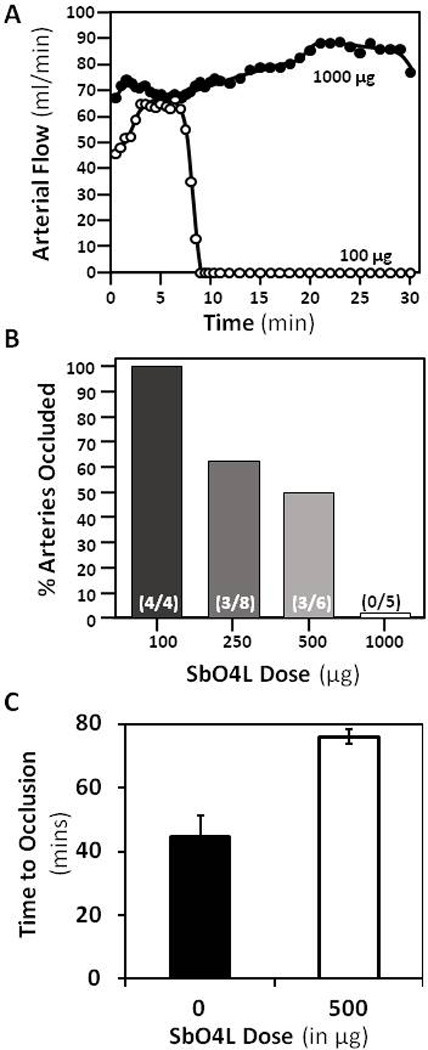
SbO4L extended the clot initiation time, and reduced maximal clot strength, platelet contractile force, and the clot elastic modulus, suggesting dual anticoagulant and antiplatelet effects. These effects were comparable to those observed with enoxaparin. A dose of 1 mg of SbO4L per mouse prevented occlusion in 100% of arteries, and lower doses resulted in a proportionally reduced response. Likewise, the time to occlusion increased by ~ 70% with a 0.5-mg dose in the mouse Rose Bengal thrombosis model. Finally, tail bleeding studies demonstrated that SbO4L does not increase bleeding propensity. In comparison, a 0.3-mg dose of enoxaparin increased the bleeding time and blood volume loss. Overall, this study highlights the promise of the allosteric inhibition approach, and presents SbO4L as a novel anticoagulant with potentially reduced bleeding side effects.
变构抑制是开发一组新的抗凝剂的一种有前景的方法,这类抗凝剂可能会减少出血后果。最近,我们设计了硫酸化β-O4木质素(SbO4L)作为一种变构抑制剂,它靶向凝血酶的外位点2,通过变构作用减少纤维蛋白原的裂解,并与糖蛋白Ibα竞争以减少血小板活化。
评估:(i)一种同时依赖外位点2对凝血酶进行变构抑制和对血小板活化进行竞争性抑制的新方法的抗血栓形成潜力;(ii)SbO4L作为同类首创抗血栓药物的前景。
采用全血血栓弹力图、止血分析、小鼠动脉血栓形成模型和小鼠尾部出血研究相结合的方法来评估抗血栓形成潜力。
SbO4L延长了凝血起始时间,降低了最大凝血强度、血小板收缩力和凝血弹性模量,表明其具有双重抗凝和抗血小板作用。这些作用与依诺肝素观察到的作用相当。每只小鼠给予1 mg SbO4L的剂量可使100%的动脉免于阻塞,较低剂量则导致相应降低的反应。同样,在小鼠孟加拉玫瑰红血栓形成模型中,0.5 mg剂量使阻塞时间增加了约70%。最后,尾部出血研究表明SbO4L不会增加出血倾向。相比之下,0.3 mg剂量的依诺肝素增加了出血时间和失血量。总体而言,本研究突出了变构抑制方法的前景,并将SbO4L作为一种可能减少出血副作用的新型抗凝剂呈现出来。