Ng'ang'a Caroline M, Bukachi Salome A, Bett Bernard K
Institute of Anthropology, Gender and African Studies, University of Nairobi, Nairobi, Kenya.
International Livestock Research Institute, Nairobi, Kenya.
BMC Public Health. 2016 Jan 13;16:32. doi: 10.1186/s12889-016-2707-8.
Human behavioral factors have been found to be central in the transmission of Rift Valley fever. Consumption of contaminated meat and milk in particular have been identified as one of the key risk factors for the transmission of Rift Valley fever in humans. In pastoral communities, livestock is the main source of livelihood from which many benefits such as food as well as economic and cultural services are derived. Zoonotic diseases therefore have a great impact on pastoral communities livelihoods. However, lay perceptions regarding the transmission of these diseases including Rift Valley fever hampers their effective control. This study investigated the lay perceptions of risks for Rift Valley fever transmission in a pastoral community in northeastern Kenya.
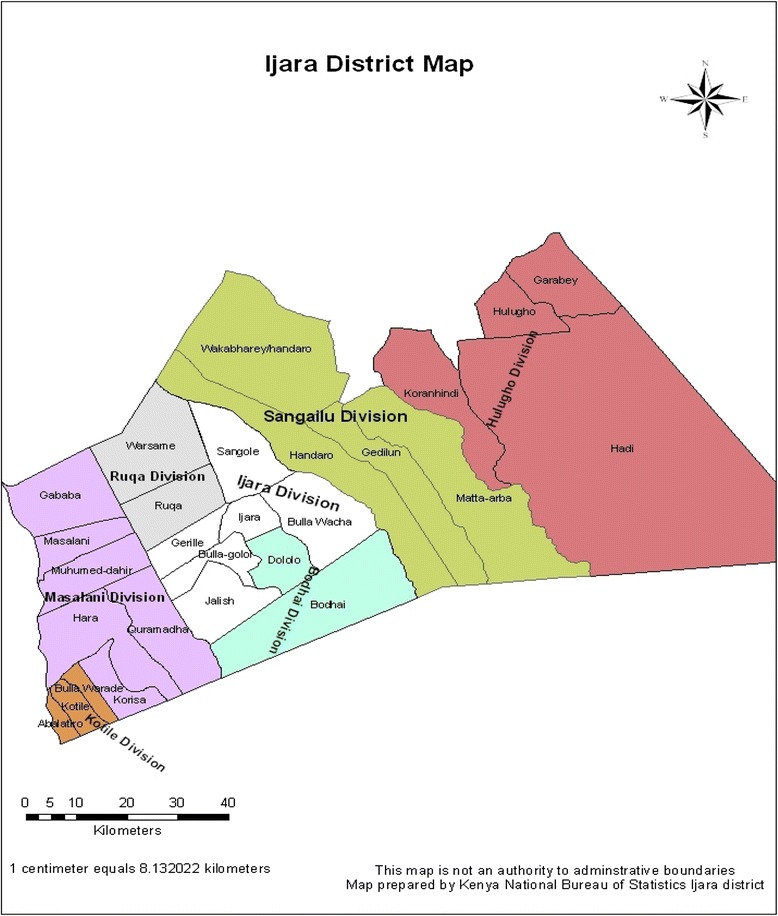
A qualitative study was carried out in Ijara district, Kenya which was one of the hotspots of Rift Valley during the 2006/2007 outbreak. Data were collected using focus group discussions and narratives guided by checklists. Eight focus group discussions consisting of 83 participants and six narratives were conducted. Data was transcribed, coded and analysed according to Emergent themes.
The participants reported that they had experienced Rift Valley fever in their livestock especially sheep and in humans both in 1997/1998 and 2006/2007. However, they believed that infections in humans occurred as a result of mosquito bites and had little to do with their consumption of meat, milk and blood from infected livestock. The participants in this study indicated that they had heard of the risks of acquiring the disease through consumption of livestock products but their experiences did not tally with the information they had received hence to them, Rift Valley fever was not transmissible through their dietary practices.
Though the communities in this region were aware of Rift Valley fever, they did not have elaborate information regarding the disease transmission dynamics to humans. To avoid misconception about transmission of the disease, intervention strategies, require to be accompanied by comprehensive explanations of the dynamics of its transmission. It is necessary to develop appropriate interventions that take into consideration, lay perceptions of risk factors for the disease and communities' livelihood strategies.
已发现人类行为因素在裂谷热传播中起核心作用。特别是食用受污染的肉类和牛奶已被确定为人类感染裂谷热的主要风险因素之一。在牧区,牲畜是主要的生计来源,从中可获得许多益处,如食物以及经济和文化服务。因此,人畜共患疾病对牧区社区的生计有重大影响。然而,包括裂谷热在内的这些疾病传播的公众认知阻碍了其有效控制。本研究调查了肯尼亚东北部一个牧区社区对裂谷热传播风险的公众认知。
在肯尼亚的伊贾拉区开展了一项定性研究,该地区是2006/2007年裂谷热疫情的热点地区之一。使用焦点小组讨论和由清单引导的叙述来收集数据。进行了八次焦点小组讨论,共有83名参与者,以及六次叙述。数据被转录、编码并根据新出现的主题进行分析。
参与者报告称,他们在1997/1998年和2006/2007年期间,在其牲畜尤其是绵羊以及人类中都经历过裂谷热。然而,他们认为人类感染是由蚊虫叮咬所致,与食用受感染牲畜的肉、奶和血液关系不大。本研究中的参与者表示,他们听说过通过食用畜产品感染该疾病的风险,但他们的经历与所获得的信息不一致,因此对他们来说,裂谷热不会通过饮食习惯传播。
尽管该地区的社区了解裂谷热,但他们对该疾病向人类传播的动态没有详细信息。为避免对疾病传播的误解,干预策略需要同时对其传播动态进行全面解释。有必要制定适当的干预措施,同时考虑到公众对该疾病风险因素的认知以及社区的生计策略。