Povero Davide, Panera Nadia, Eguchi Akiko, Johnson Casey D, Papouchado Bettina G, de Araujo Horcel Lucas, Pinatel Eva M, Alisi Anna, Nobili Valerio, Feldstein Ariel E
Department of Pediatrics, University of California San Diego, La Jolla, CA 92093, USA.
Hepato-Metabolic Disease Unit and Liver Research Unit, Bambino-Gesu' Children's Hospital, IRCCS, 00165, Roma, Italy.
Cell Mol Gastroenterol Hepatol. 2015 Nov 1;1(6):646-663.e4. doi: 10.1016/j.jcmgh.2015.07.007.
BACKGROUND&AIMS: Hepatic stellate cells (HSCs) play a key role in liver fibrosis in various chronic liver disorders including nonalcoholic fatty liver disease (NAFLD). The development of liver fibrosis requires a phenotypic switch from quiescent to activated HSCs. The triggers for HSCs activation in NAFLD remain poorly understood. We investigated the role and molecular mechanism of extracellular vesicles (EVs) released by hepatocytes during lipotoxicity in modulation of HSC phenotype.
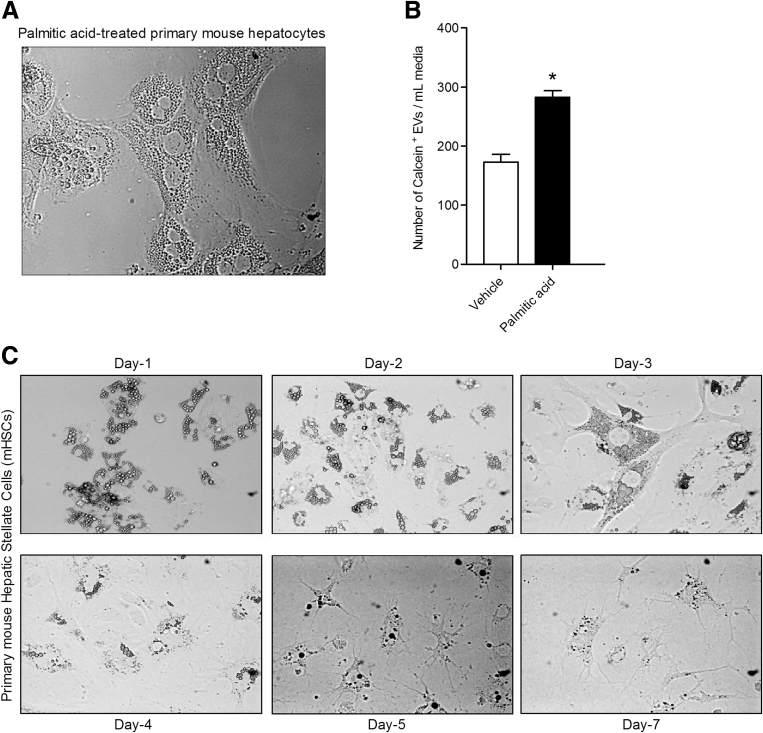
EVs were isolated from fat-laden hepatocytes by differential centrifugation and incubated with HSCs. EV internalization and HSCs activation, migration and proliferation were assessed. Loss- and gain-of-functions studies were performed to explore the potential role of PPAR-γ-targeting miRNAs carried by EVs into HSC.
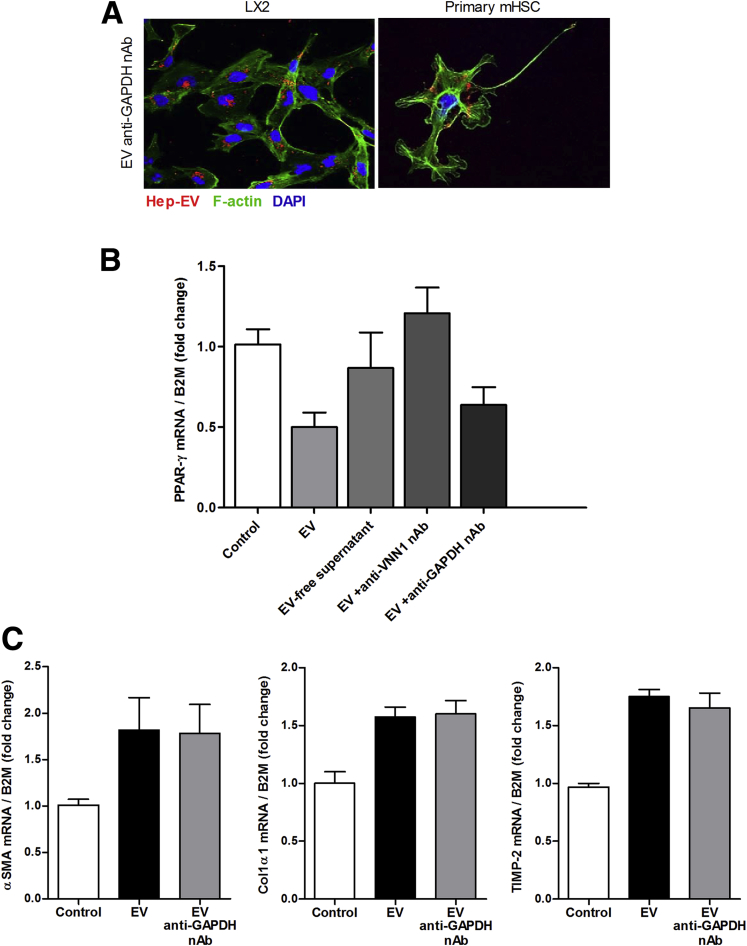
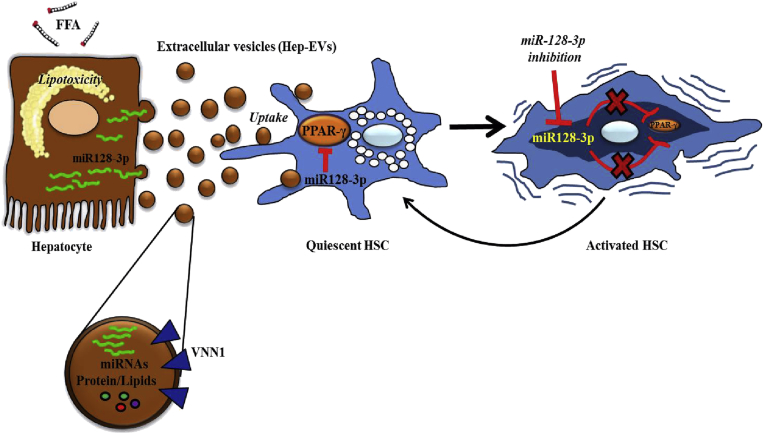
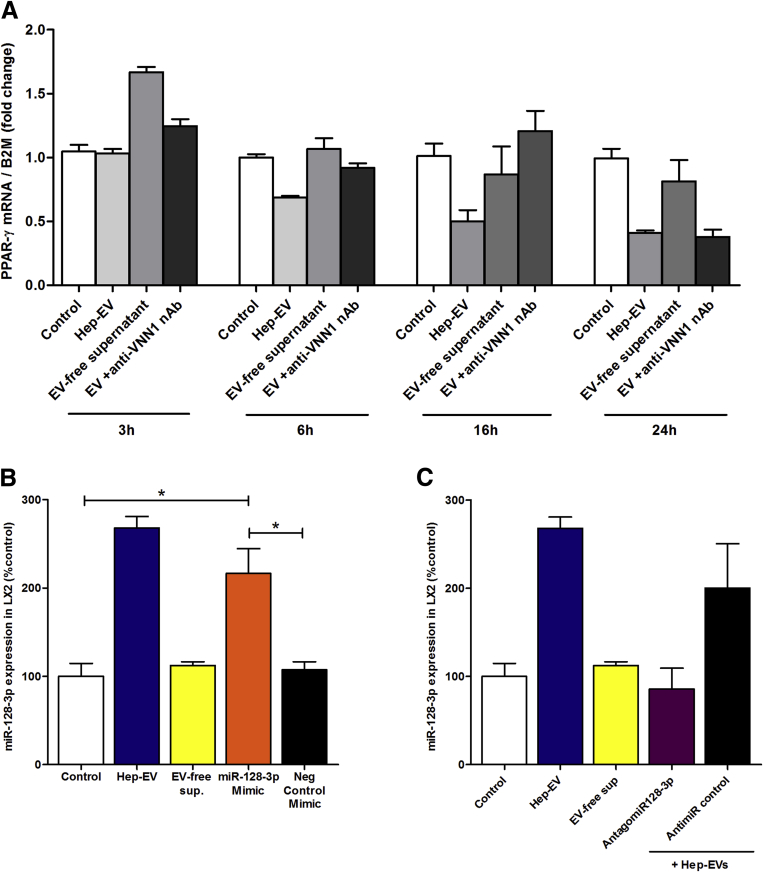
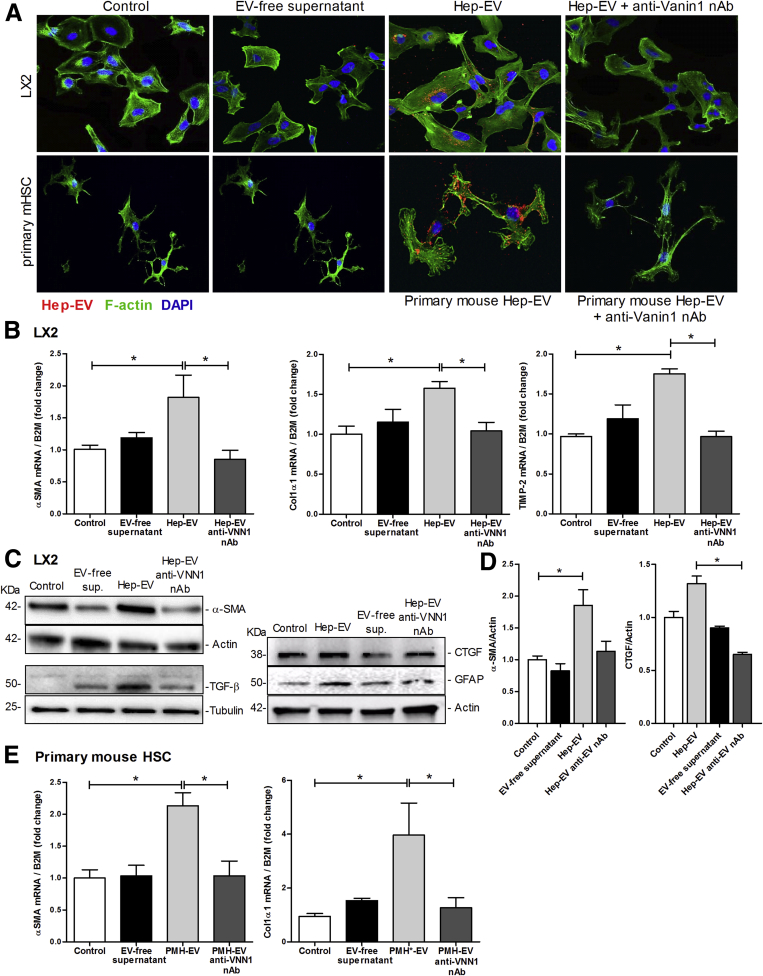
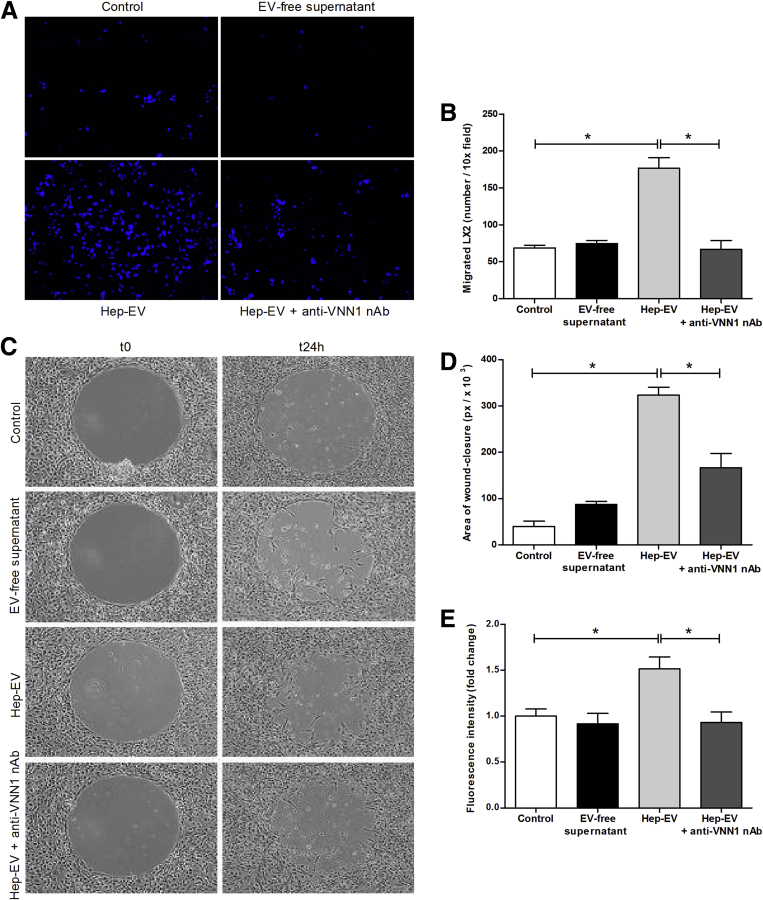
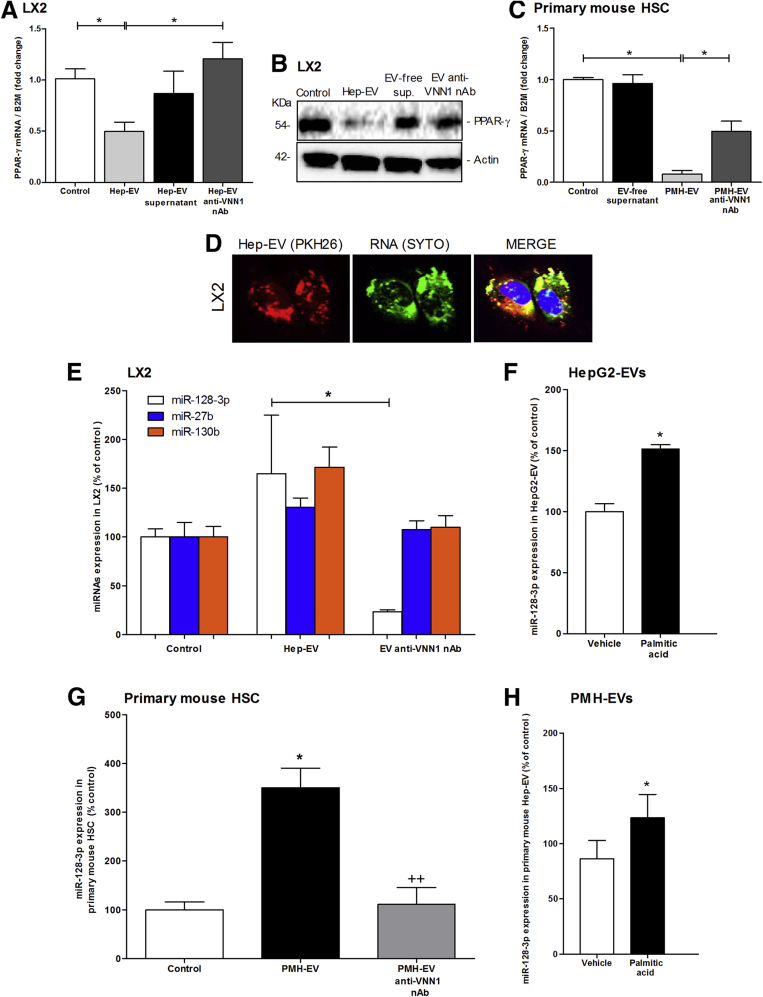
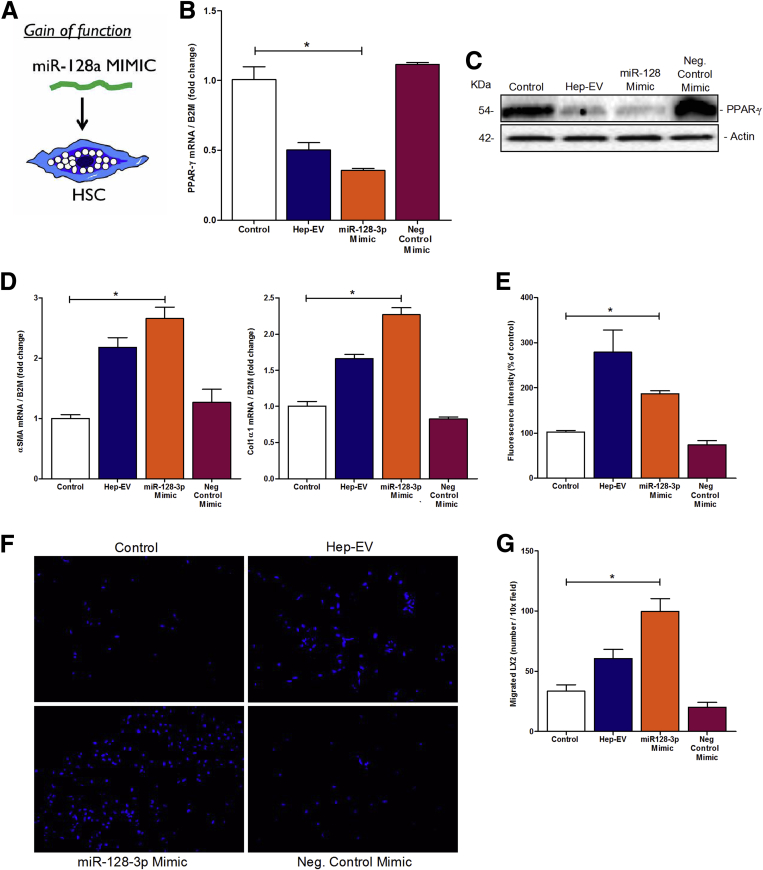
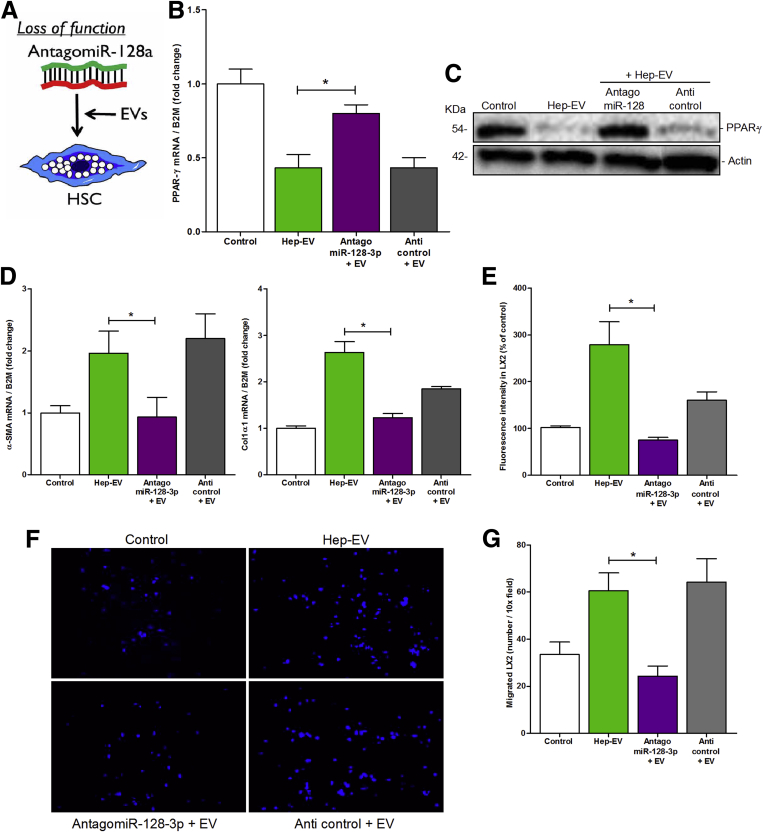
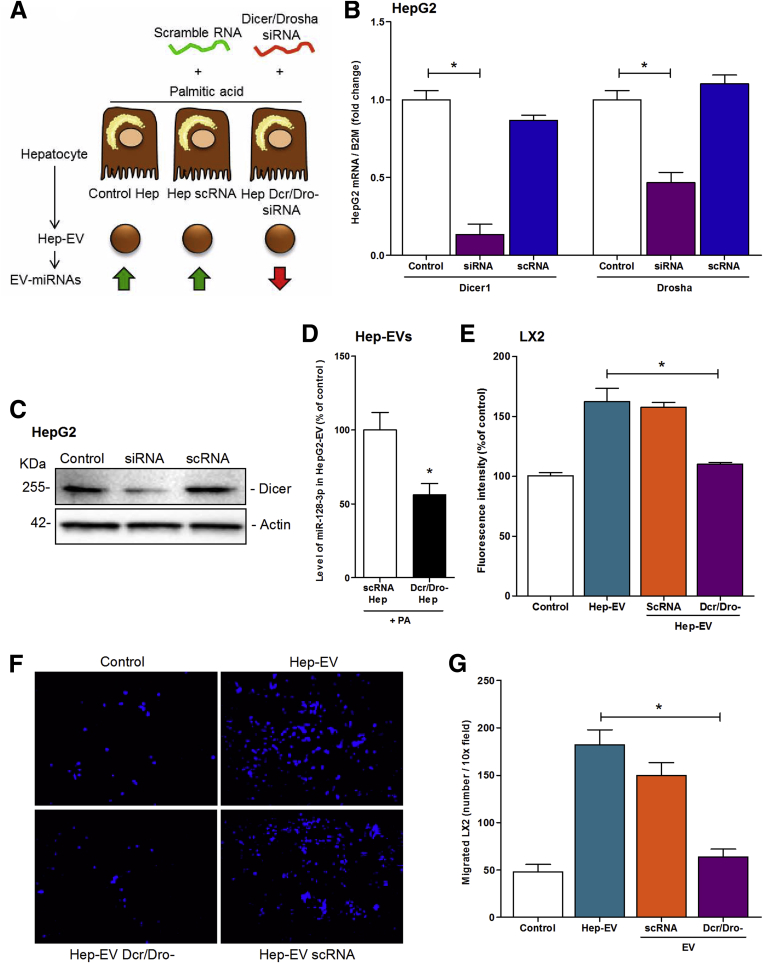
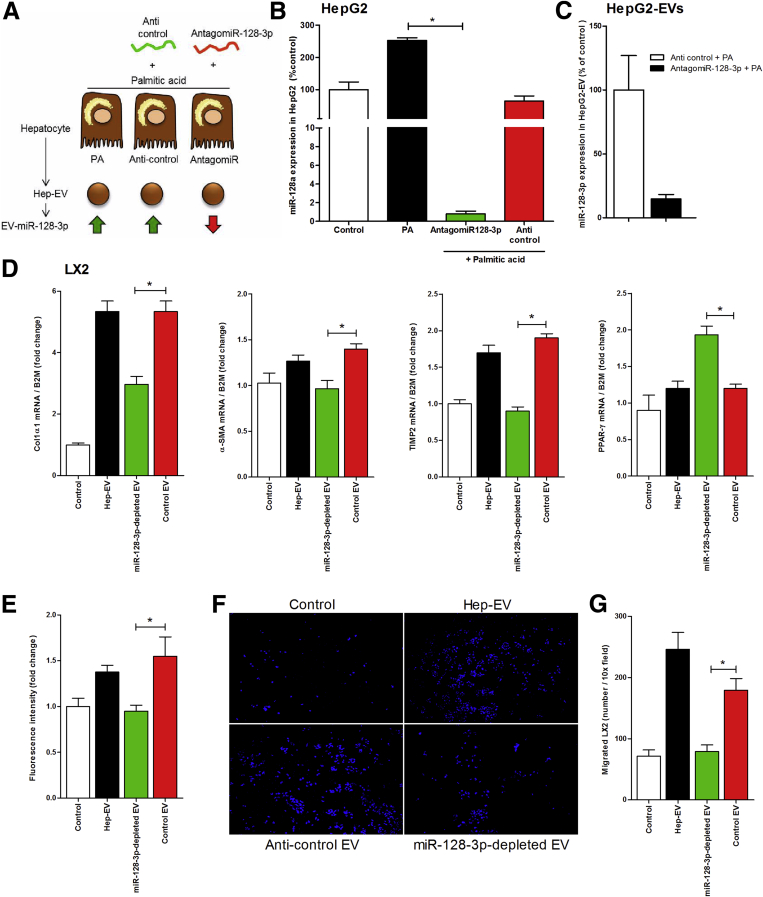
Hepatocyte-derived EVs released during lipotoxicity are efficiently internalized by HSCs resulting in their activation, as shown by marked up-regulation of pro-fibrogenic genes (Collagen-I, α-SMA and TIMP-2), proliferation, chemotaxis and wound healing responses. These changes were associated with miRNAs shuttled by EVs and suppression of PPAR-γ expression in HSC. Hepatocyte-derived EVs miRNA content included various miRNAs that are known inhibitors of PPAR-γ expression with miR-128-3p being the most effectively transferred. Furthermore loss- and gain-of-function studies identified miR-128-3p as a central modulator of the effects of EVs on PPAR-γ inhibition and HSC activation.
Our findings demonstrate a link between fat-laden hepatocyte-derived EVs and liver fibrosis and have potential implications for the development of novel anti-fibrotic targets for NAFLD and other fibrotic diseases.
肝星状细胞(HSCs)在包括非酒精性脂肪性肝病(NAFLD)在内的各种慢性肝脏疾病的肝纤维化过程中起关键作用。肝纤维化的发展需要肝星状细胞从静止状态转变为激活状态。NAFLD中肝星状细胞激活的触发因素仍知之甚少。我们研究了脂毒性期间肝细胞释放的细胞外囊泡(EVs)在调节肝星状细胞表型中的作用及分子机制。
通过差速离心从富含脂肪的肝细胞中分离出细胞外囊泡,并与肝星状细胞一起孵育。评估细胞外囊泡的内化以及肝星状细胞的激活、迁移和增殖情况。进行功能缺失和功能获得研究,以探索细胞外囊泡携带的靶向过氧化物酶体增殖物激活受体γ(PPAR-γ)的微小RNA(miRNAs)在肝星状细胞中的潜在作用。
脂毒性期间肝细胞衍生的细胞外囊泡被肝星状细胞有效内化,导致其激活,表现为促纤维化基因(I型胶原、α-平滑肌肌动蛋白和金属蛋白酶组织抑制因子-2)显著上调、增殖、趋化性和伤口愈合反应增强。这些变化与细胞外囊泡转运的微小RNA以及肝星状细胞中PPAR-γ表达的抑制有关。肝细胞衍生的细胞外囊泡微小RNA含量包括多种已知的PPAR-γ表达抑制剂微小RNA,其中miR-128-3p是最易转移的。此外,功能缺失和功能获得研究确定miR-128-3p是细胞外囊泡对PPAR-γ抑制和肝星状细胞激活作用的核心调节因子。
我们的研究结果表明富含脂肪的肝细胞衍生的细胞外囊泡与肝纤维化之间存在联系,对NAFLD和其他纤维化疾病新型抗纤维化靶点的开发具有潜在意义。