Alper Emrah, Arabul Mahmut, Aslan Fatih, Cekic Cem, Celik Mustafa, Ipek Serkan, Unsal Belkis
From the Department of Gastroenterology, Izmir Katip Çelebi University, İzmir, Turkey.
Medicine (Baltimore). 2016 Jan;95(3):e2321. doi: 10.1097/MD.0000000000002321.
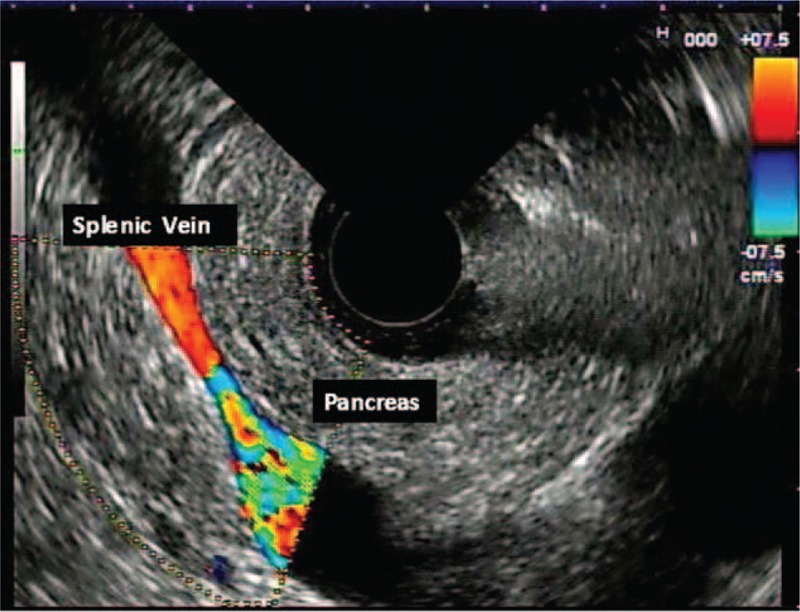
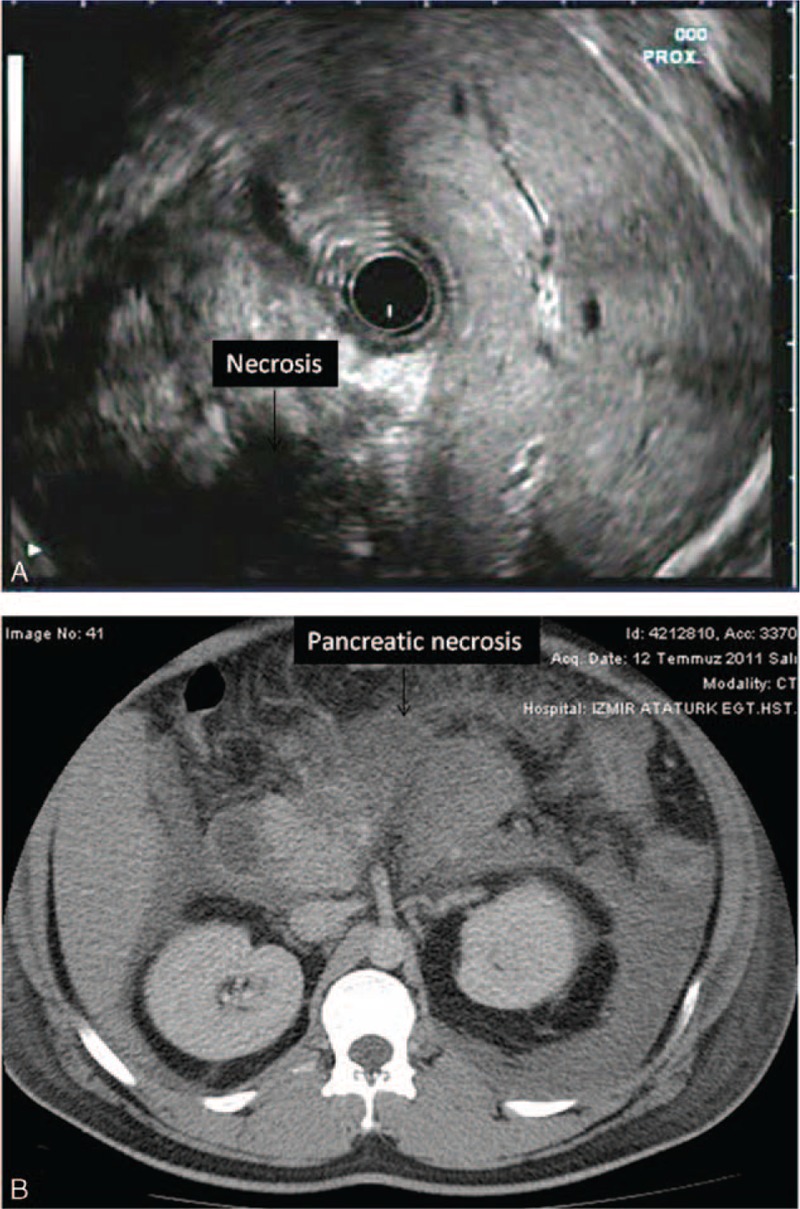
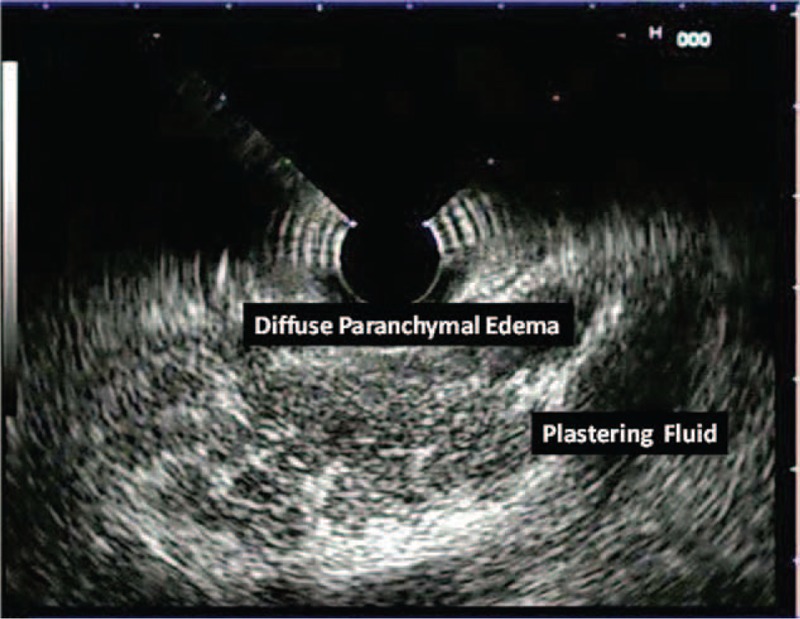
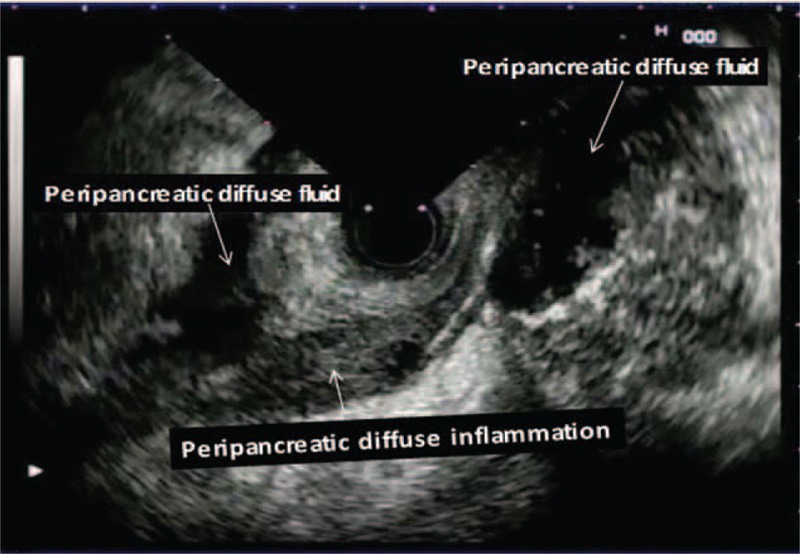
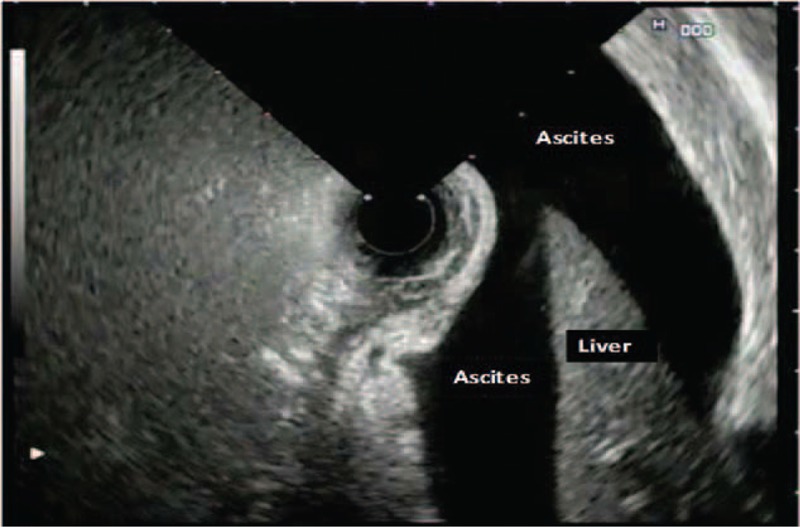
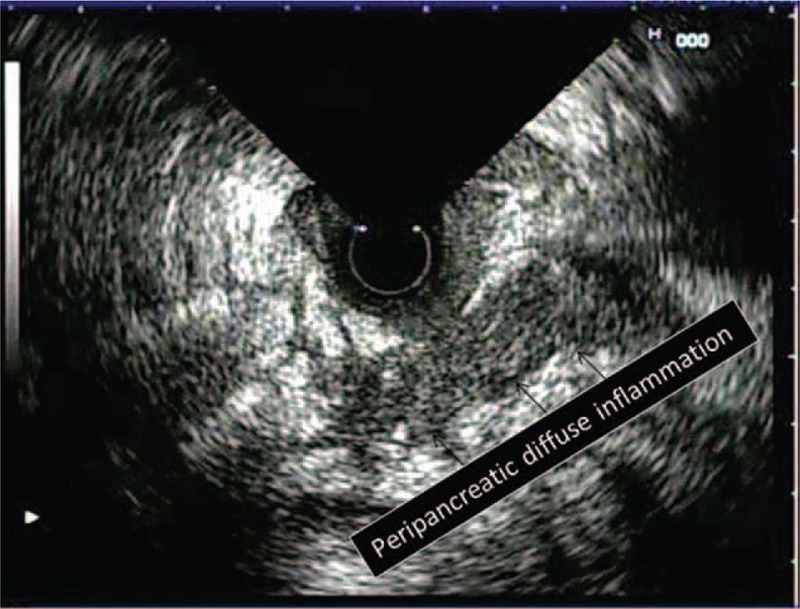
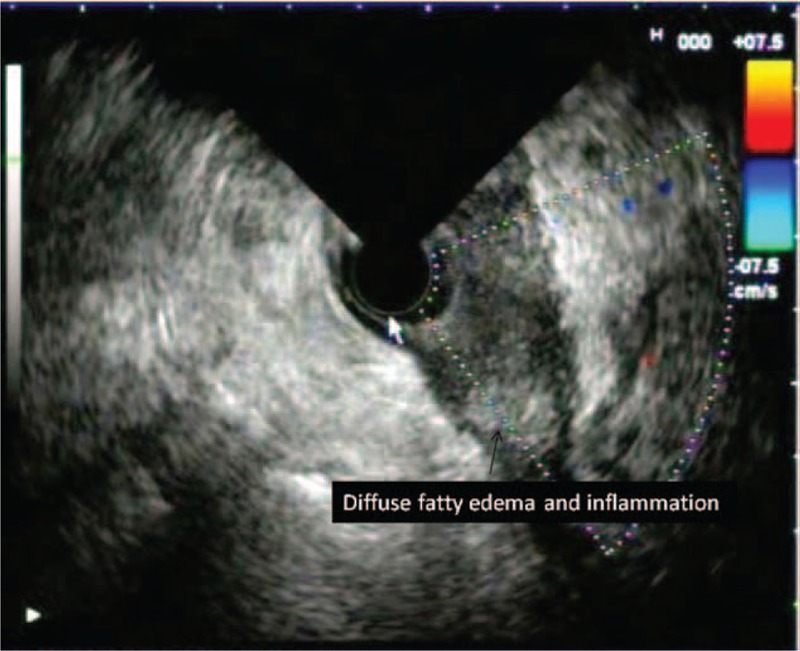
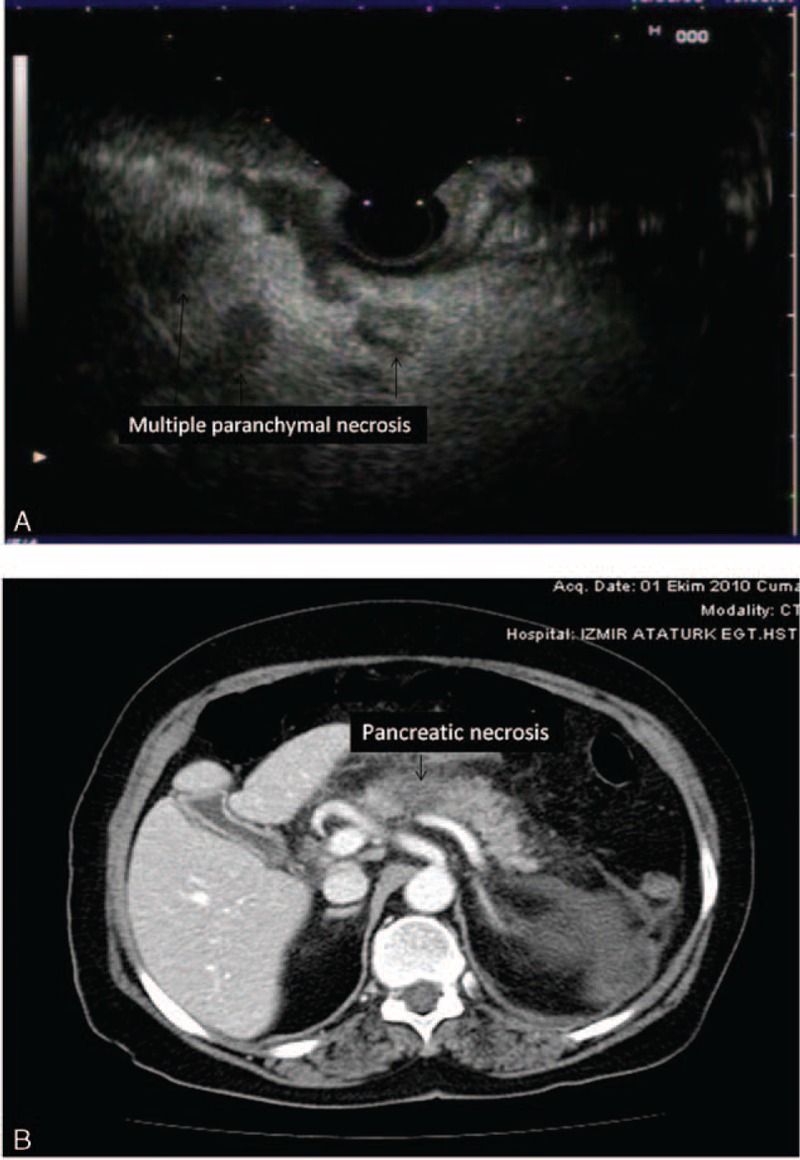
We investigated the utility of noncontrast enhanced endosonography (EUS) in predicting the severity of acute pancreatitis (AP) during the first 72 to 96 h of admission.In total, 187 patients with acute biliary pancreatitis were included. The patients were classified into 2 groups as having severe and mild AP according to the Modified Glasgow scoring and computerized tomography severity index (SI). The 158 cases with mild and 29 cases with severe AP had a similar age and sex distribution.Although none of the cases with mild AP developed morbidity and death, of the cases with severe AP, 16 developed serious morbidities and 5 died. On EUS examination, we looked for parenchymal findings, peripancreatic inflammatory signs, free or loculated fluid collections, and abnormalities of the common bile duct and the pancreatic channel. Statistical analysis indicated a significant relationship between the severity of AP with diffuse parenchymal edema, periparenchymal plastering, and/or diffuse retroperitoneal free fluid accumulation, and peri-pancreatic edema. We also defined an EUSSI and found that the EUSSI had sensitivity of 89.7%, specificity of 84.2%, positive predictivity value (PPV) of 88.9%, negative predictivity value (NPV) of 91.2%, and an accuracy of 87.9% in the differentiation of mild and severe AP. We found that the EUSSI had an accuracy of 72.4%, sensitivity of 75.4%, specificity of 65.1%, PPV of 69.3%, and NPV of 73.1% for determining mortality.Our data suggest that EUS allowed us to accurately predict the severity and mortality in nearly 90% of cases with AP.
我们研究了非增强型内镜超声检查(EUS)在预测急性胰腺炎(AP)患者入院后最初72至96小时病情严重程度方面的效用。总共纳入了187例急性胆源性胰腺炎患者。根据改良格拉斯哥评分和计算机断层扫描严重程度指数(SI),将患者分为重度和轻度AP两组。158例轻度AP患者和29例重度AP患者的年龄和性别分布相似。虽然轻度AP患者均未发生并发症和死亡,但重度AP患者中有16例出现严重并发症,5例死亡。在内镜超声检查中,我们观察了实质改变、胰腺周围炎症体征、游离或局限性液体积聚以及胆总管和胰管异常情况。统计分析表明,AP的严重程度与弥漫性实质水肿、胰腺周围组织增厚和/或弥漫性腹膜后游离液体积聚以及胰腺周围水肿之间存在显著相关性。我们还定义了一个内镜超声严重程度指数(EUSSI),发现EUSSI在区分轻度和重度AP时,敏感性为89.7%,特异性为84.2%,阳性预测值(PPV)为88.9%,阴性预测值(NPV)为91.2%,准确率为87.9%。我们发现,EUSSI在确定死亡率方面,准确率为72.4%,敏感性为75.4%,特异性为65.1%,PPV为69.3%,NPV为73.1%。我们的数据表明,内镜超声检查使我们能够在近90%的AP病例中准确预测病情严重程度和死亡率。