Feng Anlin, Tu Zhenbo, Yin Bingjiao
Department of Immunology, Tongji Medical College, Huazhong University of Science and Technology, Wuhan, Hubei, People's Republic of China, 430030.
Department of Immunology, Wuhan University School of Basic Medical Sciences, Wuhan, Hubei, People's Republic of China, 430071.
Oncotarget. 2016 Apr 12;7(15):20507-19. doi: 10.18632/oncotarget.7050.
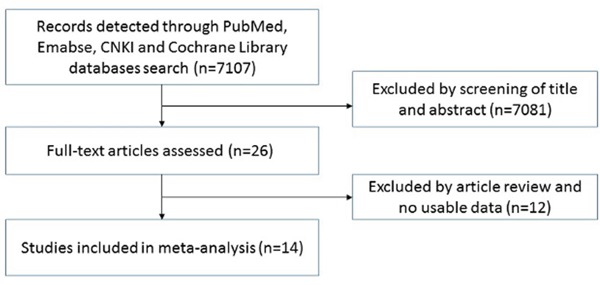
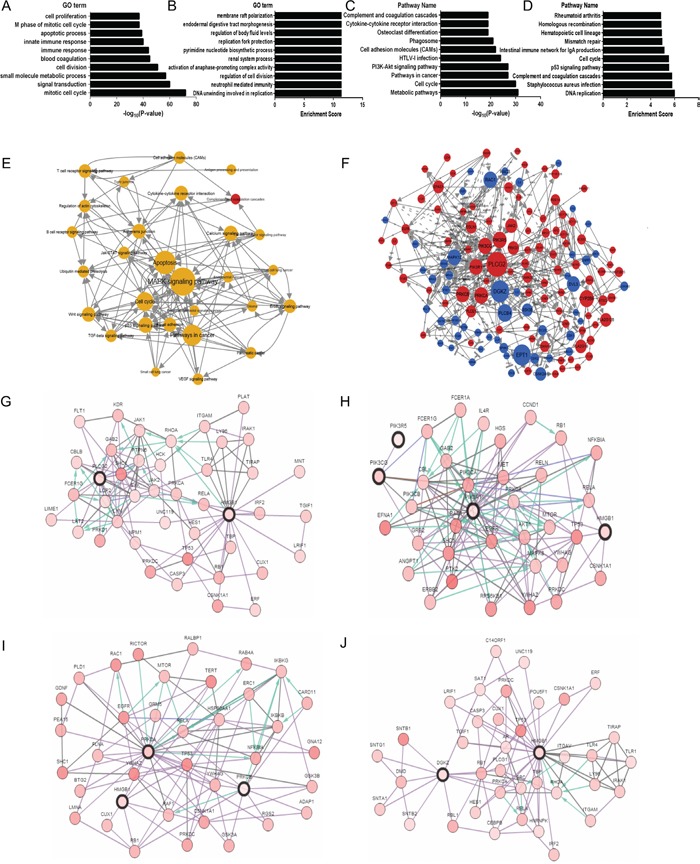
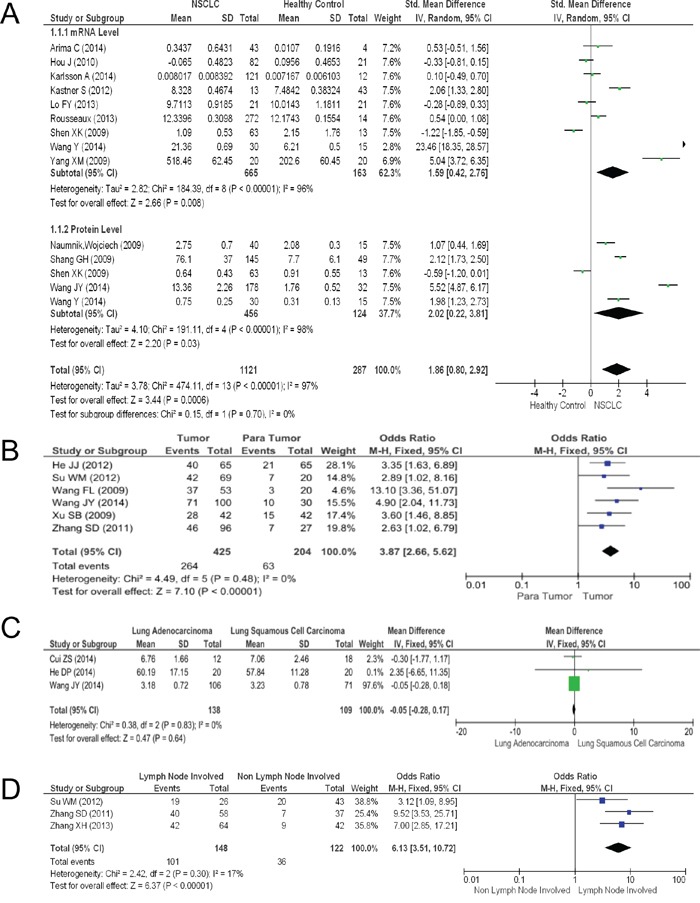
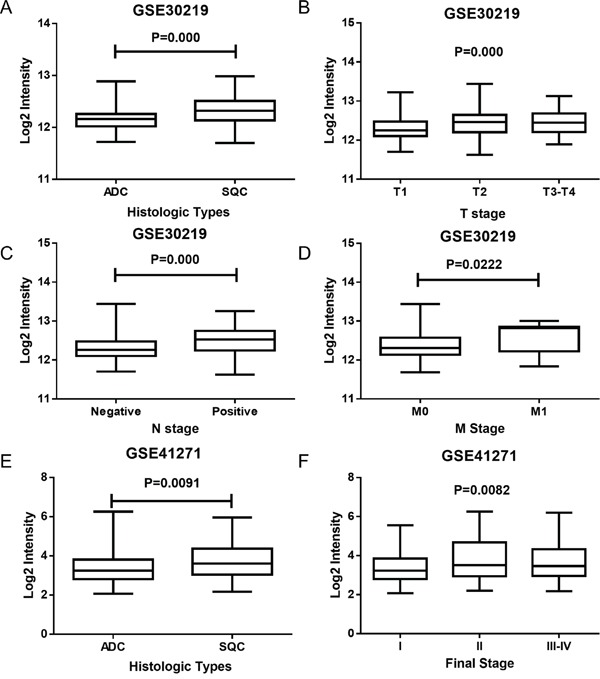
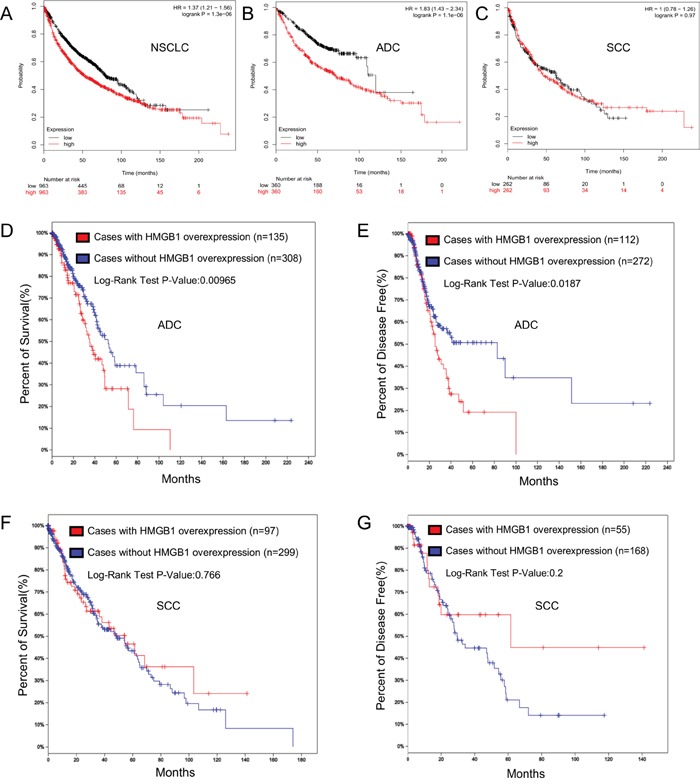
Several studies have assessed the diagnostic and prognostic values of high mobility group protein box 1 (HMGB1) expression in non-small cell lung cancer (NSCLC), but these results remain controversial. The purpose of this study was to perform a meta-analysis of the gene microarray analyses of datasets from the Cancer Genome Atlas (TCGA) and Gene Expression Omnibus (GEO) to evaluate the association of HMGB1 expression with the clinicopathological and prognostic features of patients with NSCLC. Furthermore, we investigated the underlying molecular mechanisms by bioinformatics analysis. Twenty relevant articles involving 2651 patients were included in this meta-analysis; the HMGB1 expression in NSCLC tissues was significantly higher than that in the healthy non-cancer control tissues. We also found an indication by microarray analysis and meta-analysis that HMGB1 expression was associated with the cancer TNM Staging System. In terms of prognostic features, a survival analysis from KM-Plotter tool revealed that the high HMGB1 expression group exhibited poorer survival in lung adenocarcinoma (ADC) and overall NSCLC patients. The survival and disease-free analyses from TCGA datasets also showed that HMGB1 mainly affected the development of patients with ADC. Therefore, we focused on how HMGB1 affected the prognosis and development of ADC using bioinformatics analyses and detected that the mitogen-activated protein kinases (MAPK), apoptosis and cell cycle signaling pathways were the key pathways that varied during HMGB1 up-regulation in ADC. Moreover, various genes such as PLCG2, the phosphatidylinositol-4, 5-bisphosphate 3-kinase superfamily (PI3Ks), protein kinase C (PKC) and DGKZ were selected as hub genes in the gene regulatory network. Our results indicated that HMGB1 is a potential biomarker to predict progression and survival of NSCLC, especially of ADC types.
多项研究评估了高迁移率族蛋白盒1(HMGB1)表达在非小细胞肺癌(NSCLC)中的诊断和预后价值,但这些结果仍存在争议。本研究的目的是对来自癌症基因组图谱(TCGA)和基因表达综合数据库(GEO)的数据集进行基因芯片分析的荟萃分析,以评估HMGB1表达与NSCLC患者临床病理特征及预后的相关性。此外,我们通过生物信息学分析研究其潜在的分子机制。本荟萃分析纳入了20篇涉及2651例患者的相关文章;NSCLC组织中HMGB1的表达显著高于健康非癌对照组织。我们还通过芯片分析和荟萃分析发现,HMGB1表达与癌症TNM分期系统相关。在预后特征方面,来自KM-Plotter工具的生存分析显示,高HMGB1表达组在肺腺癌(ADC)和总体NSCLC患者中生存较差。来自TCGA数据集的生存和无病分析也表明,HMGB1主要影响ADC患者的病情发展。因此,我们利用生物信息学分析重点研究了HMGB1如何影响ADC的预后和发展,并检测到丝裂原活化蛋白激酶(MAPK)、凋亡和细胞周期信号通路是ADC中HMGB1上调过程中发生变化的关键通路。此外,在基因调控网络中,多种基因如PLCG2、磷脂酰肌醇-4,5-二磷酸3-激酶超家族(PI3Ks)、蛋白激酶C(PKC)和DGKZ被选为枢纽基因。我们的结果表明,HMGB1是预测NSCLC尤其是ADC类型进展和生存的潜在生物标志物。