DuHadaway James, Prendergast George C
Lankenau Institute for Medical Research, Wynnewood, PA, USA.
Sidney Kimmel Cancer Center and Department of Pathology, Anatomy and Cell Biology, Sidney Kimmel Medical College, Thomas Jefferson University, Philadelpia, PA, USA.
Oncotarget. 2016 Feb 16;7(7):7372-80. doi: 10.18632/oncotarget.7058.
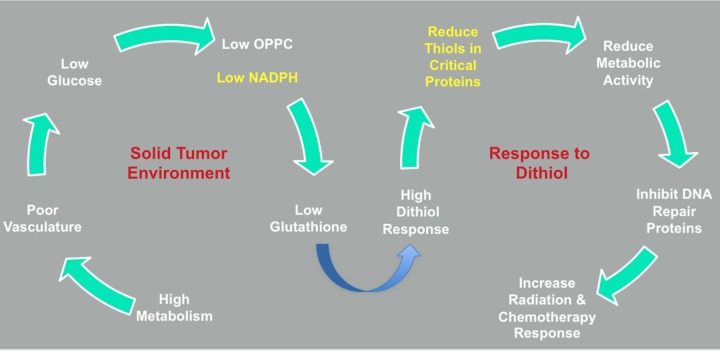
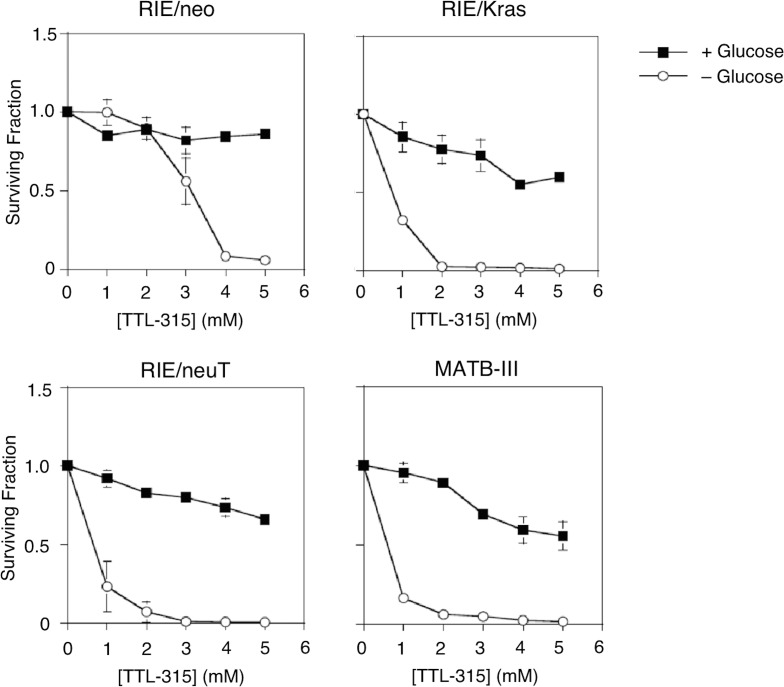
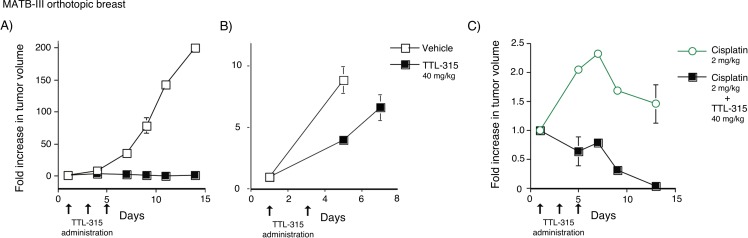
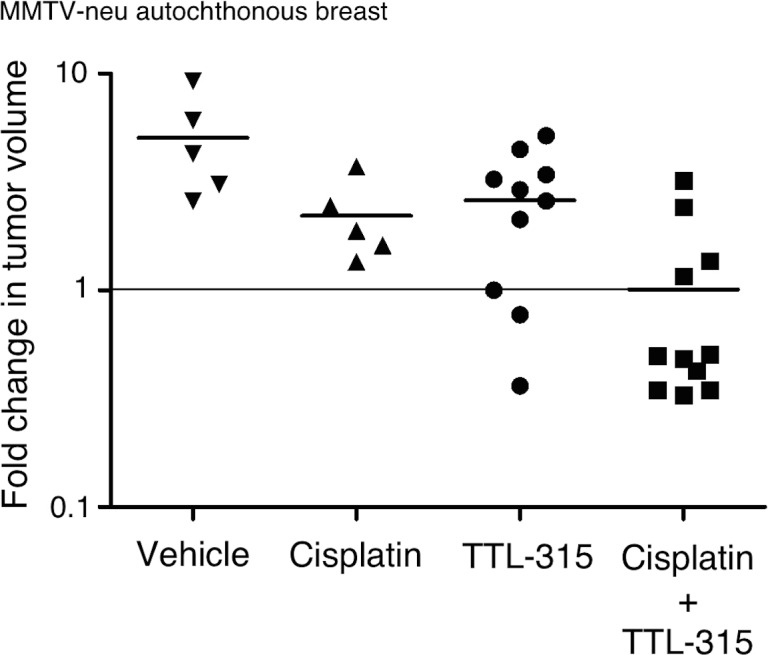
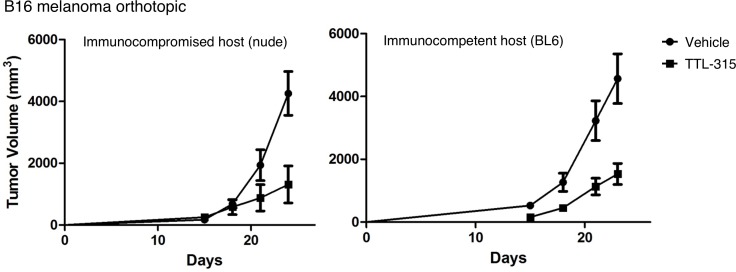
Maintaining thiol homeostasis is an imperative for cancer cell survival in the nutrient-deprived microenvironment of solid tumors. Despite this metabolic vulnerability, a selective approach has yet to be developed to disrupt thiol homeostasis in solid tumors for therapeutic purposes. In this study, we report the identification of 2-mercaptopropionyl glycine disulfide (TTL-315) as a novel antimetabolite that blocks cell survival in a manner conditional on glucose deprivation. In the presence of glucose, TTL-315 lacks cytotoxic effects in normal cells where it is detoxified by reduction to 2-mercaptopropionyl glycine, a compound with known clinical pharmacologic and safety profiles. In several rodent models of aggressive breast, lung and skin cancers, TTL-315 blocked tumor growth and cooperated with the DNA damaging drug cisplatin to trigger tumor regression. Our results offer preclinical proof of concept for TTL-315 as a novel antimetabolite to help selectively eradicate solid tumors by exploiting the glucose-deprived conditions of the tumor microenvironment.
在实体瘤营养匮乏的微环境中,维持硫醇稳态是癌细胞存活的必要条件。尽管存在这种代谢脆弱性,但尚未开发出一种选择性方法来破坏实体瘤中的硫醇稳态以用于治疗目的。在本研究中,我们报告了2-巯基丙酰甘氨酸二硫化物(TTL-315)作为一种新型抗代谢物的鉴定,它以葡萄糖剥夺为条件阻断细胞存活。在有葡萄糖存在的情况下,TTL-315在正常细胞中缺乏细胞毒性作用,在正常细胞中它通过还原为2-巯基丙酰甘氨酸而解毒,2-巯基丙酰甘氨酸是一种具有已知临床药理学和安全性特征的化合物。在几种侵袭性乳腺癌、肺癌和皮肤癌的啮齿动物模型中,TTL-315阻断肿瘤生长,并与DNA损伤药物顺铂协同作用引发肿瘤消退。我们的结果为TTL-315作为一种新型抗代谢物提供了临床前概念验证,通过利用肿瘤微环境中葡萄糖剥夺的条件来帮助选择性根除实体瘤。