Wilk Maciej, Hessler Roland, Mugridge Kenneth, Jolly Claude, Fehr Michael, Lenarz Thomas, Scheper Verena
Department of Otolaryngology, Hannover Medical School, Hannover, Germany.
Clinic for Exotic Pets, Reptiles, Pet and Feral Birds, University of Veterinary Medicine, Foundation, Hannover, Germany.
PLoS One. 2016 Feb 3;11(2):e0147552. doi: 10.1371/journal.pone.0147552. eCollection 2016.
The efficiency of cochlear implants (CIs) is affected by postoperative connective tissue growth around the electrode array. This tissue formation is thought to be the cause behind post-operative increases in impedance. Dexamethasone (DEX) eluting CIs may reduce fibrous tissue growth around the electrode array subsequently moderating elevations in impedance of the electrode contacts.
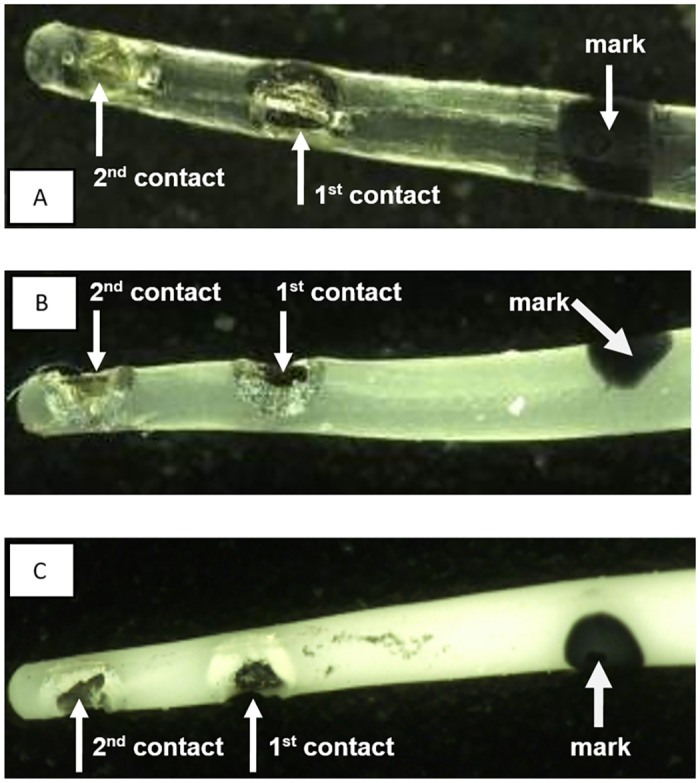
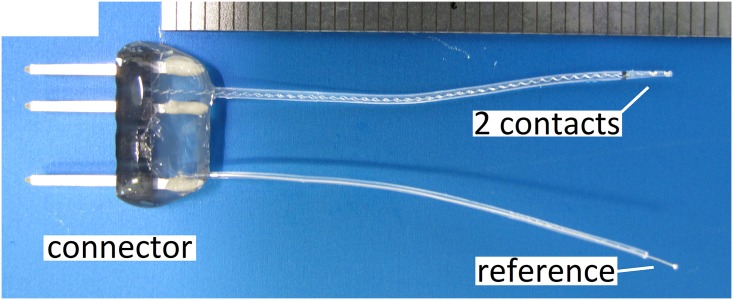
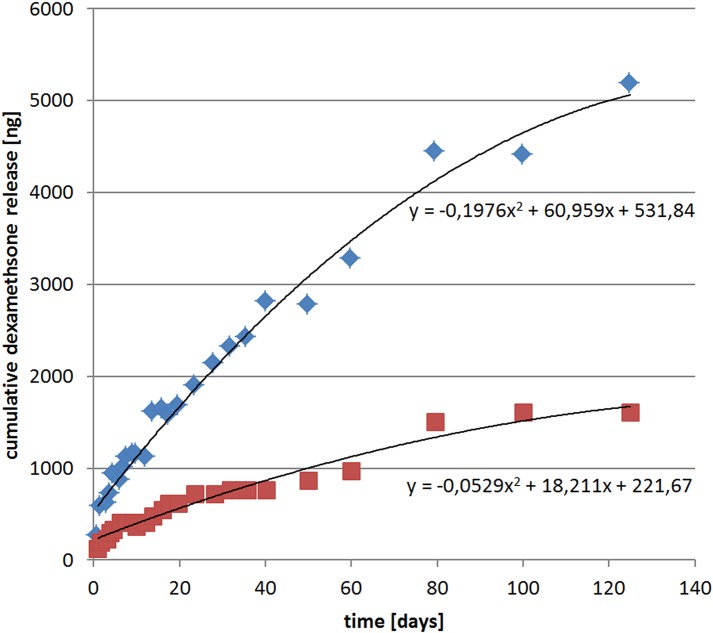
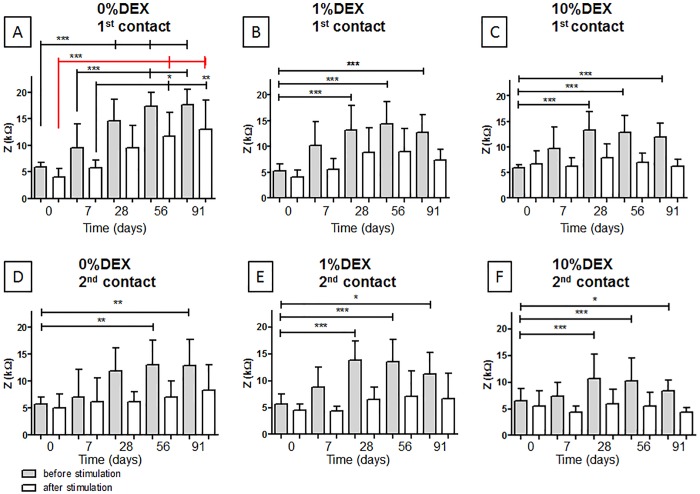
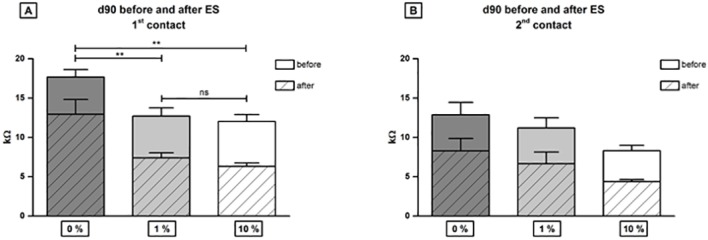
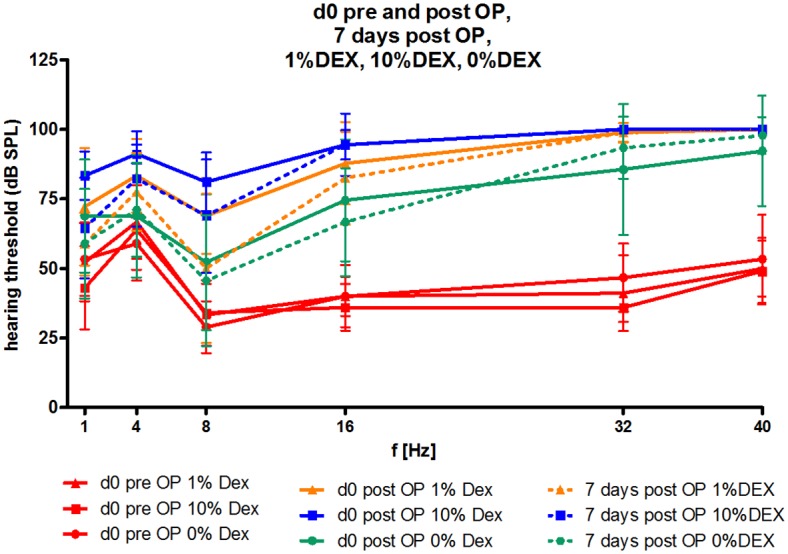
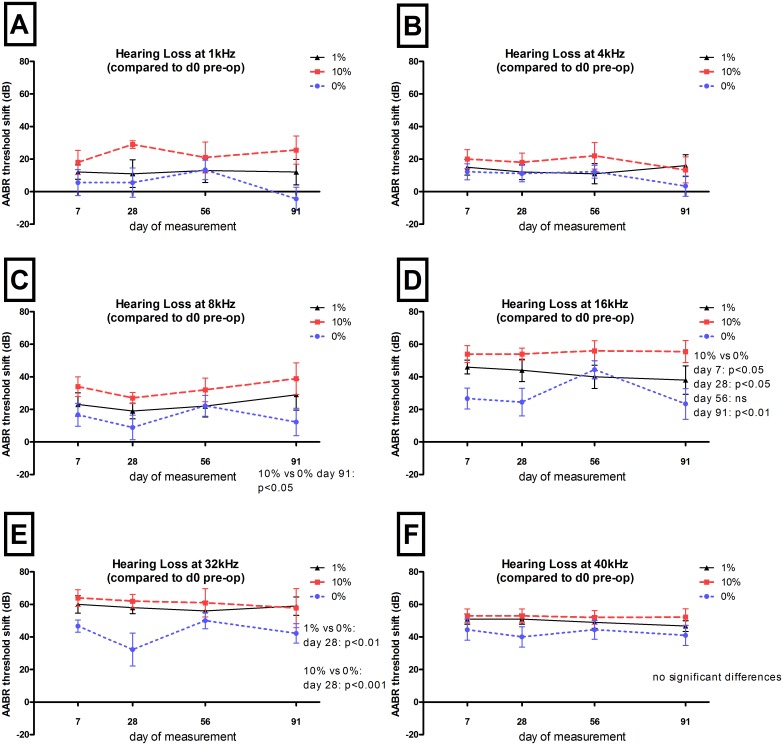
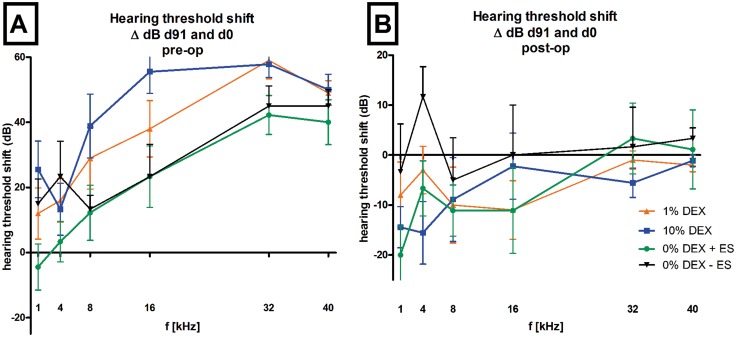
For this study, DEX was incorporated into the silicone of the CI electrode arrays at 1% and 10% (w/w) concentration. Electrodes prepared by the same process but without dexamethasone served as controls. All electrodes were implanted into guinea pig cochleae though the round window membrane approach. Potential additive or synergistic effects of electrical stimulation (60 minutes) were investigated by measuring impedances before and after stimulation (days 0, 7, 28, 56 and 91). Acoustically evoked auditory brainstem responses were recorded before and after CI insertion as well as on experimental days 7, 28, 56, and 91. Additionally, histology performed on epoxy embedded samples enabled measurement of the area of scala tympani occupied with fibrous tissue.
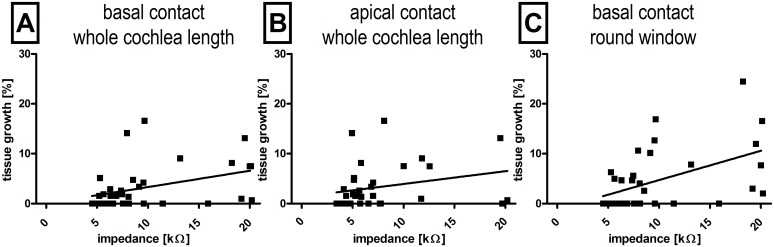
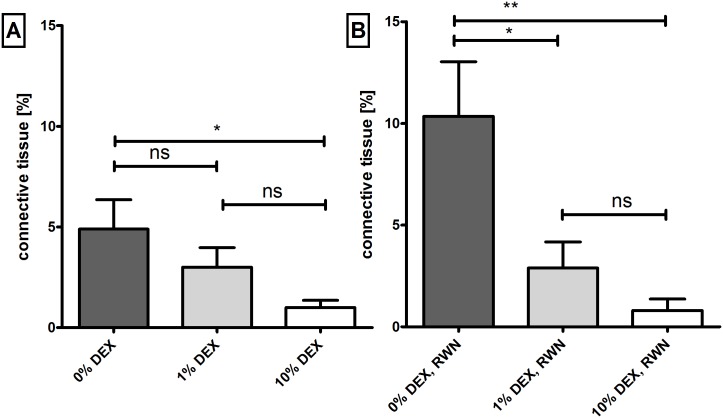
In all experimental groups, the highest levels of fibrous tissue were detected in the basal region of the cochlea in vicinity to the round window niche. Both DEX concentrations, 10% and 1% (w/w), significantly reduced fibrosis around the electrode array of the CI. Following 3 months of implantation impedance levels in both DEX-eluting groups were significantly lower compared to the control group, the 10% group producing a greater effect. The same effects were observed before and after electrical stimulation.
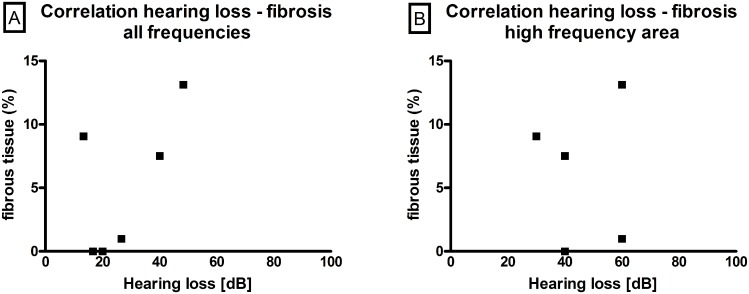
To our knowledge, this is the first study to demonstrate a correlation between the extent of new tissue growth around the electrode and impedance changes after cochlear implantation. We conclude that DEX-eluting CIs are a means to reduce this tissue reaction and improve the functional benefits of the implant by attenuating electrode impedance.
人工耳蜗(CI)的效率受电极阵列周围术后结缔组织生长的影响。这种组织形成被认为是术后阻抗增加的原因。地塞米松(DEX)洗脱型人工耳蜗可能会减少电极阵列周围的纤维组织生长,从而缓和电极触点阻抗的升高。
在本研究中,将DEX以1%和10%(w/w)的浓度掺入CI电极阵列的硅胶中。通过相同工艺制备但不含地塞米松的电极作为对照。所有电极均通过圆窗膜途径植入豚鼠耳蜗。通过测量刺激前后(第0、7、28、56和91天)的阻抗来研究电刺激(60分钟)的潜在相加或协同作用。在CI植入前后以及实验第7、28、56和91天记录听觉诱发脑干反应。此外,对环氧树脂包埋样本进行组织学检查,以测量被纤维组织占据的鼓阶面积。
在所有实验组中,在靠近圆窗龛的耳蜗基部区域检测到最高水平的纤维组织。10%和1%(w/w)的DEX浓度均显著减少了CI电极阵列周围的纤维化。植入3个月后,两个DEX洗脱组的阻抗水平均显著低于对照组,10%组的效果更佳。在电刺激前后观察到相同的效果。
据我们所知,这是第一项证明人工耳蜗植入后电极周围新组织生长程度与阻抗变化之间存在相关性的研究。我们得出结论,DEX洗脱型人工耳蜗是一种通过减弱电极阻抗来减少这种组织反应并改善植入物功能益处的手段。