Tirloni Lucas, Kim Tae Kwon, Coutinho Mariana Loner, Ali Abid, Seixas Adriana, Termignoni Carlos, Mulenga Albert, da Silva Vaz Itabajara
Centro de Biotecnologia, Universidade Federal do Rio Grande do Sul, Porto Alegre, RS, Brazil; Department of Veterinary Pathobiology, College of Veterinary Medicine, Texas A&M University, College Station, TX, USA.
Department of Veterinary Pathobiology, College of Veterinary Medicine, Texas A&M University, College Station, TX, USA.
Insect Biochem Mol Biol. 2016 Apr;71:12-28. doi: 10.1016/j.ibmb.2016.01.004. Epub 2016 Feb 2.
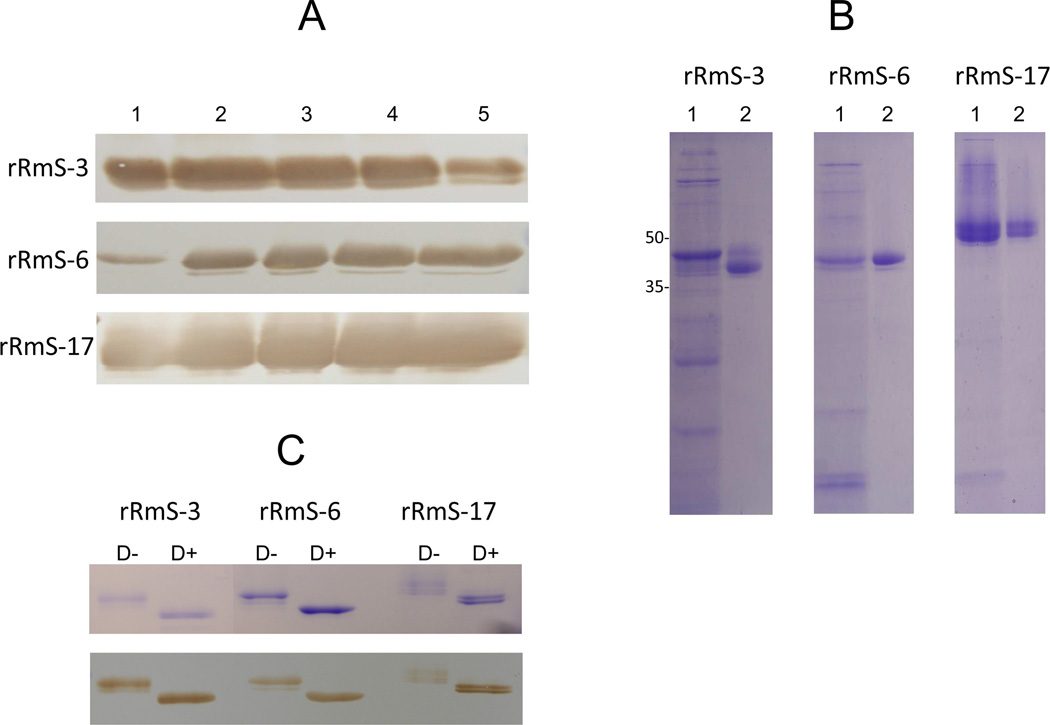
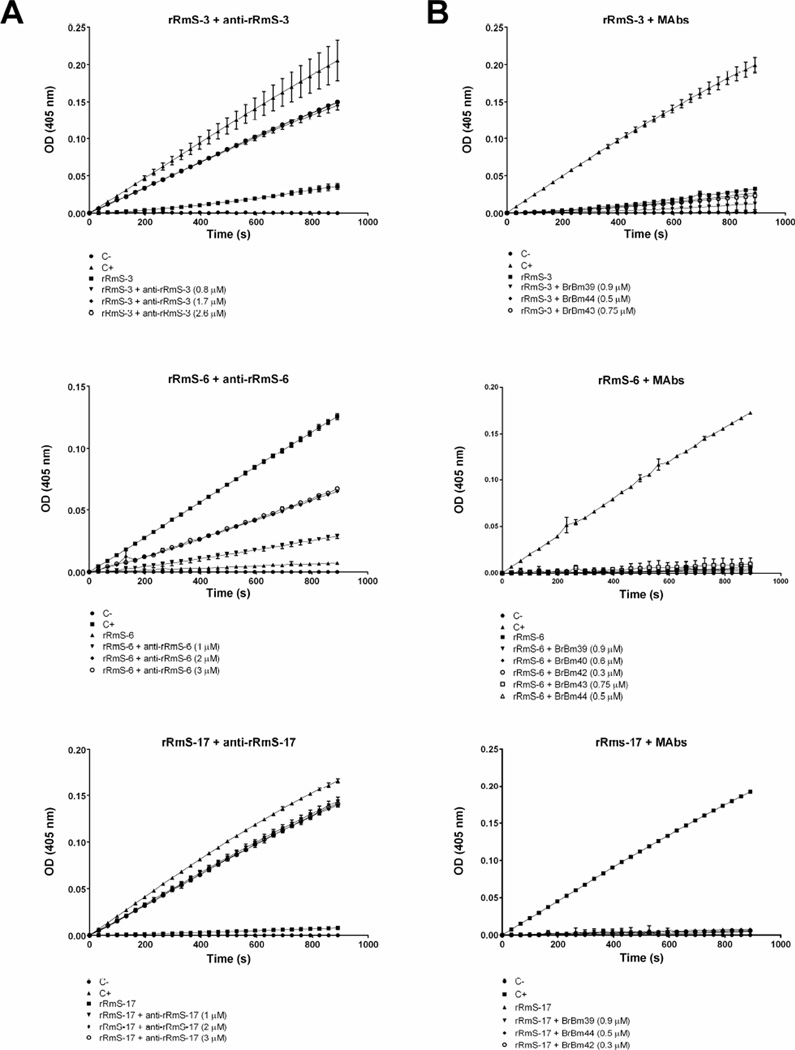
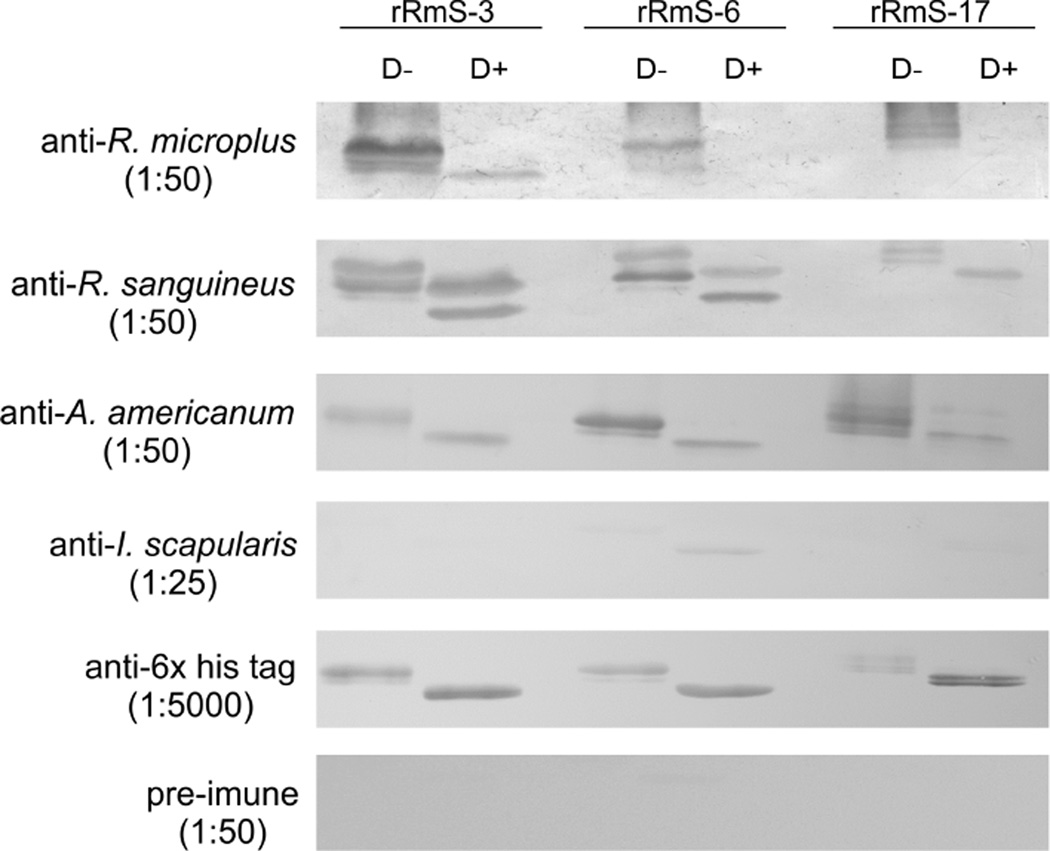
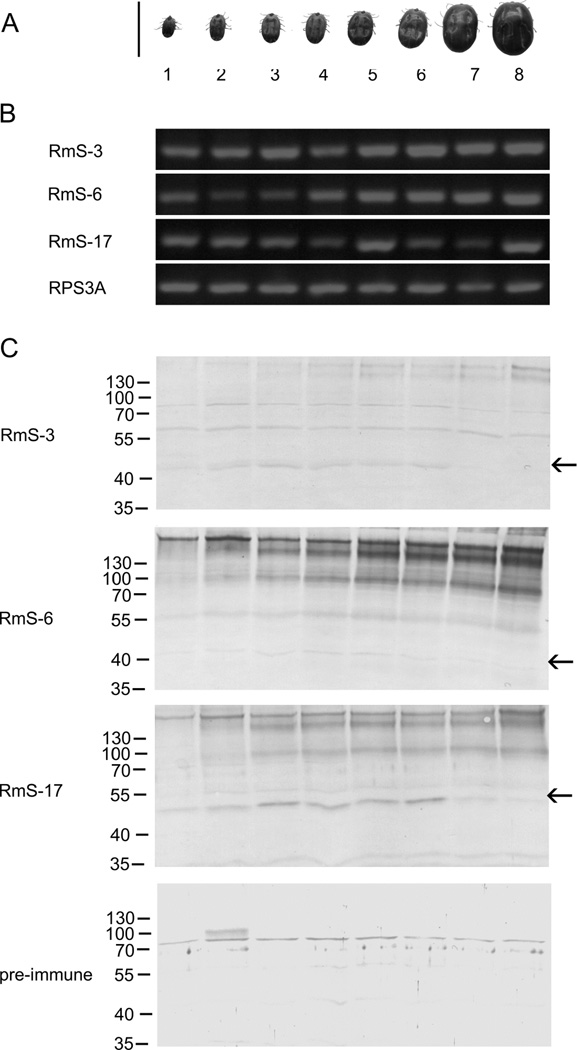
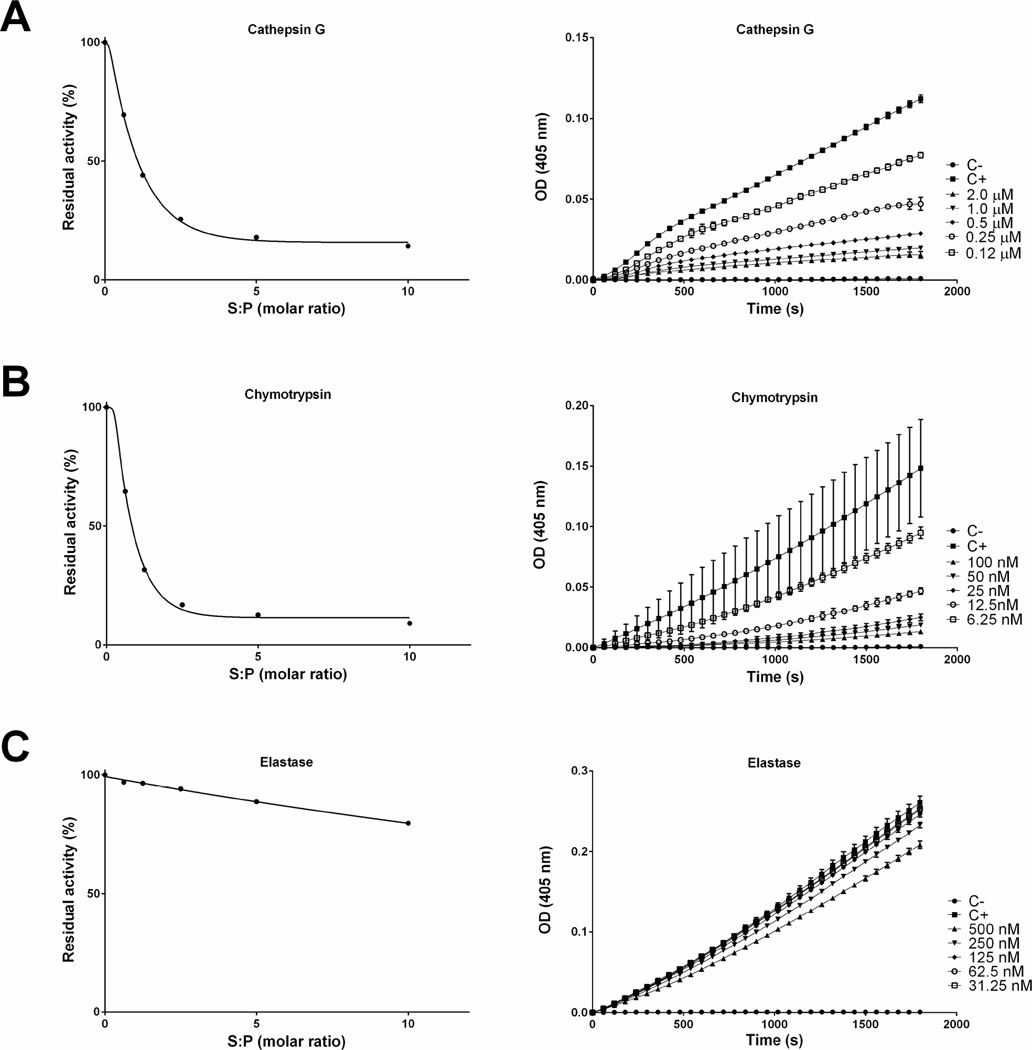
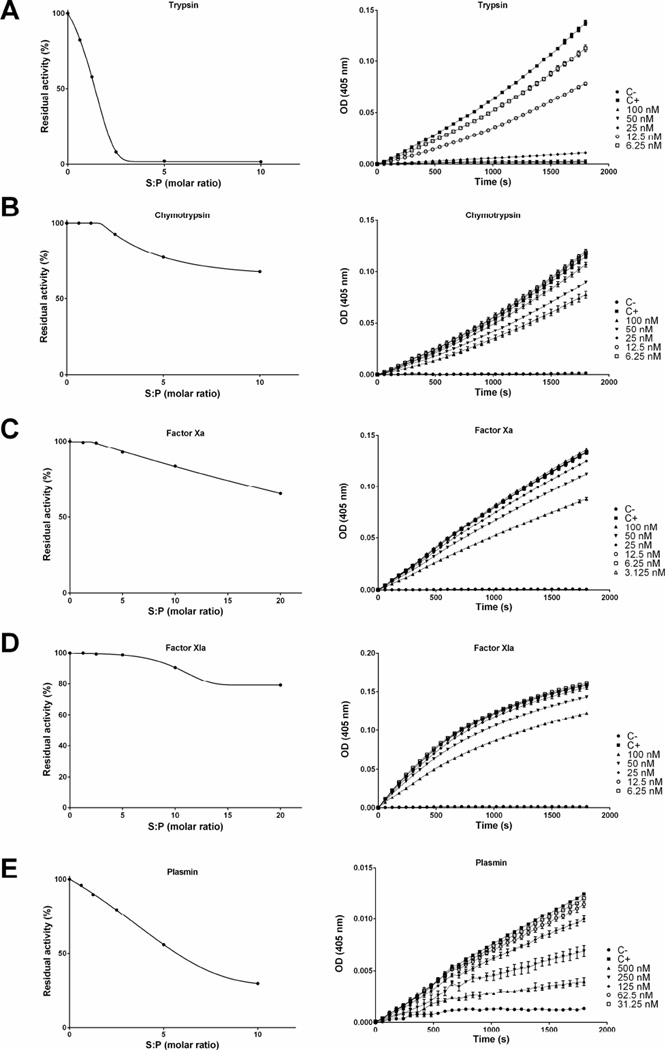
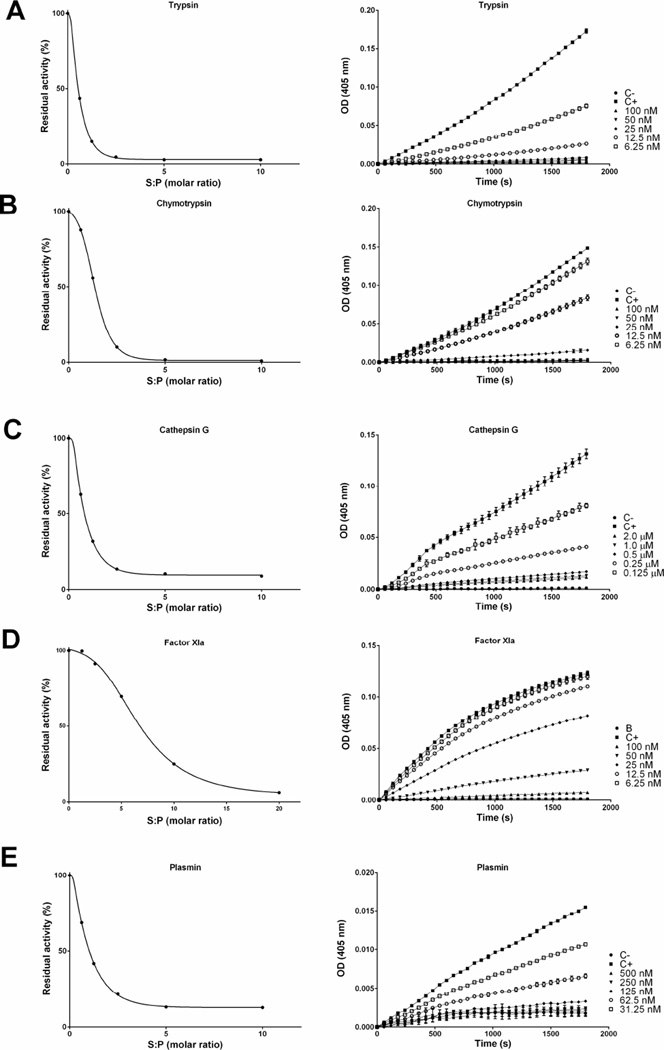
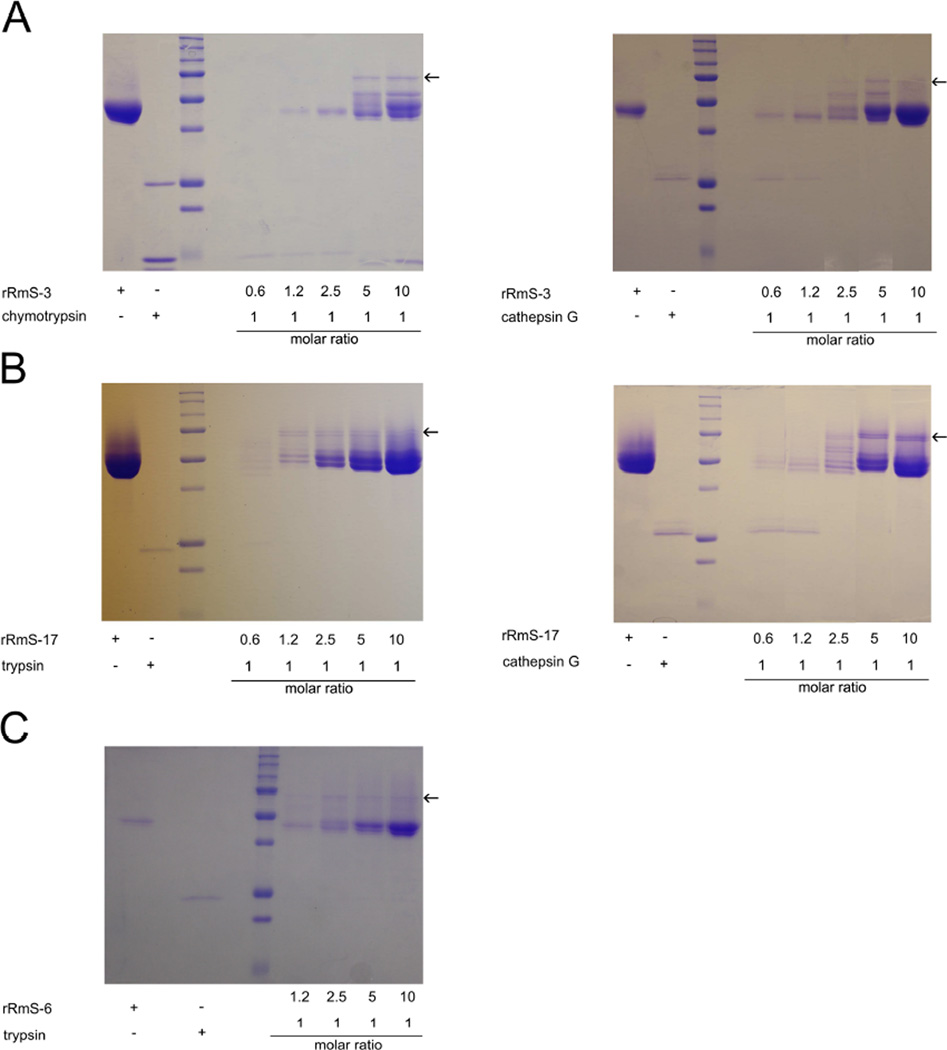
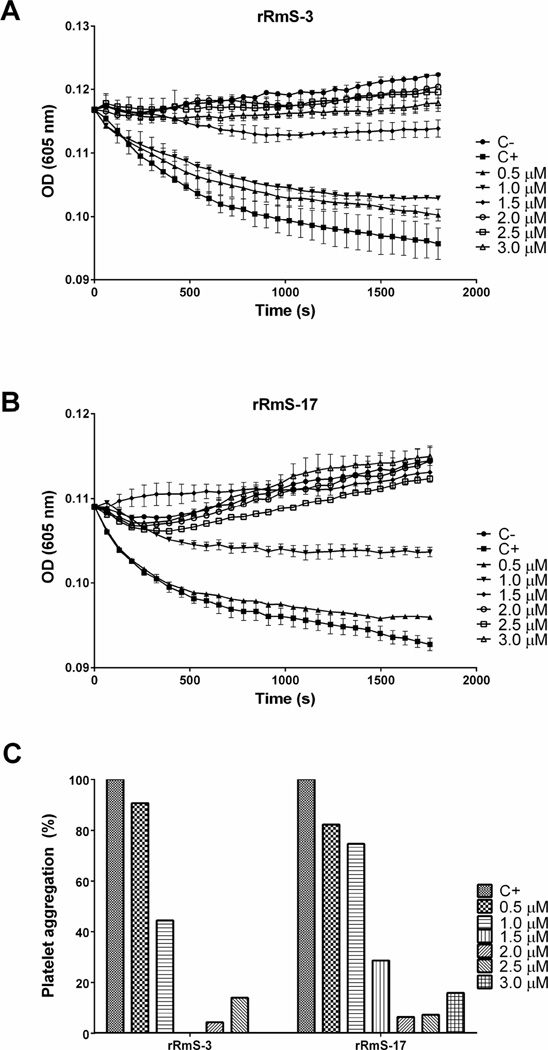
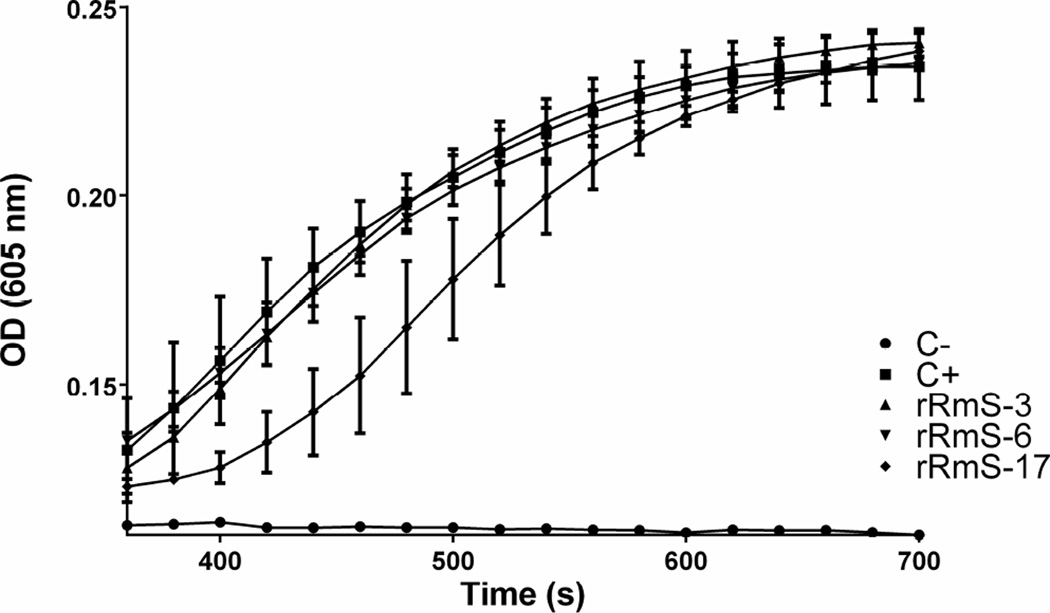
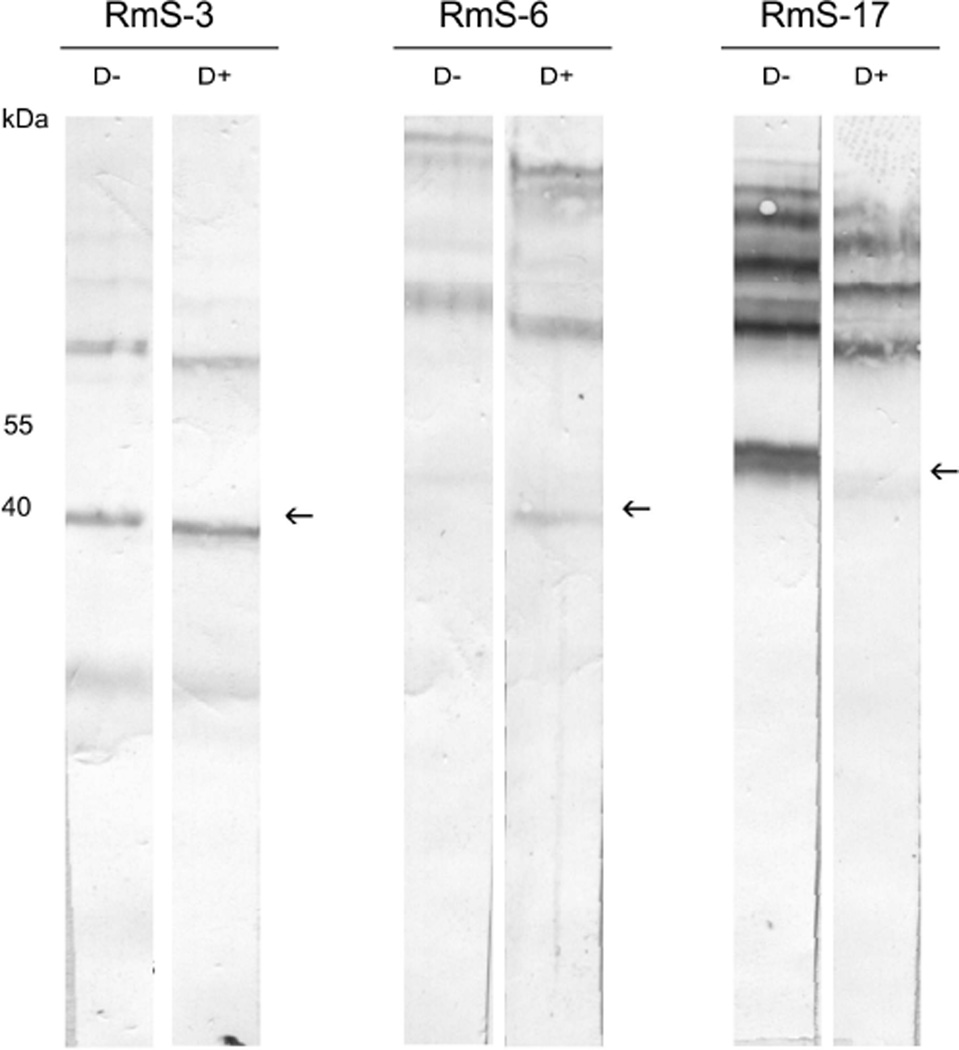
Inflammation and hemostasis are part of the host's first line of defense to tick feeding. These systems are in part serine protease mediated and are tightly controlled by their endogenous inhibitors, in the serpin superfamily (serine protease inhibitors). From this perspective ticks are thought to use serpins to evade host defenses during feeding. The cattle tick Rhipicephalus microplus encodes at least 24 serpins, of which RmS-3, RmS-6, and RmS-17 were previously identified in saliva of this tick. In this study, we screened inhibitor functions of these three saliva serpins against a panel of 16 proteases across the mammalian defense pathway. Our data confirm that Pichia pastoris-expressed rRmS-3, rRmS-6, and rRmS-17 are likely inhibitors of pro-inflammatory and pro-coagulant proteases. We show that rRmS-3 inhibited chymotrypsin and cathepsin G with stoichiometry of inhibition (SI) indices of 1.8 and 2.0, and pancreatic elastase with SI higher than 10. Likewise, rRmS-6 inhibited trypsin with SI of 2.6, chymotrypsin, factor Xa, factor XIa, and plasmin with SI higher than 10, while rRmS-17 inhibited trypsin, cathepsin G, chymotrypsin, plasmin, and factor XIa with SI of 1.6, 2.6, 2.7, 3.4, and 9.0, respectively. Additionally, we observed the formation of irreversible complexes between rRmS-3 and chymotrypsin, rRmS-6/rRmS-17 and trypsin, and rRmS-3/rRmS-17 and cathepsin G, which is consistent with typical mechanism of inhibitory serpins. In blood clotting assays, rRmS-17 delayed plasma clotting by 60 s in recalcification time assay, while rRmS-3 and rRmS-6 did not have any effect. Consistent with inhibitor function profiling data, 2.0 μM rRmS-3 and rRmS-17 inhibited cathepsin G-activated platelet aggregation in a dose-responsive manner by up to 96% and 95% respectively. Of significant interest, polyclonal antibodies blocked inhibitory functions of the three serpins. Also notable, antibodies to Amblyomma americanum, Ixodes scapularis, and Rhipicephalus sanguineus tick saliva proteins cross-reacted with the three R. microplus saliva serpins, suggesting the potential of these proteins as candidates for universal anti-tick vaccines.
炎症和止血是宿主抵御蜱虫叮咬的第一道防线的一部分。这些系统部分由丝氨酸蛋白酶介导,并受到丝氨酸蛋白酶抑制剂超家族(serpin超家族)内源性抑制剂的严格控制。从这个角度来看,蜱虫被认为在进食过程中利用丝氨酸蛋白酶抑制剂来逃避宿主防御。微小牛蜱(Rhipicephalus microplus)编码至少24种丝氨酸蛋白酶抑制剂,其中RmS - 3、RmS - 6和RmS - 17先前已在该蜱虫的唾液中被鉴定出来。在本研究中,我们针对哺乳动物防御途径中的16种蛋白酶筛选了这三种唾液丝氨酸蛋白酶抑制剂的功能。我们的数据证实,毕赤酵母表达的rRmS - 3、rRmS - 6和rRmS - 17可能是促炎和促凝血蛋白酶的抑制剂。我们发现rRmS - 3抑制胰凝乳蛋白酶和组织蛋白酶G的抑制化学计量比(SI)指数分别为1.8和2.0,抑制胰腺弹性蛋白酶的SI高于10。同样,rRmS - 6抑制胰蛋白酶的SI为2.6,抑制胰凝乳蛋白酶、因子Xa、因子XIa和纤溶酶的SI高于10,而rRmS - 17抑制胰蛋白酶、组织蛋白酶G、胰凝乳蛋白酶、纤溶酶和因子XIa的SI分别为1.6、2.6、2.7、3.4和9.0。此外,我们观察到rRmS - 3与胰凝乳蛋白酶、rRmS - 6/rRmS - 17与胰蛋白酶、rRmS - 3/rRmS - 17与组织蛋白酶G之间形成了不可逆复合物,这与抑制性丝氨酸蛋白酶抑制剂的典型机制一致。在凝血试验中,rRmS - 17在重新钙化时间试验中使血浆凝血延迟了60秒,而rRmS - 3和rRmS - 6没有任何影响。与抑制剂功能谱数据一致,2.0 μM的rRmS - 3和rRmS - 17分别以剂量响应方式抑制组织蛋白酶G激活的血小板聚集,最高可达96%和95%。值得关注的是,多克隆抗体阻断了这三种丝氨酸蛋白酶抑制剂的抑制功能。同样值得注意的是,美洲钝眼蜱(Amblyomma americanum)、肩突硬蜱(Ixodes scapularis)和血红扇头蜱(Rhipicephalus sanguineus)唾液蛋白的抗体与三种微小牛蜱唾液丝氨酸蛋白酶抑制剂发生交叉反应,表明这些蛋白作为通用抗蜱疫苗候选物的潜力。