Lachman Margie E
Brandeis University.
Res Hum Dev. 2015;12(3-4):327-334. doi: 10.1080/15427609.2015.1068048. Epub 2015 Aug 27.
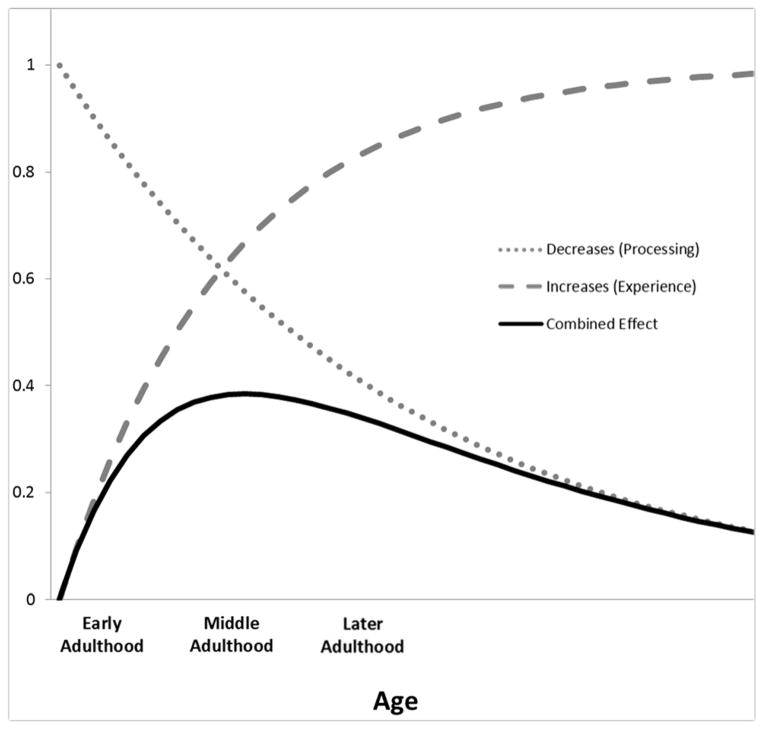
Although the study of midlife has increased somewhat over the last decade, middle- aged adults are often omitted from research on adult development and aging. Possible reasons for the lack of attention to middle age are considered and recommendations for ways to increase research on midlife are suggested to generate new knowledge and to dispel the myths. Findings related to the happiness curve and the midlife crisis are discussed in the context of addressing misconceptions. A model of midlife as a pivotal period in the life course at the intersection of growth and decline is presented. Closing the research gap in the middle of the life course will help to further our understanding of this understudied age period. The findings can inform interventions to promote well-being among the middle-aged with concomitant benefits for the welfare of those younger and older who depend on them.
尽管在过去十年中,对中年的研究有所增加,但中年成年人在成人发展与衰老研究中常常被忽视。文中探讨了对中年缺乏关注的可能原因,并提出了增加中年研究的方法建议,以产生新知识并消除误解。在解决误解的背景下,讨论了与幸福曲线和中年危机相关的研究结果。提出了一个将中年视为生命历程中成长与衰退交叉点的关键时期的模型。弥合生命历程中间阶段的研究差距,将有助于加深我们对这个研究不足的年龄段的理解。这些研究结果可为促进中年人的幸福感的干预措施提供参考,同时也有利于那些依赖他们的年轻人和老年人的福祉。