Xu Gang, Huang Jian, Yang Yong, Yao Yin-an
Research Institute of Forest Resources and Environment, Guizhou University, Guiyang, Guizhou, P. R. China.
Institute of Entomology, Guizhou University, Guiyang, Guizhou, P. R. China.
PLoS One. 2016 Feb 5;11(2):e0145613. doi: 10.1371/journal.pone.0145613. eCollection 2016.
Jatropha curcas is thought to be a promising biofuel material, but its yield is restricted by a low ratio of instaminate/staminate flowers (1/10-1/30). Furthermore, valuable information about flower sex differentiation in this plant is scarce. To explore the mechanism of this process in J. curcas, transcriptome profiling of flower development was carried out, and certain genes related with sex differentiation were obtained through digital gene expression analysis of flower buds from different phases of floral development.
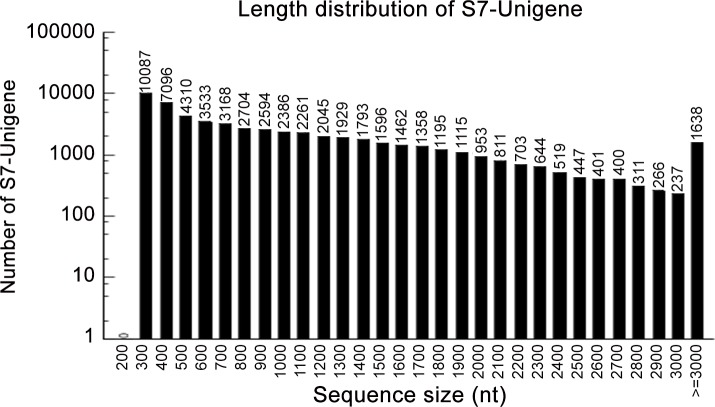
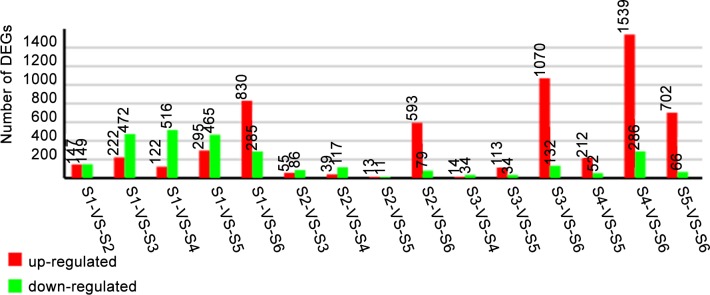
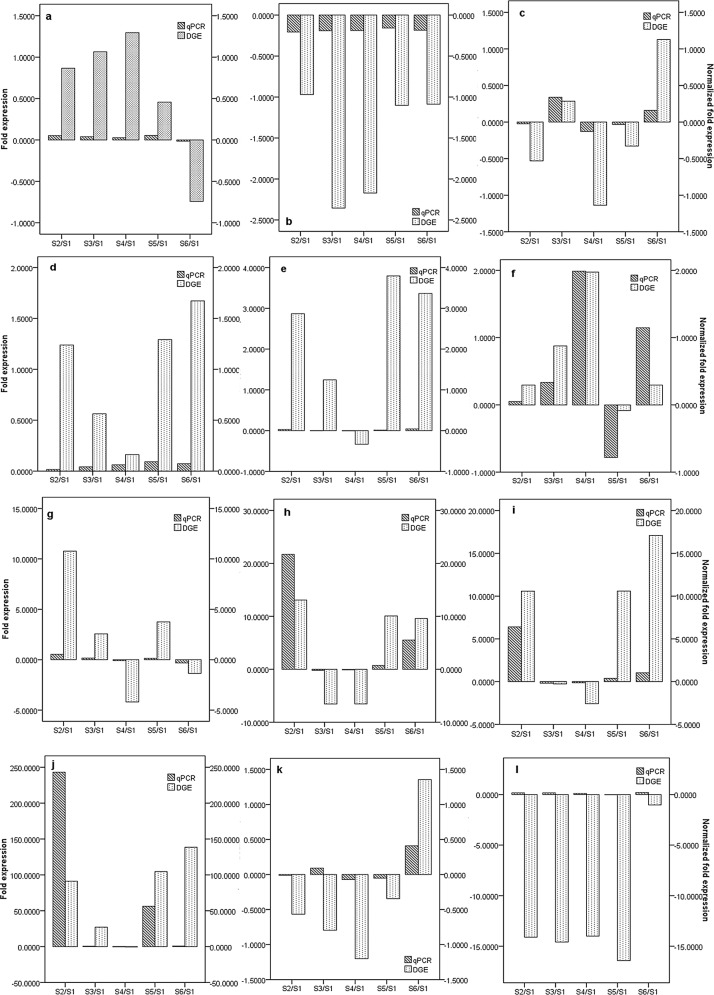
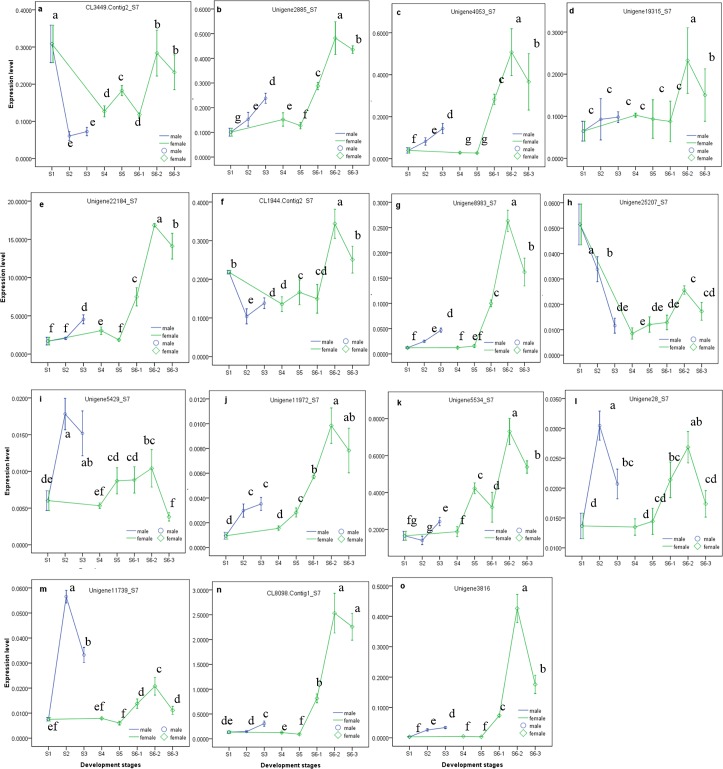
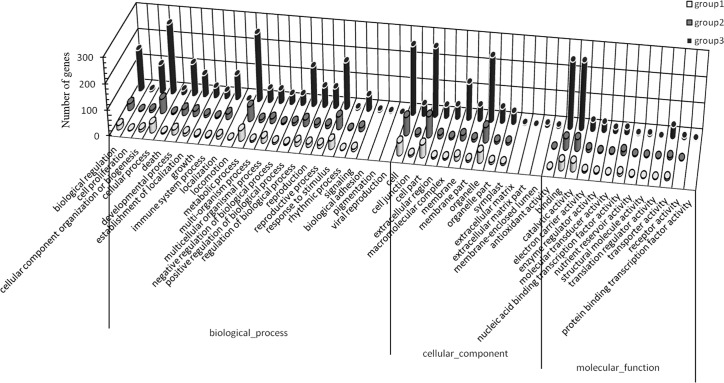
After Illumina sequencing and clustering, 57,962 unigenes were identified. A total of 47,423 unigenes were annotated, with 85 being related to carpel and stamen differentiation, 126 involved in carpel and stamen development, and 592 functioning in the later development stage for the maturation of staminate or instaminate flowers. Annotation of these genes provided comprehensive information regarding the sex differentiation of flowers, including the signaling system, hormone biosynthesis and regulation, transcription regulation and ubiquitin-mediated proteolysis. A further expression pattern analysis of 15 sex-related genes using quantitative real-time PCR revealed that gibberellin-regulated protein 4-like protein and AMP-activated protein kinase are associated with stamen differentiation, whereas auxin response factor 6-like protein, AGAMOUS-like 20 protein, CLAVATA1, RING-H2 finger protein ATL3J, auxin-induced protein 22D, and r2r3-myb transcription factor contribute to embryo sac development in the instaminate flower. Cytokinin oxidase, Unigene28, auxin repressed-like protein ARP1, gibberellin receptor protein GID1 and auxin-induced protein X10A are involved in both stages mentioned above. In addition to its function in the differentiation and development of the stamens, the gibberellin signaling pathway also functions in embryo sac development for the instaminate flower. The auxin signaling pathway also participates in both stamen development and embryo sac development.
Our transcriptome data provide a comprehensive gene expression profile for flower sex differentiation in Jatropha curcas, as well as new clues and information for further study in this field.
麻疯树被认为是一种很有前景的生物燃料原料,但其产量受到雌花/雄花比例低(1/10 - 1/30)的限制。此外,关于这种植物花性别分化的有价值信息很少。为了探究麻疯树这一过程的机制,对花发育进行了转录组分析,并通过对花发育不同阶段花芽的数字基因表达分析获得了一些与性别分化相关的基因。
经过Illumina测序和聚类,鉴定出57,962个单基因。总共47,423个单基因得到注释,其中85个与心皮和雄蕊分化相关,126个参与心皮和雄蕊发育,592个在雄花或雌花成熟的后期发育阶段起作用。这些基因的注释提供了关于花性别分化的全面信息,包括信号系统、激素生物合成与调控、转录调控和泛素介导的蛋白水解。使用定量实时PCR对15个性别相关基因进行的进一步表达模式分析表明,赤霉素调节蛋白4样蛋白和AMP激活蛋白激酶与雄蕊分化相关,而生长素响应因子6样蛋白、AGAMOUS样20蛋白、CLAVATA1、RING - H2指蛋白ATL3J、生长素诱导蛋白22D和r2r3 - myb转录因子有助于雌花中胚囊的发育。细胞分裂素氧化酶、Unigene28、生长素抑制样蛋白ARP1、赤霉素受体蛋白GID1和生长素诱导蛋白X10A参与上述两个阶段。除了在雄蕊的分化和发育中起作用外,赤霉素信号通路在雌花的胚囊发育中也起作用。生长素信号通路也参与雄蕊发育和胚囊发育。
我们的转录组数据为麻疯树花性别分化提供了全面的基因表达谱,也为该领域的进一步研究提供了新的线索和信息。