Verma Rakesh, Venkatareddy Madhusudan, Kalinowski Anne, Patel Sanjeevkumar R, Garg Puneet
Division of Nephroloigy, Department of Internal Medicine, University of Michigan School of Medicine, Ann Arbor, Michigan, United States of America.
PLoS One. 2016 Feb 5;11(2):e0148906. doi: 10.1371/journal.pone.0148906. eCollection 2016.
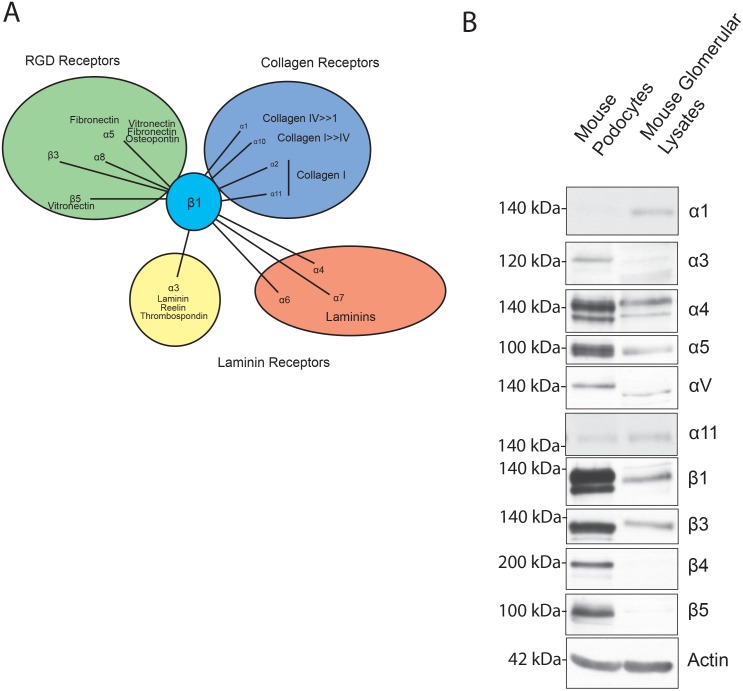
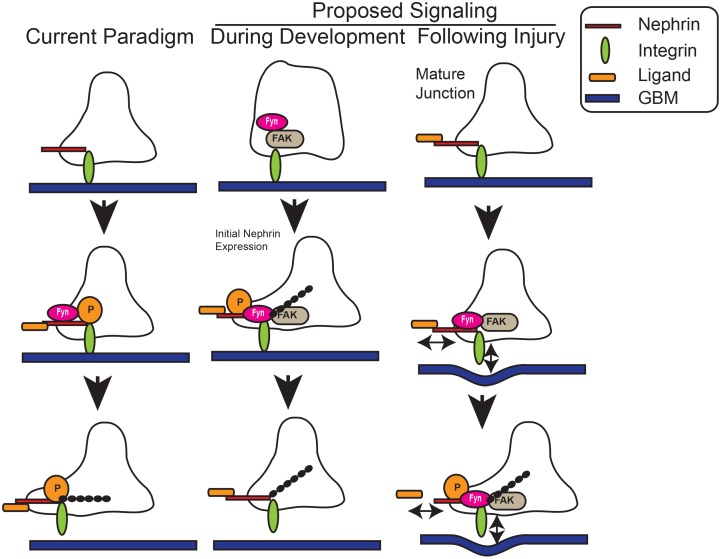
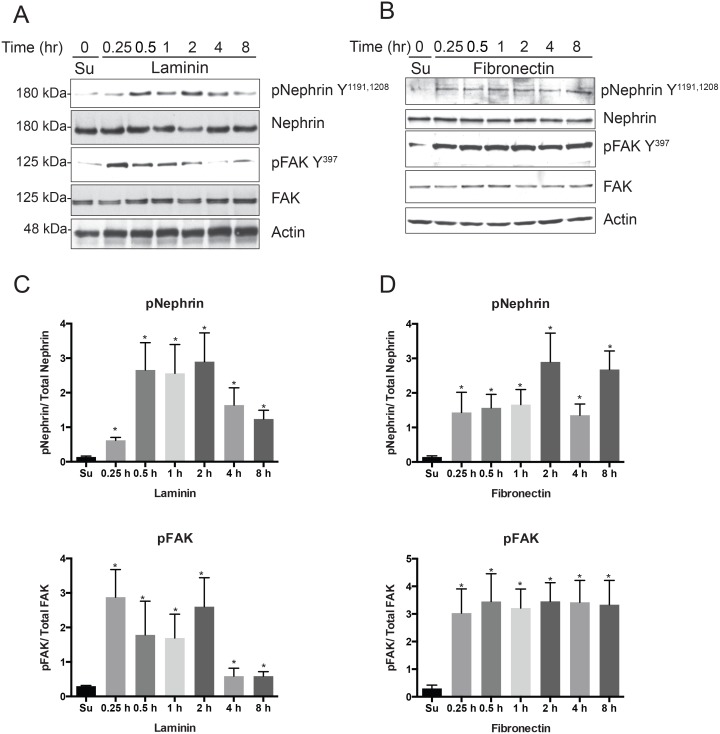
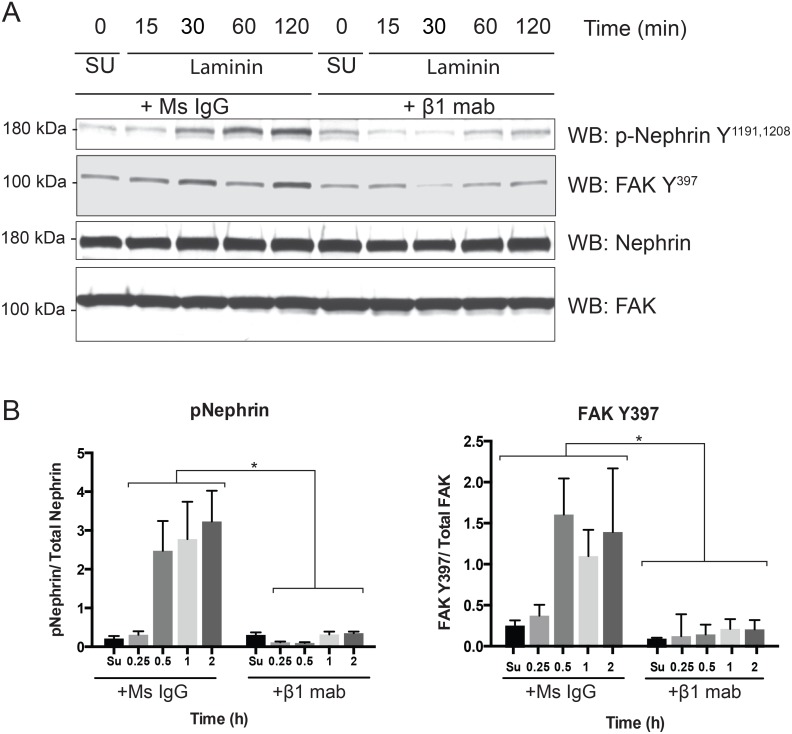
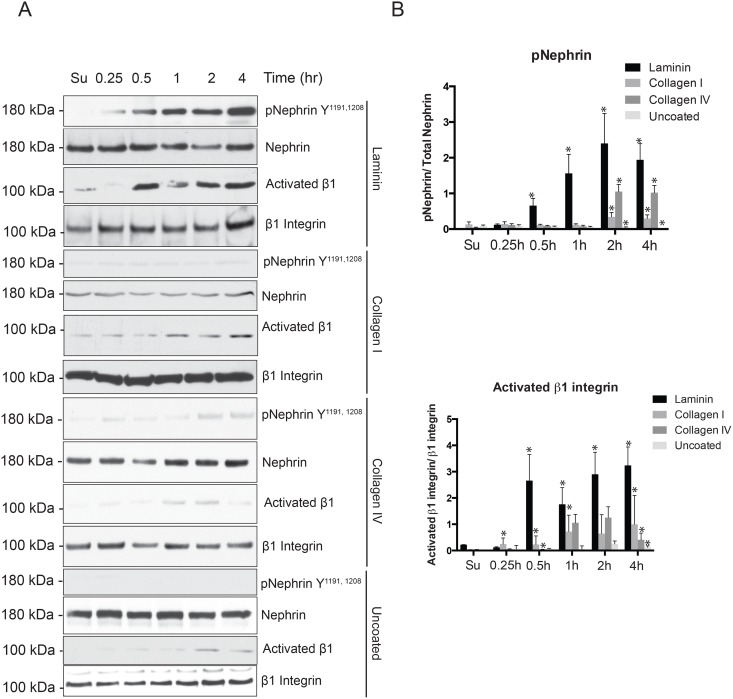
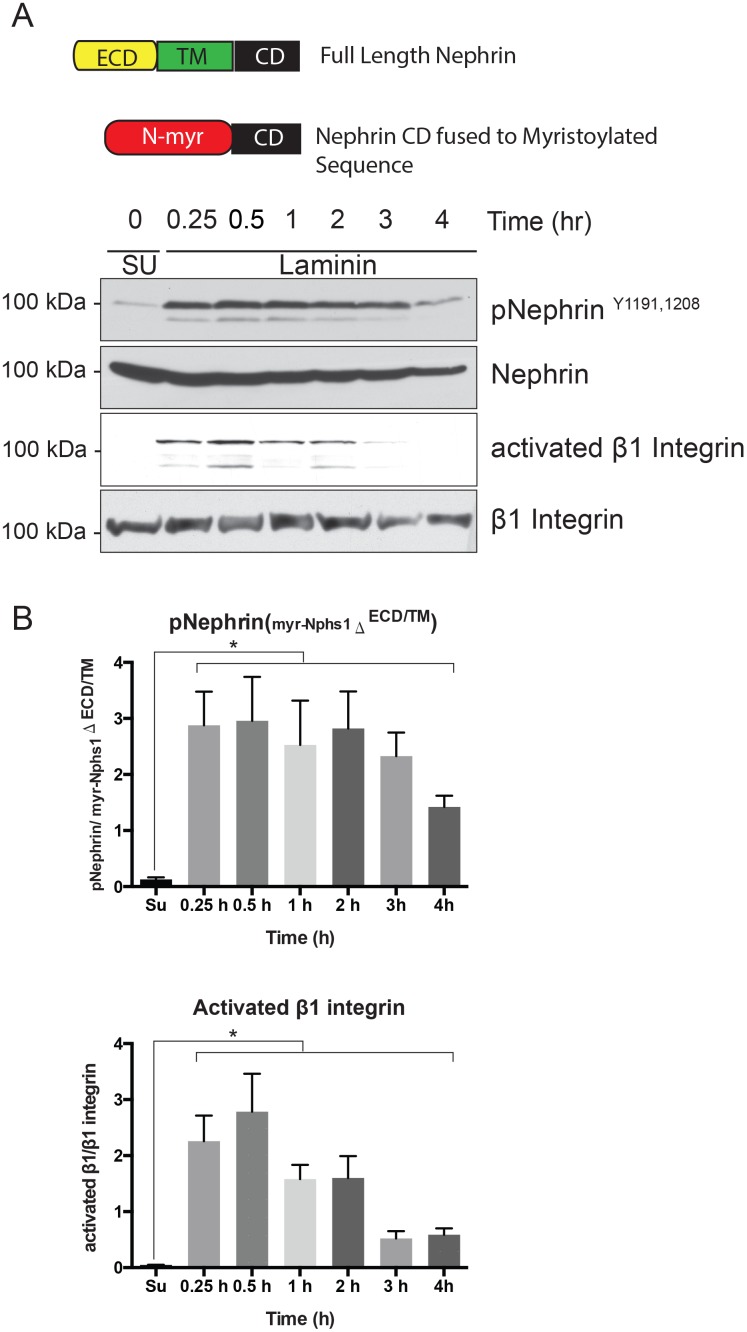
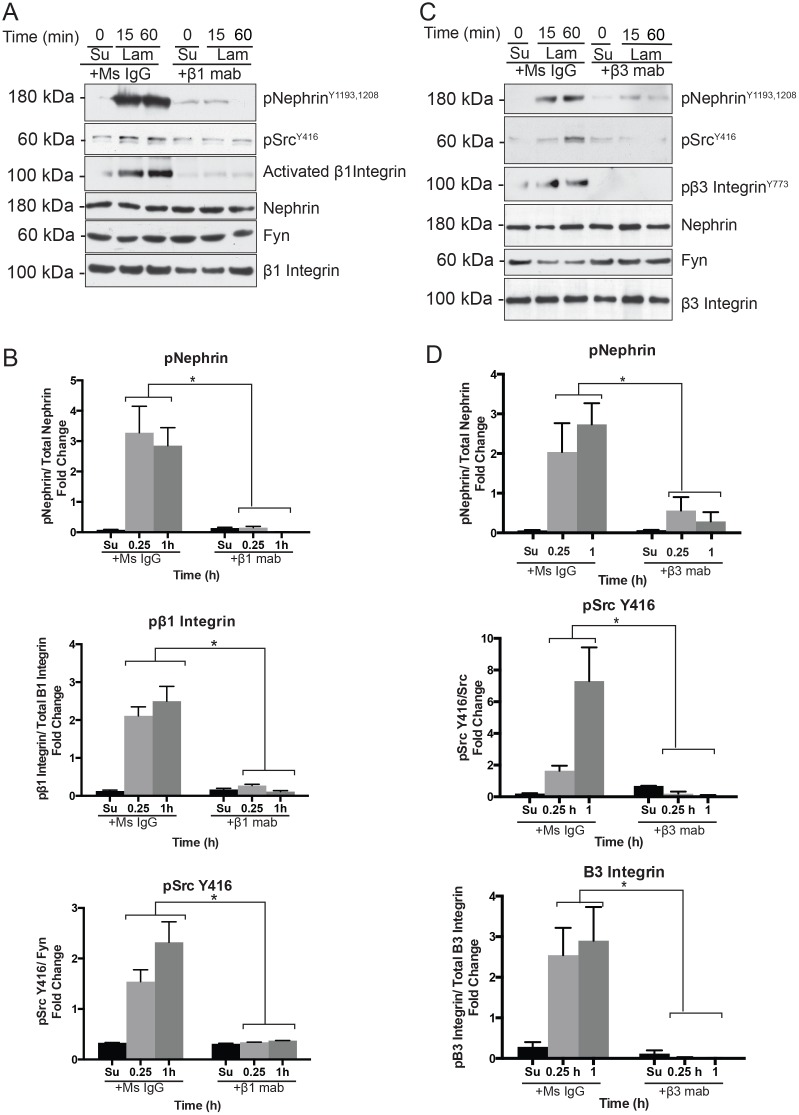
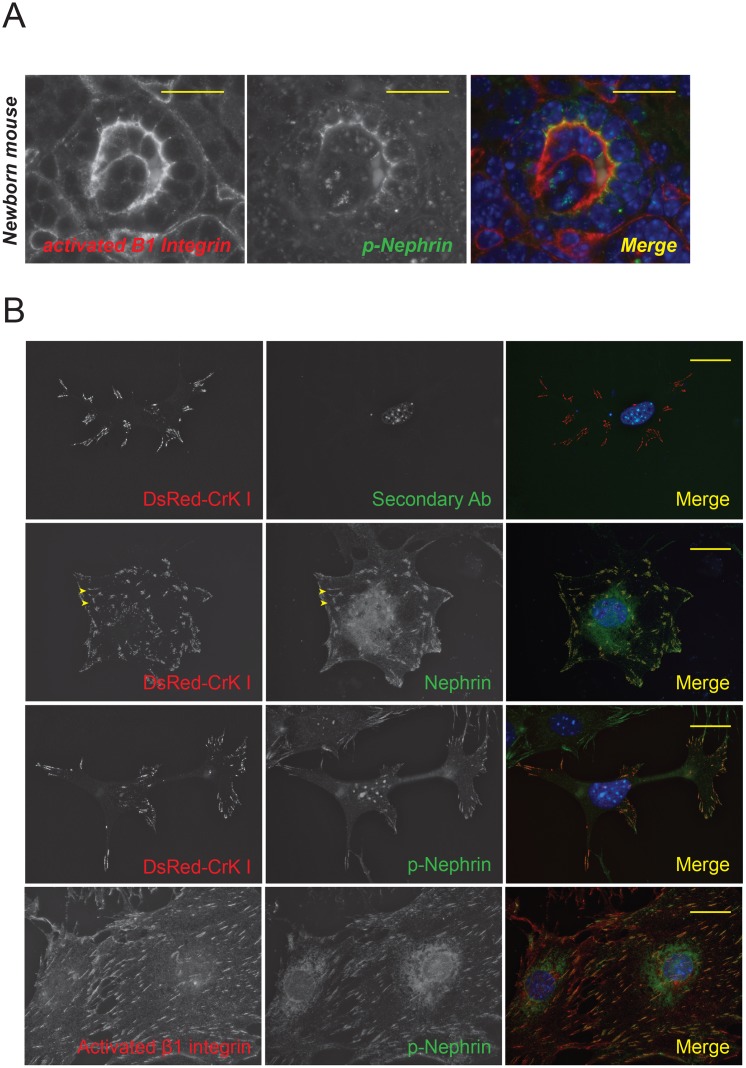
Nephrin is expressed at the basolateral aspect of podocytes and is an important signaling protein at the glomerular slit diaphragm. In vitro studies have demonstrated that Nephrin phosphorylation-dependent signaling is able to assemble a protein complex that is able to polymerize actin. However, proximal signaling events that result in nephrin tyrosine phosphorylation are not well understood. Nephrin deletion in mice and human nephrin mutations result in developmental failure of the podocyte intercellular junction resutling in proteinuria. This has been presumed to be due to a failure to respond to an external polarized cue in the absence of nephrin or a failure to transduce an outside-in signal in patients with nephrin mutations. The nephrin extracellular domain binds to itself or neph1 across the foot process intercellular junction. Nephrin is tyrosine phosphorylation-silent in healthy glomeruli when presumably the nephrin extracellular domain is in an engaged state. These observations raise the possibility of an alternate proximal signaling mechanism that might be responsible for nephrin tyrosine phosphorylation. Here we present data showing that integrin engagement at the basal aspect of cultured podocytes results in nephrin tyrosine phosphorylation. This is abrogated by incubating podocytes with an antibody that prevents integrin β1 ligation and activation in response to binding to extracellular matrix. Furthermore, nephrin tyrosine phosphorylation was observed in podocytes expressing a membrane-targeted nephrin construct that lacks the extracellular domain. We propose, integrin-activation based signaling might be responsible for nephrin phosphorylation rather than engagment of the nephrin extracellular domain by a ligand.
Nephrin表达于足细胞的基底外侧,是肾小球裂孔隔膜处一种重要的信号蛋白。体外研究表明,Nephrin磷酸化依赖性信号能够组装一个能使肌动蛋白聚合的蛋白复合物。然而,导致Nephrin酪氨酸磷酸化的近端信号事件尚未完全明确。小鼠中的Nephrin缺失以及人类Nephrin突变会导致足细胞细胞间连接发育失败,进而导致蛋白尿。据推测,这是由于在缺乏Nephrin时无法对外部极化信号作出反应,或者Nephrin突变患者无法转导由外向内的信号。Nephrin细胞外结构域通过足突细胞间连接与自身或Neph1结合。在健康肾小球中,当Nephrin细胞外结构域处于结合状态时,Nephrin酪氨酸磷酸化处于沉默状态。这些观察结果提示了一种可能导致Nephrin酪氨酸磷酸化的替代性近端信号机制。在此,我们展示的数据表明,培养的足细胞基底处的整合素结合会导致Nephrin酪氨酸磷酸化。用一种抗体孵育足细胞可消除这种磷酸化,该抗体可防止整合素β1因与细胞外基质结合而发生连接和激活。此外,在表达缺乏细胞外结构域的膜靶向Nephrin构建体的足细胞中也观察到了Nephrin酪氨酸磷酸化。我们提出,基于整合素激活的信号可能是Nephrin磷酸化的原因,而非配体对Nephrin细胞外结构域的结合。