Department of Biophysics and Howard Hughes Medical Institute, University of Texas Southwestern Medical Center, Dallas, Texas 75390, USA; email:
Annu Rev Biophys. 2019 May 6;48:465-494. doi: 10.1146/annurev-biophys-052118-115534. Epub 2019 Apr 5.
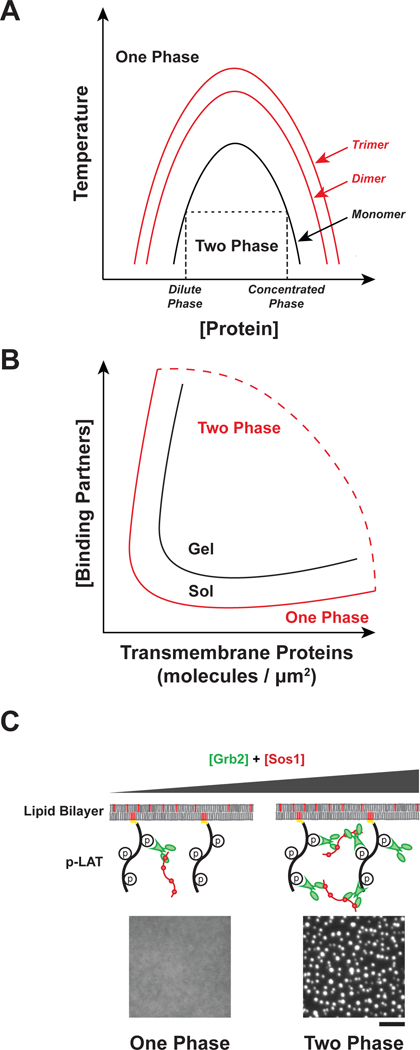
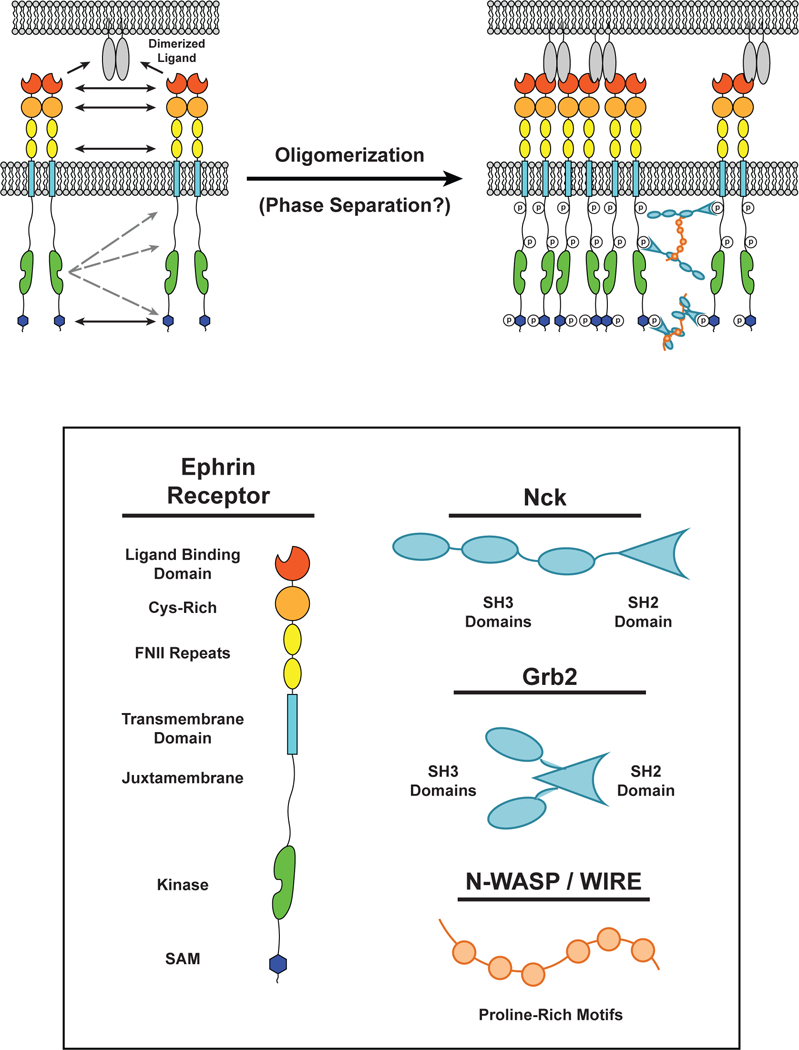
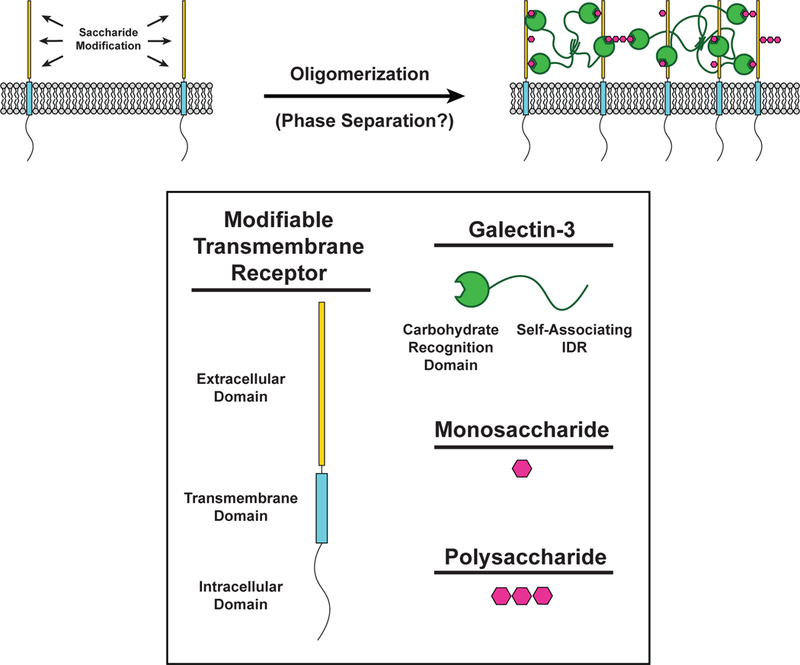
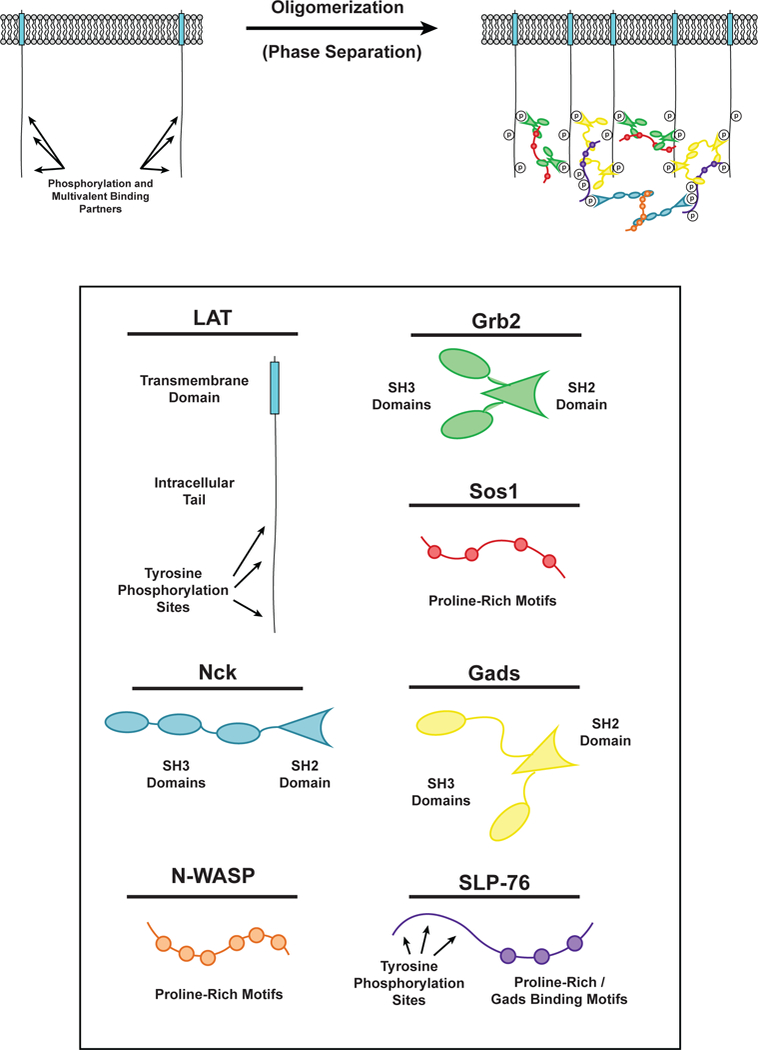
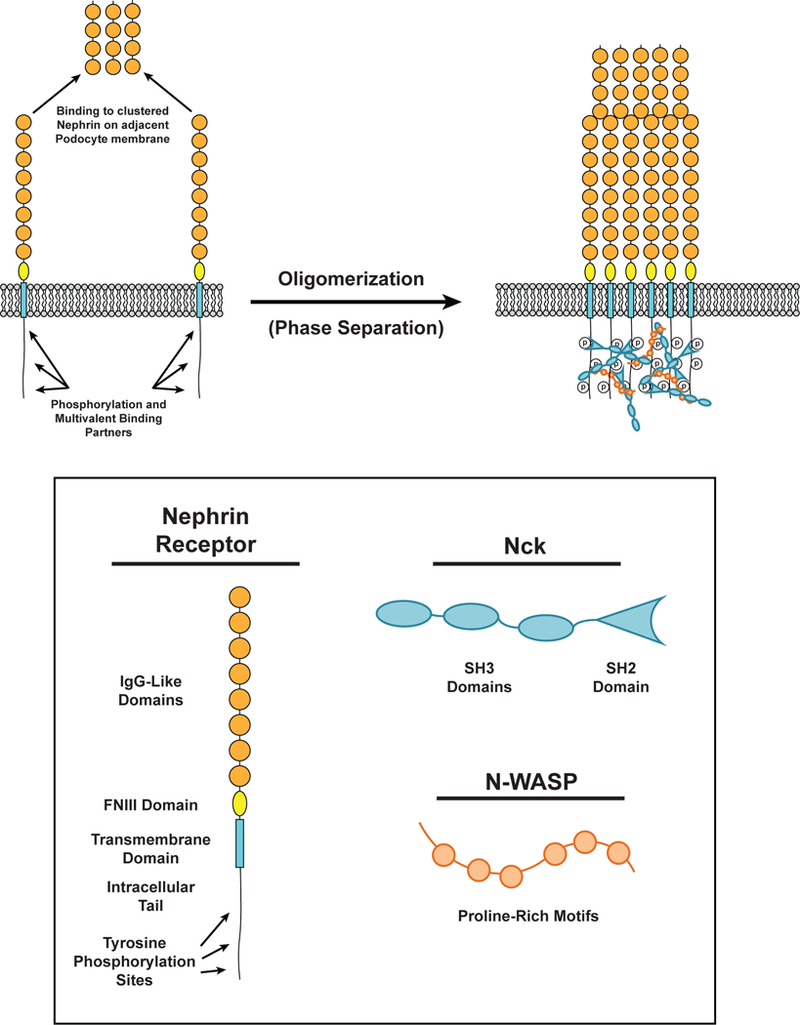
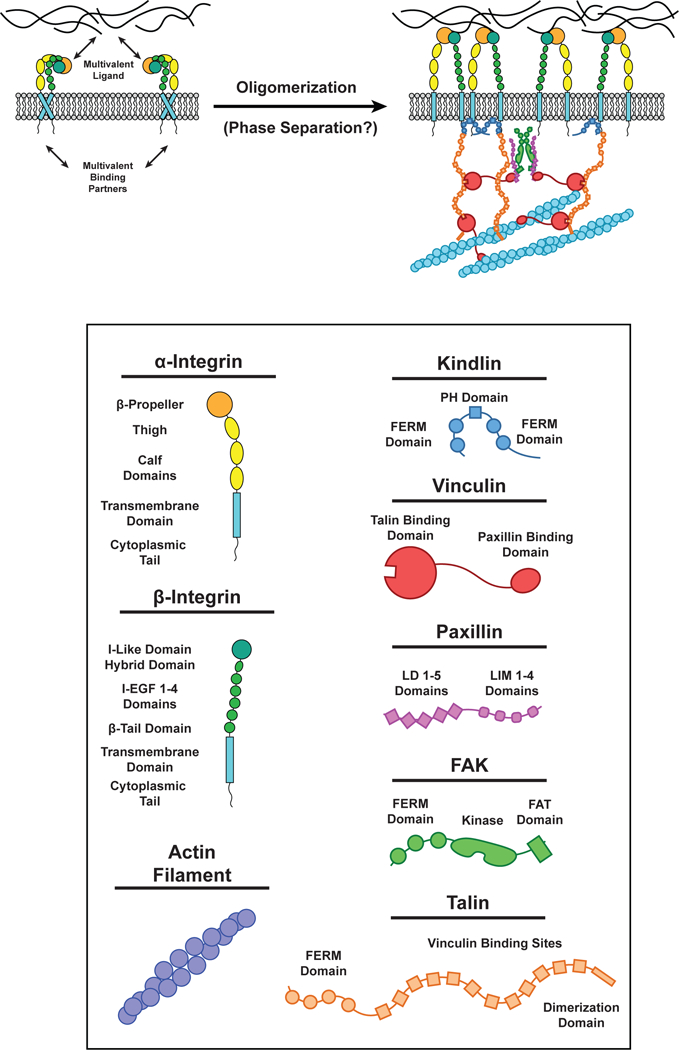
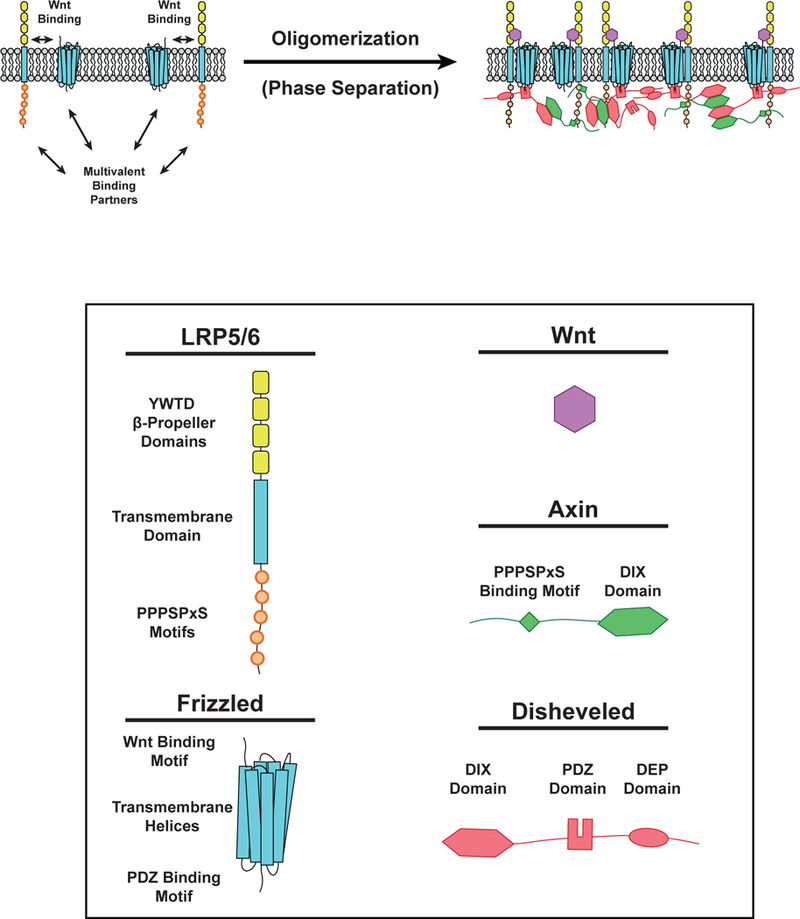
Cell surface transmembrane receptors often form nanometer- to micrometer-scale clusters to initiate signal transduction in response to environmental cues. Extracellular ligand oligomerization, domain-domain interactions, and binding to multivalent proteins all contribute to cluster formation. Here we review the current understanding of mechanisms driving cluster formation in a series of representative receptor systems: glycosylated receptors, immune receptors, cell adhesion receptors, Wnt receptors, and receptor tyrosine kinases. We suggest that these clusters share properties of systems that undergo liquid-liquid phase separation and could be investigated in this light.
细胞膜表面跨膜受体通常形成纳米到微米尺度的簇,以响应环境信号启动信号转导。细胞外配体寡聚化、结构域-结构域相互作用以及与多价蛋白的结合都有助于簇的形成。在这里,我们综述了一系列代表性受体系统中驱动簇形成的机制的现有认识:糖基化受体、免疫受体、细胞黏附受体、Wnt 受体和受体酪氨酸激酶。我们认为,这些簇具有经历液-液相分离的系统的特性,可以从这个角度进行研究。