Caturegli Giorgio, Caturegli Patrizio
Yale University, New Haven, CT, USA.
Department of Pathology, School of Medicine, The Johns Hopkins University, Baltimore, MD, USA.
Auto Immun Highlights. 2016 Dec;7(1):3. doi: 10.1007/s13317-016-0076-z. Epub 2016 Feb 10.
The hygiene hypothesis, formulated to explain the increased incidence of allergic and autoimmune diseases observed in industrialized countries, remains controversial. We reflected upon this hypothesis during a medical mission to rural and impoverished villages of central Peru.
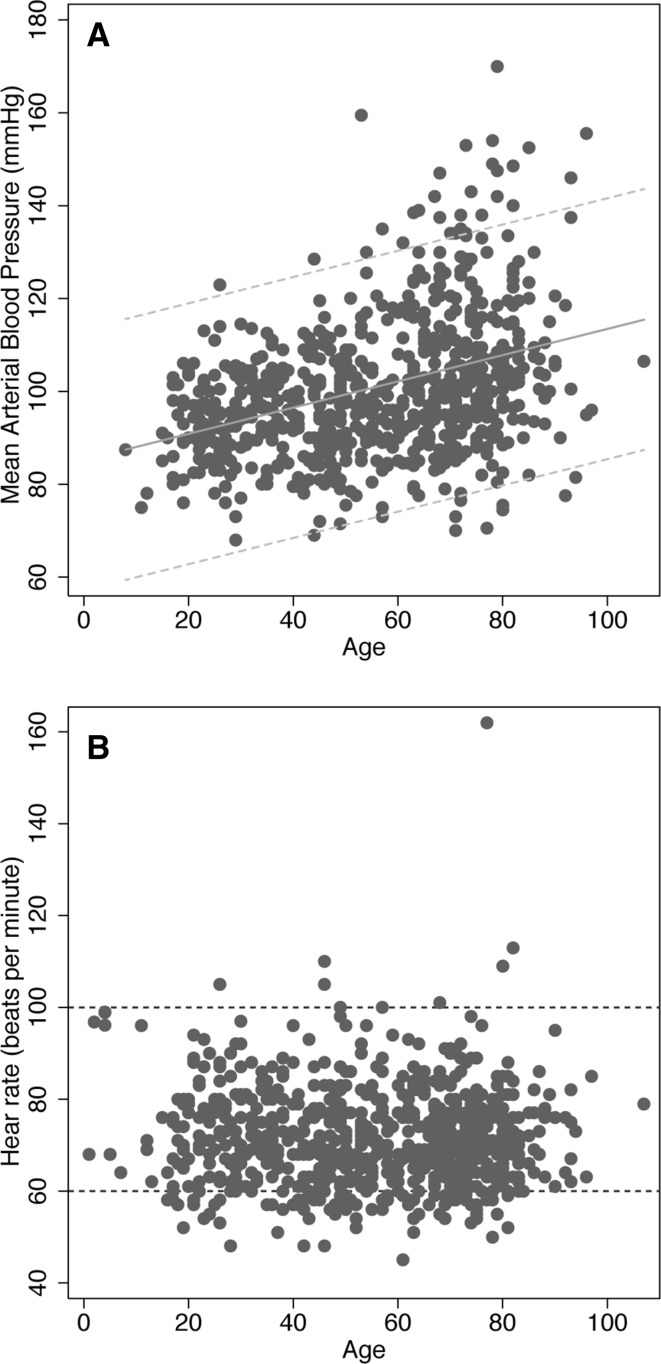
The mission was carried out in July 2015 to aid three Andean villages located near Cusco, and comprised 10 American physicians, 4 nurses, and 24 students. After recording the vital signs, patients were triaged by nurses based on the major complaint, visited by physicians, and prescribed medications. Physicians wrote their notes on a one-page form and established diagnoses purely on clinical grounds, without laboratory or imaging testing. Physician notes were then analyzed retrospectively in a de-identified and double-blinded fashion.
A total of 1075 patients (357 men and 718 women) were visited during 5 consecutive clinic days, 840 being adults and 235 <18 years of age. The most common complaints were back pain, stomach pain, headache, and vision loss. Osteoarthritis, gastritis, visual disturbances, and parasitic infections dominated the diagnostic categories. Thirty-seven patients (3 %) were diagnosed with an allergic or autoimmune disease, mainly represented by asthma, rheumatoid arthritis, and Hashimoto's thyroiditis, a prevalence that was not significantly lower than that reported in industrialized countries.
Although a study of this nature cannot definitively support or refute the hygiene hypothesis, it does provide a novel snapshot of disease prevalence in rural Andean villages of central Peru. The study could serve as a basis to implement basic public health interventions and prepare for future missions to the same or comparable regions.
为解释在工业化国家中观察到的过敏性和自身免疫性疾病发病率上升现象而提出的卫生假说,仍然存在争议。我们在前往秘鲁中部农村贫困村庄的医疗任务中对这一假说进行了思考。
该任务于2015年7月开展,旨在援助位于库斯科附近的三个安第斯村庄,由10名美国医生、4名护士和24名学生组成。记录生命体征后,护士根据主要症状对患者进行分诊,医生进行问诊并开药。医生在一页表格上记录笔记,完全基于临床症状进行诊断,不进行实验室或影像学检查。然后以去识别化和双盲的方式对医生的笔记进行回顾性分析。
在连续5个门诊日共诊治了1075名患者(357名男性和718名女性),其中840名是成年人,235名年龄小于18岁。最常见的症状是背痛、胃痛、头痛和视力丧失。骨关节炎、胃炎、视觉障碍和寄生虫感染在诊断类别中占主导地位。37名患者(3%)被诊断患有过敏性或自身免疫性疾病,主要表现为哮喘、类风湿性关节炎和桥本甲状腺炎,其患病率并不显著低于工业化国家报告的患病率。
尽管这类研究不能明确支持或反驳卫生假说,但它确实提供了秘鲁中部安第斯农村村庄疾病患病率的新情况。该研究可作为实施基本公共卫生干预措施以及为未来前往同一或类似地区的任务做准备的基础。