
一种用于肥胖干预和公共卫生的在线工具。
An online tool for obesity intervention and public health.
作者信息
Su Jason G
机构信息
Environmental Health Sciences, School of Public Health, University of California at Berkeley, Berkeley, CA, 94720-7360, USA.
出版信息
BMC Public Health. 2016 Feb 10;16:136. doi: 10.1186/s12889-016-2797-3.
BACKGROUND
Though the United States of America (U.S.A.) obesity rate shows signs of leveling off, rates remain high. Poor nutrition contributes to the development of obesity, and physical inactivity is an important cause of numerous diseases and directly linked to obesity. Efforts to improve diet, increase physical activity and pursue other behavioral changes seem imperative. However, the effective management of intervention strategies for large number of participants are challenging because services in primary, secondary, and tertiary cares are often under-resourced, relatively uncoordinated with other parts of the health system. It is thus necessary to have accompanying intervention strategies that can be carried out at population level. In this paper, we describe an online intervention tool designed for the Obesity Prevention Tailored for Health II project to help achieve such goals.
RESULTS
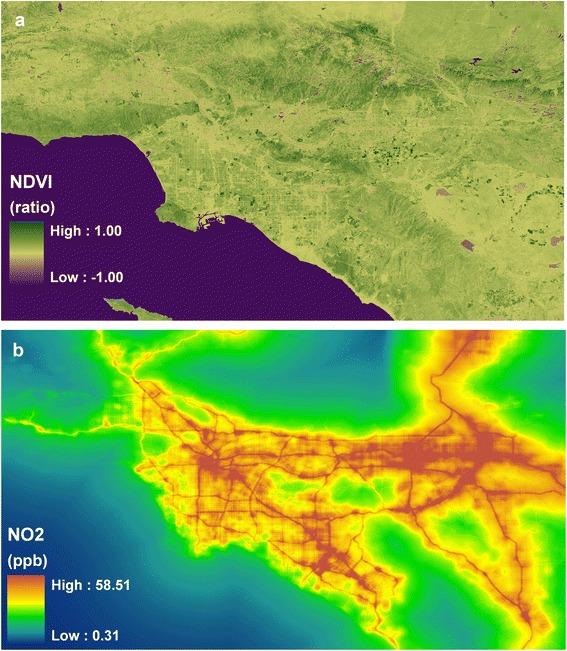
The first part of the online tool locates healthy food stores and recreational programs within a specified distance of a participant's home or a place of interest. The food environments include fruit & vegetable stores, farmers' markets and grocery stores, and the companying popup window shows the street address and contact information of each store. The parks and recreational programs are displayed on names of park or recreational program, types of program available, and city each amenity belongs to. The tool also provides spatial coverage of vegetation greenness, air pollution and of historical traffic accidents involving active travel. The second part of the tool provides optimized travel options for reaching various amenities. By incorporating bicycling, walking and public transit into the trip planner, this online tool helps increase active transport and reduce dependence on automobiles. It promotes transportation that encourages safety awareness, physical activity, health, recreation, and resource conservation.
CONCLUSIONS
We developed the first Google-based online intervention tool that assists obese and overweight participants in finding food and recreational amenities around locations of interest and identifying optimized routes that fit their personal preferences. This tool can also serve general public and policy makers for education, disease prevention and health promotion.
背景
尽管美国的肥胖率显示出趋于平稳的迹象,但仍处于高位。营养不良会导致肥胖的发生,而缺乏体育活动是众多疾病的重要原因,且与肥胖直接相关。努力改善饮食、增加体育活动并推动其他行为改变似乎势在必行。然而,对大量参与者的干预策略进行有效管理具有挑战性,因为初级、二级和三级医疗服务往往资源不足,与卫生系统的其他部分相对缺乏协调。因此,有必要制定可在人群层面实施的配套干预策略。在本文中,我们描述了一种为“健康II肥胖预防定制项目”设计的在线干预工具,以帮助实现这些目标。
结果
在线工具的第一部分可在参与者的家或感兴趣的地点的指定距离内定位健康食品店和娱乐项目。食品环境包括果蔬店、农贸市场和杂货店,弹出窗口会显示每家店的街道地址和联系信息。公园和娱乐项目按公园或娱乐项目名称、可用项目类型以及每个设施所属城市进行展示。该工具还提供植被绿化、空气污染以及涉及主动出行的历史交通事故的空间覆盖信息。工具的第二部分为前往各种设施提供优化的出行选择。通过将骑自行车、步行和公共交通纳入行程规划器,这个在线工具有助于增加主动出行并减少对汽车的依赖。它促进了鼓励安全意识、体育活动、健康、娱乐和资源节约的交通方式。
结论
我们开发了首个基于谷歌的在线干预工具,该工具可协助肥胖和超重参与者在感兴趣的地点周围找到食品和娱乐设施,并确定符合其个人偏好的优化路线。这个工具还可为公众和政策制定者提供教育、疾病预防和健康促进服务。


 Zotero 插件