Guo Shengrong, Lv Li, Shen Yuanyuan, Hu Zhongliang, He Qianjun, Chen Xiaoyuan
School of Pharmacy, Shanghai Jiao Tong University, Shanghai 200240, China.
School of Chemical and Process Engineering, University of Leeds, Leeds LS3 9BD, UK.
Sci Rep. 2016 Feb 15;6:21459. doi: 10.1038/srep21459.
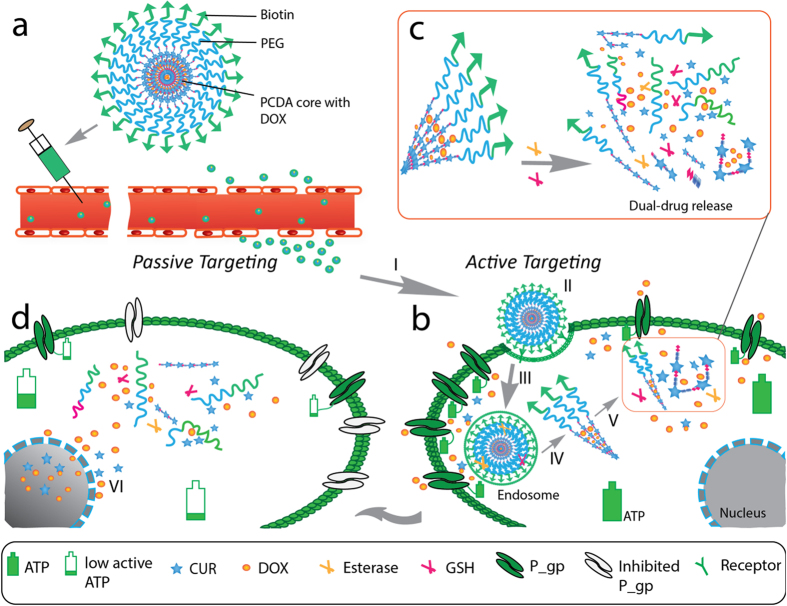
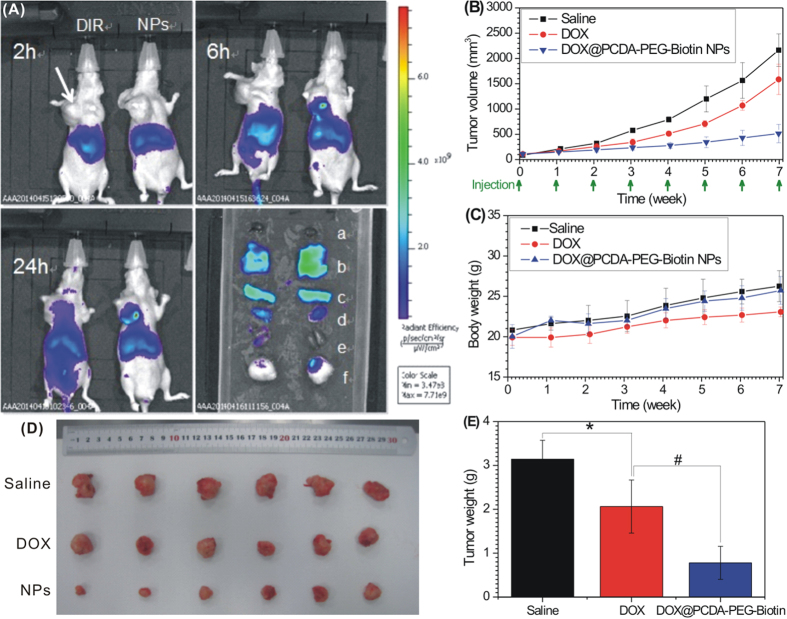
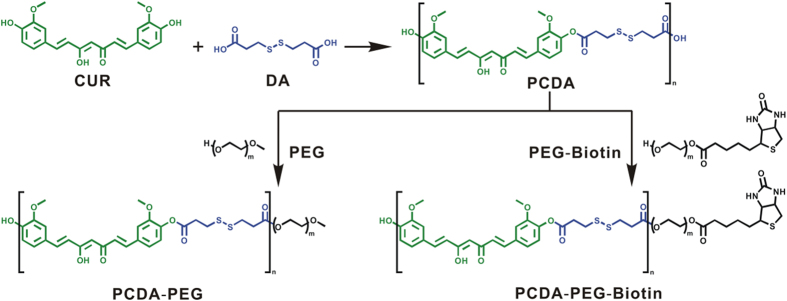
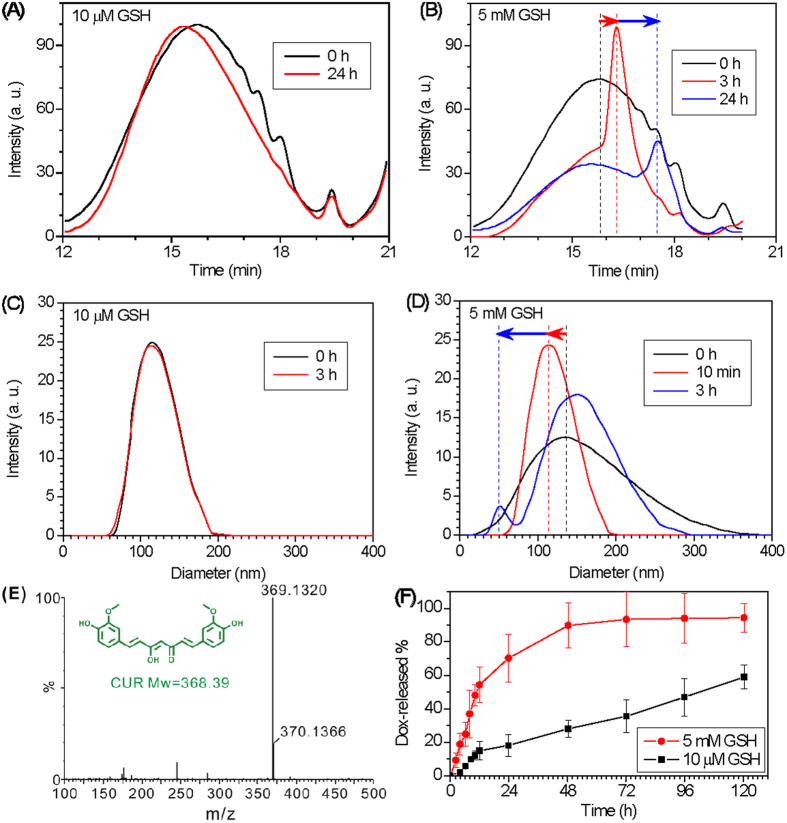
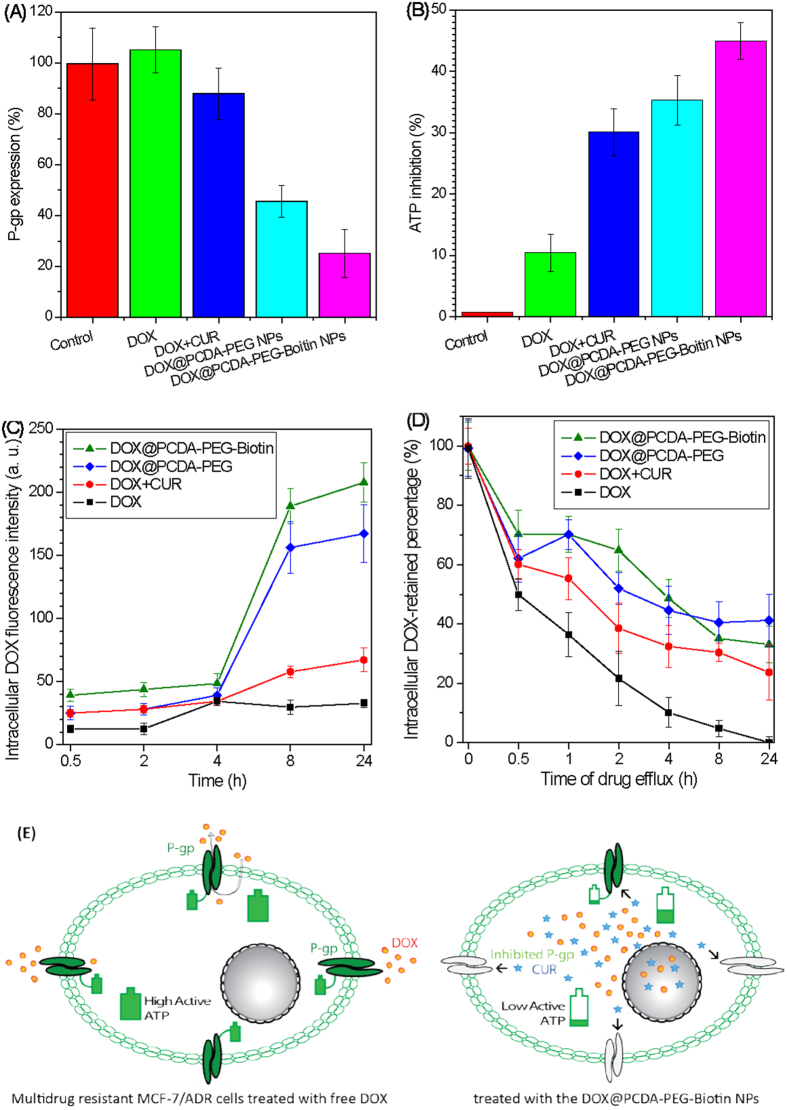
Small-molecule chemosensitizers can reverse cancer multidrug resistance (MDR), thus significantly improving the in vitro effect of chemotherapy drugs for MDR cancer cells, however, their in vivo effects are not always very good, because they are difficult to effectively accumulate in tumor and enter the same cancer with chemotherapy drugs after systemic administration due to individual biopharmaceutical properties. To overcome these limitations, here we study a novel nanoparticular pre-chemosensitizer which can be also used as nanocarrier of chemotherapy drugs. We take an 'all in one' approach to develop a self-assembled nanoparticle formula of amphiphilic poly(curcumin-dithiodipropionic acid)-b-poly(ethylene glycol)-biotin. The nanoparticle is capable of tumor-targeted delivery, responsive degradation at the intracellular level of glutathione and subsequent intracellular co-release of the chemosensitizer curcumin and the encapsulated chemotherapeutic drug doxorubicin to maximize a synergistic effect of chemosensitization and chemotherapy. We demonstrate that the antitumor efficacy of nanoparticle is much superior to that of doxorubicin in the multidrug resistant MCF-7/ADR xenografted nude mice.
小分子化学增敏剂可以逆转癌症多药耐药性(MDR),从而显著提高化疗药物对MDR癌细胞的体外作用,然而,它们的体内效果并不总是很好,因为由于个体生物药剂学性质,全身给药后它们很难有效地在肿瘤中蓄积并与化疗药物进入同一癌细胞。为了克服这些局限性,我们在此研究一种新型纳米颗粒前化学增敏剂,其也可作为化疗药物的纳米载体。我们采用“一体化”方法开发了一种两亲性聚(姜黄素-二硫代二丙酸)-b-聚(乙二醇)-生物素的自组装纳米颗粒配方。该纳米颗粒能够进行肿瘤靶向递送,在细胞内谷胱甘肽水平响应性降解,并随后在细胞内共同释放化学增敏剂姜黄素和包封的化疗药物阿霉素,以最大化化学增敏和化疗的协同作用。我们证明,在多药耐药的MCF-7/ADR异种移植裸鼠中,纳米颗粒的抗肿瘤功效远优于阿霉素。