Division of Pharmacology and Pharmaceutical Sciences, School of Pharmacy, University of Missouri-Kansas City, 2464 Charlotte Street, Kansas City, MO 64108, USA.
Department of Biomedical Engineering, College of Engineering, The University of Texas at El Paso, 500 W University Ave, El Paso, TX 79968, USA.
Int J Mol Sci. 2021 Apr 28;22(9):4673. doi: 10.3390/ijms22094673.
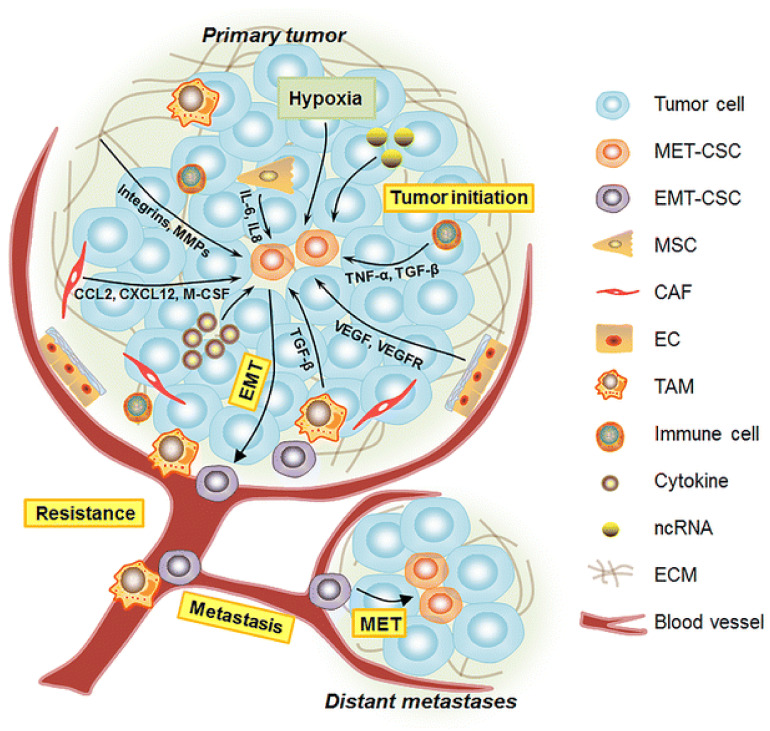
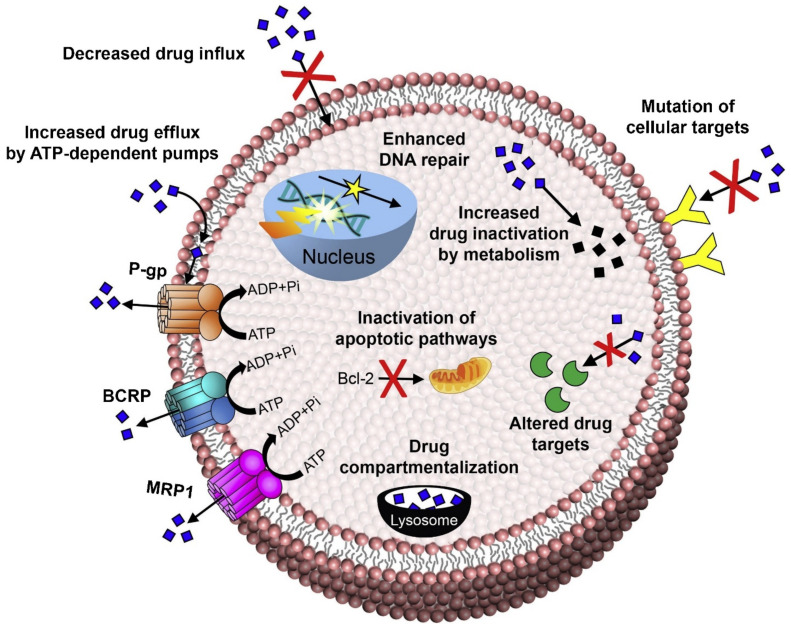
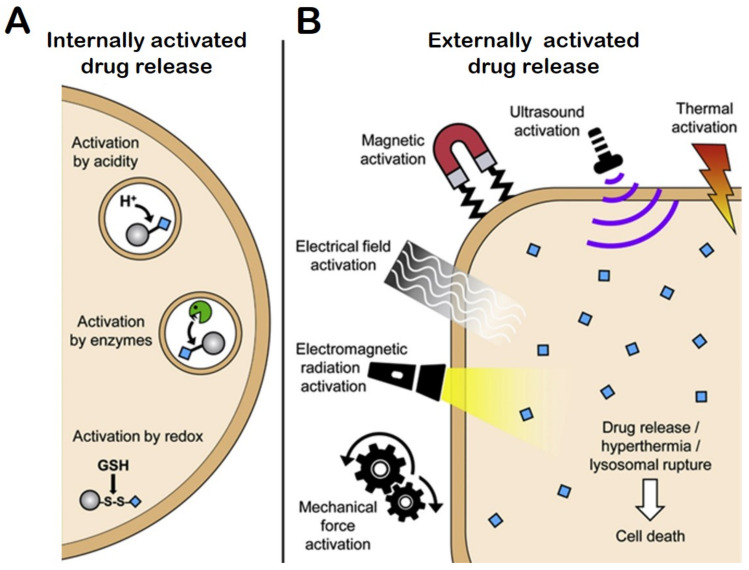
Breast cancer, specifically metastatic breast, is a leading cause of morbidity and mortality in women. This is mainly due to relapse and reoccurrence of tumor. The primary reason for cancer relapse is the development of multidrug resistance (MDR) hampering the treatment and prognosis. MDR can occur due to a multitude of molecular events, including increased expression of efflux transporters such as P-gp, BCRP, or MRP1; epithelial to mesenchymal transition; and resistance development in breast cancer stem cells. Excessive dose dumping in chemotherapy can cause intrinsic anti-cancer MDR to appear prior to chemotherapy and after the treatment. Hence, novel targeted nanomedicines encapsulating chemotherapeutics and gene therapy products may assist to overcome cancer drug resistance. Targeted nanomedicines offer innovative strategies to overcome the limitations of conventional chemotherapy while permitting enhanced selectivity to cancer cells. Targeted nanotheranostics permit targeted drug release, precise breast cancer diagnosis, and importantly, the ability to overcome MDR. The article discusses various nanomedicines designed to selectively target breast cancer, triple negative breast cancer, and breast cancer stem cells. In addition, the review discusses recent approaches, including combination nanoparticles (NPs), theranostic NPs, and stimuli sensitive or "smart" NPs. Recent innovations in microRNA NPs and personalized medicine NPs are also discussed. Future perspective research for complex targeted and multi-stage responsive nanomedicines for metastatic breast cancer is discussed.
乳腺癌,特别是转移性乳腺癌,是女性发病率和死亡率的主要原因。这主要是由于肿瘤的复发和再发。癌症复发的主要原因是多药耐药(MDR)的发展,这阻碍了治疗和预后。MDR 可能由于多种分子事件的发生而出现,包括增加外排转运蛋白如 P-糖蛋白、BCRP 或 MRP1 的表达、上皮细胞向间充质转化以及乳腺癌干细胞的耐药性发展。化疗中过量的剂量倾倒会导致内在的抗癌 MDR 在化疗前和治疗后出现。因此,封装化疗药物和基因治疗产品的新型靶向纳米药物可能有助于克服癌症耐药性。靶向纳米药物提供了创新的策略来克服传统化疗的局限性,同时允许对癌细胞的增强选择性。靶向纳米治疗允许靶向药物释放、精确的乳腺癌诊断,重要的是,克服 MDR 的能力。本文讨论了各种设计用于选择性靶向乳腺癌、三阴性乳腺癌和乳腺癌干细胞的纳米药物。此外,还讨论了最近的方法,包括组合纳米颗粒(NPs)、治疗性 NPs 和刺激敏感或“智能”NPs。还讨论了 microRNA NPs 和个性化医学 NPs 的最新创新。讨论了用于转移性乳腺癌的复杂靶向和多阶段响应性纳米药物的未来展望研究。