Yu Yang, Elble Randolph C
Department of Nature Medicine, Tianjin Medical University School of Pharmacy, Tianjin 300070, China.
Department of Pharmacology, Southern Illinois University School of Medicine, Springfield, IL 62794, USA.
J Clin Med. 2016 Feb 18;5(2):26. doi: 10.3390/jcm5020026.
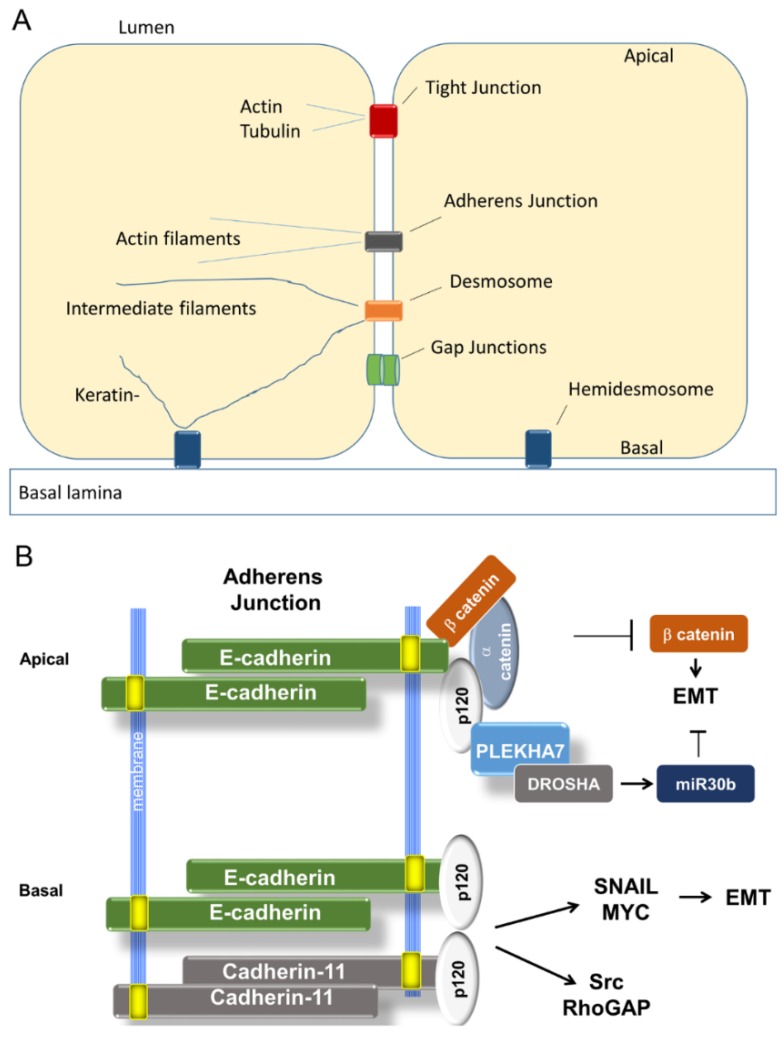
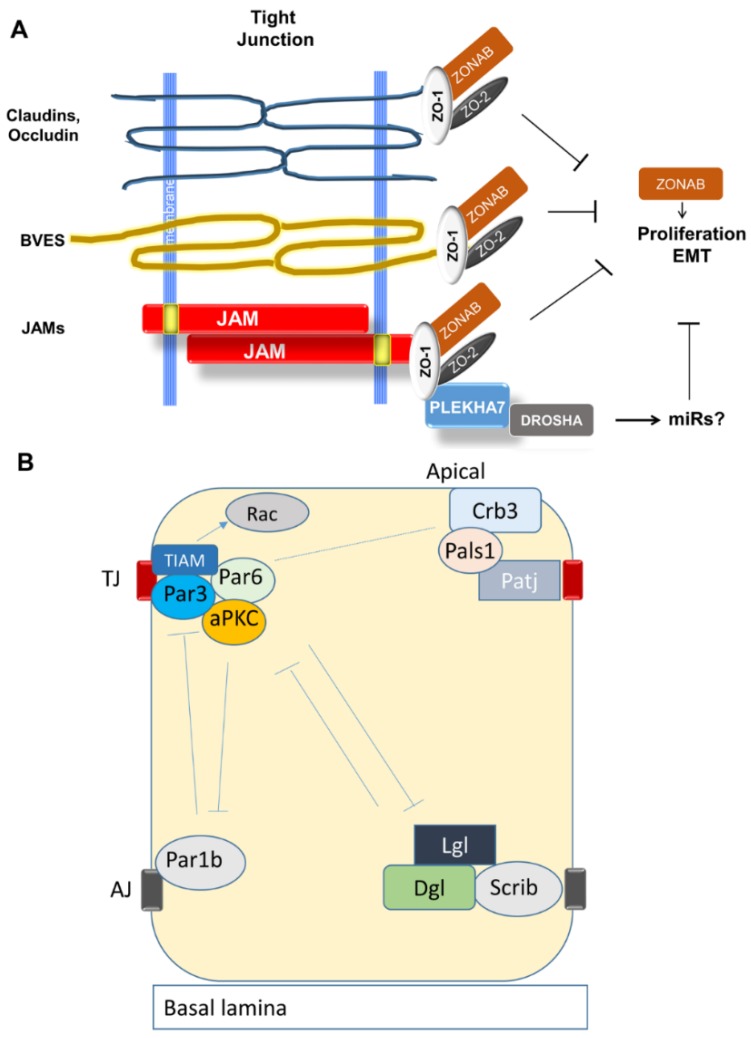
The transition of sessile epithelial cells to a migratory, mesenchymal phenotype is essential for metazoan development and tissue repair, but this program is exploited by tumor cells in order to escape the confines of the primary organ site, evade immunosurveillance, and resist chemo-radiation. In addition, epithelial-to-mesenchymal transition (EMT) confers stem-like properties that increase efficiency of colonization of distant organs. This review evaluates the role of cell-cell junctions in suppressing EMT and maintaining a quiescent epithelium. We discuss the conflicting data on junctional signaling in cancer and recent developments that resolve some of these conflicts. We focus on evidence from breast cancer, but include other organ sites where appropriate. Current and potential strategies for inhibition of EMT are discussed.
固着上皮细胞向迁移性间充质表型的转变对于后生动物发育和组织修复至关重要,但肿瘤细胞利用这一程序来逃离原发器官部位的限制,逃避免疫监视,并抵抗放化疗。此外,上皮-间充质转化(EMT)赋予细胞干细胞样特性,从而提高远处器官定植的效率。本综述评估了细胞间连接在抑制EMT和维持静止上皮中的作用。我们讨论了癌症中关于连接信号的相互矛盾的数据以及解决其中一些冲突的最新进展。我们重点关注来自乳腺癌的证据,但也酌情纳入了其他器官部位的证据。文中还讨论了抑制EMT的现有策略和潜在策略。