
恶性疟原虫PfSET7:一种新型蛋白质甲基转移酶在子孢子、肝脏和红细胞期疟原虫中的酶学特性及细胞定位
Plasmodium falciparum PfSET7: enzymatic characterization and cellular localization of a novel protein methyltransferase in sporozoite, liver and erythrocytic stage parasites.
作者信息
Chen Patty B, Ding Shuai, Zanghì Gigliola, Soulard Valérie, DiMaggio Peter A, Fuchter Matthew J, Mecheri Salah, Mazier Dominique, Scherf Artur, Malmquist Nicholas A
机构信息
Unité Biologie des Interactions Hôte-Parasite, Département de Parasites et Insectes Vecteurs, Institut Pasteur, Paris 75015, France.
CNRS, ERL 9195, Paris 75015, France.
出版信息
Sci Rep. 2016 Feb 23;6:21802. doi: 10.1038/srep21802.
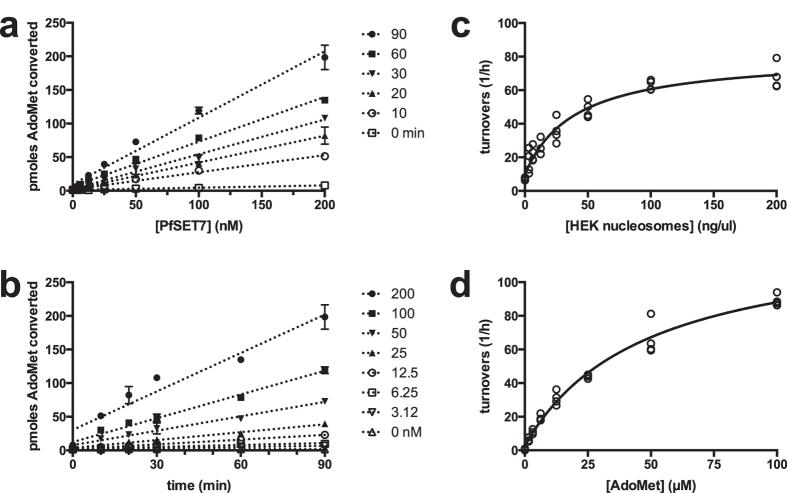
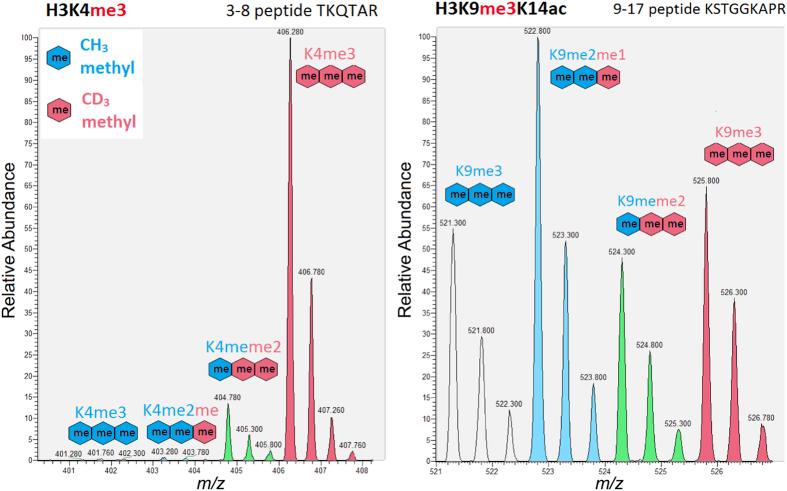
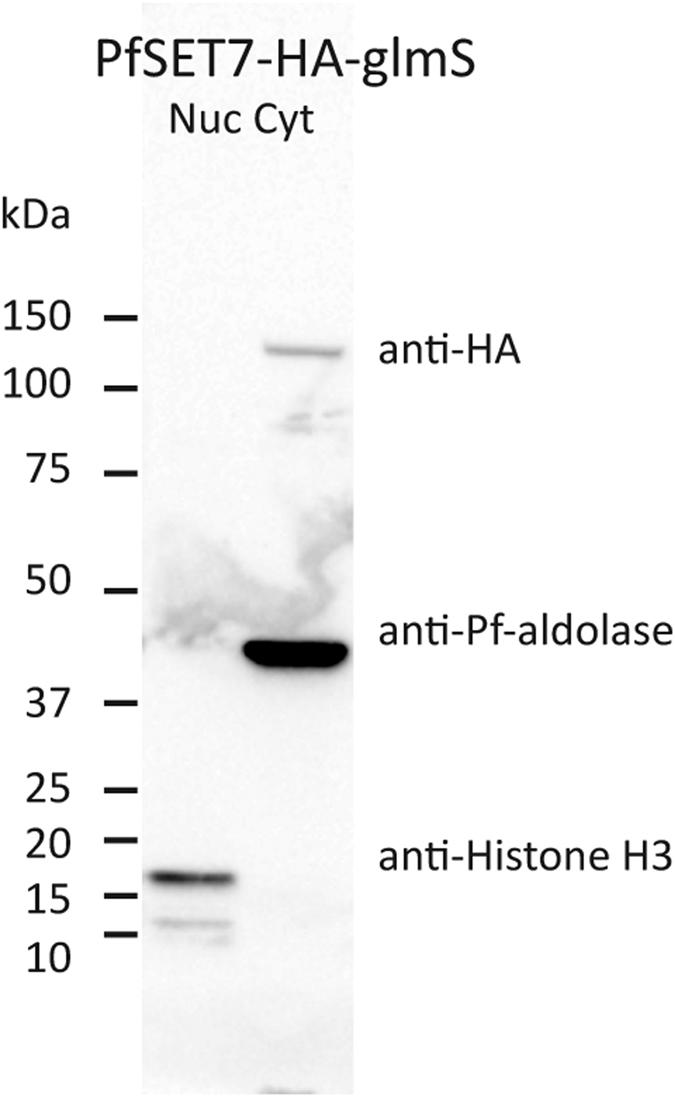
Epigenetic control via reversible histone methylation regulates transcriptional activation throughout the malaria parasite genome, controls the repression of multi-copy virulence gene families and determines sexual stage commitment. Plasmodium falciparum encodes ten predicted SET domain-containing protein methyltransferases, six of which have been shown to be refractory to knock-out in blood stage parasites. We have expressed and purified the first recombinant malaria methyltransferase in sufficient quantities to perform a full enzymatic characterization and reveal the ill-defined PfSET7 is an AdoMet-dependent histone H3 lysine methyltransferase with highest activity towards lysines 4 and 9. Steady-state kinetics of the PfSET7 enzyme are similar to previously characterized histone methyltransferase enzymes from other organisms, however, PfSET7 displays specific protein substrate preference towards nucleosomes with pre-existing histone H3 lysine 14 acetylation. Interestingly, PfSET7 localizes to distinct cytoplasmic foci adjacent to the nucleus in erythrocytic and liver stage parasites, and throughout the cytoplasm in salivary gland sporozoites. Characterized recombinant PfSET7 now allows for target based inhibitor discovery. Specific PfSET7 inhibitors can aid in further investigating the biological role of this specific methyltransferase in transmission, hepatic and blood stage parasites, and may ultimately lead to the development of suitable antimalarial drug candidates against this novel class of essential parasite enzymes.
通过可逆的组蛋白甲基化进行的表观遗传控制调节着疟原虫整个基因组的转录激活,控制多拷贝毒力基因家族的抑制,并决定有性阶段的进程。恶性疟原虫编码十种预测的含SET结构域的蛋白质甲基转移酶,其中六种已被证明在血液阶段的寄生虫中难以敲除。我们已经表达并纯化了足够数量的第一种重组疟疾甲基转移酶,以进行全面的酶学表征,并揭示定义不明确的PfSET7是一种依赖于腺苷甲硫氨酸的组蛋白H3赖氨酸甲基转移酶,对赖氨酸4和9具有最高活性。PfSET7酶的稳态动力学与先前表征的来自其他生物体的组蛋白甲基转移酶相似,然而,PfSET7对预先存在组蛋白H3赖氨酸14乙酰化的核小体表现出特定的蛋白质底物偏好。有趣的是,PfSET7定位于红细胞和肝脏阶段寄生虫中与细胞核相邻的不同细胞质病灶,以及唾液腺子孢子的整个细胞质中。经过表征的重组PfSET7现在可以用于基于靶点的抑制剂发现。特异性PfSET7抑制剂有助于进一步研究这种特定甲基转移酶在传播、肝脏和血液阶段寄生虫中的生物学作用,并最终可能导致开发针对这类新型必需寄生虫酶的合适抗疟药物候选物。




 Zotero 插件