Aliuos Pooyan, Schulze Jennifer, Schomaker Markus, Reuter Günter, Stolle Stefan R O, Werner Darja, Ripken Tammo, Lenarz Thomas, Warnecke Athanasia
Department of Otorhinolaryngology, Head and Neck Surgery, Hannover Medical School, Hannover, Germany.
Cluster of Excellence "Hearing4All", Hannover, Germany.
PLoS One. 2016 Feb 26;11(2):e0150057. doi: 10.1371/journal.pone.0150057. eCollection 2016.
Long-term drug delivery to the inner ear may be achieved by functionalizing cochlear implant (CI) electrodes with cells providing neuroprotective factors. However, effective strategies in order to coat implant surfaces with cells need to be developed. Our vision is to make benefit of electromagnetic field attracting forces generated by CI electrodes to bind BDNF-secreting cells that are labelled with magnetic beads (MB) onto the electrode surfaces. Thus, the effect of MB-labelling on cell viability and BDNF production were investigated.
Murine NIH 3T3 fibroblasts-genetically modified to produce BDNF-were labelled with MB.
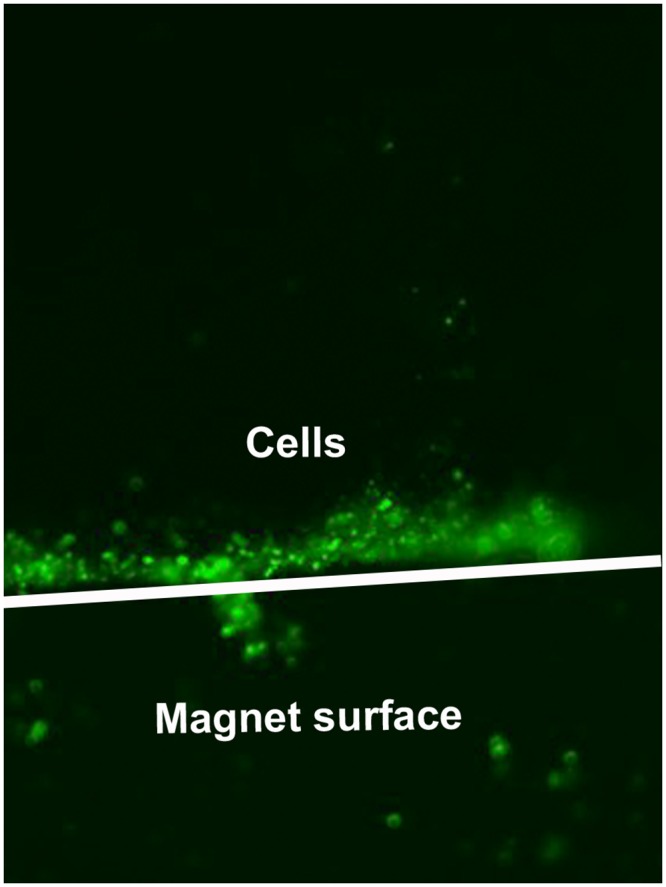
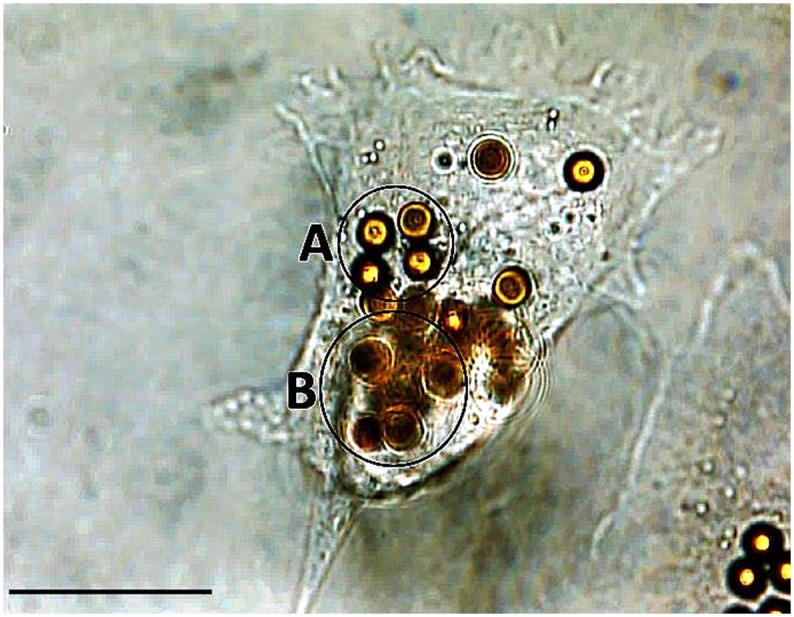
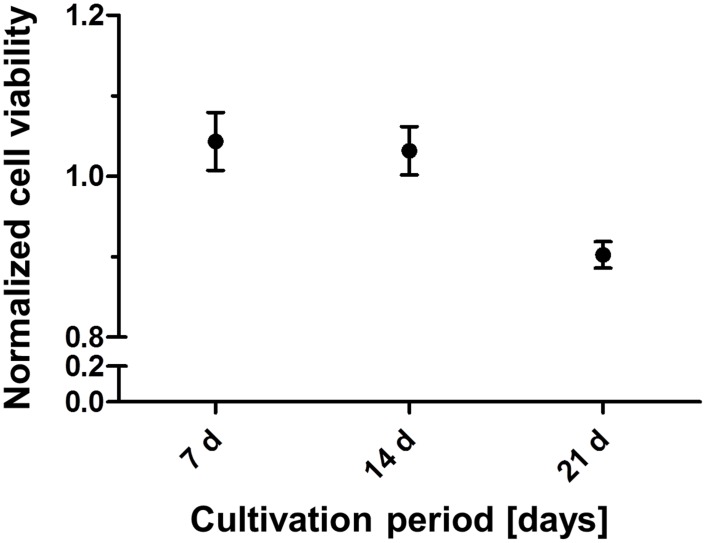
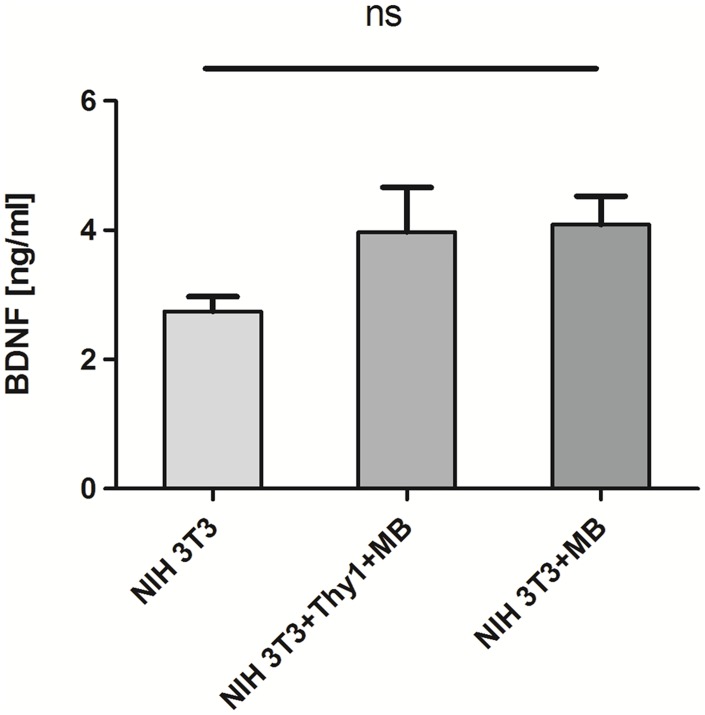
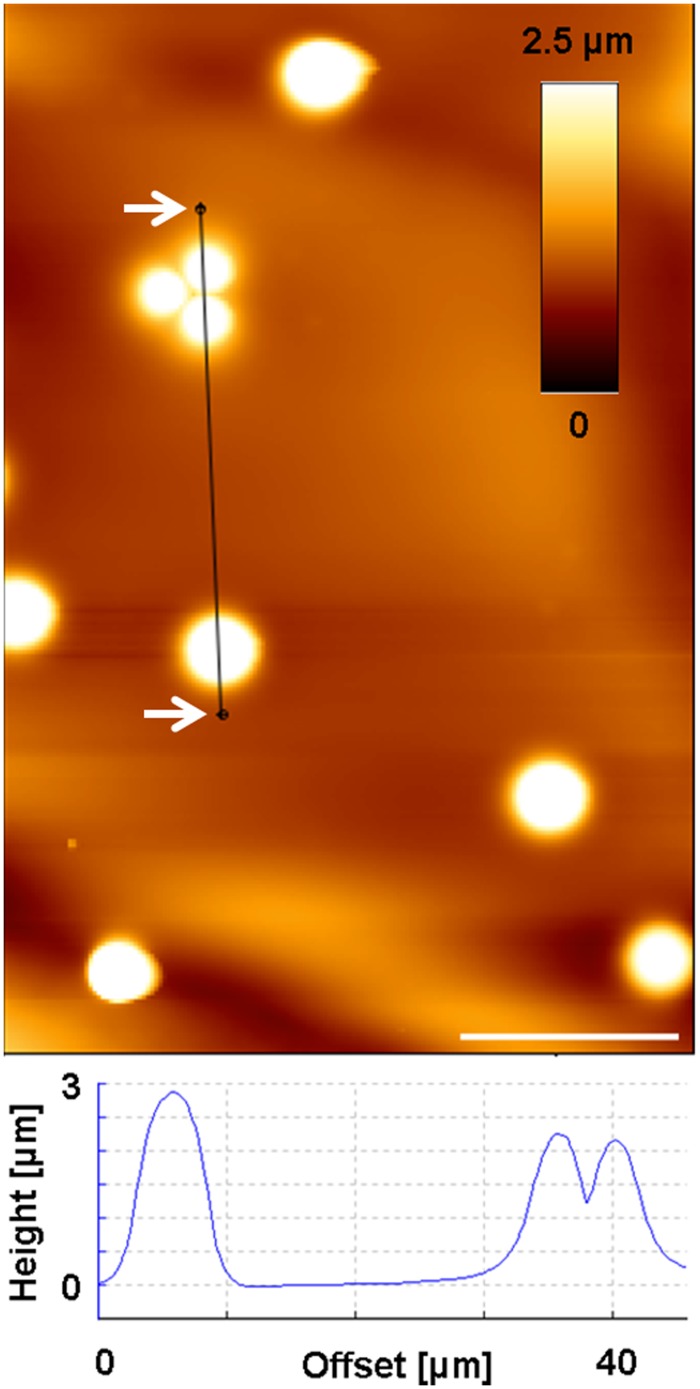
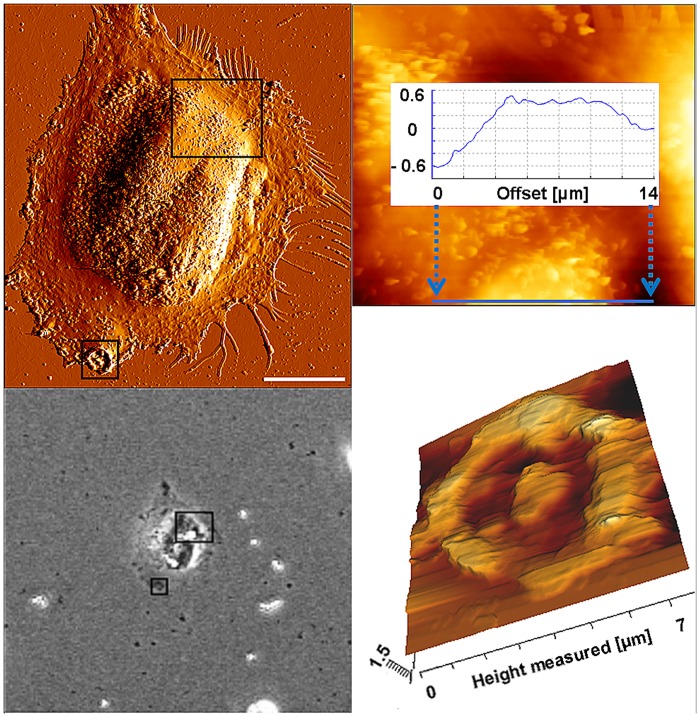
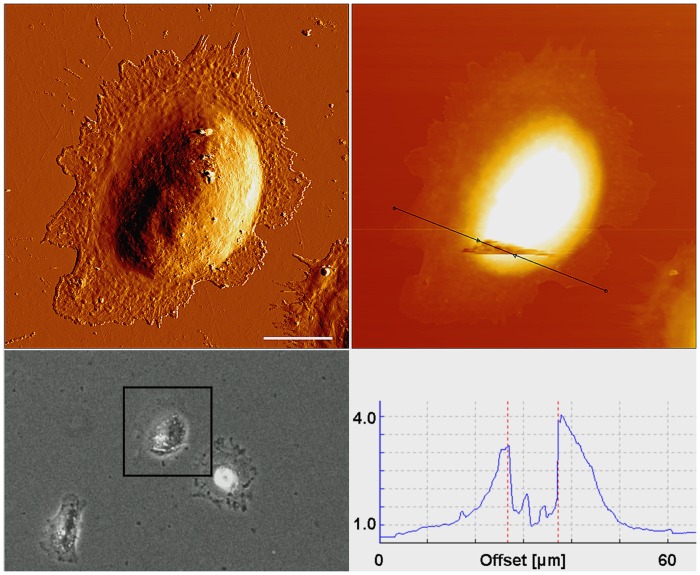
Atomic force and bright field microscopy illustrated the internalization of MB by fibroblasts after 24 h of cultivation. Labelling cells with MB did not expose cytotoxic effects on fibroblasts and allowed adhesion on magnetic surfaces with sufficient BDNF release.
Our data demonstrate a novel approach for mediating enhanced long-term adhesion of BDNF-secreting fibroblasts on model electrode surfaces for cell-based drug delivery applications in vitro and in vivo. This therapeutic strategy, once transferred to cells suitable for clinical application, may allow the biological modifications of CI surfaces with cells releasing neurotrophic or other factors of interest.
通过用提供神经保护因子的细胞对人工耳蜗(CI)电极进行功能化处理,可实现向内耳的长期药物递送。然而,需要开发有效的策略来用细胞覆盖植入物表面。我们的设想是利用CI电极产生的电磁场吸引力,将用磁珠(MB)标记的分泌脑源性神经营养因子(BDNF)的细胞结合到电极表面。因此,研究了MB标记对细胞活力和BDNF产生的影响。
对经过基因改造以产生BDNF的小鼠NIH 3T3成纤维细胞进行MB标记。
原子力显微镜和明场显微镜显示,培养24小时后,成纤维细胞摄取了MB。用MB标记细胞对成纤维细胞无细胞毒性作用,并能使其在磁性表面黏附,同时释放足够的BDNF。
我们的数据证明了一种新方法,可介导分泌BDNF的成纤维细胞在模型电极表面增强长期黏附,用于体外和体内基于细胞的药物递送应用。这种治疗策略一旦应用于适合临床的细胞,可能会使CI表面通过释放神经营养因子或其他相关因子的细胞进行生物学修饰。