Plontke S K, Götze G, Rahne T, Liebau A
Department of Otorhinolaryngology, Head & Neck Surgery, University Hospital, Martin Luther University Halle-Wittenberg, Halle (Saale), Germany.
HNO. 2017 Jan;65(Suppl 1):19-28. doi: 10.1007/s00106-016-0285-9.
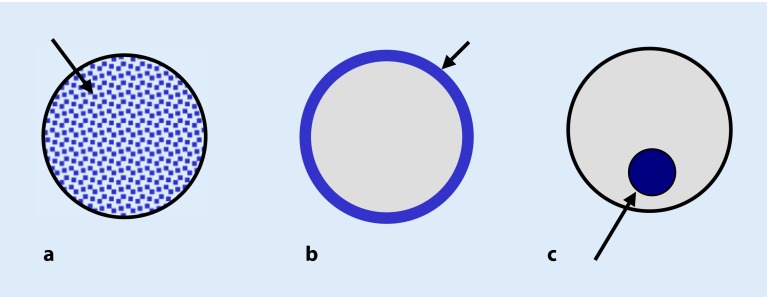
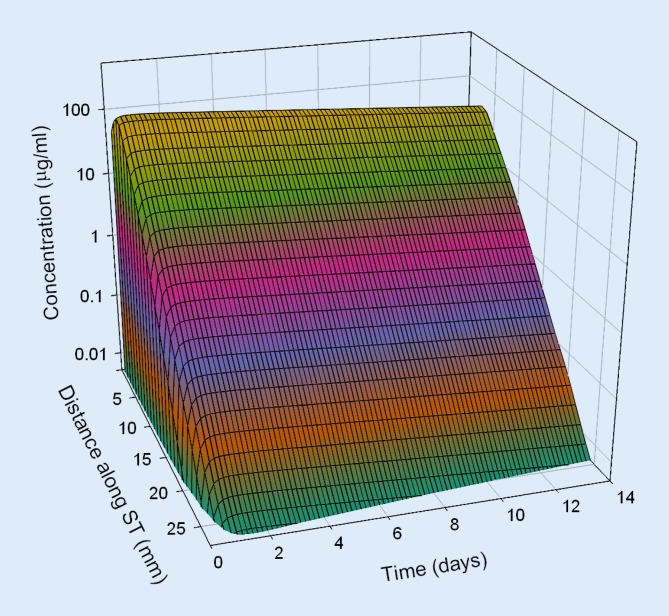
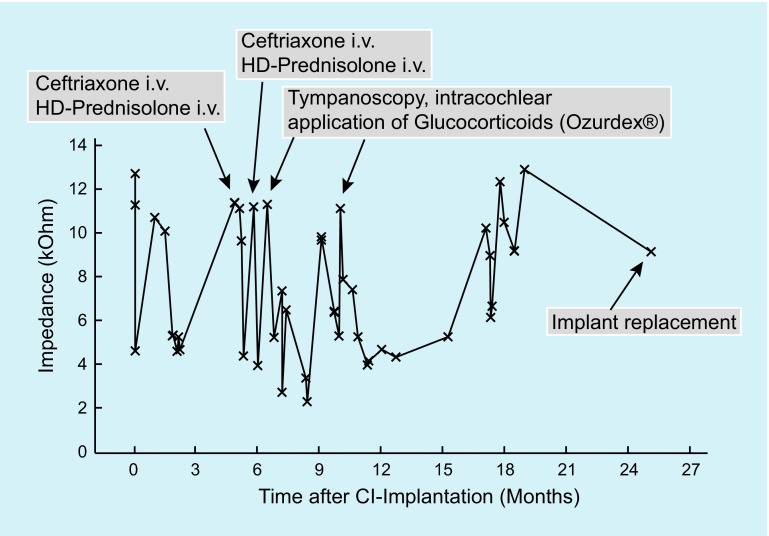
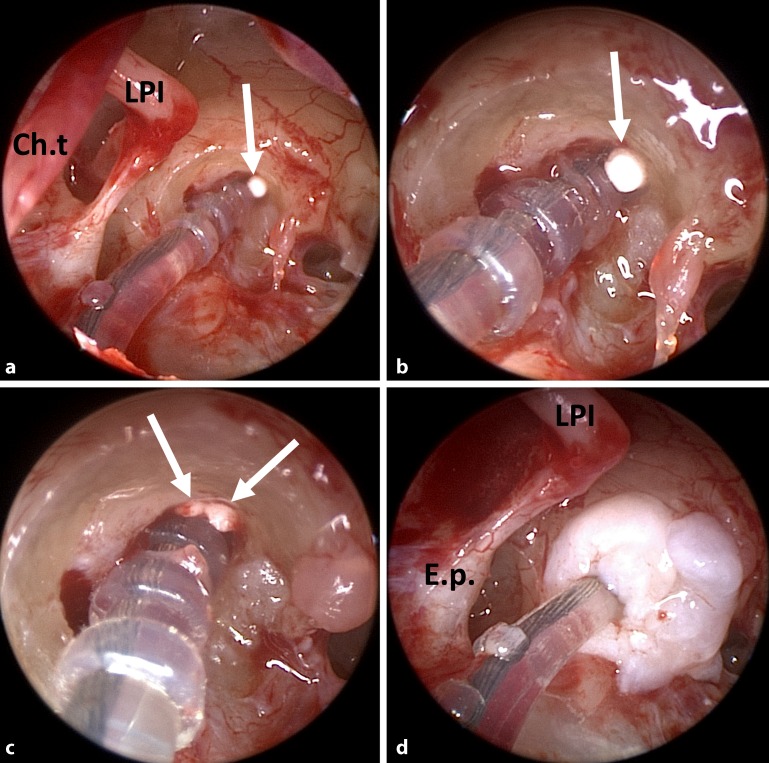
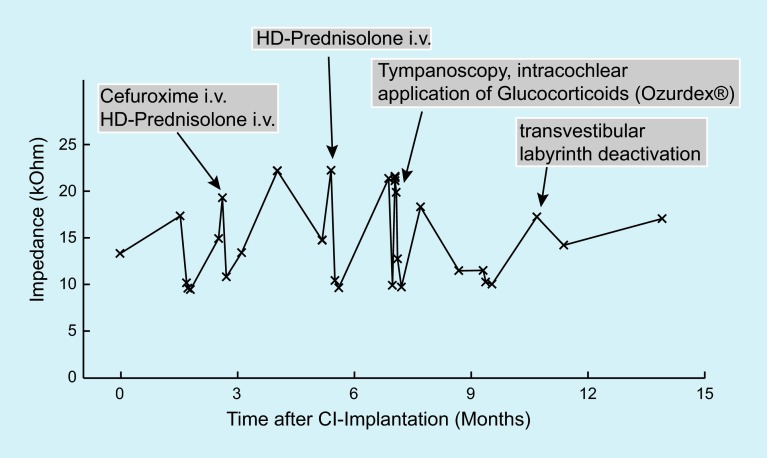
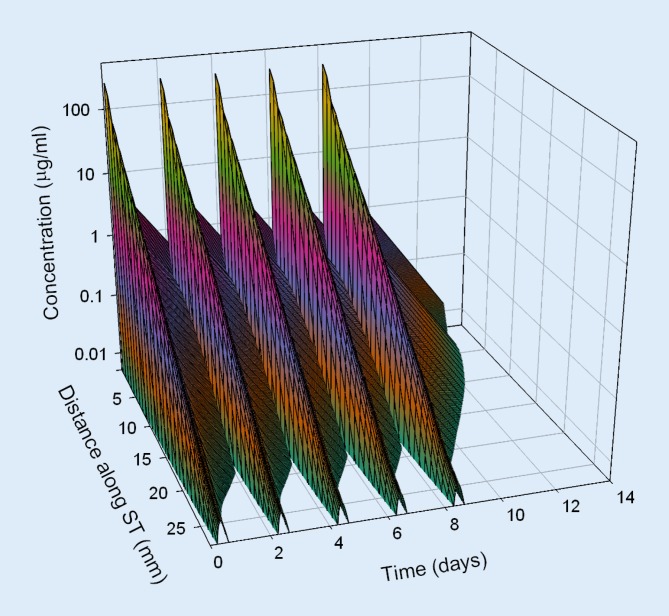
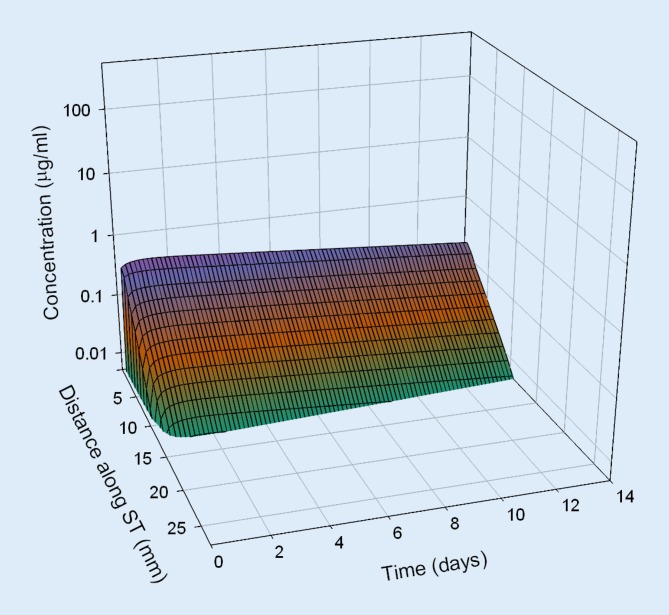
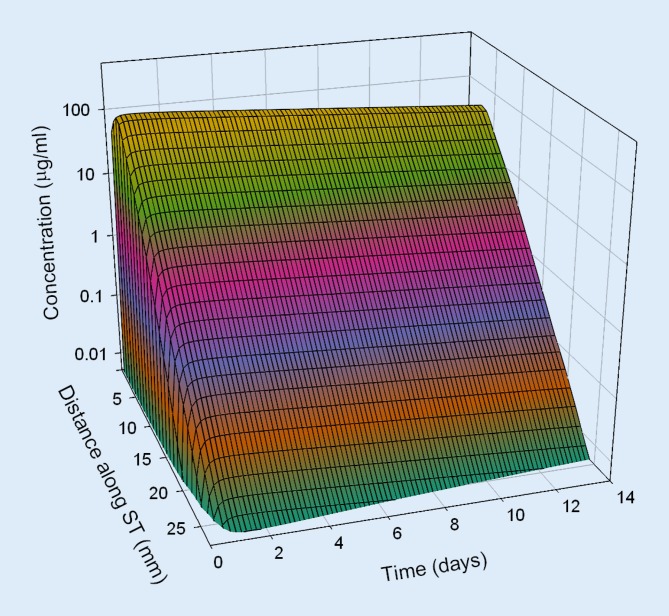
Local drug application to the inner ear offers a number of advantages over systemic delivery. Local drug therapy currently encompasses extracochlear administration (i. e., through intratympanic injection), intracochlear administration (particularly for gene and stem cell therapy), as well as various combinations with auditory neurosensory prostheses, either evaluated in preclinical or clinical studies, or off-label. To improve rehabilitation with cochlear implants (CI), one focus is the development of drug-releasing electrode carriers, e. g., for delivery of glucocorticosteroids, antiapoptotic substances, or neurotrophins to the inner ear. The performance of cochlear implants may thus be improved by protecting neuronal structures from insertion trauma, reducing fibrosis in the inner ear, and by stimulating growth of neuronal structures in the direction of the electrodes. Controlled drug release after extracochlear or intracochlear application in conjunction with a CI can also be achieved by use of a biocompatible, resorbable controlled-release drug-delivery system. Two case reports for intracochlear controlled release drug delivery in combination with cochlear implants are presented. In order to treat progressive reduction in speech discrimination and increased impedance, two cochlear implant patients successfully underwent intracochlear placement of a biocompatible, resorbable drug-delivery system for controlled release of dexamethasone. The drug levels reached in inner ear fluids after different types of local drug application strategies can be calculated using a computer model. The intracochlear drug concentrations calculated in this way were compared for different dexamethasone application strategies.
与全身给药相比,局部向内耳给药具有许多优势。目前局部药物治疗包括耳蜗外给药(即通过鼓室内注射)、耳蜗内给药(特别是用于基因和干细胞治疗),以及与听觉神经感觉假体的各种联合应用,这些应用要么在临床前或临床研究中进行评估,要么属于超说明书用药。为了改善人工耳蜗(CI)的康复效果,一个重点是开发药物释放电极载体,例如用于向内耳递送糖皮质激素、抗凋亡物质或神经营养因子。因此,通过保护神经元结构免受插入创伤、减少内耳纤维化以及刺激神经元结构向电极方向生长,可以改善人工耳蜗的性能。通过使用生物相容性、可吸收的控释药物递送系统,也可以在与人工耳蜗联合进行耳蜗外或耳蜗内给药后实现药物的控释。本文介绍了两例人工耳蜗联合耳蜗内控释给药的病例报告。为了治疗言语辨别力逐渐下降和阻抗增加的问题,两名人工耳蜗患者成功地在耳蜗内植入了一种生物相容性、可吸收的药物递送系统,用于地塞米松的控释。可以使用计算机模型计算不同类型局部给药策略后内耳液中达到的药物水平。对不同地塞米松应用策略计算得到的耳蜗内药物浓度进行了比较。