Treffry-Goatley Astrid, Lessells Richard, Sykes Pam, Bärnighausen Till, de Oliveira Tulio, Moletsane Relebohile, Seeley Janet
Africa Centre for Population Health, University of KwaZulu-Natal, Durban, KwaZulu-Natal, South Africa.
School of Education, University of KwaZulu-Natal, Durban, KwaZulu Natal, South Africa.
PLoS One. 2016 Feb 29;11(2):e0148801. doi: 10.1371/journal.pone.0148801. eCollection 2016.
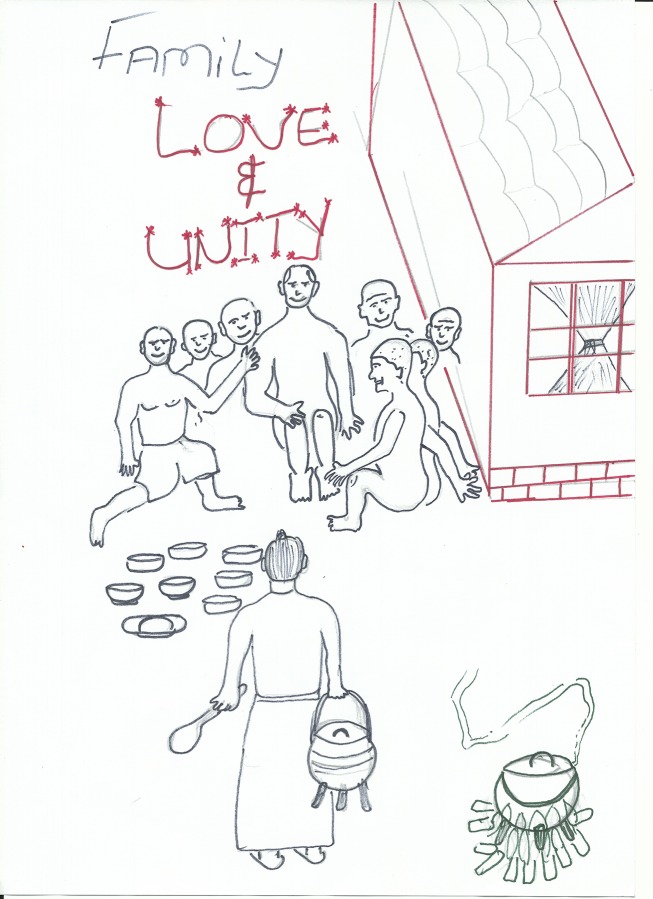
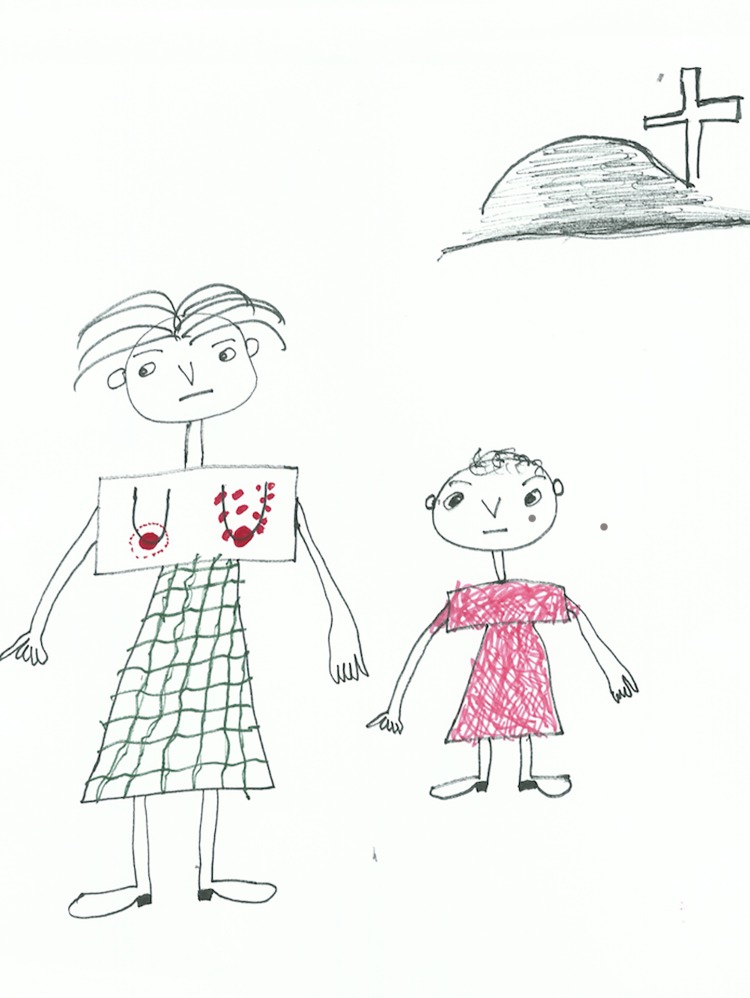
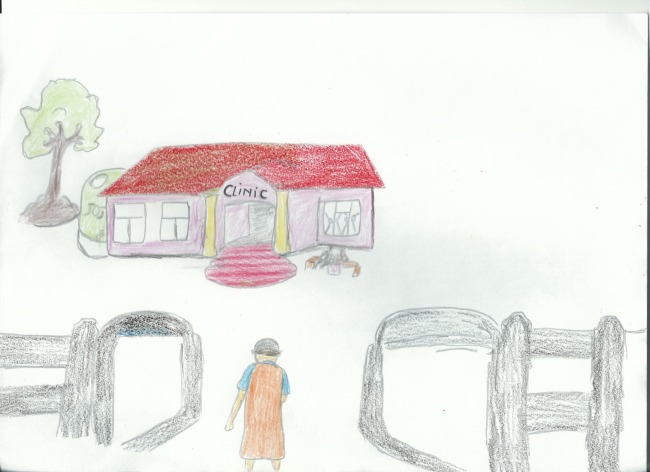
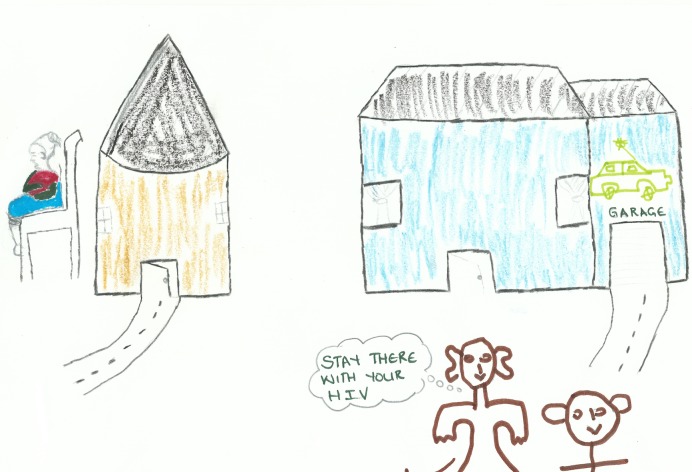
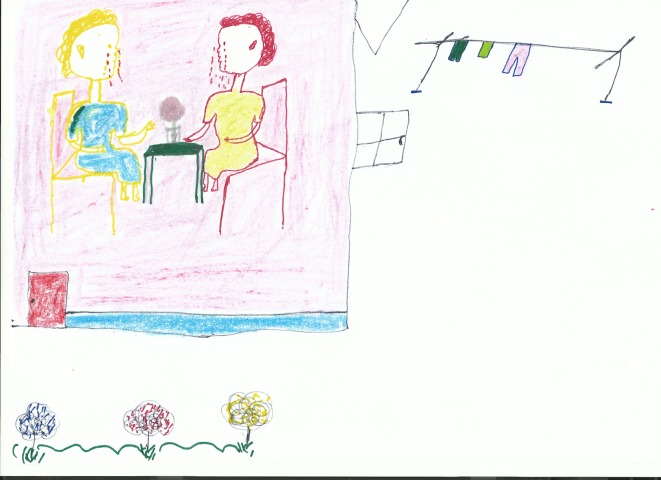
Near-perfect adherence to antiretroviral therapy (ART) is required to achieve the best possible prevention and treatment outcomes. Yet, there have been particular concerns about the challenges of adherence among patients living in resource-limited settings in sub-Saharan Africa. The primary objective of this study was to explore adherence in a low-resourced, rural community of high HIV prevalence in South Africa and to identify specific individual and structural factors that can either challenge or support adherence in this context. We applied digital stories as a qualitative research tool to gain insights into personal contexts of HIV and ART adherence. Through an inductive thematic analysis of twenty story texts, soundtracks and drawings, we explored experiences, understandings, and contexts of the participants and identified potential barriers and facilitators for those on lifelong treatment. We found that many of the stories reflected a growing confidence in the effectiveness of ART, which should be viewed as a key facilitator to successful adherence since this attitude can promote disclosure and boost access to social support. Nevertheless, stories also highlighted the complexity of the issues that individuals and households face as they deal with HIV and ART in this setting and it is clear that an overburdened local healthcare system has often struggled to meet the demands of a rapidly expanding epidemic and to provide the necessary medical and emotional support. Our analysis suggests several opportunities for further research and the design of novel health interventions to support optimal adherence. Firstly, future health promotion campaigns should encourage individuals to test together, or at least accompany each other for testing, to encourage social support from the outset. Additionally, home-based testing and ART club interventions might be recommended to make it easier for individuals to adhere to their treatment regimens and to provide a sense of support and solidarity.
要实现最佳的预防和治疗效果,需要近乎完美地坚持抗逆转录病毒疗法(ART)。然而,撒哈拉以南非洲资源有限地区的患者在坚持治疗方面面临的挑战尤其令人担忧。本研究的主要目的是探索南非一个资源匮乏、艾滋病毒高流行率的农村社区的治疗依从性,并确定在此背景下可能挑战或支持治疗依从性的具体个人和结构因素。我们应用数字故事作为一种定性研究工具,以深入了解艾滋病毒和抗逆转录病毒疗法依从性的个人背景。通过对20篇故事文本、音轨和图画进行归纳主题分析,我们探索了参与者的经历、理解和背景,并确定了那些接受终身治疗者的潜在障碍和促进因素。我们发现,许多故事反映出对抗逆转录病毒疗法有效性的信心不断增强,这应被视为成功坚持治疗的关键促进因素,因为这种态度可以促进信息披露并增加获得社会支持的机会。然而,故事也凸显了个人和家庭在这种情况下应对艾滋病毒和抗逆转录病毒疗法时所面临问题的复杂性,而且显然,负担过重的当地医疗系统常常难以满足迅速蔓延的疫情的需求,也难以提供必要的医疗和情感支持。我们的分析提出了几个进一步研究和设计新型健康干预措施以支持最佳依从性的机会。首先,未来的健康促进活动应鼓励个人一起检测,或至少互相陪同检测,从一开始就鼓励社会支持。此外,可能建议采用家庭检测和抗逆转录病毒疗法俱乐部干预措施,以使个人更容易坚持治疗方案,并提供支持和团结感。