Fu Guodong, Somasundaram Raj Thani, Jessa Fatima, Srivastava Gunjan, MacMillan Christina, Witterick Ian, Walfish Paul G, Ralhan Ranju
Department of Medicine, Alex and Simona Shnaider Research Laboratory in Molecular Oncology, Endocrine Division, Mount Sinai Hospital, Toronto, Canada.
Department of Pathology and Laboratory Medicine, Mount Sinai Hospital, Toronto, Canada.
Oncotarget. 2016 Mar 29;7(13):17162-81. doi: 10.18632/oncotarget.7751.
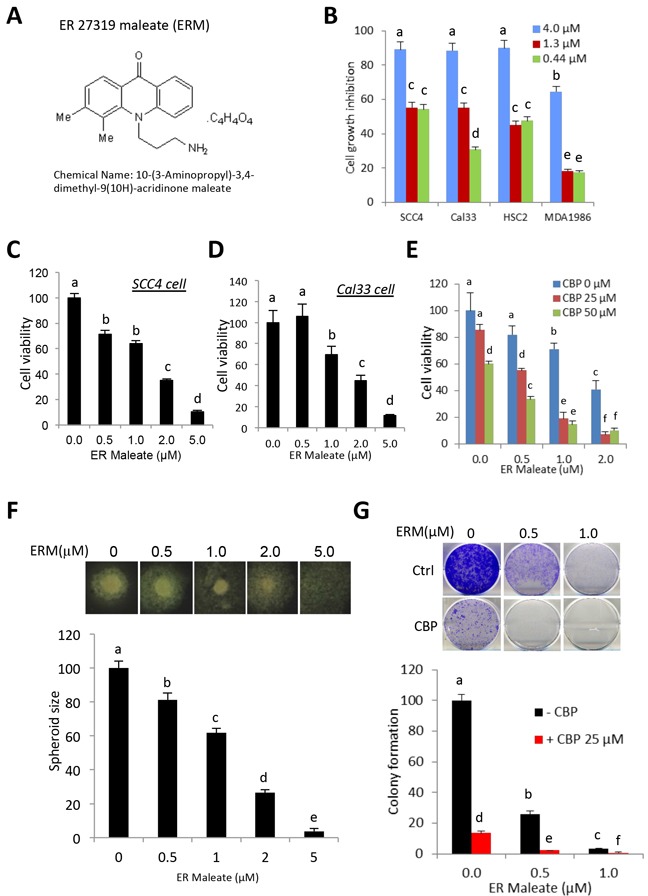
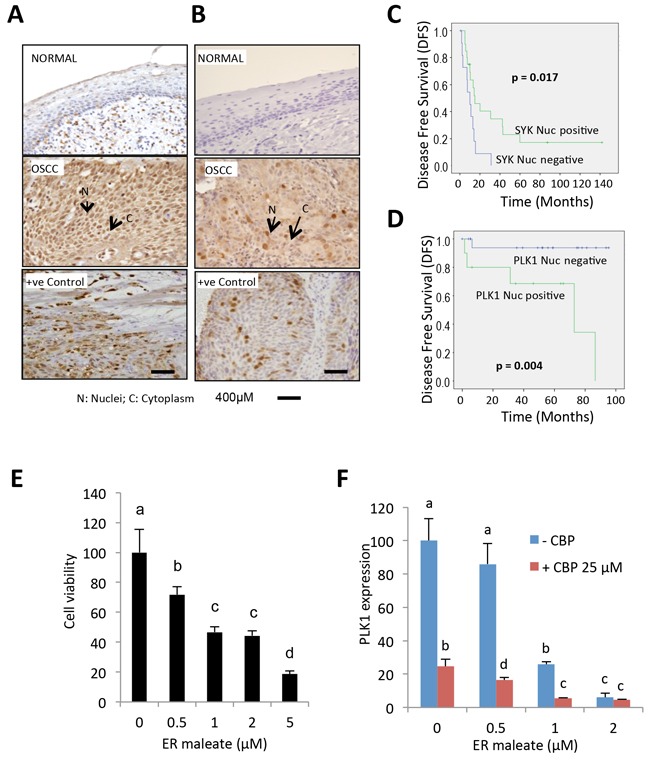
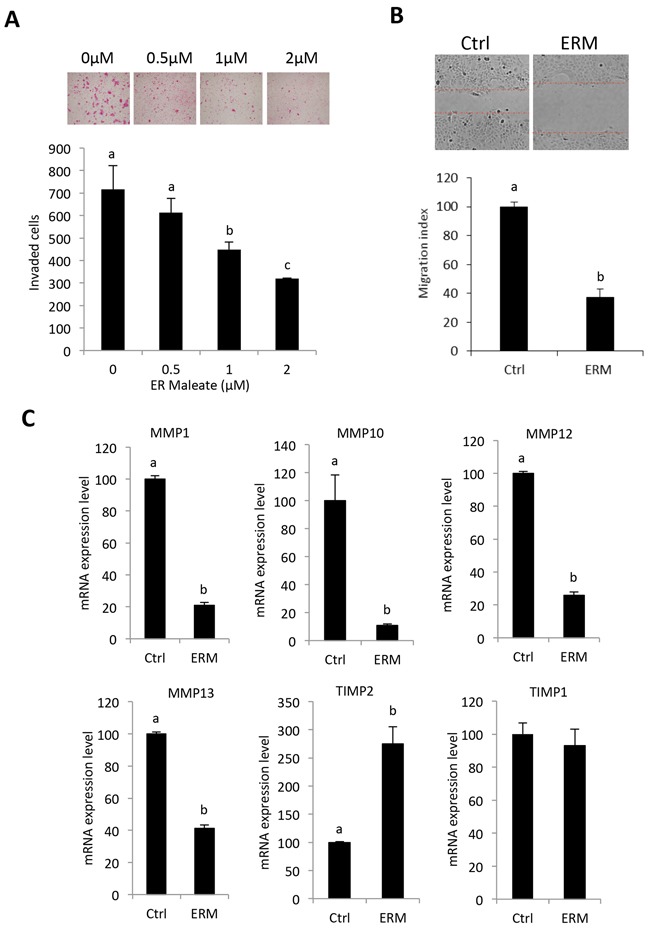
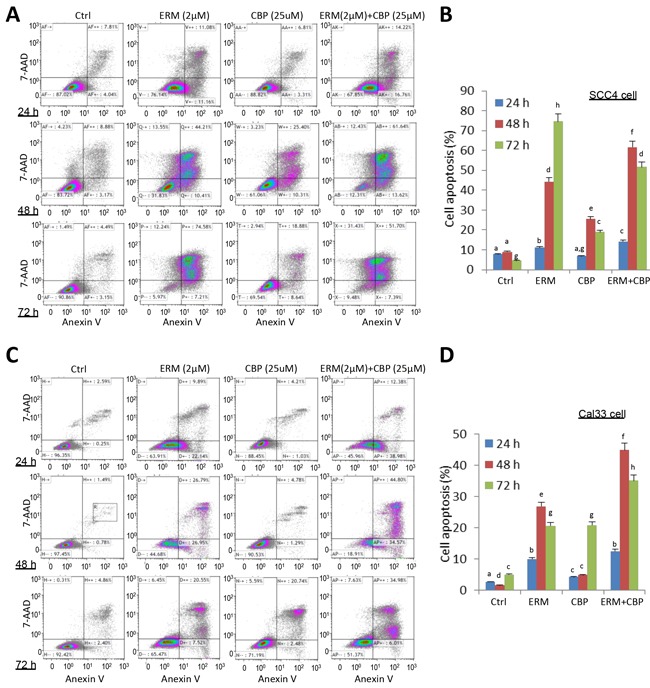
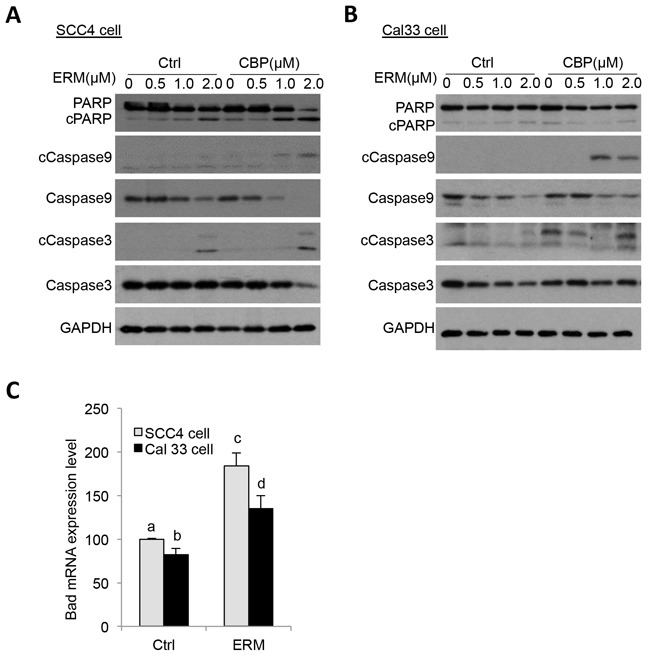
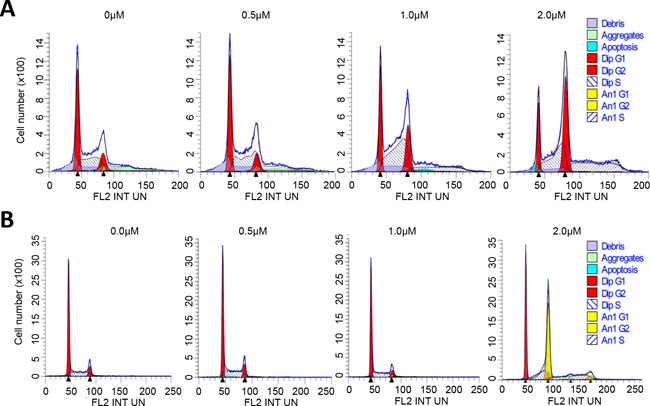
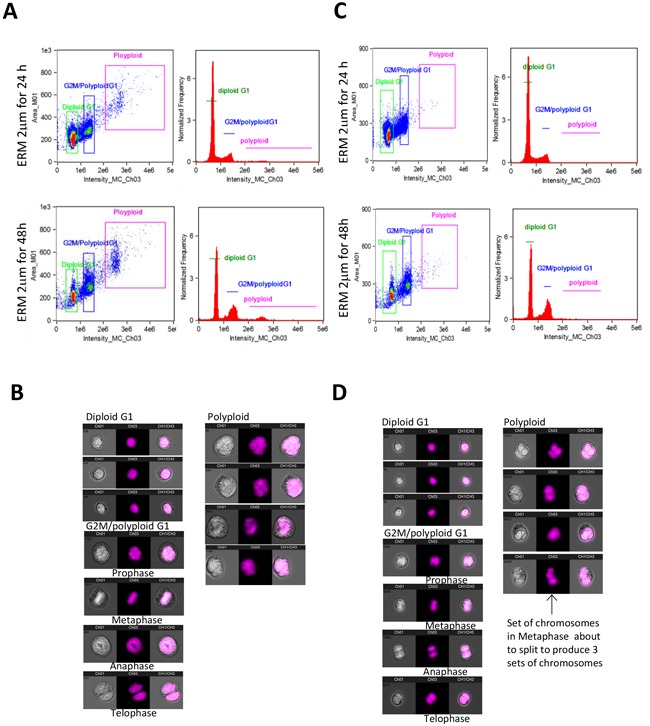
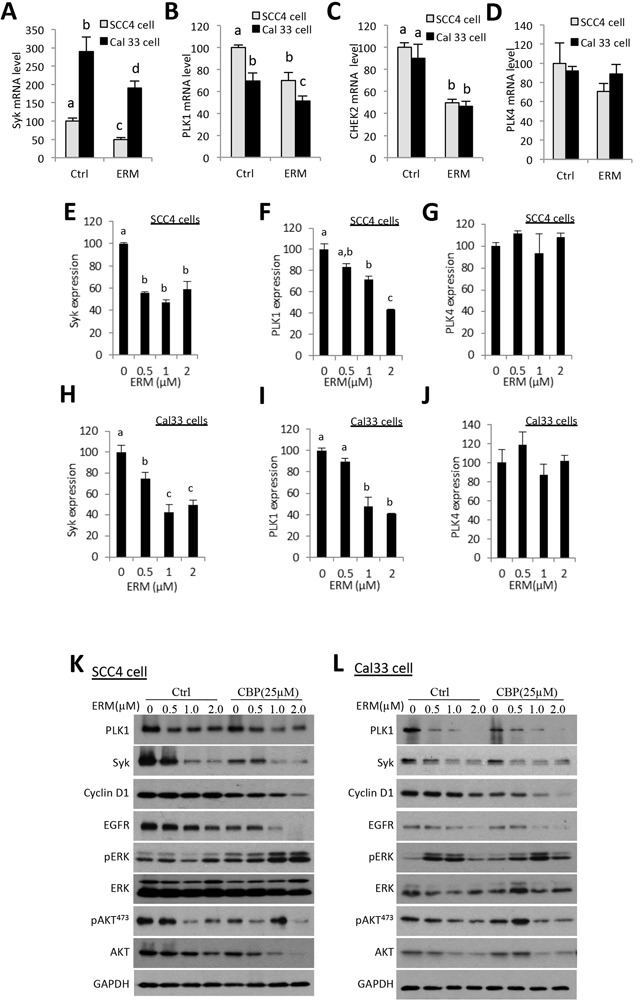
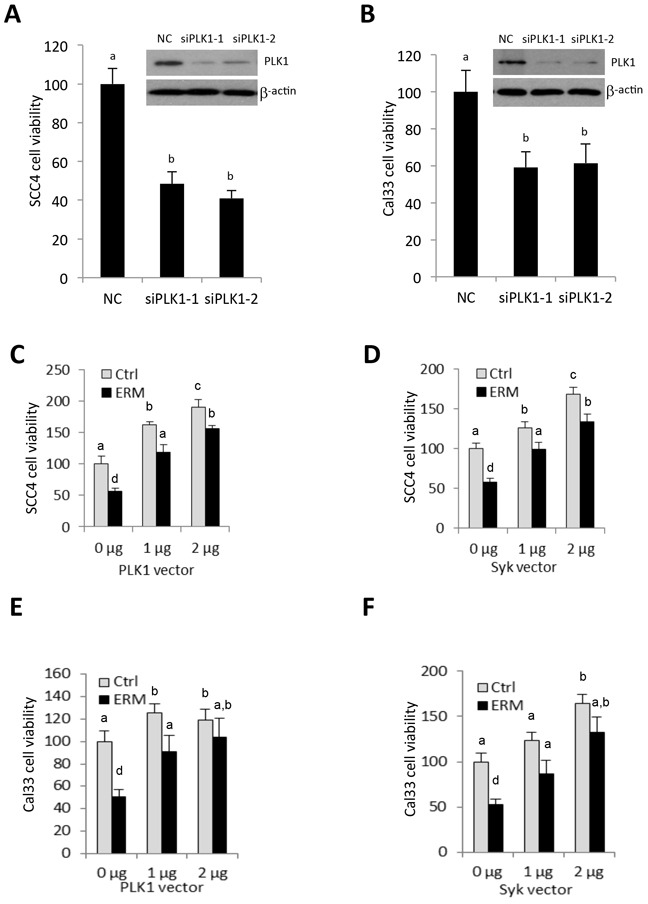
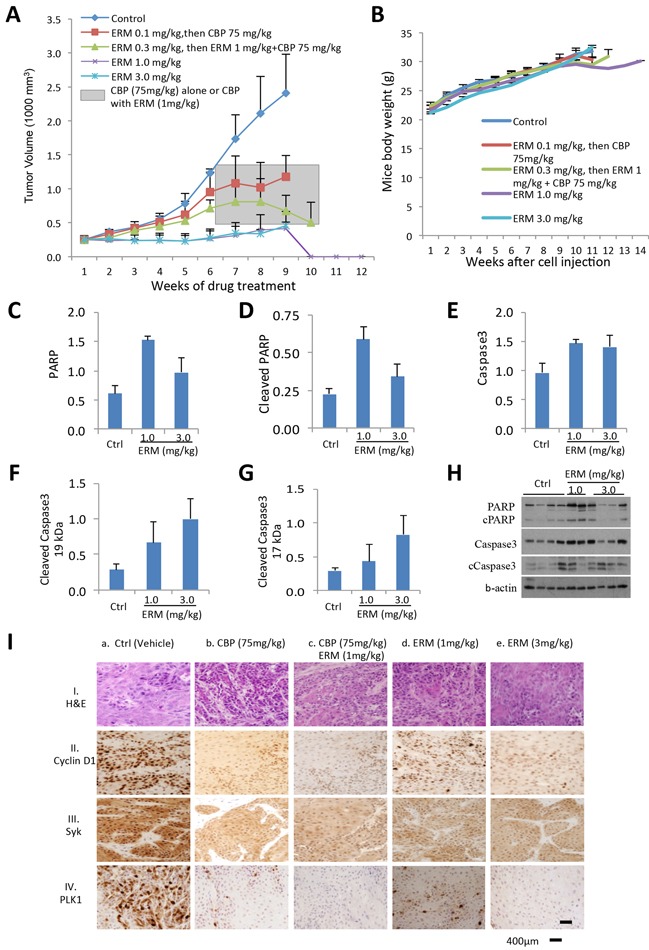
ER maleate [10-(3-Aminopropyl)-3, 4-dimethyl-9(10H)-acridinone maleate] identified in a kinome screen was investigated as a novel anticancer agent for oral squamous cell carcinoma (OSCC). Our aim was to demonstrate its anticancer effects, identify putative molecular targets and determine their clinical relevance and investigate its chemosensitization potential for platinum drugs to aid in OSCC management. Biologic effects of ER maleate were determined using oral cancer cell lines in vitro and oral tumor xenografts in vivo. mRNA profiling, real time PCR and western blot revealed ER maleate modulated the expression of polo-like kinase 1 (PLK1) and spleen tyrosine kinase (Syk). Their clinical significance was determined in oral SCC patients by immunohistochemistry and correlated with prognosis by Kaplan-Meier survival and multivariate Cox regression analyses. ER maleate induced cell apoptosis, inhibited proliferation, colony formation, migration and invasion in oral cancer cells. Imagestream analysis revealed cell cycle arrest in G2/M phase and increased polyploidy, unravelling deregulation of cell division and cell death. Mechanistically, ER maleate decreased expression of PLK1 and Syk, induced cleavage of PARP, caspase9 and caspase3, and increased chemosensitivity to carboplatin; significantly suppressed tumor growth and increased antitumor activity of carboplatin in tumor xenografts. ER maleate treated tumor xenografts showed reduced PLK1 and Syk expression. Clinical investigations revealed overexpression of PLK1 and Syk in oral SCC patients that correlated with disease prognosis. Our in vitro and in vivo findings provide a strong rationale for pre-clinical efficacy of ER maleate as a novel anticancer agent and chemosensitizer of platinum drugs for OSCC.
在激酶组筛选中鉴定出的马来酸ER(10 -(3 - 氨丙基)-3,4 - 二甲基 - 9(10H)- 吖啶酮马来酸盐)作为口腔鳞状细胞癌(OSCC)的新型抗癌剂进行了研究。我们的目的是证明其抗癌作用,确定推定的分子靶点并确定其临床相关性,并研究其对铂类药物的化学增敏潜力,以辅助OSCC的治疗。使用体外口腔癌细胞系和体内口腔肿瘤异种移植来确定马来酸ER的生物学效应。mRNA谱分析、实时PCR和蛋白质印迹显示马来酸ER调节了polo样激酶1(PLK1)和脾酪氨酸激酶(Syk)的表达。通过免疫组织化学在口腔SCC患者中确定它们的临床意义,并通过Kaplan - Meier生存分析和多变量Cox回归分析与预后相关联。马来酸ER诱导口腔癌细胞凋亡,抑制增殖、集落形成、迁移和侵袭。图像流式细胞分析显示细胞周期停滞在G2/M期并增加多倍体,揭示了细胞分裂和细胞死亡的失调。从机制上讲,马来酸ER降低了PLK1和Syk的表达,诱导了PARP、caspase9和caspase3的裂解,并增加了对卡铂的化学敏感性;在肿瘤异种移植中显著抑制肿瘤生长并增加卡铂的抗肿瘤活性。用马来酸ER处理的肿瘤异种移植显示PLK1和Syk表达降低。临床研究显示PLK1和Syk在口腔SCC患者中过表达,这与疾病预后相关。我们的体外和体内研究结果为马来酸ER作为OSCC的新型抗癌剂和铂类药物的化学增敏剂的临床前疗效提供了有力的理论依据。