Gollamudi Jahnavi, Parvani Jenny G, Schiemann William P, Vinayak Shaveta
Department of Internal Medicine, Case Western Reserve University, Cleveland, OH, USA.
Department of Biomedical Engineering, Case Western Reserve University, Cleveland, OH, USA.
Cancer Manag Res. 2016 Feb 18;8:21-31. doi: 10.2147/CMAR.S55279. eCollection 2016.
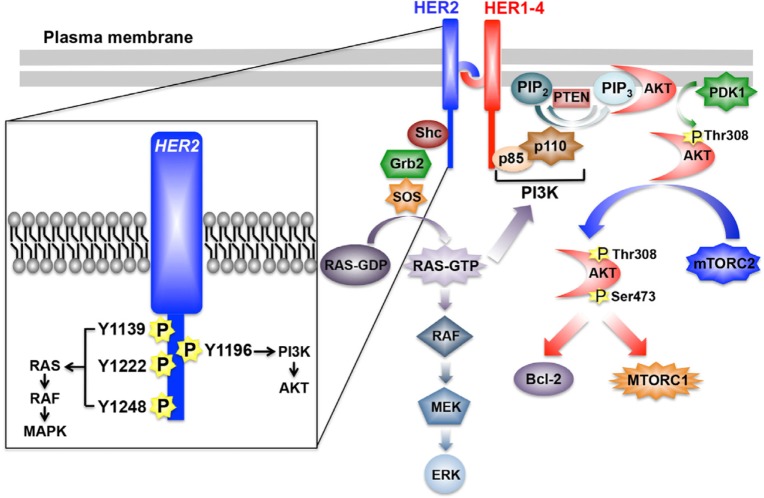
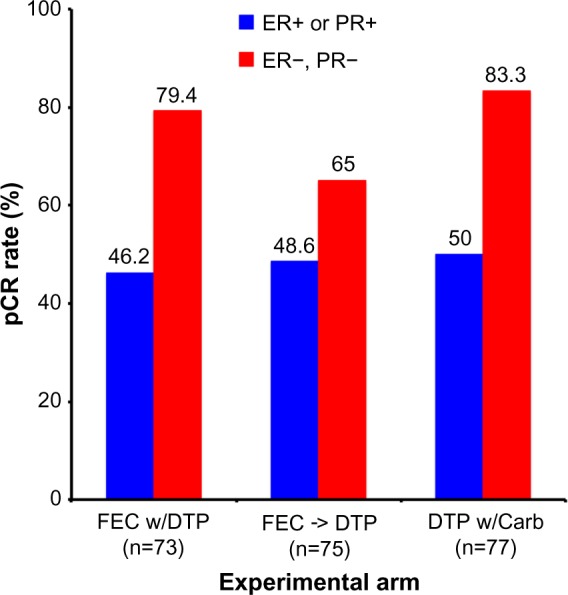
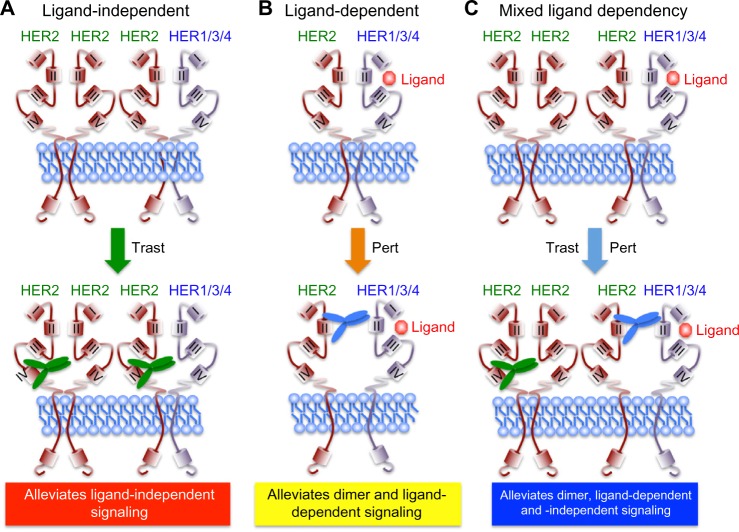
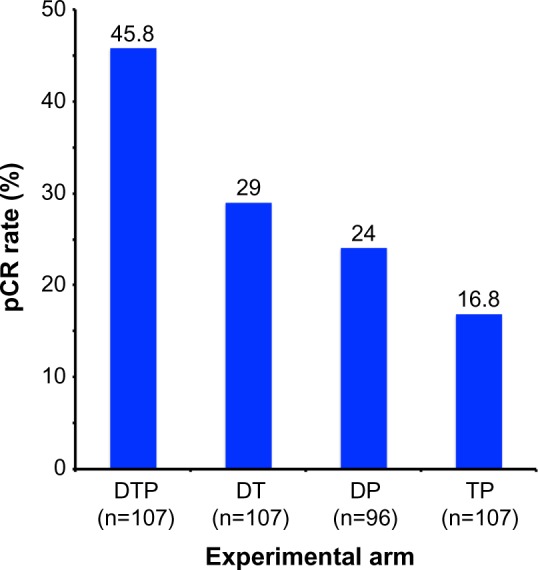
Approximately 20% of breast cancer patients harbor tumors that overexpress human epidermal growth factor receptor 2 (HER2; also known as ErbB2), a receptor tyrosine kinase that belongs to the epidermal growth factor receptor family of receptor tyrosine kinases. HER2 amplification and hyperactivation drive the growth and survival of breast cancers through the aberrant activation of proto-oncogenic signaling systems, particularly the Ras/MAP kinase and PI3K/AKT pathways. Although HER2-positive (HER2(+)) breast cancer was originally considered to be a highly aggressive form of the disease, the clinical landscape of HER2(+) breast cancers has literally been transformed by the approval of anti-HER2 agents for adjuvant and neoadjuvant settings. Indeed, pertuzumab is a novel monoclonal antibody that functions as an anti-HER2 agent by targeting the extracellular dimerization domain of the HER2 receptor; it is also the first drug to receive an accelerated approval by the US Food and Drug Administration for use in neoadjuvant settings in early-stage HER2(+) breast cancer. Here, we review the molecular and cellular factors that contribute to the pathophysiology of HER2 in breast cancer, as well as summarize the landmark preclinical and clinical findings underlying the approval and use of pertuzumab in the neoadjuvant setting. Finally, the molecular mechanisms operant in mediating resistance to anti-HER2 agents, and perhaps to pertuzumab as well, will be discussed, as will the anticipated clinical impact and future directions of pertuzumab in breast cancer patients.
大约20%的乳腺癌患者携带过表达人表皮生长因子受体2(HER2,也称为ErbB2)的肿瘤,HER2是一种受体酪氨酸激酶,属于受体酪氨酸激酶的表皮生长因子受体家族。HER2扩增和过度激活通过原癌基因信号系统的异常激活,特别是Ras/MAP激酶和PI3K/AKT途径,驱动乳腺癌的生长和存活。尽管HER2阳性(HER2(+))乳腺癌最初被认为是该疾病的一种高度侵袭性形式,但抗HER2药物在辅助和新辅助治疗中的获批彻底改变了HER2(+)乳腺癌的临床格局。事实上,帕妥珠单抗是一种新型单克隆抗体,通过靶向HER2受体的细胞外二聚化结构域发挥抗HER2药物的作用;它也是首个获得美国食品药品监督管理局加速批准用于早期HER2(+)乳腺癌新辅助治疗的药物。在此,我们综述了促成HER2在乳腺癌病理生理学中作用的分子和细胞因素,总结了帕妥珠单抗在新辅助治疗中获批和应用的具有里程碑意义的临床前和临床研究结果。最后,我们将讨论介导对抗HER2药物(可能也包括帕妥珠单抗)耐药的分子机制,以及帕妥珠单抗对乳腺癌患者预期的临床影响和未来发展方向。