Ye Weiran, Zheng Yijia, Zhang Shanshan, Yan Li, Cheng Hua, Wu Muchao
Department of Endocrinology, Sun Yat-sen Memorial Hospital, Sun Yat-sen University, Guangzhou, P. R. China.
PLoS One. 2016 Mar 3;11(3):e0150303. doi: 10.1371/journal.pone.0150303. eCollection 2016.
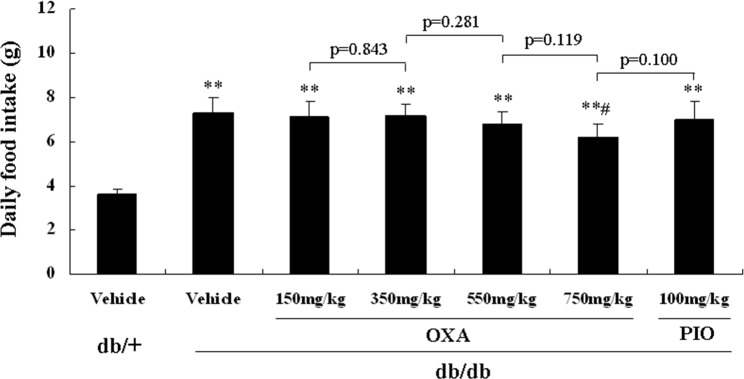
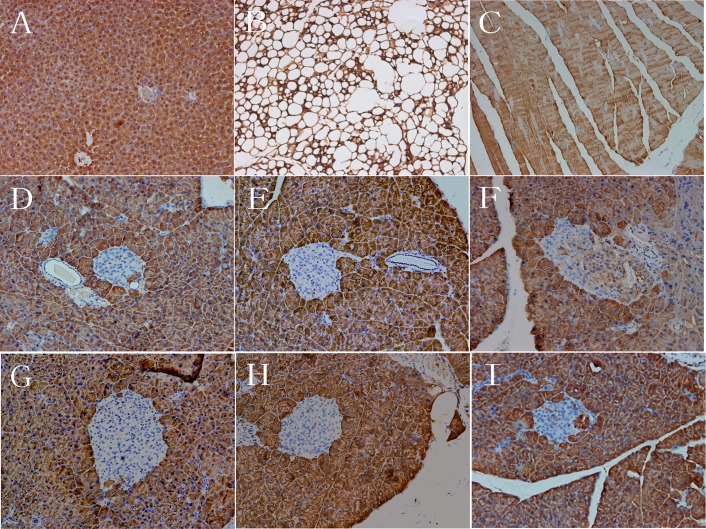
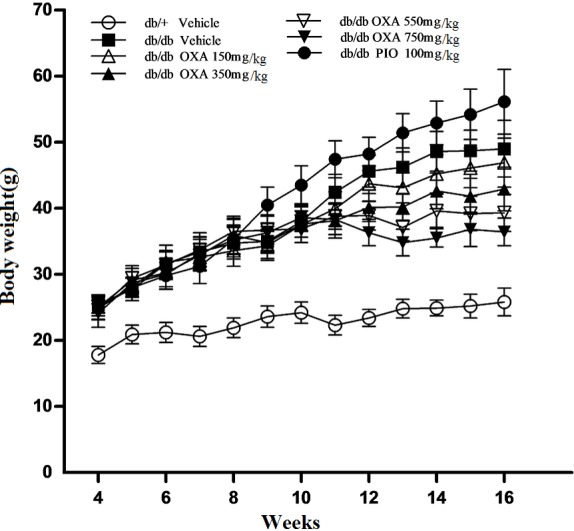
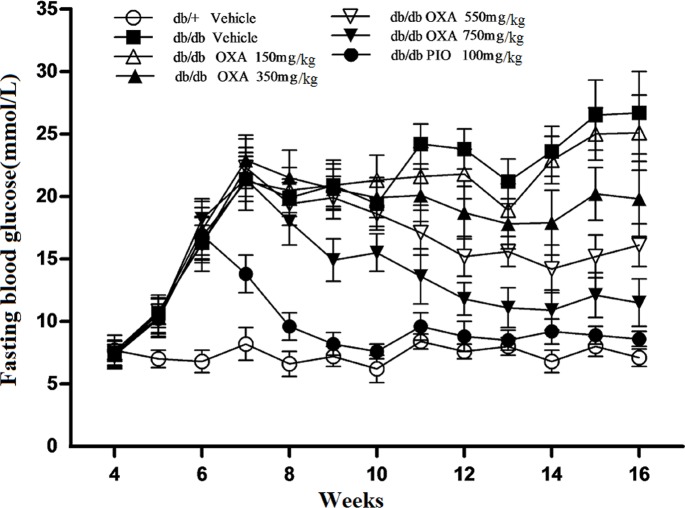
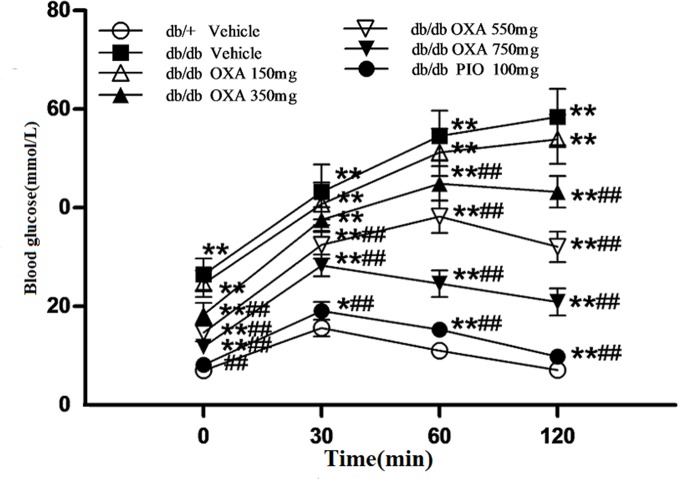
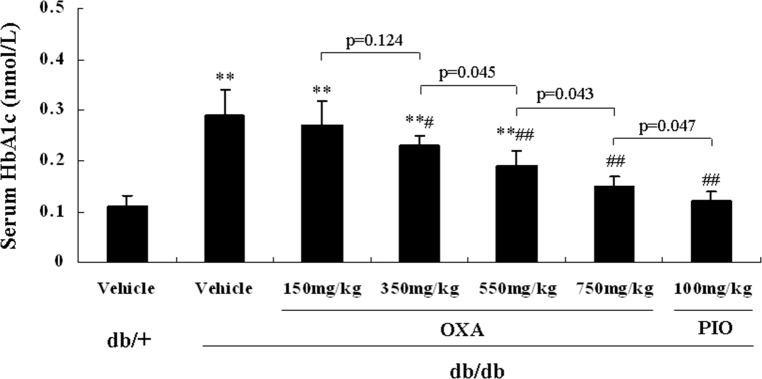
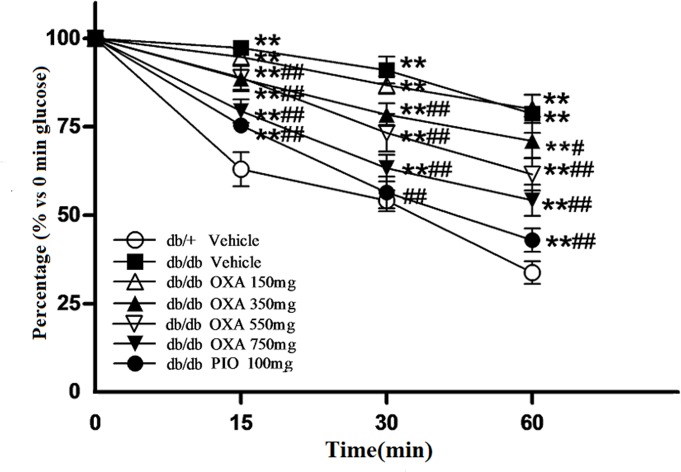
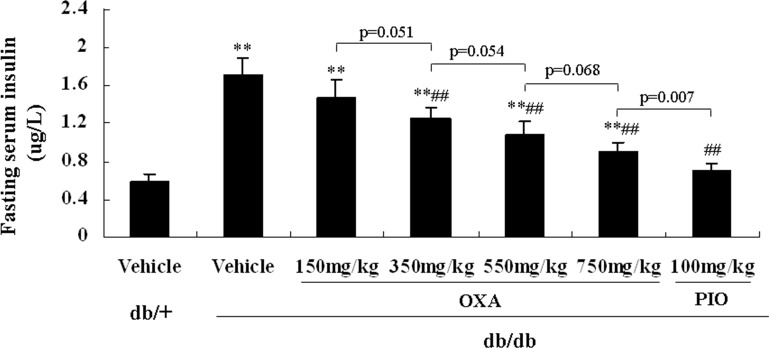
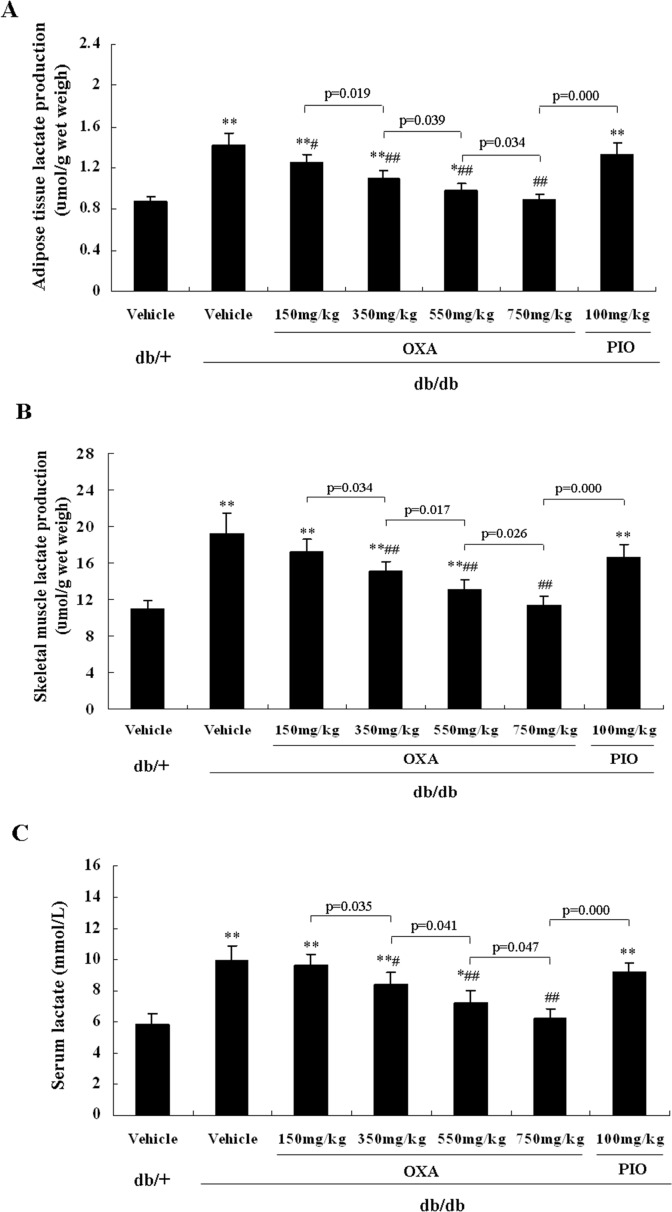
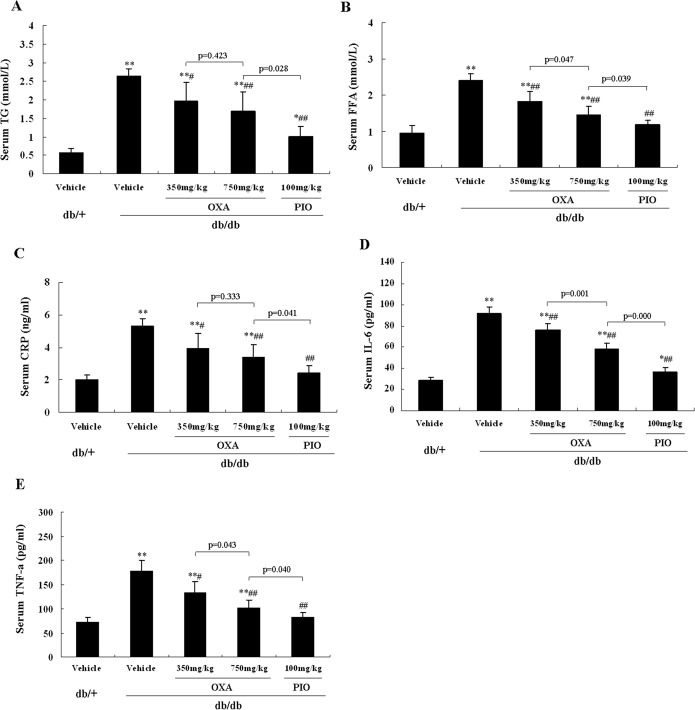
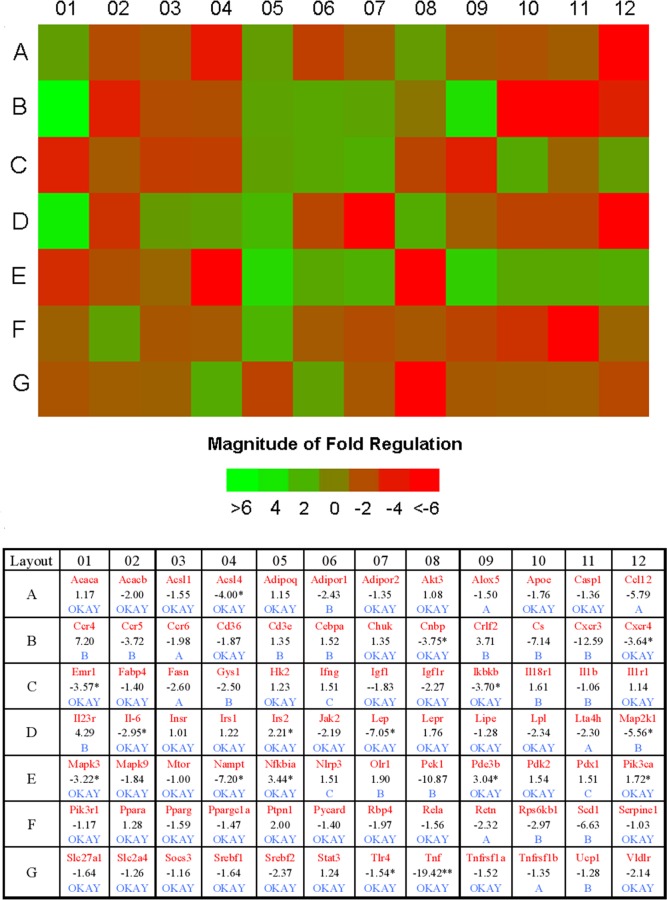
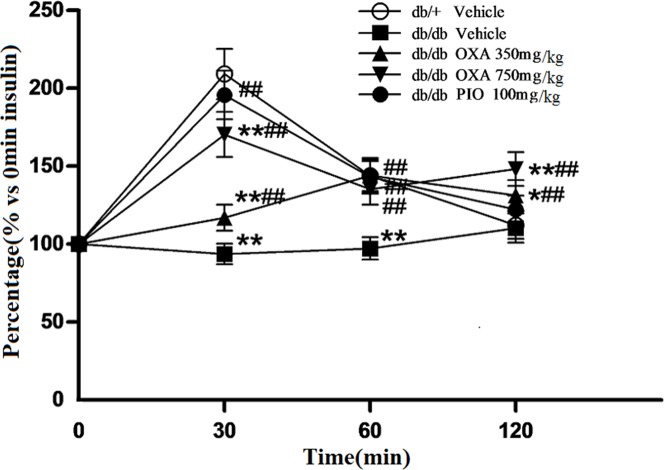
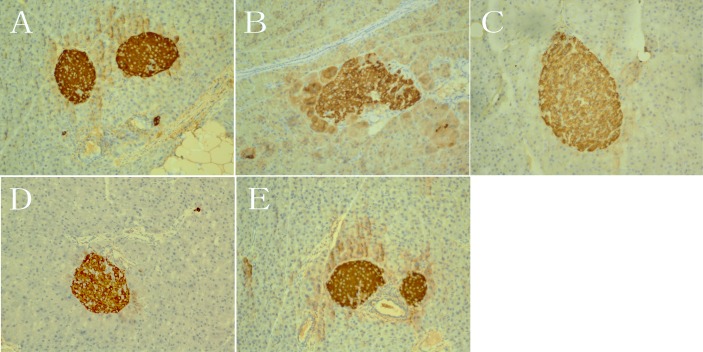
Oxamate (OXA) is a pyruvate analogue that directly inhibits the lactate dehydrogenase (LDH)-catalyzed conversion process of pyruvate into lactate. Earlier and recent studies have shown elevated blood lactate levels among insulin-resistant and type 2 diabetes subjects and that blood lactate levels independently predicted the development of incident diabetes. To explore the potential of OXA in the treatment of diabetes, db/db mice were treated with OXA in vivo. Treatment of OXA (350-750 mg/kg of body weight) for 12 weeks was shown to decrease body weight gain and blood glucose and HbA1c levels and improve insulin secretion, the morphology of pancreatic islets, and insulin sensitivity in db/db mice. Meanwhile, OXA reduced the lactate production of adipose tissue and skeletal muscle and serum lactate levels and decreased serum levels of TG, FFA, CRP, IL-6, and TNF-α in db/db mice. The PCR array showed that OXA downregulated the expression of Tnf, Il6, leptin, Cxcr3, Map2k1, and Ikbkb, and upregulated the expression of Irs2, Nfkbia, and Pde3b in the skeletal muscle of db/db mice. Interestingly, LDH-A expression increased in the islet cells of db/db mice, and both treatment of OXA and pioglitazone decreased LDH-A expression, which might be related to the improvement of insulin secretion. Taken together, increased lactate production of adipose tissue and skeletal muscle may be at least partially responsible for insulin resistance and diabetes in db/db mice. OXA improved glycemic control and insulin sensitivity in db/db mice primarily via inhibition of tissue lactate production. Oxamic acid derivatives may be a potential drug for the treatment of type 2 diabetes.
草氨酸盐(OXA)是一种丙酮酸类似物,可直接抑制乳酸脱氢酶(LDH)催化的丙酮酸向乳酸的转化过程。早期和近期的研究表明,胰岛素抵抗和2型糖尿病患者的血乳酸水平升高,且血乳酸水平可独立预测新发糖尿病的发生。为了探索OXA在糖尿病治疗中的潜力,对db/db小鼠进行了体内OXA治疗。结果显示,给予OXA(350 - 750 mg/kg体重)治疗12周可降低db/db小鼠的体重增加、血糖和糖化血红蛋白(HbA1c)水平,并改善胰岛素分泌、胰岛形态和胰岛素敏感性。同时,OXA降低了db/db小鼠脂肪组织和骨骼肌的乳酸生成以及血清乳酸水平,并降低了血清甘油三酯(TG)、游离脂肪酸(FFA)、C反应蛋白(CRP)、白细胞介素-6(IL-6)和肿瘤坏死因子-α(TNF-α)水平。PCR阵列显示,OXA下调了db/db小鼠骨骼肌中肿瘤坏死因子(Tnf)、白细胞介素-6(Il6)、瘦素(leptin)、CXC趋化因子受体3(Cxcr3)、丝裂原活化蛋白激酶激酶1(Map2k1)和核因子κB抑制蛋白激酶β(Ikbkb)的表达,并上调了胰岛素受体底物2(Irs2)、核因子κB抑制蛋白α(Nfkbia)和磷酸二酯酶3B(Pde3b)的表达。有趣的是,db/db小鼠胰岛细胞中乳酸脱氢酶A(LDH-A)表达增加,而OXA和吡格列酮治疗均降低了LDH-A表达,这可能与胰岛素分泌的改善有关。综上所述,脂肪组织和骨骼肌乳酸生成增加可能至少部分导致了db/db小鼠的胰岛素抵抗和糖尿病。OXA主要通过抑制组织乳酸生成改善了db/db小鼠的血糖控制和胰岛素敏感性。草氨酸衍生物可能是治疗2型糖尿病的潜在药物。