Colley Brendan, Dederer Verena, Carnell Michael, Kjelleberg Staffan, Rice Scott A, Klebensberger Janosch
Centre for Marine Bio-Innovation, School of Biotechnology and Biomolecular Sciences, University of New South Wales Sydney, NSW, Australia.
Institute of Technical Biochemistry, University of Stuttgart Stuttgart, Germany.
Front Microbiol. 2016 Feb 26;7:179. doi: 10.3389/fmicb.2016.00179. eCollection 2016.
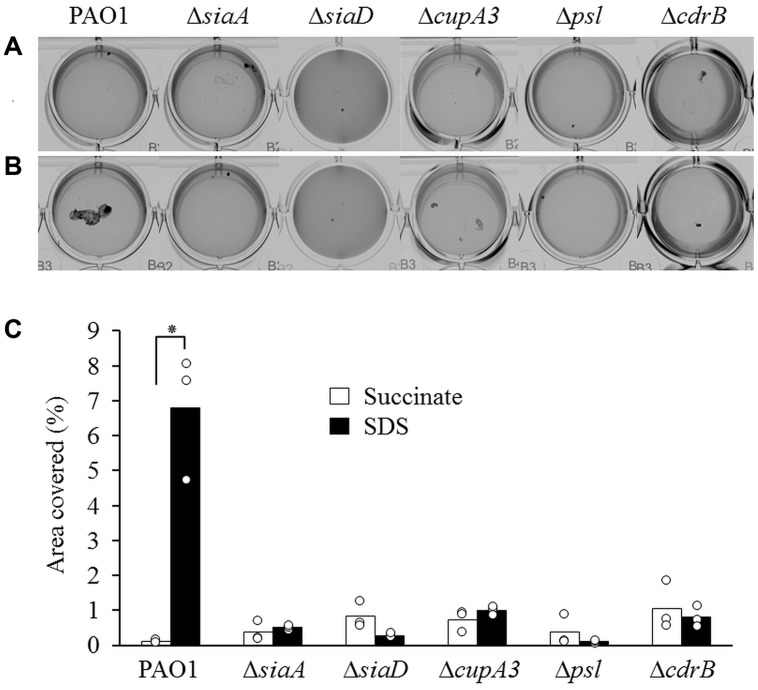
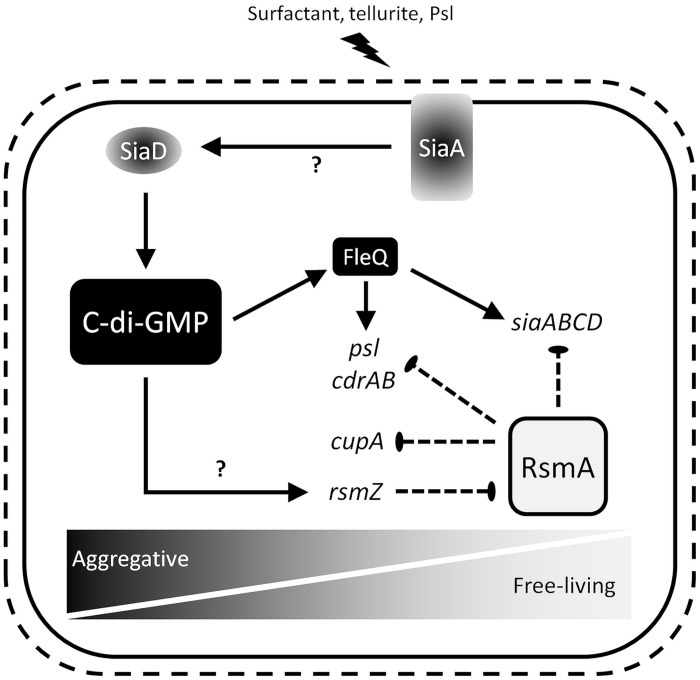
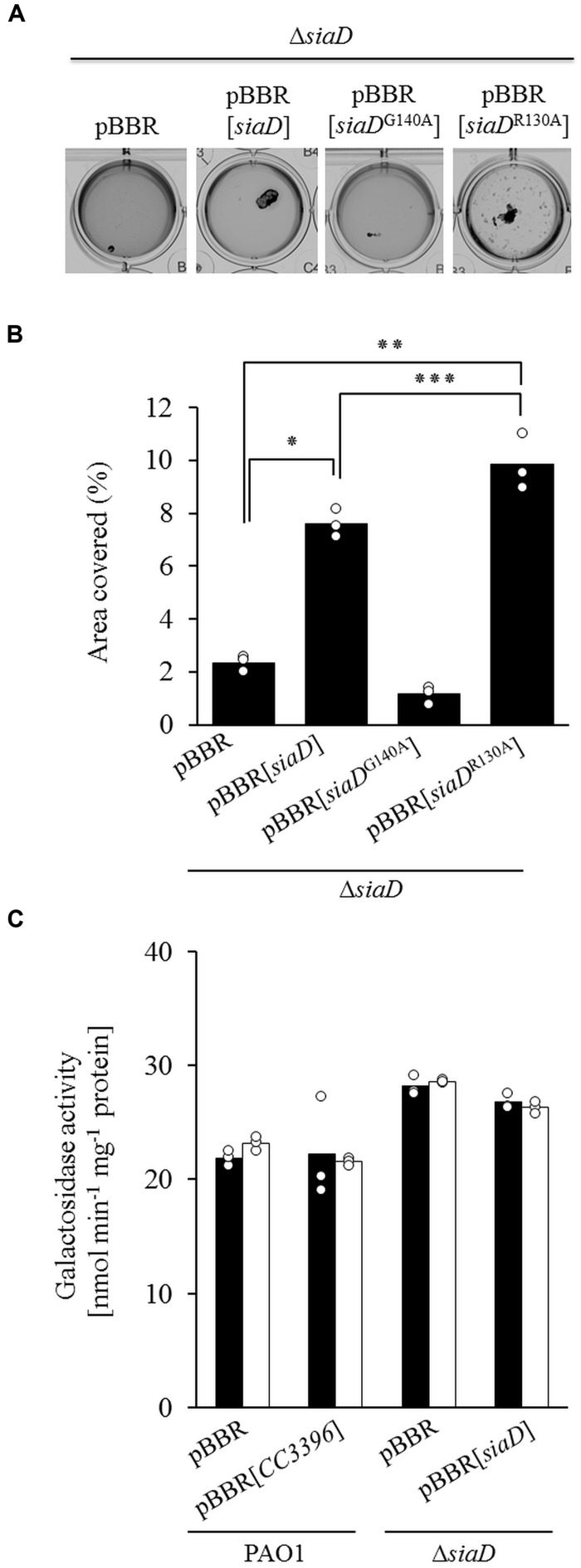
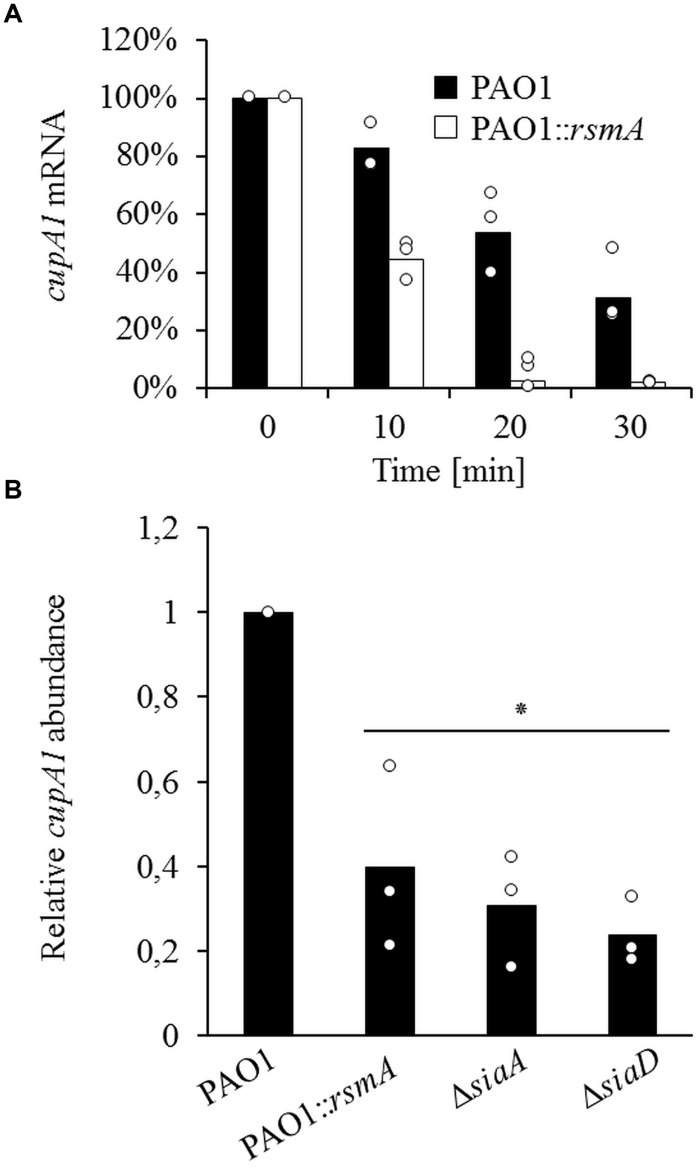
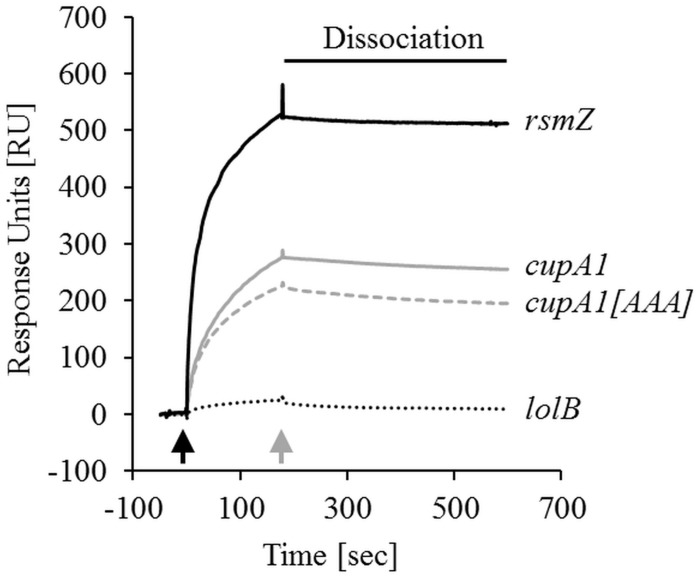
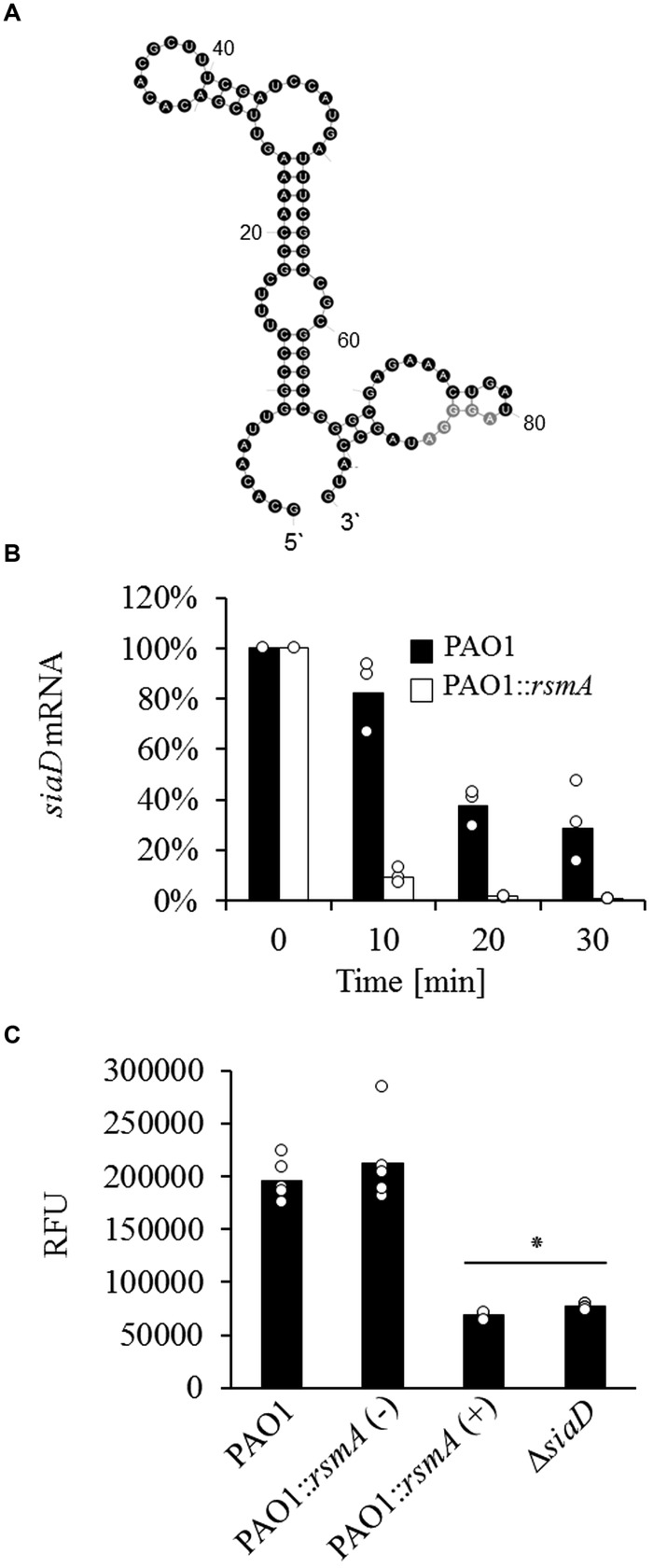
Pseudomonas aeruginosa has emerged as an important opportunistic human pathogen that is often highly resistant to eradication strategies, mediated in part by the formation of multicellular aggregates. Cellular aggregates may occur attached to a surface (biofilm), at the air-liquid interface (pellicle), or as suspended aggregates. Compared to surface attached communities, knowledge about the regulatory processes involved in the formation of suspended cell aggregates is still limited. We have recently described the SiaA/D signal transduction module that regulates macroscopic cell aggregation during growth with, or in the presence of the surfactant SDS. Targets for SiaA/D mediated regulation include the Psl polysaccharide, the CdrAB two-partner secretion system and the CupA fimbriae. While the global regulators c-di-GMP and RsmA are known to inversely coordinate cell aggregation and regulate the expression of several adhesins, their potential impact on the expression of the cupA operon remains unknown. Here, we investigated the function of SiaA (a putative ser/thr phosphatase) and SiaD (a di-guanylate cyclase) in cupA1 expression using transcriptional reporter fusions and qRT-PCR. These studies revealed a novel interaction between the RsmA posttranscriptional regulatory system and SiaA/D mediated macroscopic aggregation. The RsmA/rsmY/Z system was found to affect macroscopic aggregate formation in the presence of surfactant by impacting the stability of the cupA1 mRNA transcript and we reveal that RsmA directly binds to the cupA1 leader sequence in vitro. We further identified that transcription of the RsmA antagonist rsmZ is controlled in a SiaA/D dependent manner during growth with SDS. Finally, we found that the siaD transcript is also under regulatory control of RsmA and that overproduction of RsmA or the deletion of siaD results in decreased cellular cyclic di-guanosine monophosphate (c-di-GMP) levels quantified by a transcriptional reporter, demonstrating that SiaA/D connects c-di-GMP and RsmA/rsmY/Z signaling to reciprocally regulate cell aggregation in response to environmental conditions.
铜绿假单胞菌已成为一种重要的人类机会致病菌,通常对根除策略具有高度抗性,部分原因是其形成了多细胞聚集体。细胞聚集体可能以附着于表面(生物膜)、气液界面(菌膜)或悬浮聚集体的形式出现。与附着于表面的群落相比,关于悬浮细胞聚集体形成所涉及的调控过程的了解仍然有限。我们最近描述了SiaA/D信号转导模块,该模块在有表面活性剂SDS存在或生长过程中调节宏观细胞聚集。SiaA/D介导的调控靶点包括Psl多糖、CdrAB双组分分泌系统和CupA菌毛。虽然已知全局调节因子环二鸟苷酸(c-di-GMP)和RsmA反向协调细胞聚集并调节几种粘附素的表达,但它们对cupA操纵子表达的潜在影响仍然未知。在这里,我们使用转录报告融合和定量逆转录聚合酶链反应(qRT-PCR)研究了SiaA(一种假定的丝氨酸/苏氨酸磷酸酶)和SiaD(一种二鸟苷酸环化酶)在cupA1表达中的功能。这些研究揭示了RsmA转录后调控系统与SiaA/D介导的宏观聚集之间的新型相互作用。发现RsmA/rsmY/Z系统通过影响cupA1 mRNA转录本的稳定性在有表面活性剂存在的情况下影响宏观聚集体形成,并且我们揭示RsmA在体外直接结合cupA1前导序列。我们进一步确定,在与SDS一起生长期间,RsmA拮抗剂rsmZ的转录以SiaA/D依赖的方式受到控制。最后,我们发现siaD转录本也受RsmA的调控,并且RsmA的过量表达或siaD的缺失导致通过转录报告定量的细胞内环二鸟苷单磷酸(c-di-GMP)水平降低,表明SiaA/D连接c-di-GMP和RsmA/rsmY/Z信号传导以响应环境条件相互调节细胞聚集。