Oikari Lotta E, Okolicsanyi Rachel K, Griffiths Lyn R, Haupt Larisa M
Genomics Research Centre, Institute of Health and Biomedical Innovation, Queensland University of Technology, Brisbane, Australia.
Data Brief. 2016 Feb 19;7:206-15. doi: 10.1016/j.dib.2016.02.030. eCollection 2016 Jun.
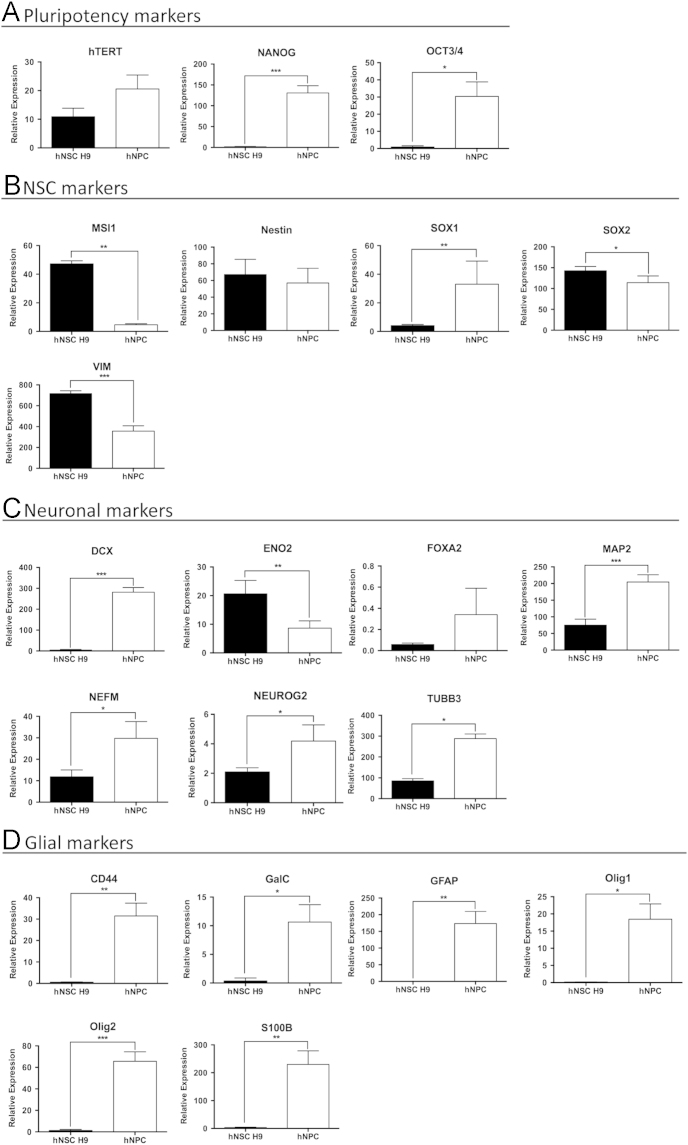
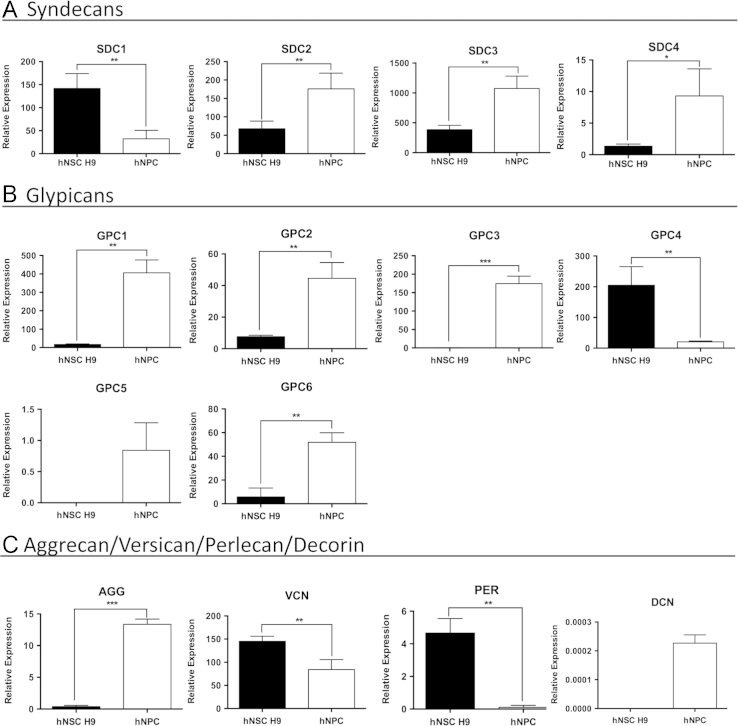
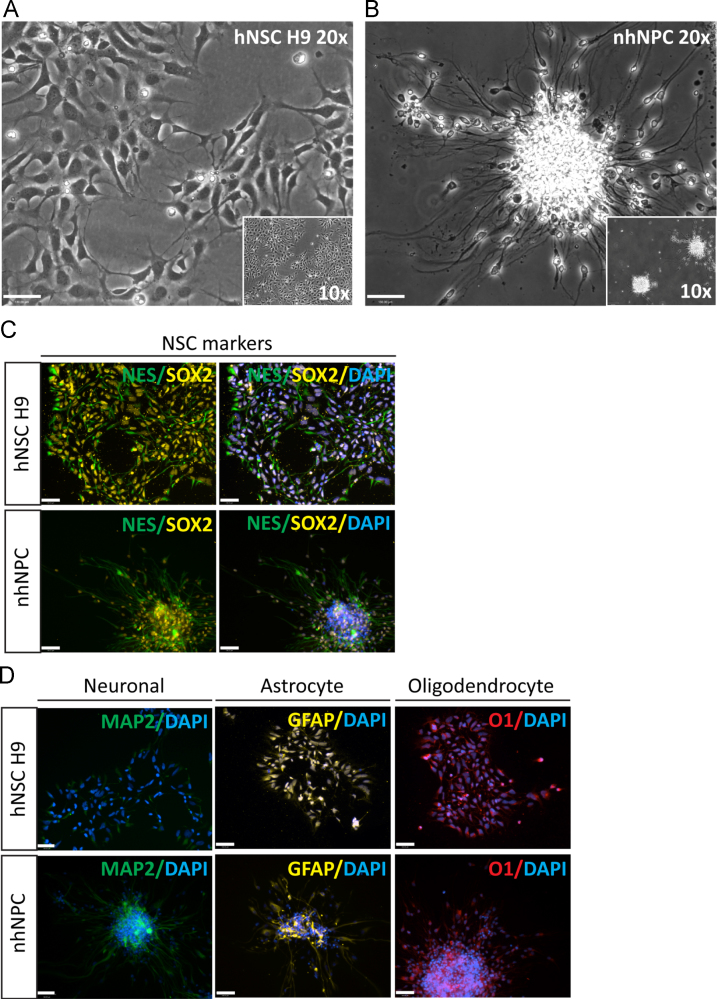
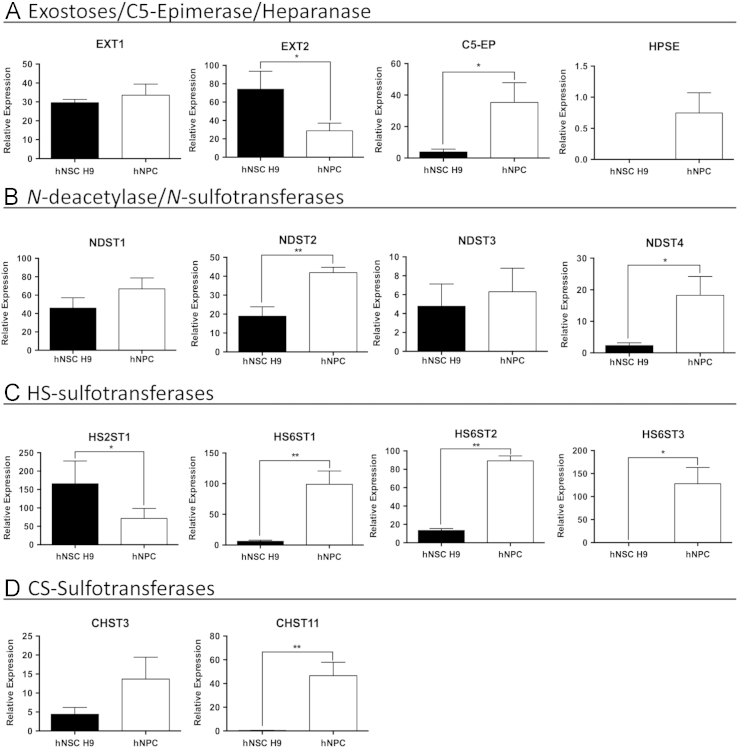
Neural stem cells (NSCs) and neural progenitor cells (NPCs) are self-renewing and multipotent cells, however, NPCs are considered to be more lineage-restricted with a reduced self-renewing capacity. We present data comparing the expression of 21 markers encompassing pluripotency, self-renewal (NSC) as well as neuronal and glial (astrocyte and oligodendrocyte) lineage specification and 28 extracellular proteoglycan (PG) genes and their regulatory enzymes between embryonic stem cell (ESC)-derived human NSCs (hNSC H9 cells, Thermo Fisher) and human cortex-derived normal human NPCs (nhNPCs, Lonza). The data demonstrates expression differences of multiple lineage and proteoglycan-associated genes between hNSC H9 cells and nhNPCs. Data interpretation of markers and proteoglycans defining NSC and neural cell lineage characterisation can be found in "Cell surface heparan sulfate proteoglycans as novel markers of human neural stem cell fate determination" (Oikari et al. 2015) [1].
神经干细胞(NSCs)和神经祖细胞(NPCs)是具有自我更新能力和多能性的细胞,然而,NPCs被认为具有更强的谱系限制且自我更新能力降低。我们展示了比较21种标志物表达的数据,这些标志物涵盖多能性、自我更新(NSC)以及神经元和神经胶质(星形胶质细胞和少突胶质细胞)谱系特异性,还比较了28种细胞外蛋白聚糖(PG)基因及其调控酶在胚胎干细胞(ESC)来源的人神经干细胞(hNSC H9细胞,赛默飞世尔科技公司)和人皮质来源的正常人神经祖细胞(nhNPCs,龙沙集团)之间的表达。数据表明hNSC H9细胞和nhNPCs之间多种谱系和蛋白聚糖相关基因存在表达差异。关于定义NSC和神经细胞谱系特征的标志物和蛋白聚糖的数据解读可在《细胞表面硫酸乙酰肝素蛋白聚糖作为人类神经干细胞命运决定的新标志物》(奥伊卡里等人,2015年)[1]中找到。