Avvisati Riccardo, Contu Laura, Stendardo Emiliana, Michetti Caterina, Montanari Christian, Scattoni Maria Luisa, Badiani Aldo
Department of Physiology and Pharmacology "Vittorio Erspamer", Sapienza University of Rome, Rome, Italy.
Istituto Superiore di Sanità, Rome, Italy.
Psychopharmacology (Berl). 2016 Apr;233(8):1501-11. doi: 10.1007/s00213-016-4247-4. Epub 2016 Mar 10.
Clinical and preclinical evidence indicates that the setting of drug use affects drug reward in a substance-specific manner. Heroin and cocaine co-abusers, for example, indicated distinct settings for the two drugs: heroin being used preferentially at home and cocaine preferentially outside the home. Similar results were obtained in rats that were given the opportunity to self-administer intravenously both heroin and cocaine.
The goal of the present study was to investigate the possibility that the positive affective state induced by cocaine is enhanced when the drug is taken at home relative to a non-home environment, and vice versa for heroin.
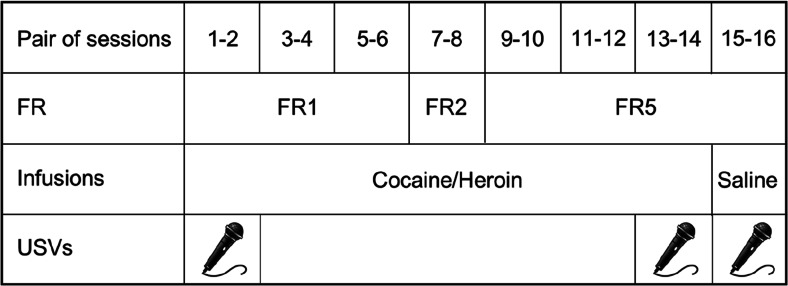
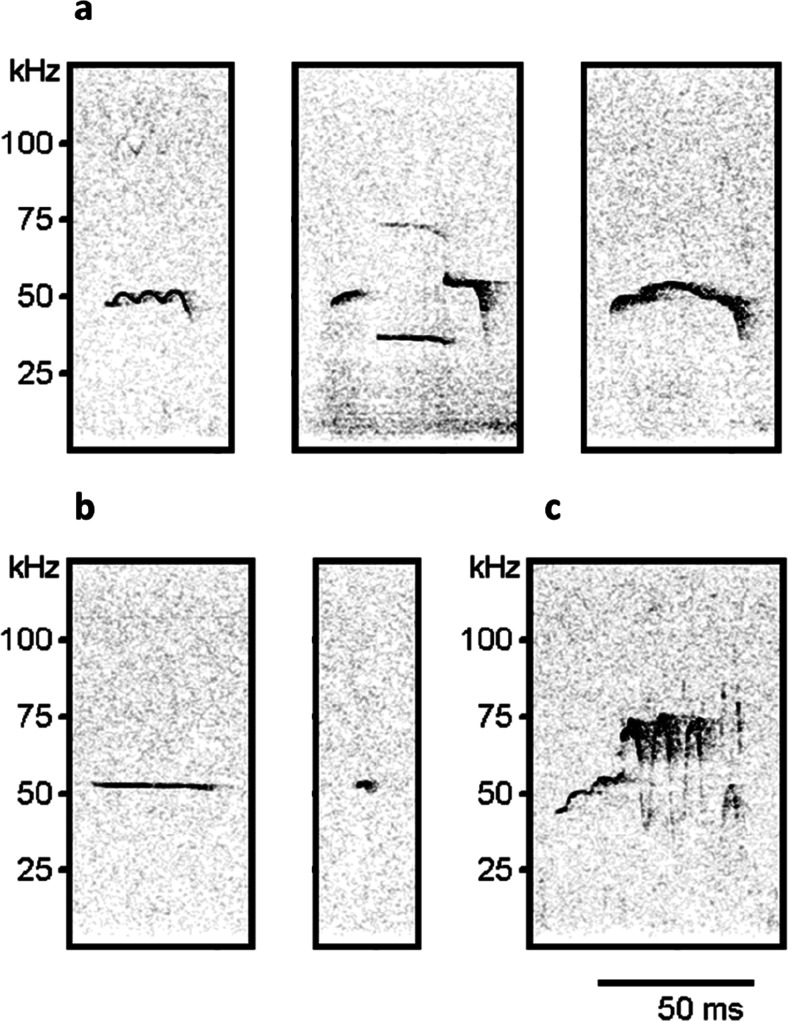
To test this hypothesis, we trained male rats to self-administer both heroin and cocaine on alternate days and simultaneously recorded the emission of ultrasonic vocalizations (USVs), as it has been reported that rats emit 50-kHz USVs when exposed to rewarding stimuli, suggesting that these USVs reflect positive affective states.
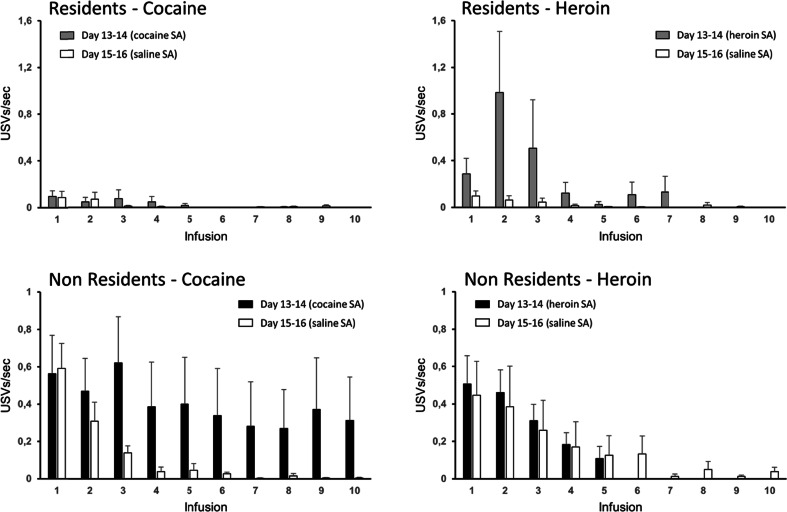
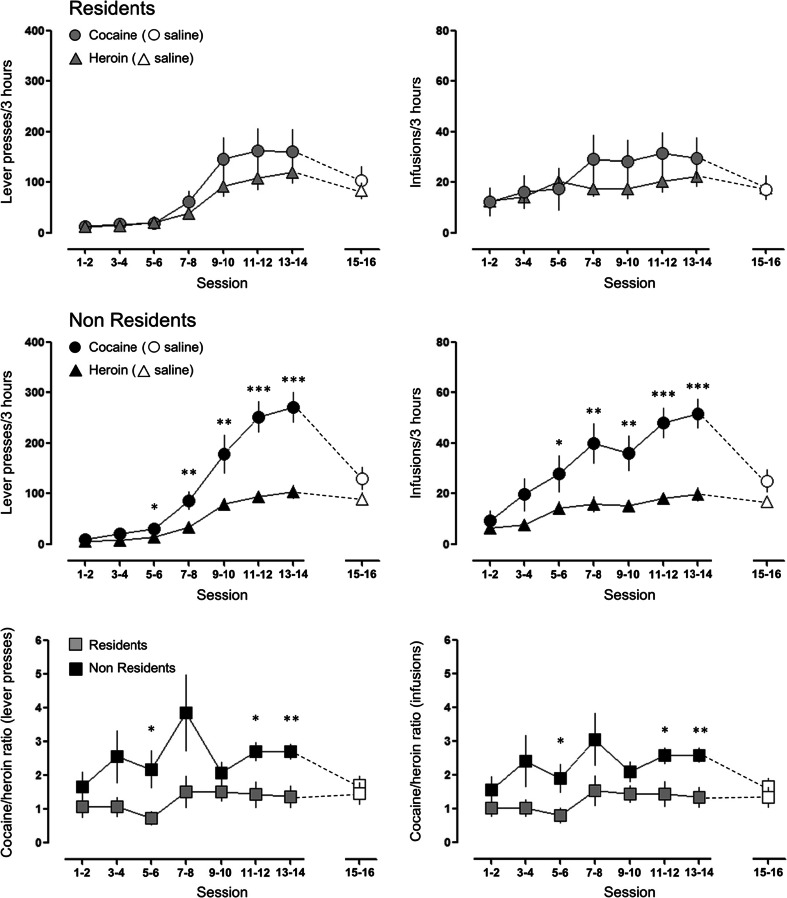
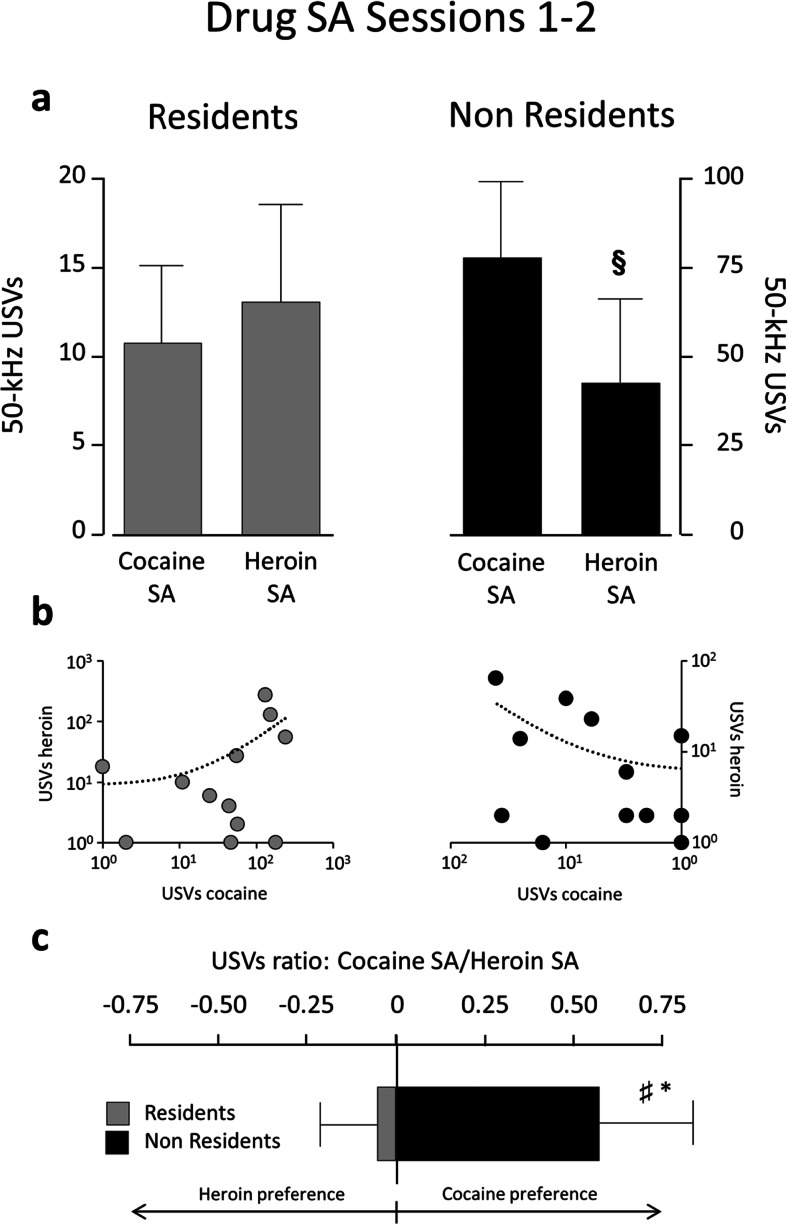
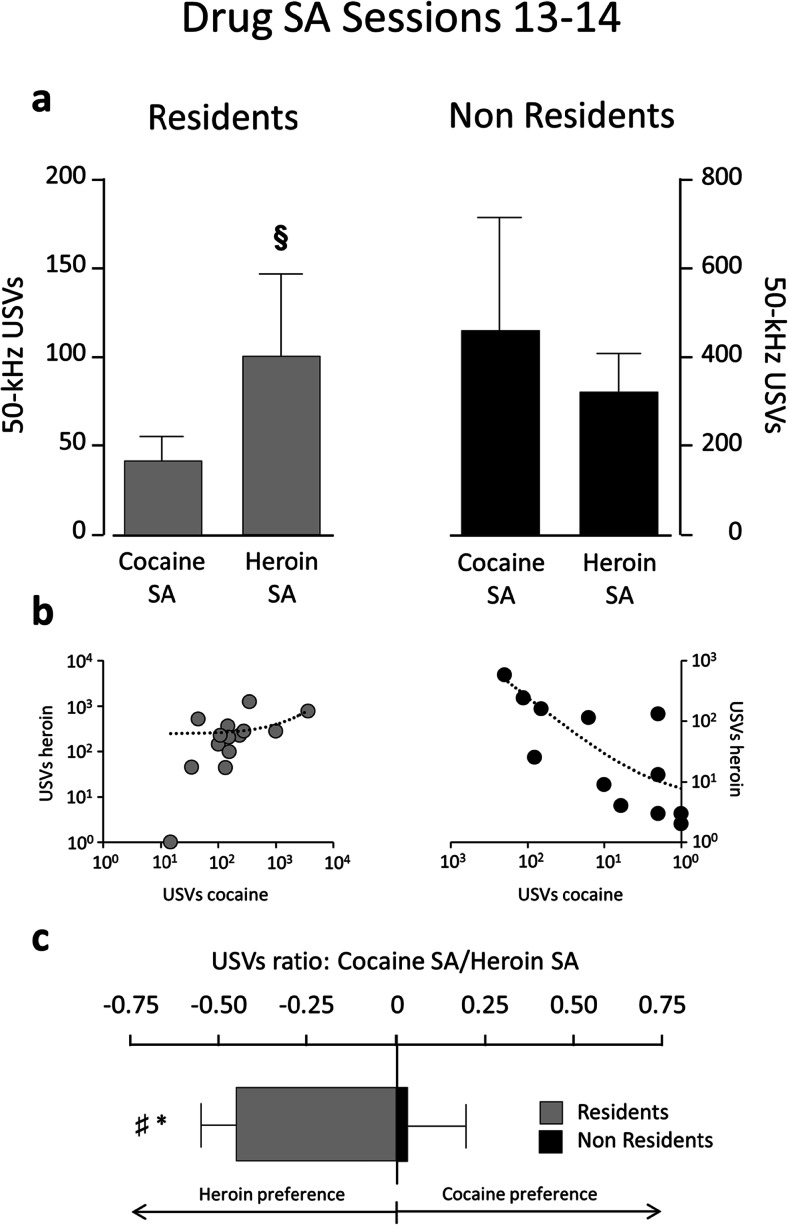
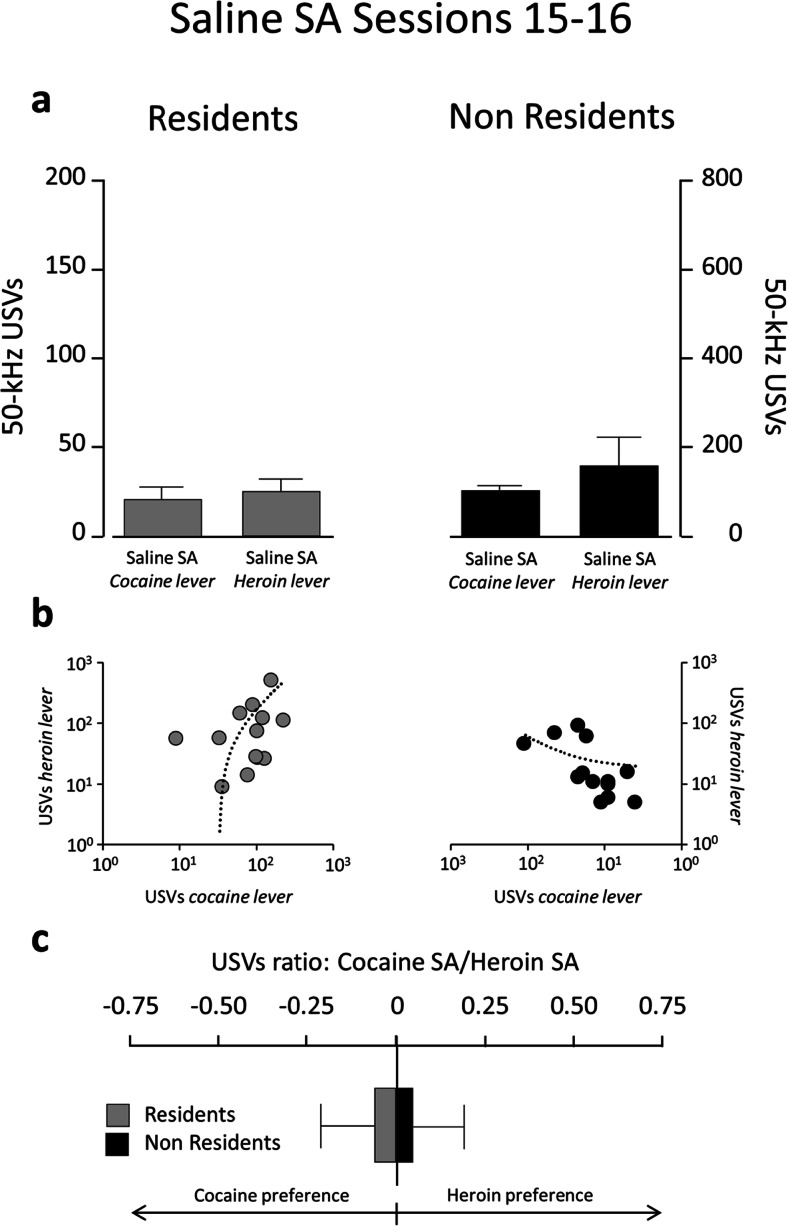
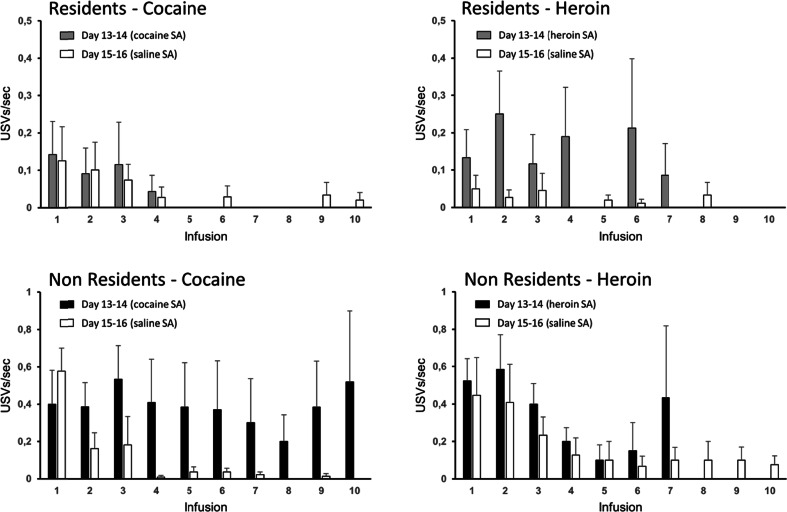
We found that Non-Resident rats emitted more 50-kHz USVs when they self-administered cocaine than when self-administered heroin whereas Resident rats emitted more 50-kHz USVs when self-administering heroin than when self-administering cocaine. Differences in USVs in Non-Resident rats were more pronounced during the first self-administration (SA) session, when the SA chambers were completely novel to them. In contrast, the differences in USVs in Resident rats were more pronounced during the last SA sessions.
These findings indicate that the setting of drug taking exerts a substance-specific influence on the ability of drugs to induce positive affective states.
临床和临床前证据表明,用药环境会以物质特异性的方式影响药物奖赏。例如,海洛因和可卡因共同滥用者指出这两种药物的使用环境不同:海洛因更倾向于在家中使用,而可卡因更倾向于在家外使用。在有机会静脉内自我给药海洛因和可卡因的大鼠中也获得了类似的结果。
本研究的目的是调查与非家庭环境相比,在家中服用可卡因时所诱导的积极情感状态是否会增强,反之对于海洛因是否相反。
为了验证这一假设,我们训练雄性大鼠隔天自我给药海洛因和可卡因,并同时记录超声波发声(USV)的发出情况,因为据报道大鼠在受到奖赏刺激时会发出50kHz的USV,这表明这些USV反映了积极的情感状态。
我们发现,非居住大鼠自我给药可卡因时比自我给药海洛因时发出更多的50kHz USV,而居住大鼠自我给药海洛因时比自我给药可卡因时发出更多的50kHz USV。非居住大鼠在首次自我给药(SA)期间,即SA箱对它们来说完全陌生时,USV的差异更为明显。相比之下,居住大鼠在最后一次SA期间USV的差异更为明显。
这些发现表明,服药环境对药物诱导积极情感状态的能力具有物质特异性影响。