Kharaeva Zaira F, Zhanimova Lyana R, Mustafaev Magomet Sh, De Luca Chiara, Mayer Wolfgang, Chung Sheun Thai Jeffrey, Tiew Siok Tuan Rebecca, Korkina Liudmila G
Kabardino-Balkar Berbekov's State University, 176 Chernishevskogo Street, Nal'chik 360000, Russia.
Medena AG, 16 Industriestrasse, 8910 Affoltern am Albis, Switzerland.
Mediators Inflamm. 2016;2016:9379840. doi: 10.1155/2016/9379840. Epub 2016 Feb 10.
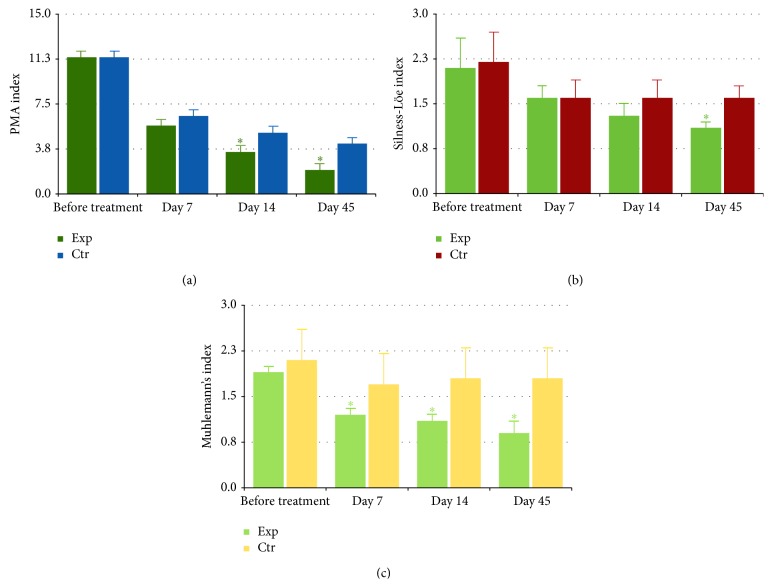
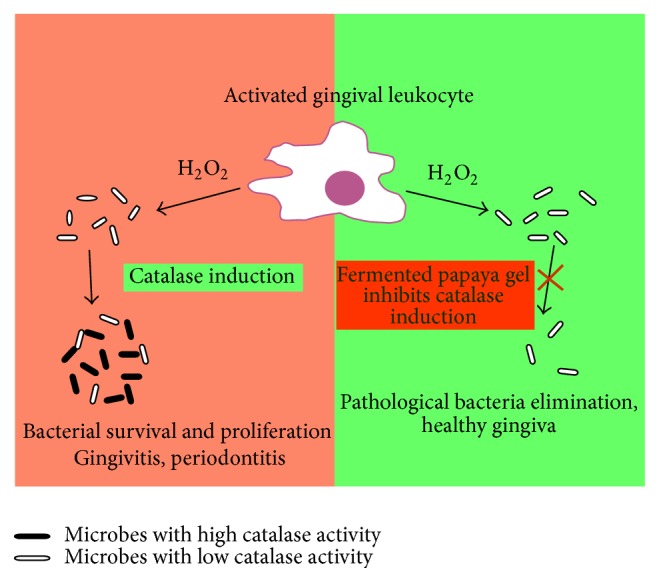
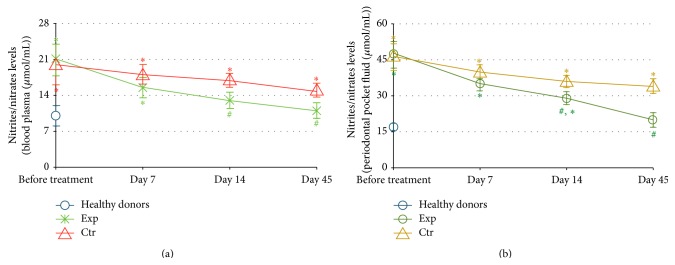
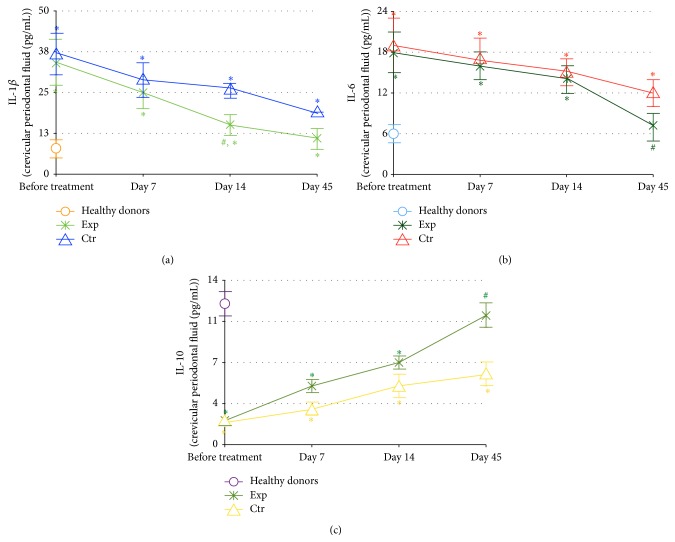
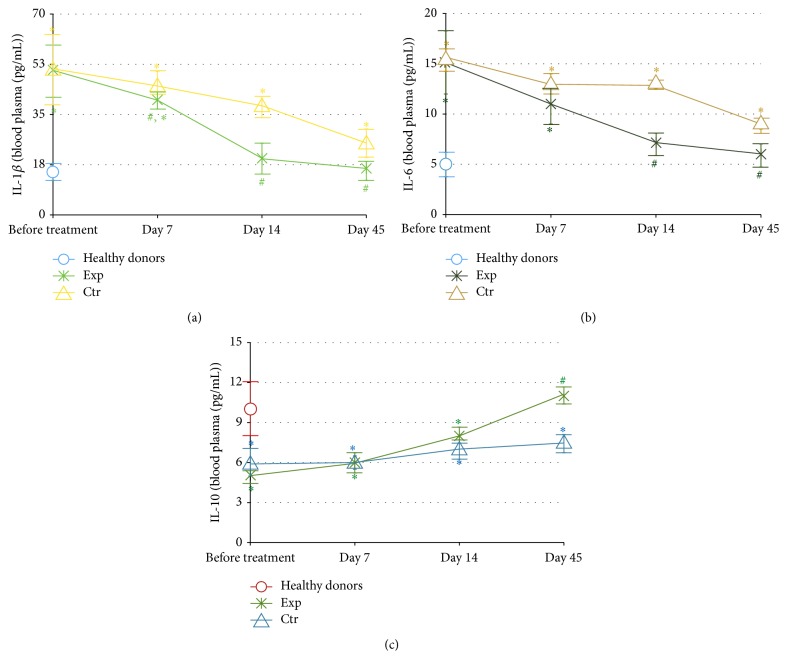
The clinical efficacy of topical administration of standardised fermented papaya gel (SFPG), known to have antioxidant and anti-inflammatory properties, versus conventional therapy was evaluated in a group of 84 patients with moderate-to-severe periodontitis, randomly assigned to control group (n = 45) undergoing traditional pharmacologic/surgical protocols or to experimental group (n = 39), additionally treated with intragingival pocket SFPG (7 g) applications (15 min daily for 10 days). Patients undergoing SFPG treatment showed significant (P < 0.05), durable improvement of three major clinical indices of disease severity: reduced bleeding (day 7), plaque and gingival conditions (day 14), and consistent gingival pocket depth reduction (day 45). Proinflammatory nitric oxide metabolites reached normal values in plasma (day 14) and gingival crevicular fluid (GCF) at day 45 with SFPG applications compared to controls that did not reach normalisation. Levels of highly increased proinflammatory (IL-1B, IL-6) and suppressed anti-inflammatory (IL-10) cytokines normalised in the SFPG group by days 14 (plasma) and 45 (GCF), but never in the control group. Although not acting directly as antibiotic, SFPG acted in synergy with human granulocytes blocking adaptive catalase induction in S. aureus in response to granulocyte-derived oxidative stress, thus enhancing intracellular bacterial killing.
已知具有抗氧化和抗炎特性的标准化发酵木瓜凝胶(SFPG)局部给药与传统疗法的临床疗效,在一组84例中重度牙周炎患者中进行了评估,这些患者被随机分配到接受传统药物/手术方案的对照组(n = 45)或实验组(n = 39),实验组额外接受龈沟内SFPG(7g)给药(每天15分钟,共10天)。接受SFPG治疗的患者在疾病严重程度的三个主要临床指标上显示出显著(P < 0.05)且持久的改善:出血减少(第7天)、菌斑和牙龈状况改善(第14天)以及龈沟深度持续减少(第45天)。与未恢复正常的对照组相比,应用SFPG后,促炎一氧化氮代谢产物在血浆中于第14天达到正常水平,在龈沟液(GCF)中于第45天达到正常水平。促炎(IL-1B、IL-6)水平大幅升高且抗炎(IL-10)水平受到抑制的细胞因子在SFPG组中分别于第14天(血浆)和第45天(GCF)恢复正常,但在对照组中从未恢复正常。尽管SFPG并非直接作为抗生素起作用,但它与人类粒细胞协同作用,在金黄色葡萄球菌中阻断适应性过氧化氢酶诱导以应对粒细胞衍生的氧化应激,从而增强细胞内细菌杀伤作用。