Zappia Katherine J, Garrison Sheldon R, Palygin Oleg, Weyer Andy D, Barabas Marie E, Lawlor Michael W, Staruschenko Alexander, Stucky Cheryl L
Department of Cell Biology, Neurobiology and Anatomy, Medical College of Wisconsin, Milwaukee, Wisconsin, United States of America.
Department of Physiology, Medical College of Wisconsin, Milwaukee, Wisconsin, United States of America.
PLoS One. 2016 Mar 15;11(3):e0151602. doi: 10.1371/journal.pone.0151602. eCollection 2016.
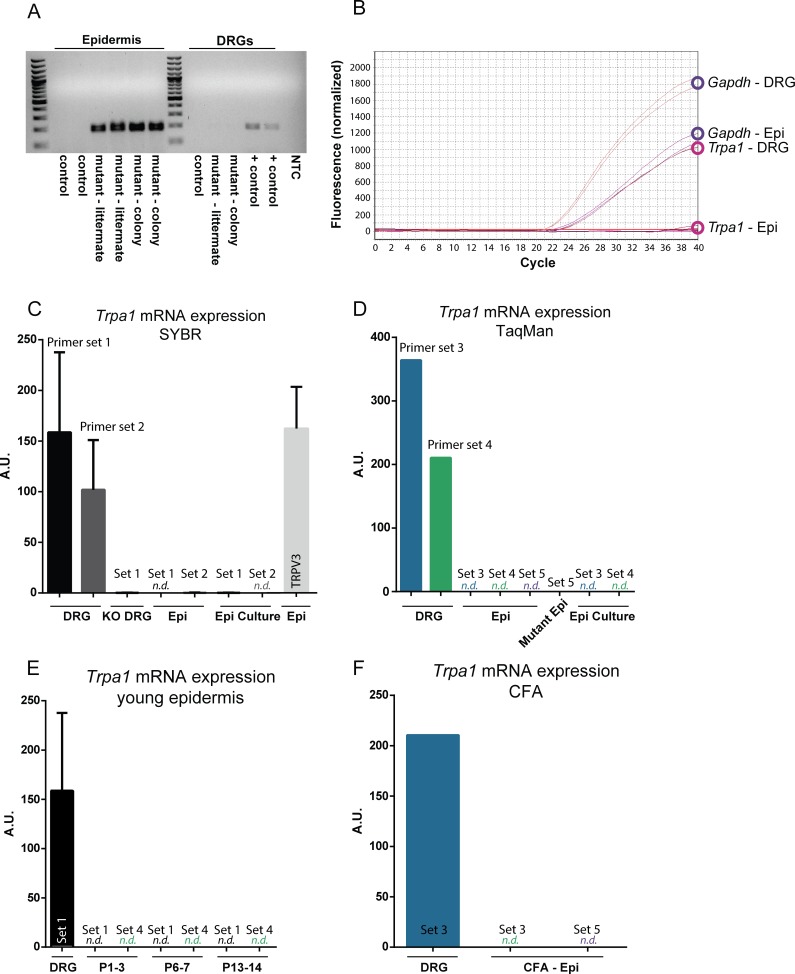
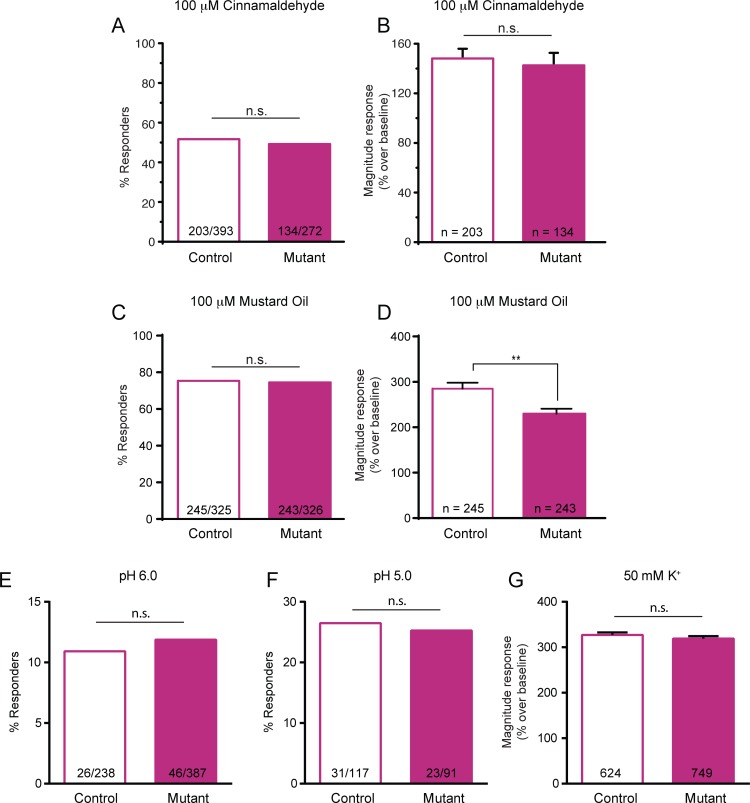
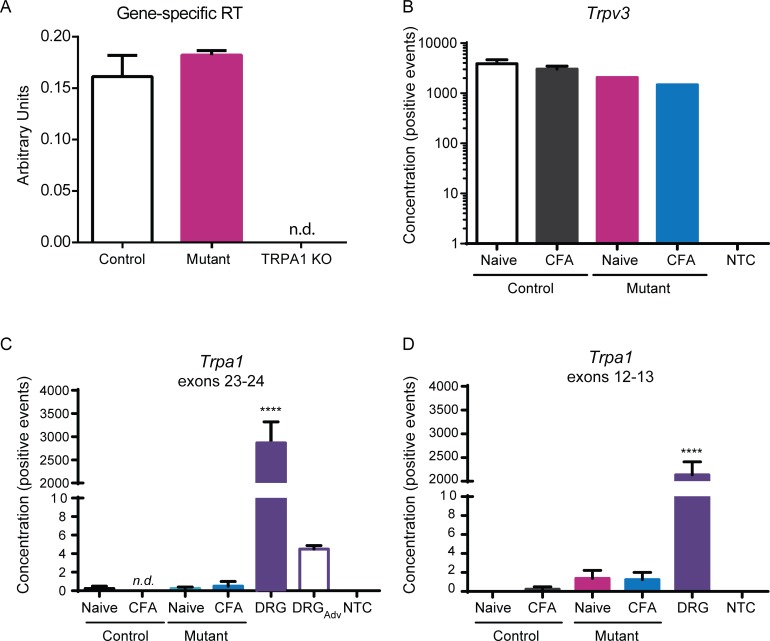
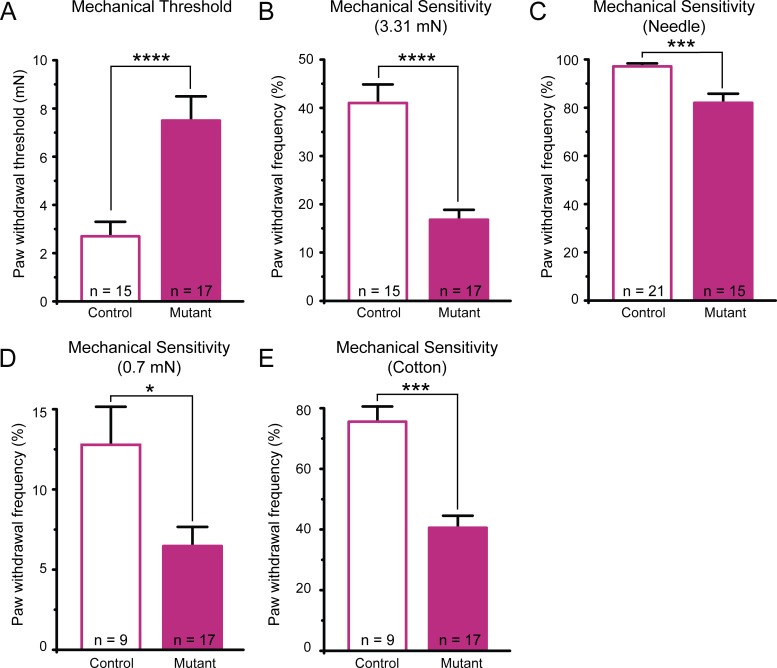
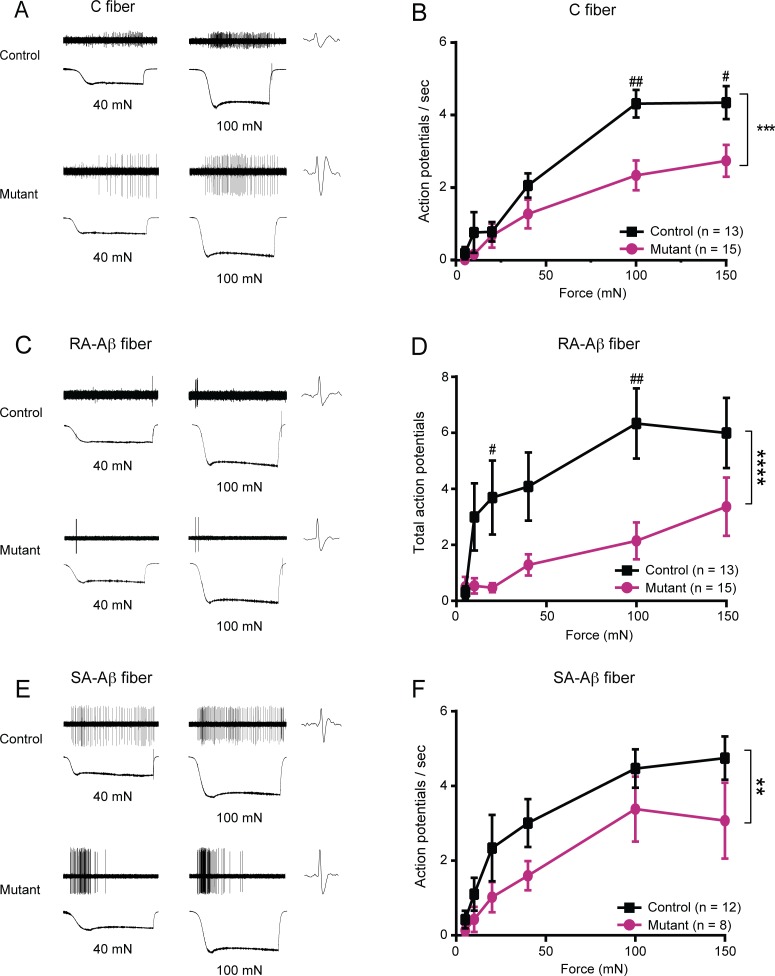
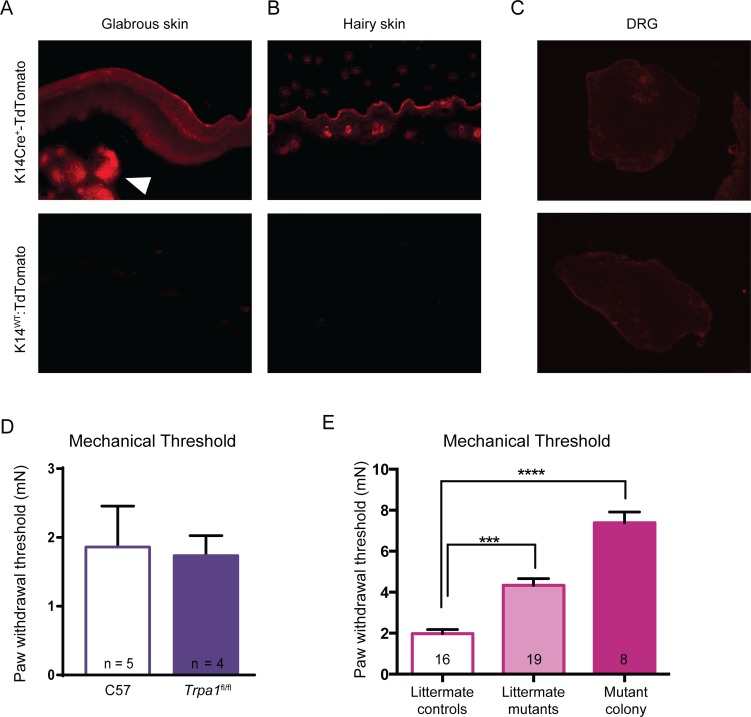
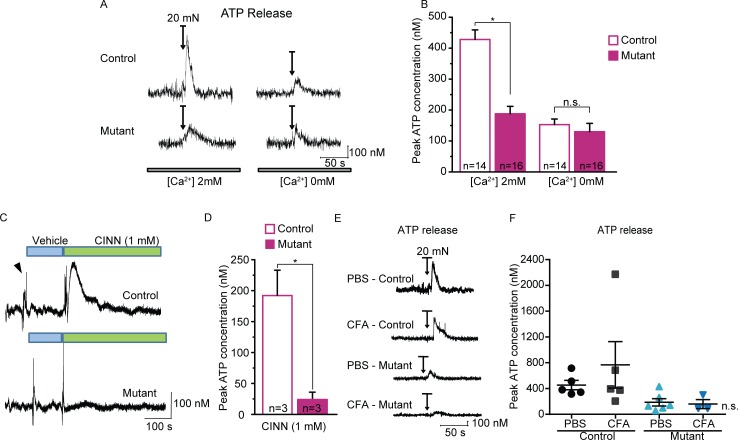
Keratinocytes are the first cells that come into direct contact with external tactile stimuli; however, their role in touch transduction in vivo is not clear. The ion channel Transient Receptor Potential Ankyrin 1 (TRPA1) is essential for some mechanically-gated currents in sensory neurons, amplifies mechanical responses after inflammation, and has been reported to be expressed in human and mouse skin. Other reports have not detected Trpa1 mRNA transcripts in human or mouse epidermis. Therefore, we set out to determine whether selective deletion of Trpa1 from keratinocytes would impact mechanosensation. We generated K14Cre-Trpa1fl/fl mice lacking TRPA1 in K14-expressing cells, including keratinocytes. Surprisingly, Trpa1 transcripts were very poorly detected in epidermis of these mice or in controls, and detection was minimal enough to preclude observation of Trpa1 mRNA knockdown in the K14Cre-Trpa1fl/fl mice. Unexpectedly, these K14Cre-Trpa1fl/fl mice nonetheless exhibited a pronounced deficit in mechanosensitivity at the behavioral and primary afferent levels, and decreased mechanically-evoked ATP release from skin. Overall, while these data suggest that the intended targeted deletion of Trpa1 from keratin 14-expressing cells of the epidermis induces functional deficits in mechanotransduction and ATP release, these deficits are in fact likely due to factors other than reduction of Trpa1 expression in adult mouse keratinocytes because they express very little, if any, Trpa1.
角质形成细胞是最先直接接触外部触觉刺激的细胞;然而,它们在体内触觉转导中的作用尚不清楚。离子通道瞬时受体电位锚蛋白1(TRPA1)对于感觉神经元中的一些机械门控电流至关重要,在炎症后会放大机械反应,并且据报道在人和小鼠皮肤中表达。其他报告未在人或小鼠表皮中检测到Trpa1 mRNA转录本。因此,我们着手确定从角质形成细胞中选择性缺失Trpa1是否会影响机械感觉。我们生成了K14Cre-Trpa1fl/fl小鼠,这些小鼠在包括角质形成细胞在内的表达K14的细胞中缺乏TRPA1。令人惊讶的是,在这些小鼠或对照的表皮中很难检测到Trpa1转录本,其检测量极少,以至于无法观察到K14Cre-Trpa1fl/fl小鼠中Trpa1 mRNA的敲低情况。出乎意料的是,这些K14Cre-Trpa1fl/fl小鼠在行为和初级传入水平上仍然表现出明显的机械敏感性缺陷,并且皮肤机械诱发的ATP释放减少。总体而言,虽然这些数据表明从表皮中表达角蛋白14的细胞中靶向缺失Trpa1会导致机械转导和ATP释放功能缺陷,但实际上这些缺陷可能是由于成年小鼠角质形成细胞中Trpa1表达减少以外的因素导致的,因为它们表达的Trpa1极少(如果有的话)。