Schlieve Christopher R, Mojica Salvador Garcia, Holoyda Kathleen A, Hou Xiaogang, Fowler Kathryn L, Grikscheit Tracy C
Developmental Biology and Regenerative Medicine Program, The Saban Research Institute at Children's Hospital Los Angeles, Los Angeles, California, United States of America.
Department of Surgery, Division of Pediatric Surgery, Children's Hospital Los Angeles, Los Angeles, California, United States of America.
PLoS One. 2016 Mar 15;11(3):e0151396. doi: 10.1371/journal.pone.0151396. eCollection 2016.
Vascular endothelial growth factor (VEGF) is a highly conserved, master regulatory molecule required for endothelial cell proliferation, organization, migration and branching morphogenesis. Podocoryne carnea and drosophila, which lack endothelial cells and a vascular system, express VEGF homologs, indicating potential roles beyond angiogenesis and vasculogenesis. The role of VEGF in the development and homeostasis of the postnatal small intestine is unknown. We hypothesized regulating VEGF bioavailability in the postnatal small intestine would exhibit effects beyond the vasculature and influence epithelial cell stem/progenitor populations.
VEGF mutant mice were created that overexpressed VEGF in the brush border of epithelium via the villin promotor following doxycycline treatment. To decrease VEGF bioavailability, sFlt-1 mutant mice were generated that overexpressed the soluble VEGF receptor sFlt-1 upon doxycycline administration in the intestinal epithelium. Mice were analyzed after 21 days of doxycycline administration.
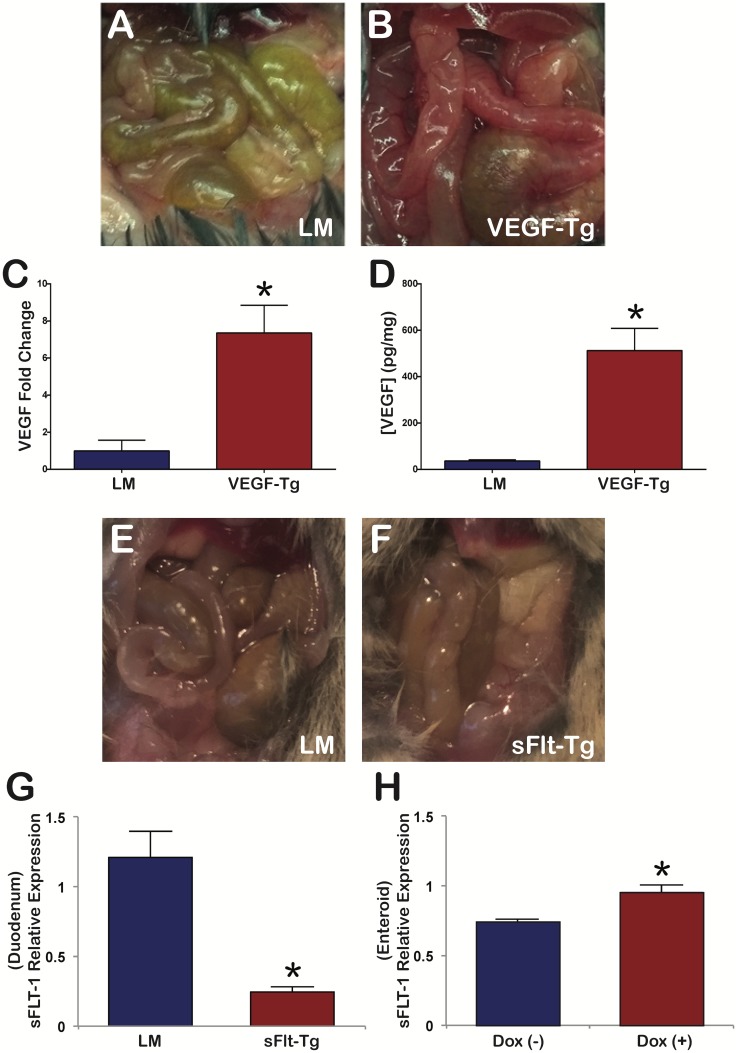
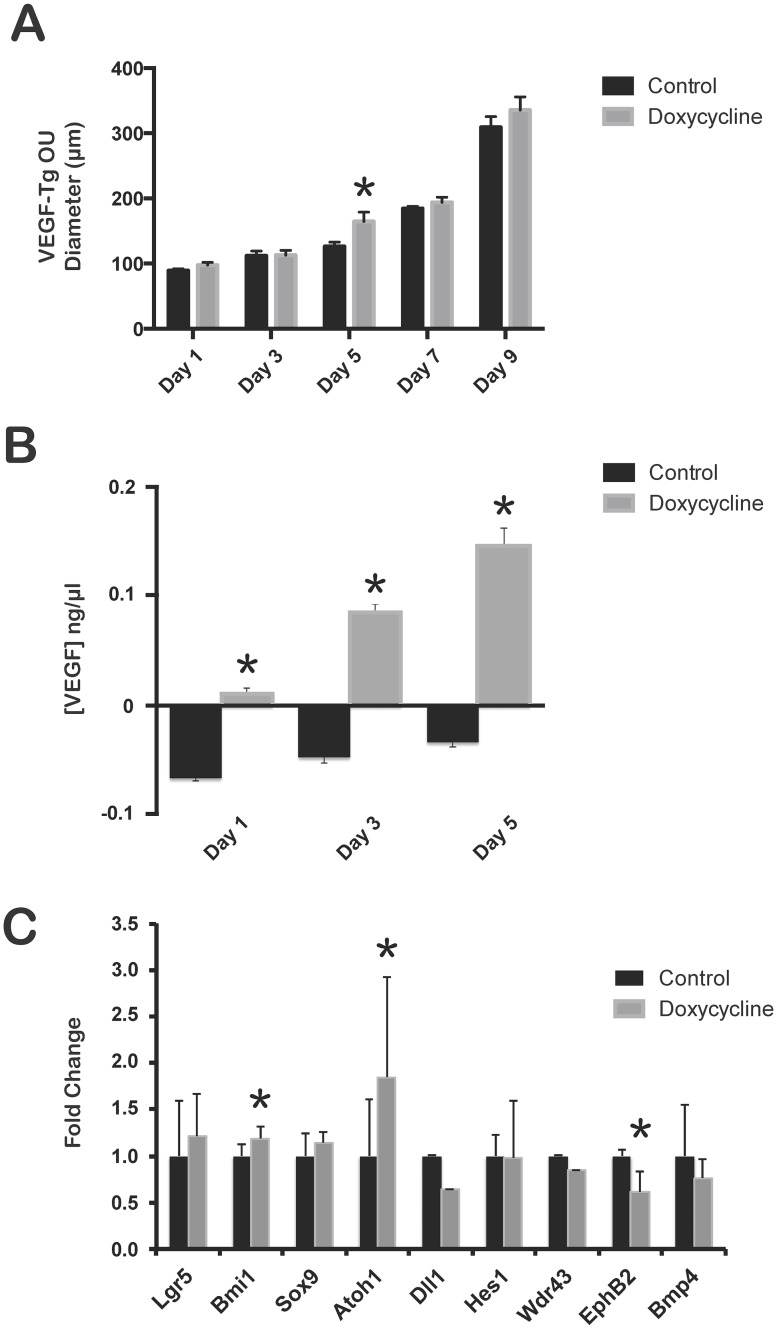
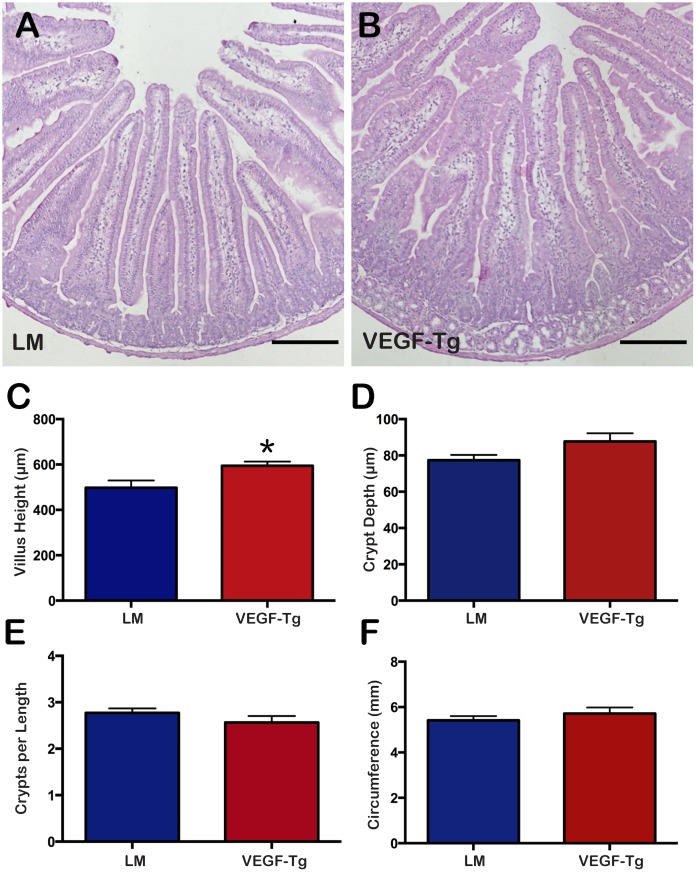
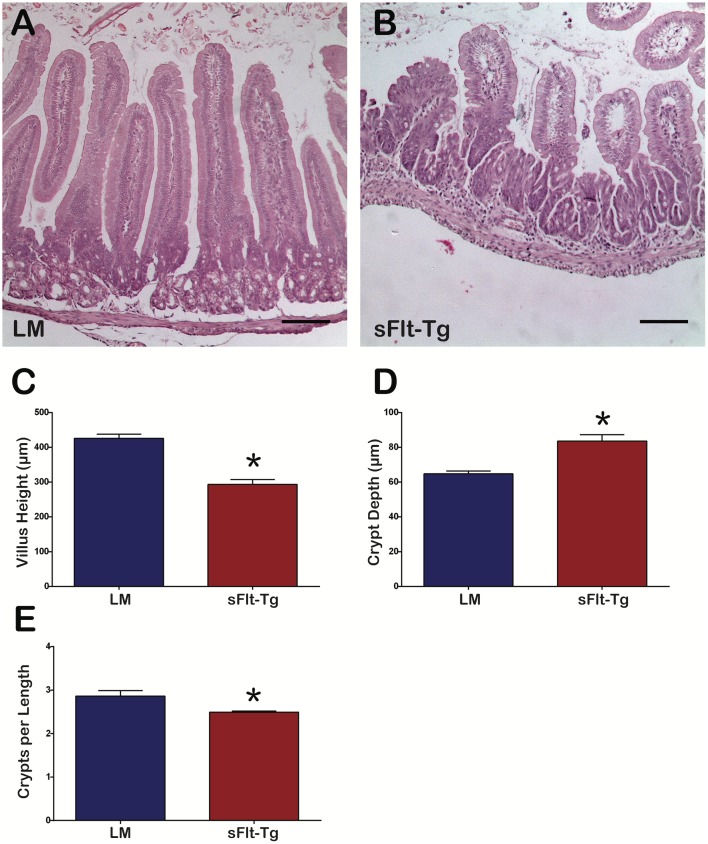
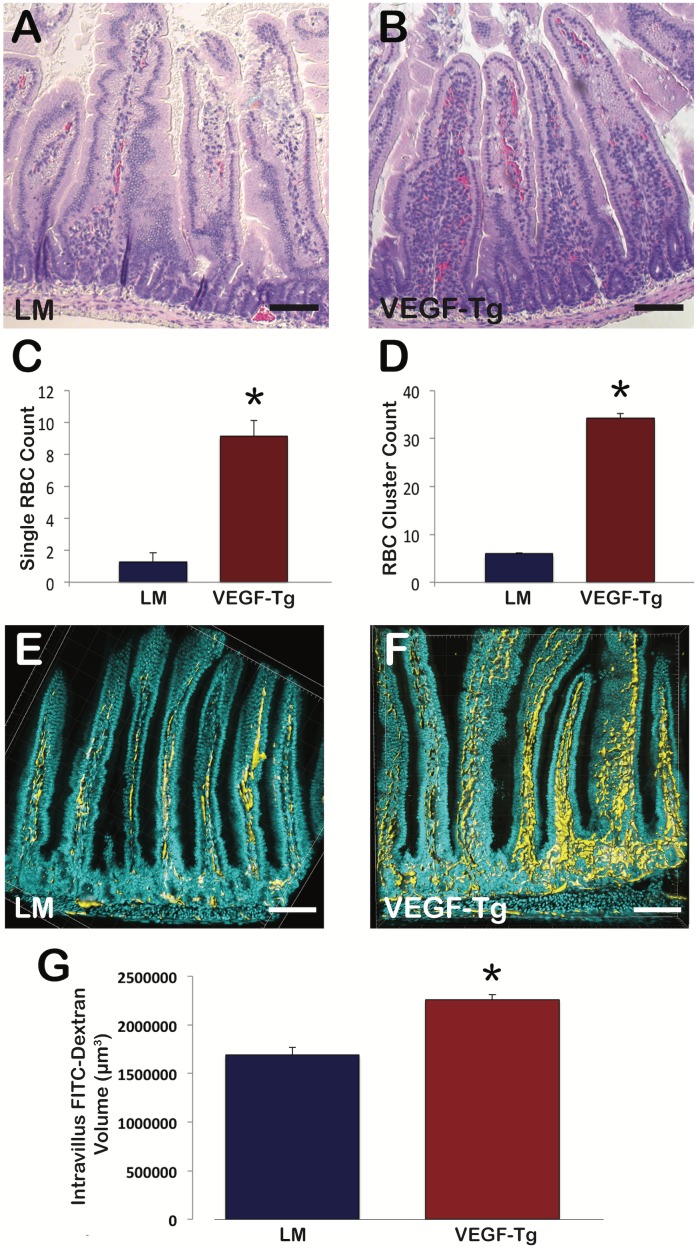
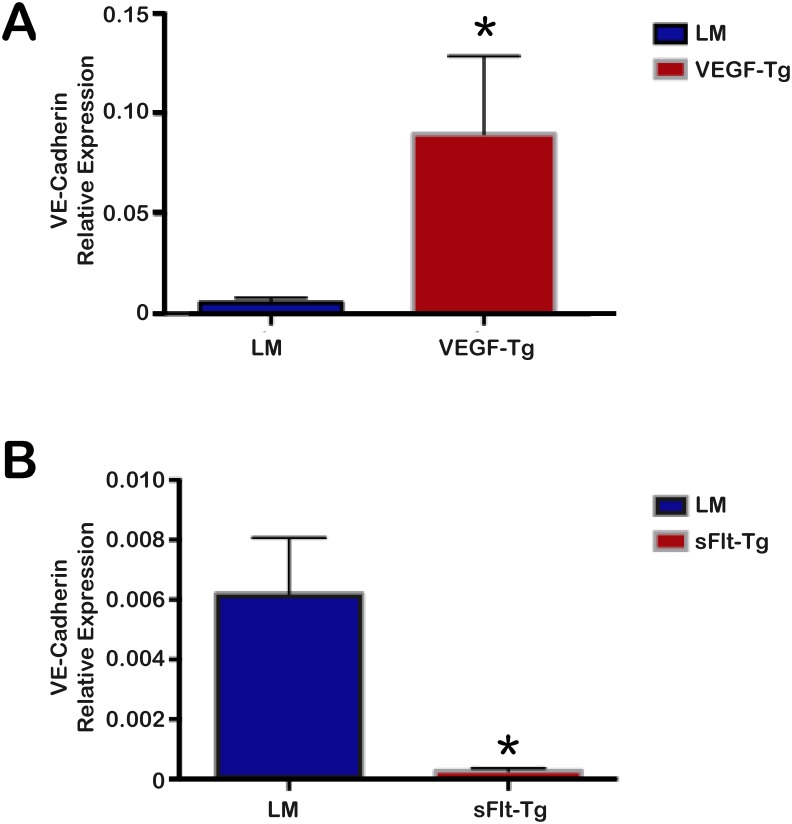
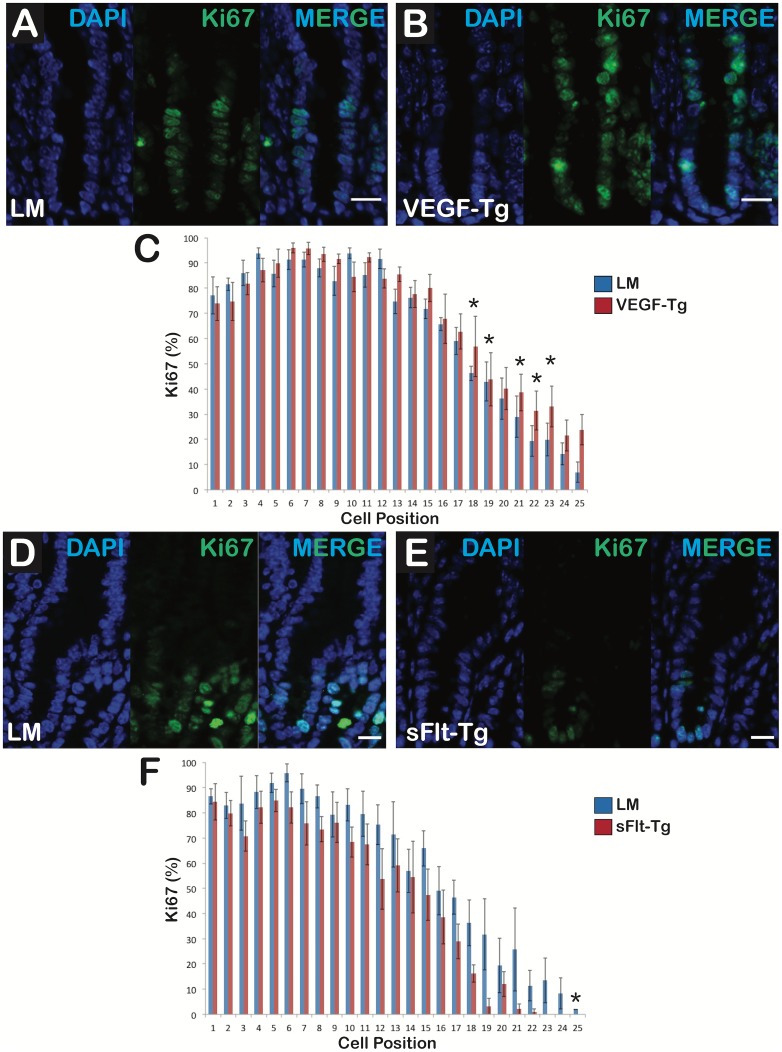
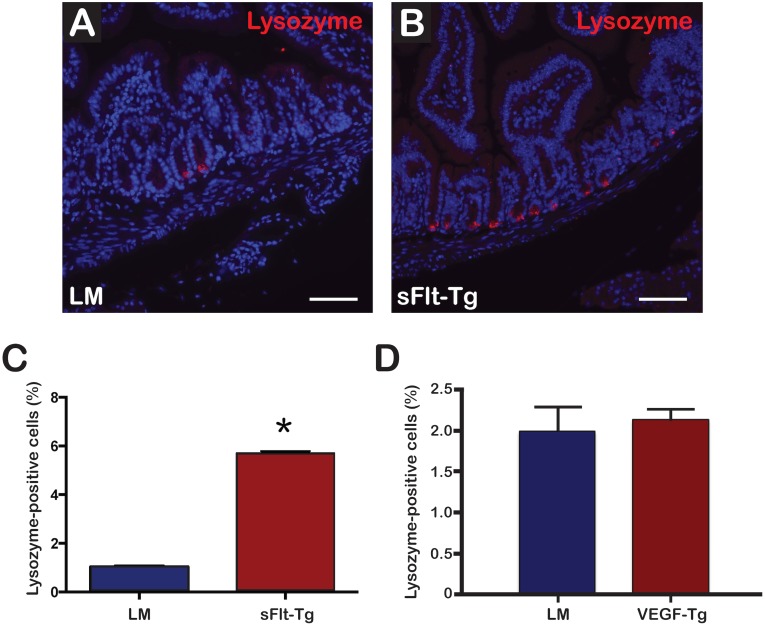
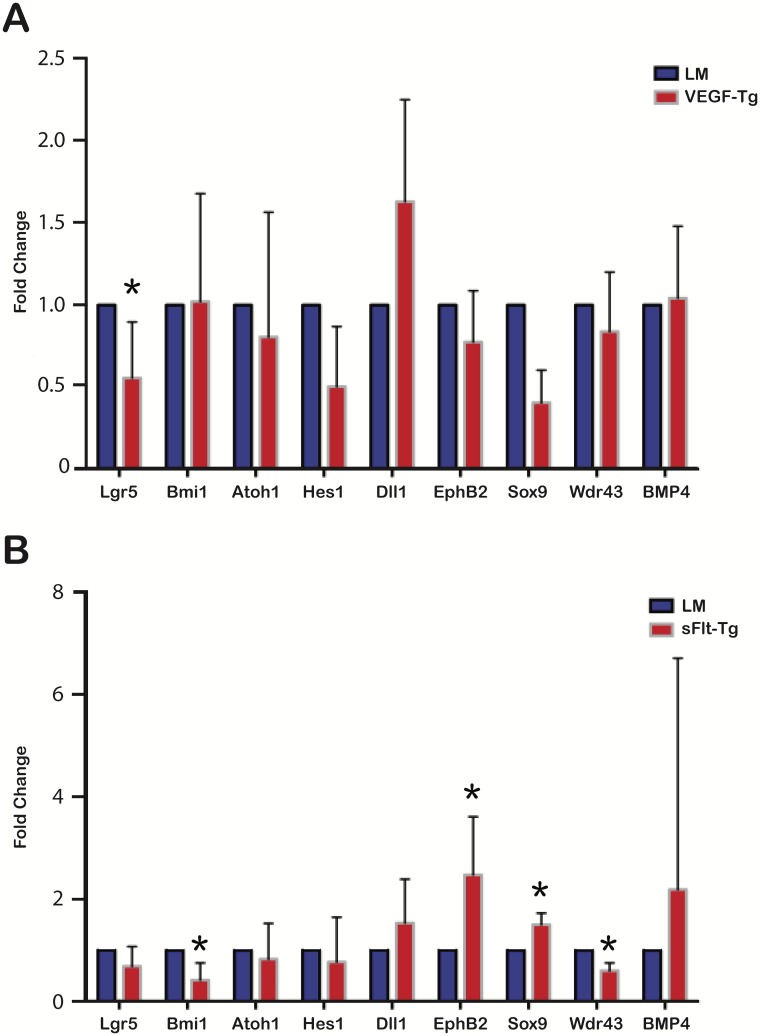
Increased VEGF expression was confirmed by RT-qPCR and ELISA in the intestine of the VEGF mutants compared to littermates. The VEGF mutant duodenum demonstrated increased angiogenesis and vascular leak as compared to littermate controls. The VEGF mutant duodenum revealed taller villi and increased Ki-67-positive cells in the transit-amplifying zone with reduced Lgr5 expression. The duodenum of sFlt-1 mutants revealed shorter villi and longer crypts with reduced proliferation in the transit-amplifying zone, reduced expression of Dll1, Bmp4 and VE-cadherin, and increased expression of Sox9 and EphB2.
Manipulating VEGF bioavailability leads to profound effects on not only the intestinal vasculature, but epithelial stem and progenitor cells in the intestinal crypt. Elucidation of the crosstalk between VEGF signaling in the vasculature, mesenchyme and epithelial stem/progenitor cell populations may direct future cell therapies for intestinal dysfunction or disease.
血管内皮生长因子(VEGF)是一种高度保守的主要调节分子,是内皮细胞增殖、组织形成、迁移和分支形态发生所必需的。缺乏内皮细胞和血管系统的海仙人掌和果蝇表达VEGF同源物,这表明VEGF的作用可能超出血管生成和血管发生的范畴。VEGF在出生后小肠发育和内环境稳态中的作用尚不清楚。我们推测,调节出生后小肠中VEGF的生物利用度将产生超出脉管系统的效应,并影响上皮细胞干细胞/祖细胞群体。
构建VEGF突变小鼠,在强力霉素处理后,通过绒毛蛋白启动子在上皮刷状缘过表达VEGF。为降低VEGF的生物利用度,构建了sFlt-1突变小鼠,在强力霉素作用于肠道上皮后,其可过表达可溶性VEGF受体sFlt-1。在给予强力霉素21天后对小鼠进行分析。
与同窝小鼠相比,通过RT-qPCR和ELISA证实VEGF突变小鼠肠道中VEGF表达增加。与同窝对照相比,VEGF突变小鼠十二指肠的血管生成增加且血管通透性增强。VEGF突变小鼠十二指肠显示绒毛更高,过渡增殖区中Ki-67阳性细胞增加,Lgr5表达降低。sFlt-1突变小鼠的十二指肠显示绒毛更短、隐窝更长,过渡增殖区增殖减少,Dll1、Bmp4和VE-钙黏蛋白表达降低,Sox9和EphB2表达增加。
操纵VEGF生物利用度不仅会对肠道脉管系统产生深远影响,还会对肠道隐窝中的上皮干细胞和祖细胞产生影响。阐明脉管系统、间充质和上皮干细胞/祖细胞群体中VEGF信号之间的相互作用,可能为未来治疗肠道功能障碍或疾病的细胞疗法指明方向。