Department of Cell and Molecular Biology, The Scripps Research Institute, La Jolla, United States.
The Lowy Medical Research Institute, La Jolla, United States.
Elife. 2016 Mar 15;5:e14319. doi: 10.7554/eLife.14319.
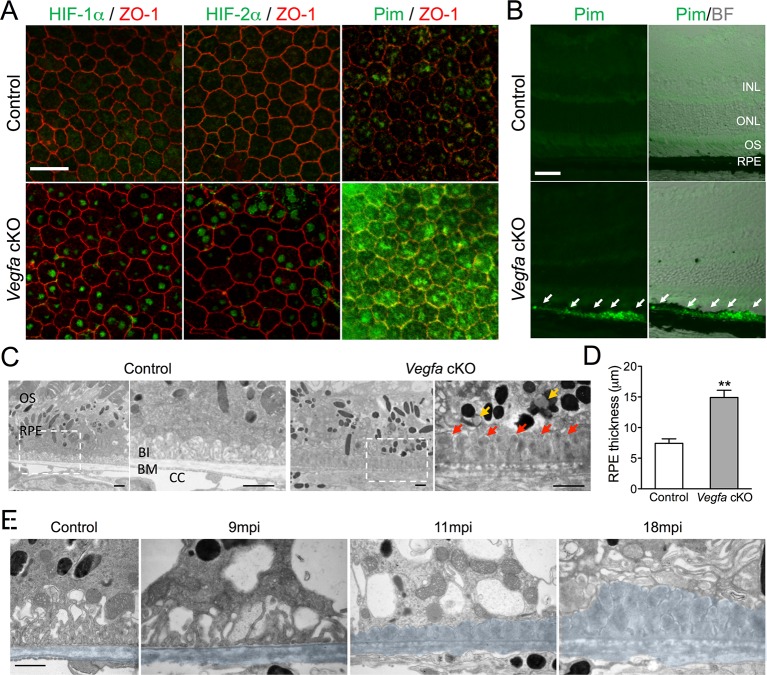
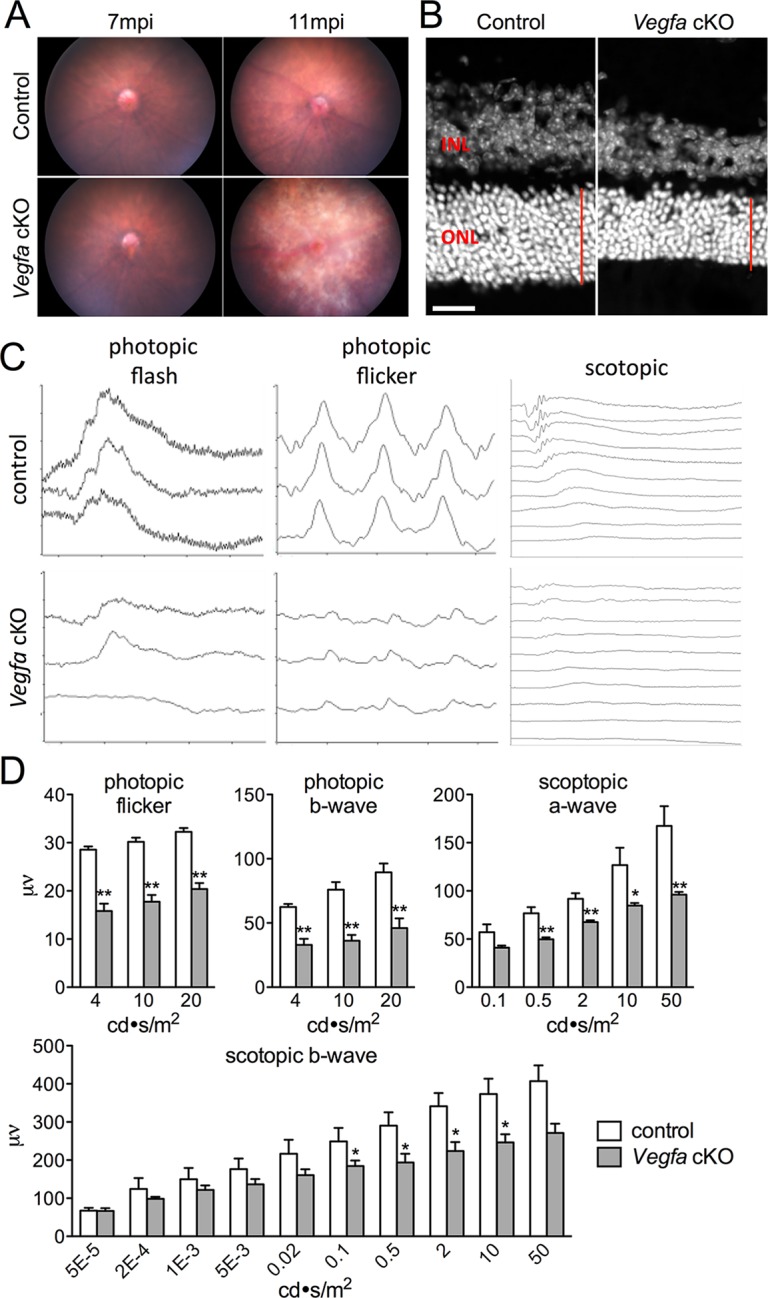
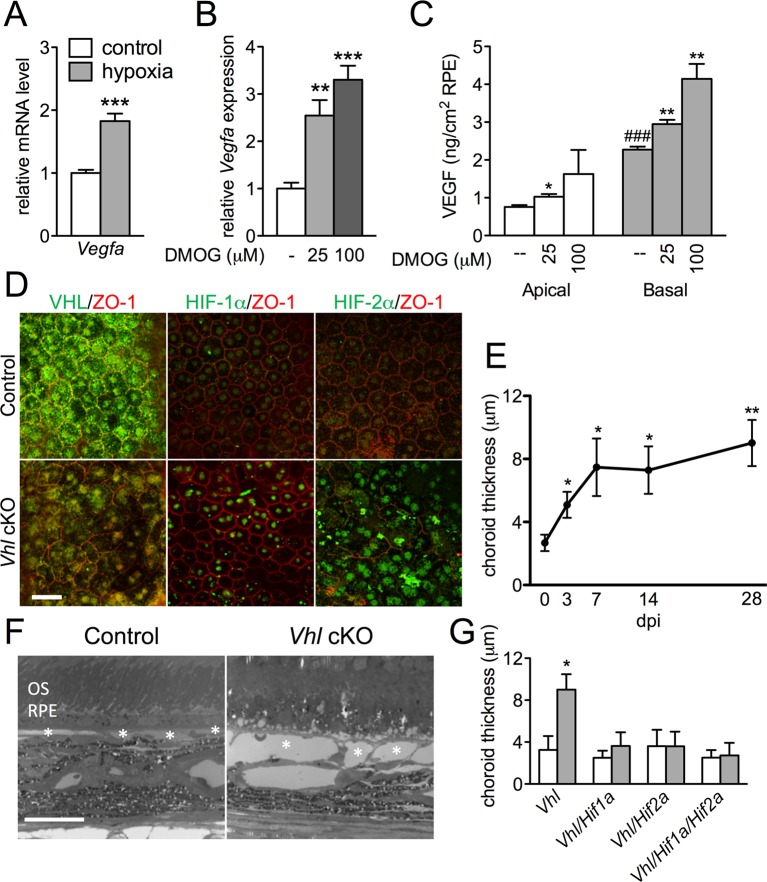
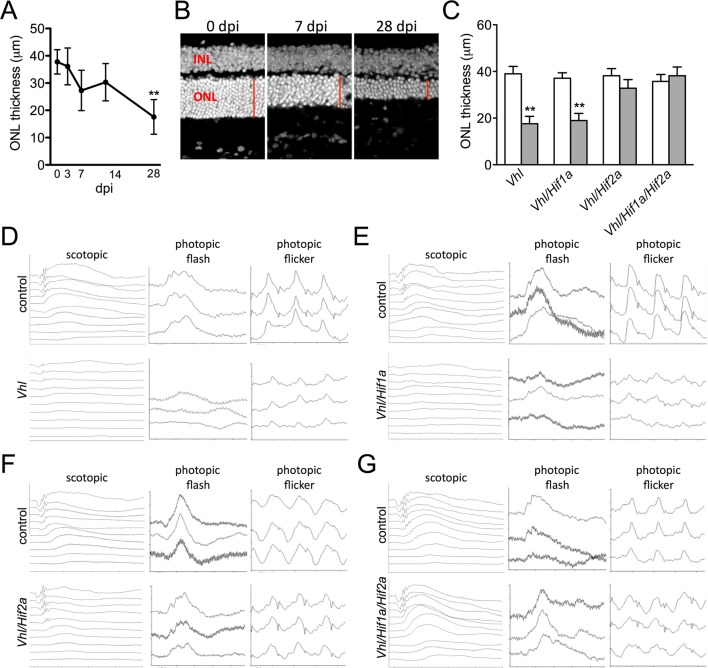
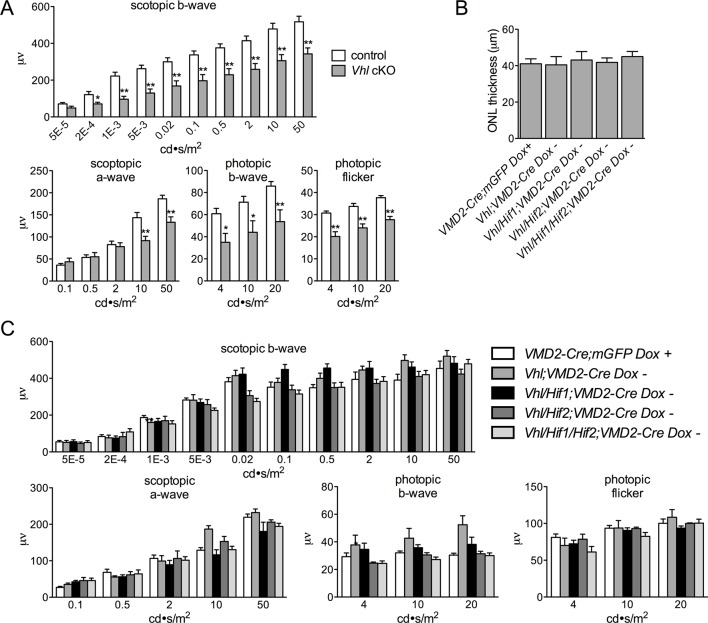
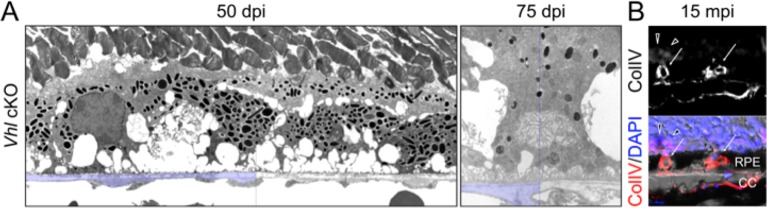
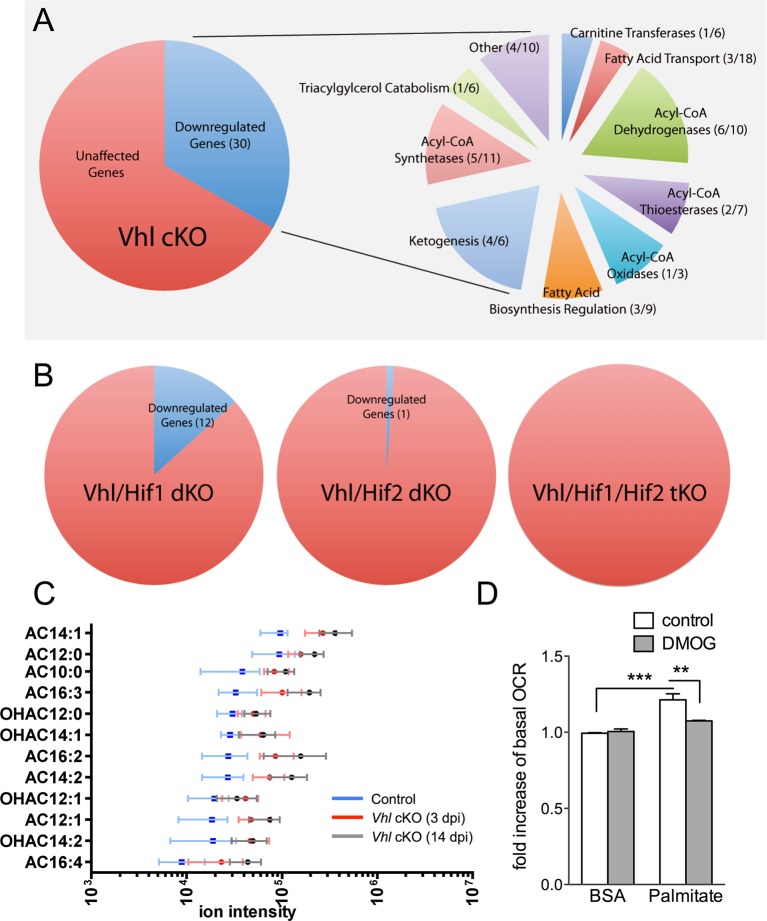
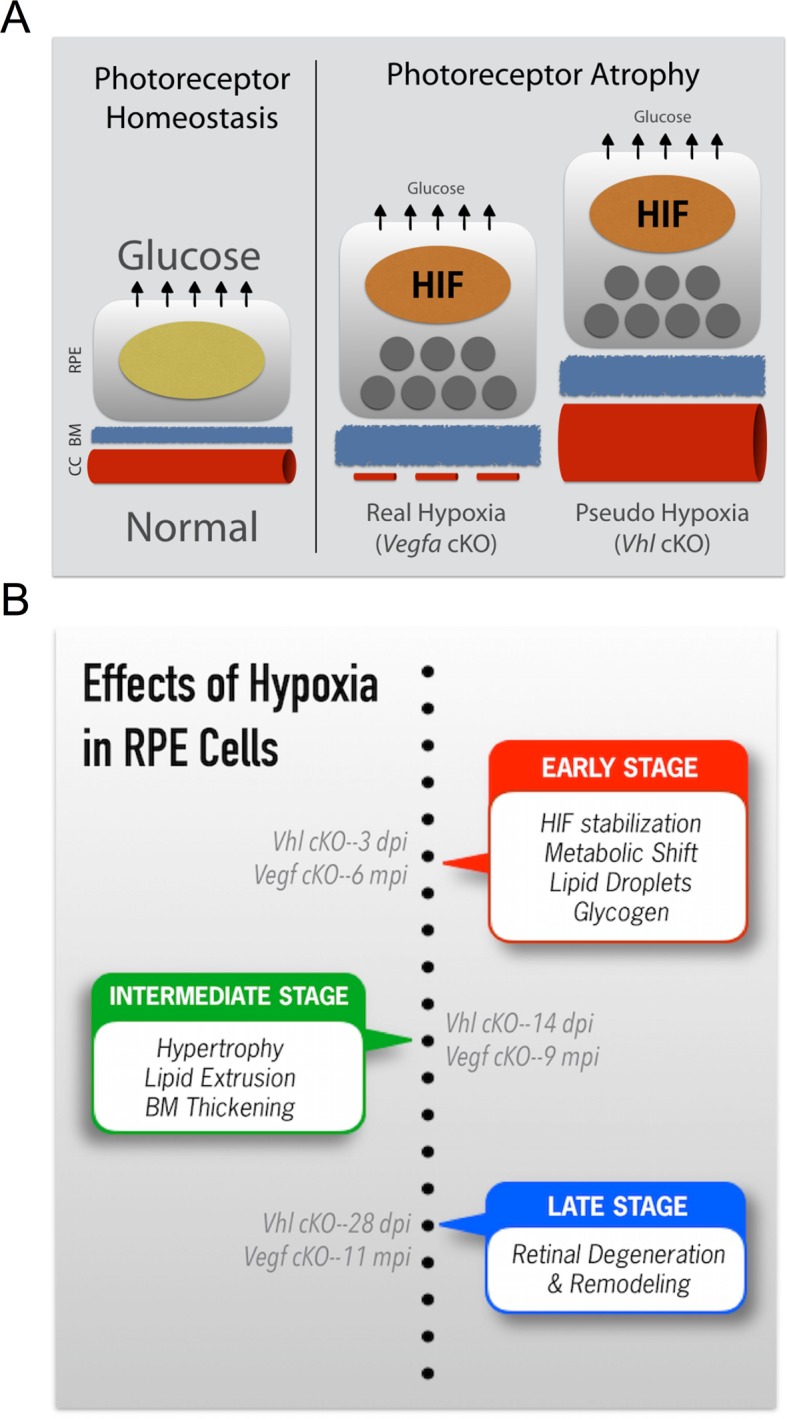
Photoreceptors are the most numerous and metabolically demanding cells in the retina. Their primary nutrient source is the choriocapillaris, and both the choriocapillaris and photoreceptors require trophic and functional support from retinal pigment epithelium (RPE) cells. Defects in RPE, photoreceptors, and the choriocapillaris are characteristic of age-related macular degeneration (AMD), a common vision-threatening disease. RPE dysfunction or death is a primary event in AMD, but the combination(s) of cellular stresses that affect the function and survival of RPE are incompletely understood. Here, using mouse models in which hypoxia can be genetically triggered in RPE, we show that hypoxia-induced metabolic stress alone leads to photoreceptor atrophy. Glucose and lipid metabolism are radically altered in hypoxic RPE cells; these changes impact nutrient availability for the sensory retina and promote progressive photoreceptor degeneration. Understanding the molecular pathways that control these responses may provide important clues about AMD pathogenesis and inform future therapies.
感光细胞是视网膜中数量最多、代谢需求最高的细胞。它们的主要营养来源是脉络膜毛细血管,脉络膜毛细血管和感光细胞都需要视网膜色素上皮 (RPE) 细胞提供营养和功能支持。RPE、感光细胞和脉络膜毛细血管的缺陷是年龄相关性黄斑变性 (AMD) 的特征,AMD 是一种常见的威胁视力的疾病。RPE 功能障碍或死亡是 AMD 的主要事件,但影响 RPE 功能和存活的细胞应激的组合尚不完全清楚。在这里,我们使用可以在 RPE 中遗传触发缺氧的小鼠模型,表明单独的缺氧诱导的代谢应激会导致感光细胞萎缩。缺氧 RPE 细胞中的葡萄糖和脂质代谢发生了根本性的改变;这些变化会影响感觉视网膜的营养供应,并促进进行性感光细胞变性。了解控制这些反应的分子途径可能为 AMD 发病机制提供重要线索,并为未来的治疗提供信息。