Lab for Retinal Cell Biology, Department of Ophthalmology, University of Zurich, Schlieren, Switzerland.
Center for Integrative Human Physiology, University of Zurich, Zurich, Switzerland.
Elife. 2019 Mar 13;8:e45100. doi: 10.7554/eLife.45100.
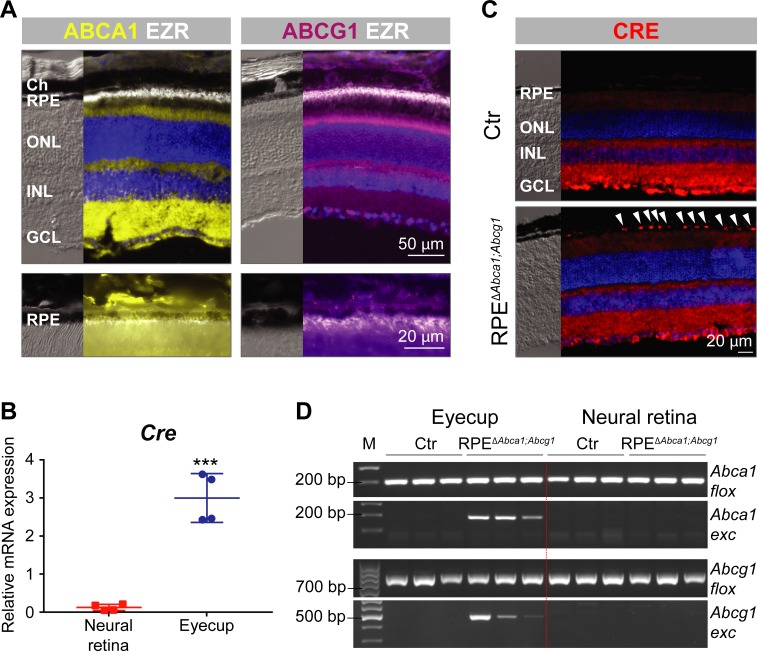
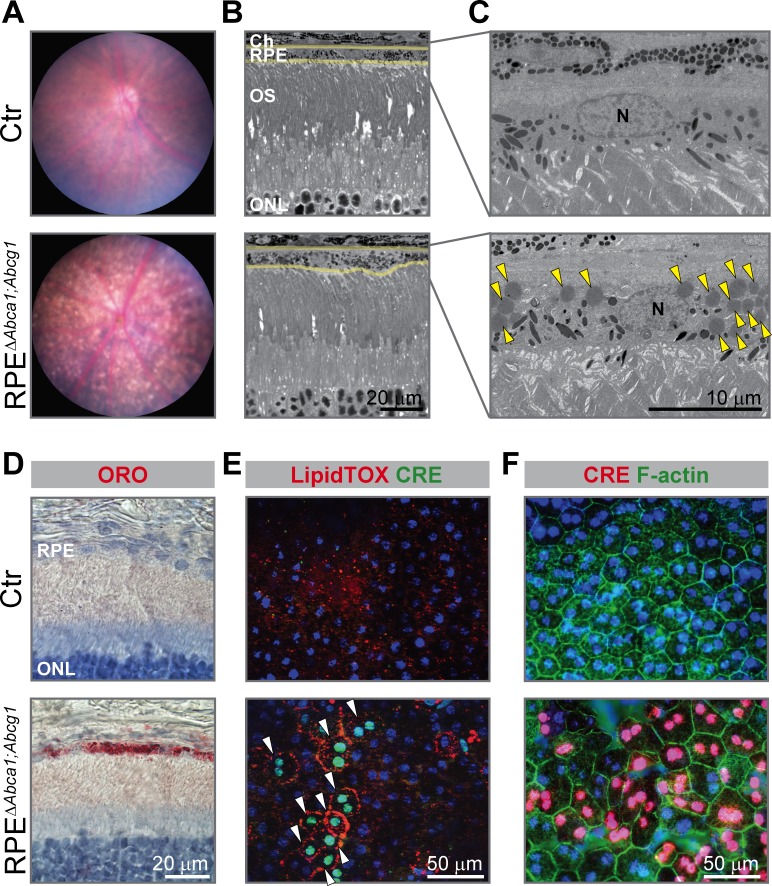
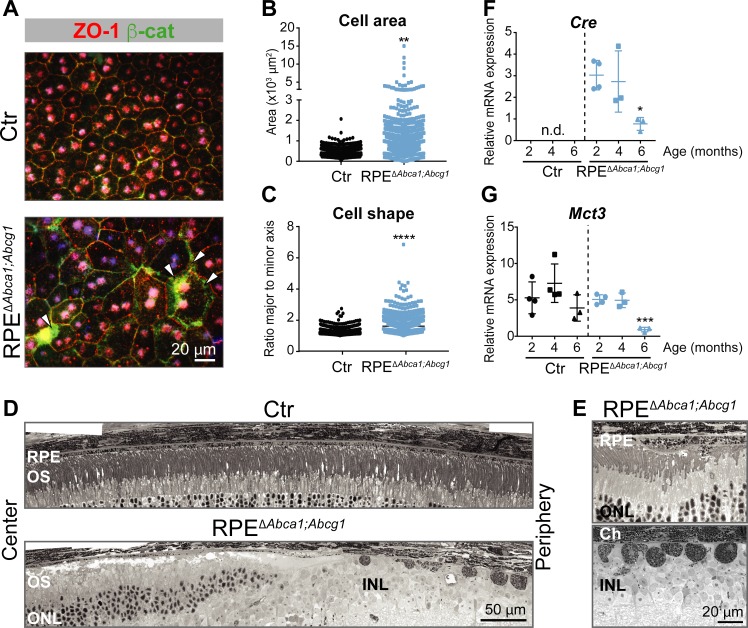
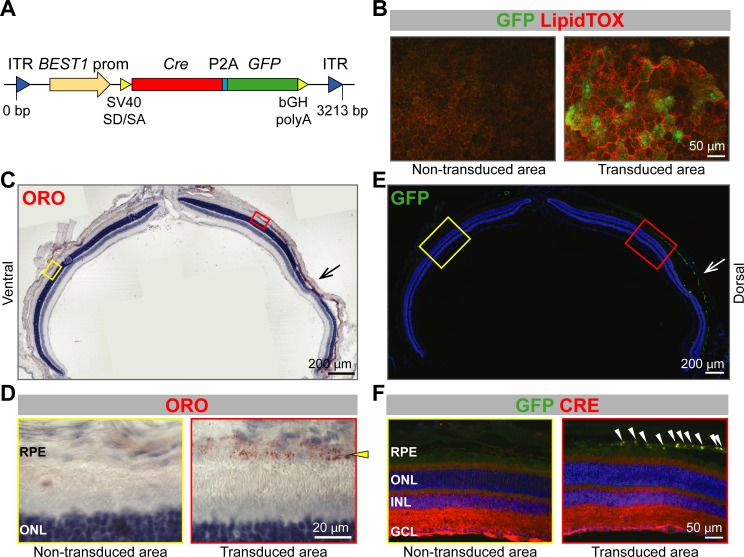
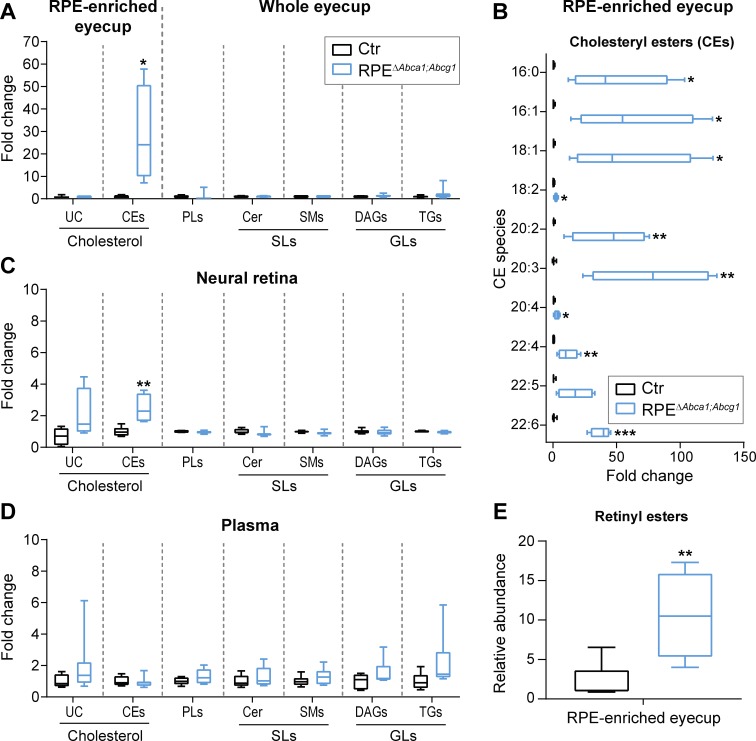
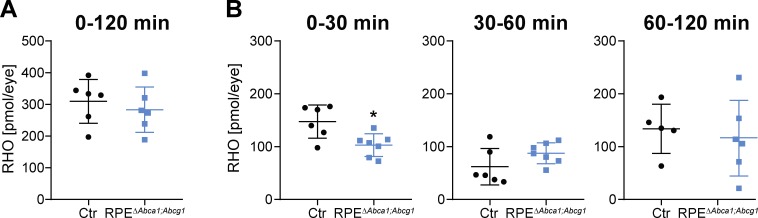
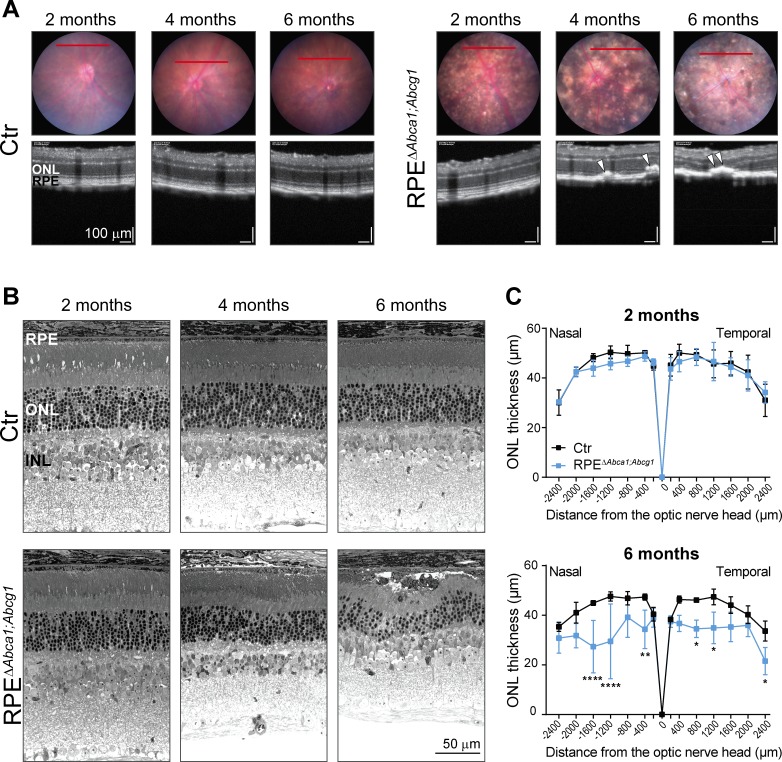
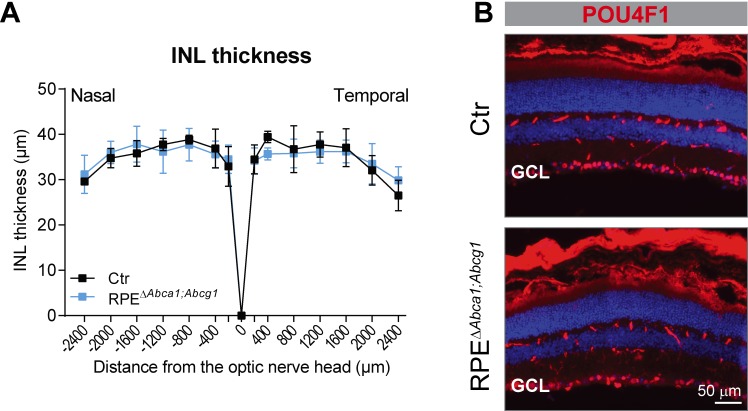
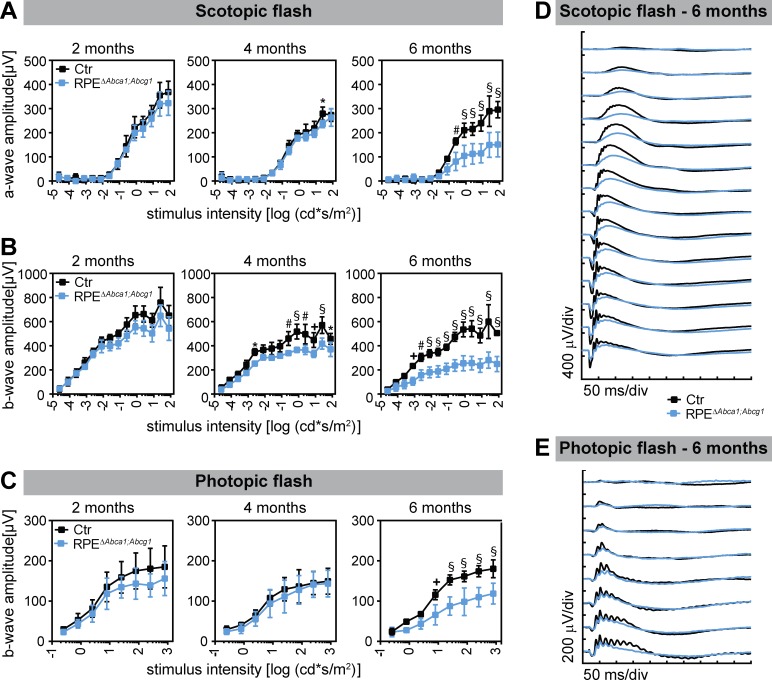
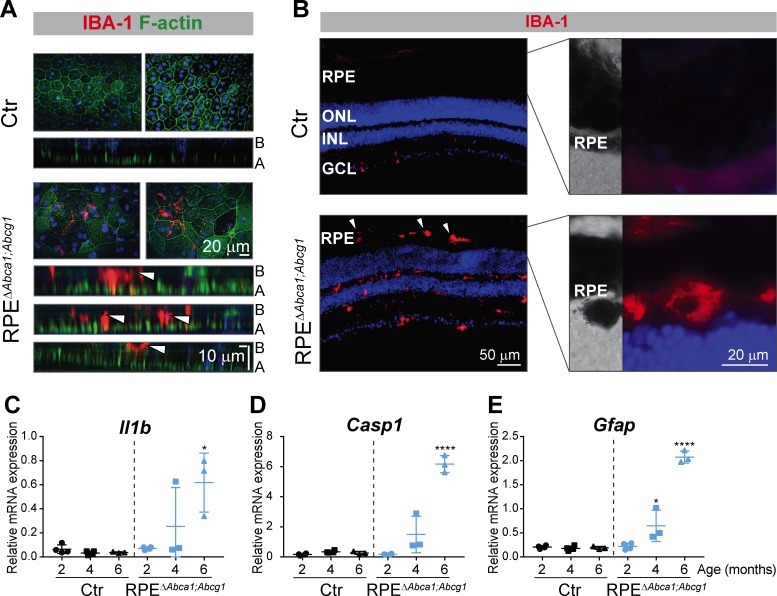
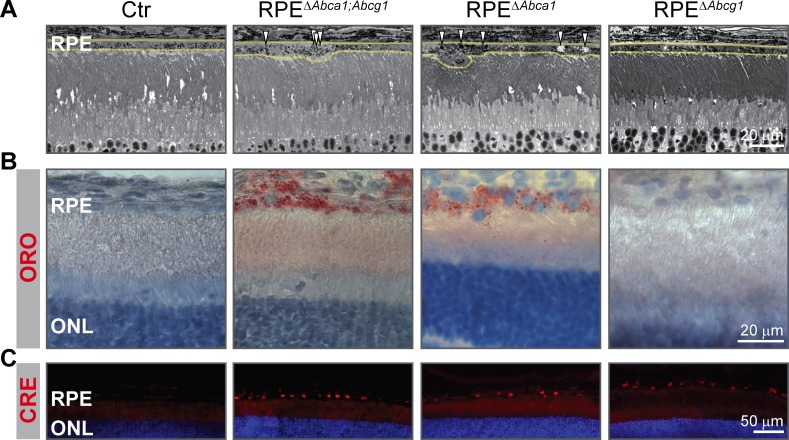
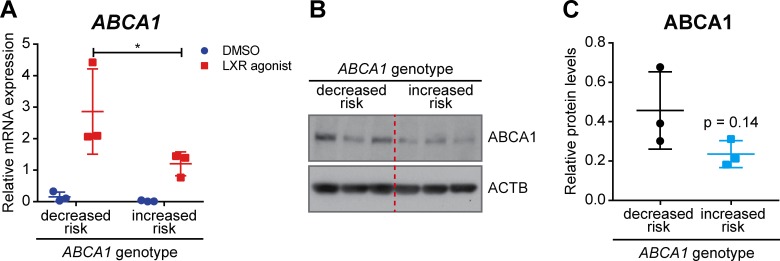
Age-related macular degeneration (AMD) is a progressive disease of the retinal pigment epithelium (RPE) and the retina leading to loss of central vision. Polymorphisms in genes involved in lipid metabolism, including the ATP-binding cassette transporter A1 (), have been associated with AMD risk. However, the significance of retinal lipid handling for AMD pathogenesis remains elusive. Here, we study the contribution of lipid efflux in the RPE by generating a mouse model lacking ABCA1 and its partner ABCG1 specifically in this layer. Mutant mice show lipid accumulation in the RPE, reduced RPE and retinal function, retinal inflammation and RPE/photoreceptor degeneration. Data from human cell lines indicate that the AMD risk-conferring allele decreases expression, identifying the potential molecular cause that underlies the genetic risk for AMD. Our results highlight the essential homeostatic role for lipid efflux in the RPE and suggest a pathogenic contribution of reduced ABCA1 function to AMD.
年龄相关性黄斑变性(AMD)是一种视网膜色素上皮(RPE)和视网膜的进行性疾病,导致中心视力丧失。参与脂质代谢的基因中的多态性,包括 ATP 结合盒转运蛋白 A1(ABCA1),与 AMD 风险相关。然而,视网膜脂质处理对 AMD 发病机制的意义仍不清楚。在这里,我们通过生成一种特异性缺乏 ABCA1 及其伴侣 ABCG1 的 RPE 中的突变小鼠模型来研究脂质外排在 RPE 中的作用。突变小鼠表现出 RPE 中的脂质积累、RPE 和视网膜功能降低、视网膜炎症和 RPE/光感受器变性。来自人类细胞系的数据表明,AMD 风险赋予等位基因降低 表达,确定了潜在的分子原因,为 AMD 的遗传风险提供了依据。我们的结果强调了脂质外排在 RPE 中的重要动态平衡作用,并表明 ABCA1 功能降低对 AMD 的发病机制有一定的贡献。