Kessans Sarah A, Linhart Mark D, Meador Lydia R, Kilbourne Jacquelyn, Hogue Brenda G, Fromme Petra, Matoba Nobuyuki, Mor Tsafrir S
School of Life Sciences, Arizona State University, Tempe, Arizona, United States of America.
Center for Infectious Diseases and Vaccinology, The Biodesign Institute, Arizona State University, Tempe, Arizona, United States of America.
PLoS One. 2016 Mar 17;11(3):e0151842. doi: 10.1371/journal.pone.0151842. eCollection 2016.
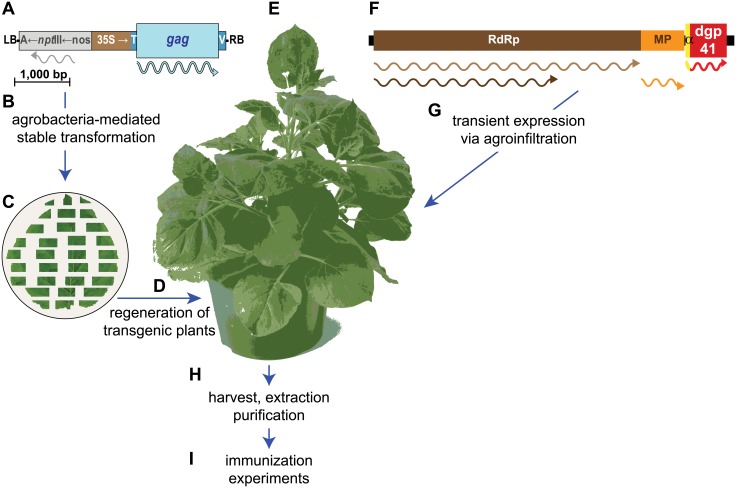
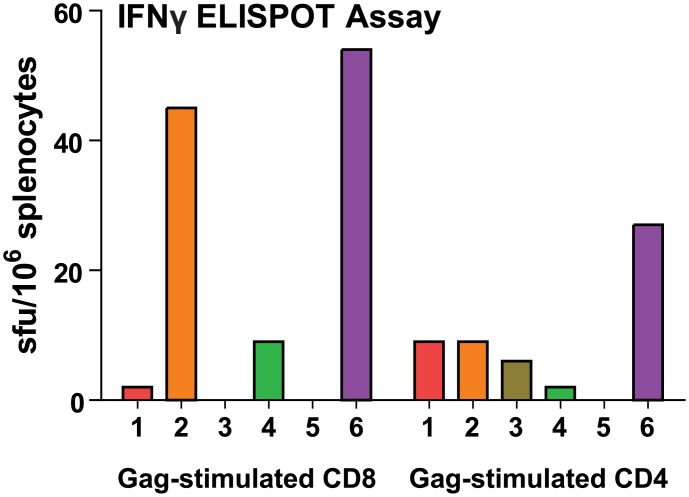
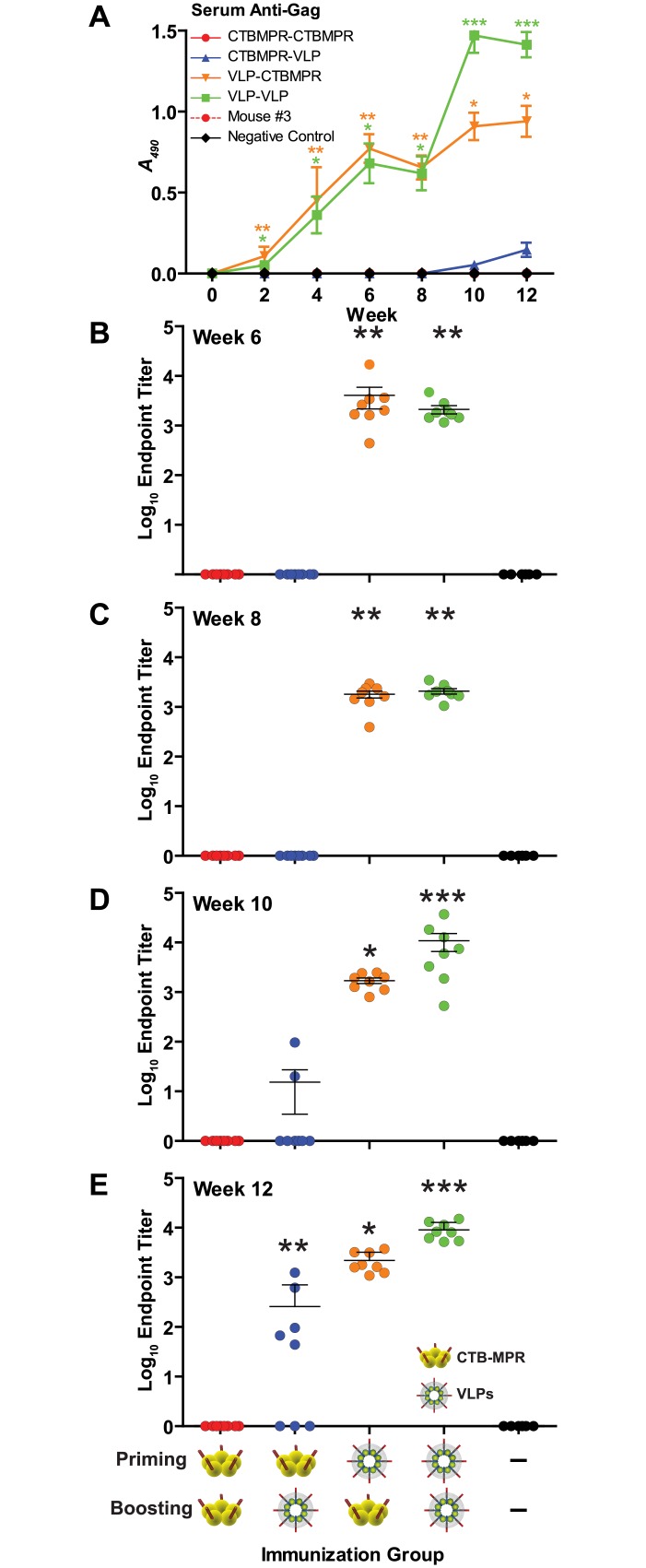
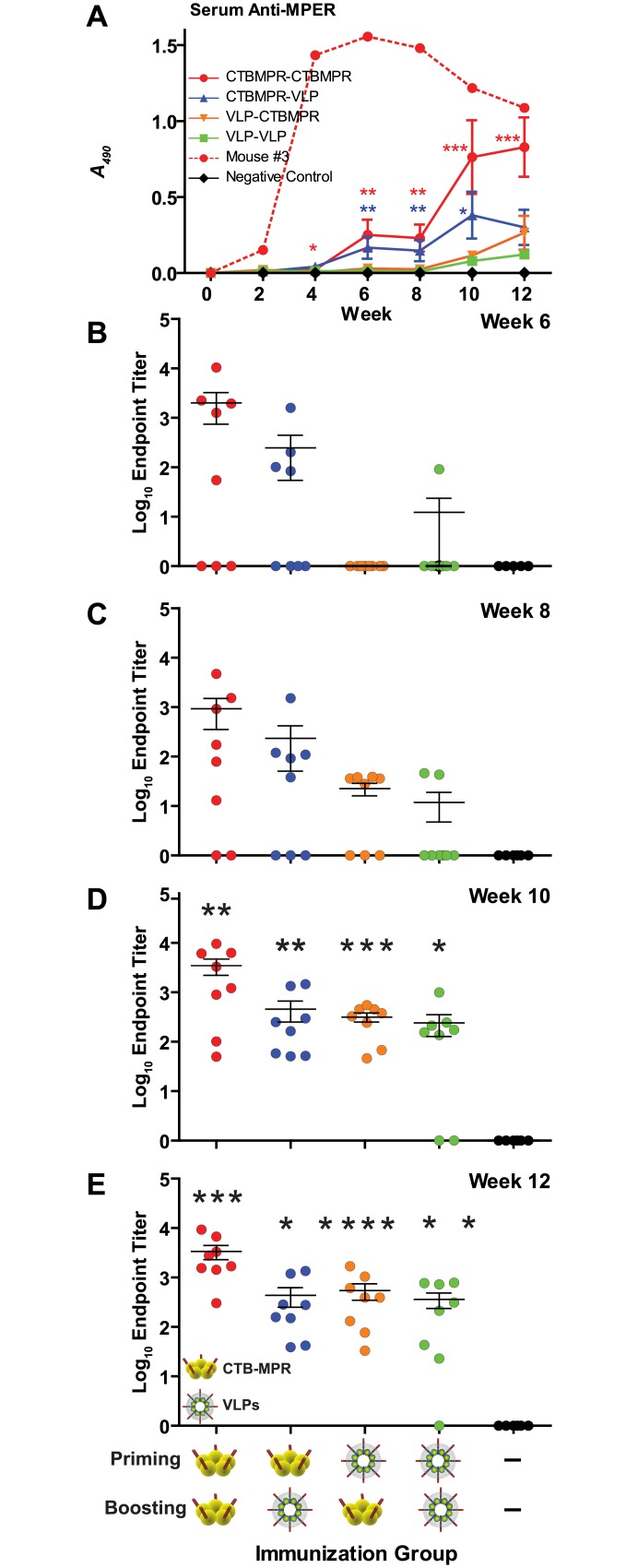
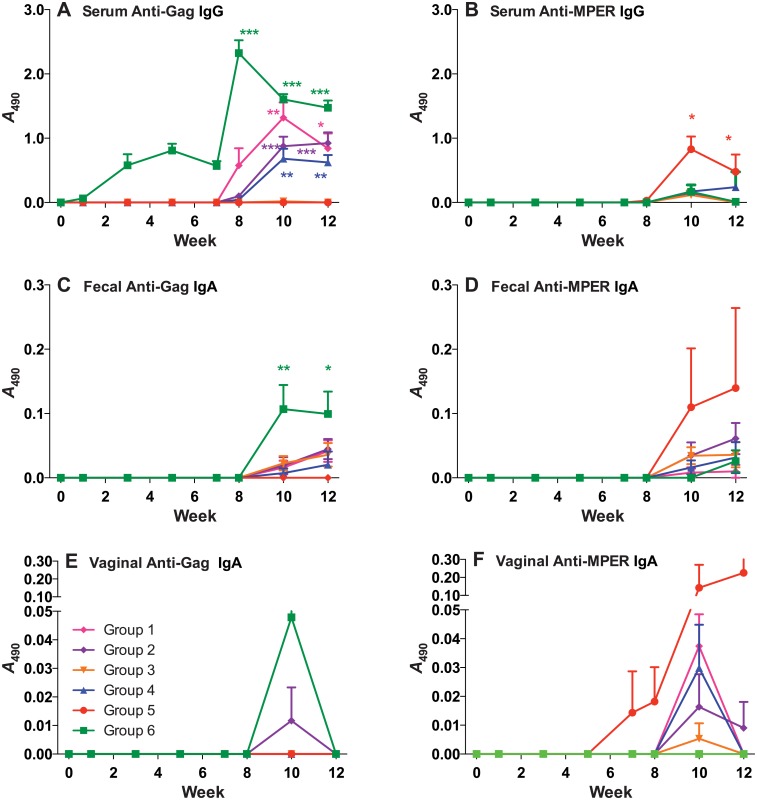
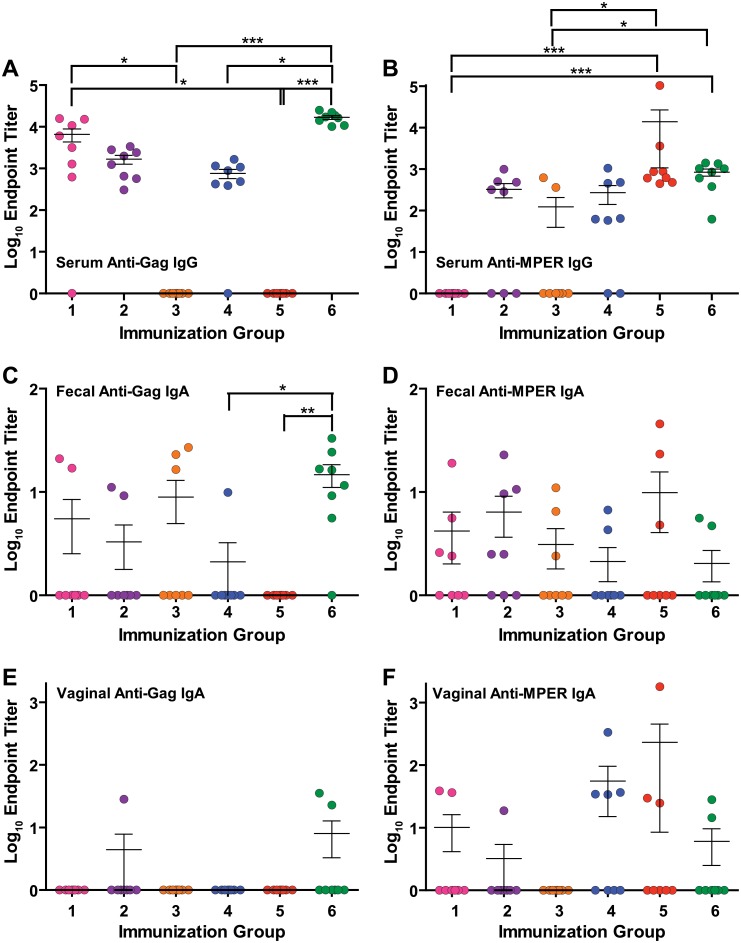
It is widely anticipated that a prophylactic vaccine may be needed to control the HIV/AIDS epidemic worldwide. Despite over two decades of research, a vaccine against HIV-1 remains elusive, although a recent clinical trial has shown promising results. Recent studies have focused on highly conserved domains within HIV-1 such as the membrane proximal external region (MPER) of the envelope glycoprotein, gp41. MPER has been shown to play critical roles in mucosal transmission of HIV-1, though this peptide is poorly immunogenic on its own. Here we provide evidence that plant-produced HIV-1 enveloped virus-like particles (VLPs) consisting of Gag and a deconstructed form of gp41 comprising the MPER, transmembrane, and cytoplasmic domains (Dgp41) provides an effective platform to display MPER for use as an HIV vaccine candidate. Prime-boost strategies combining systemic and mucosal priming with systemic boosting using two different vaccine candidates (VLPs and CTB-MPR--a fusion of MPER and the B-subunit of cholera toxin) were investigated in BALB/c mice. Serum antibody responses against both the Gag and gp41 antigens were elicited when systemically primed with VLPs. These responses could be recalled following systemic boosting with VLPs. In addition, mucosal priming with VLPs allowed for a boosting response against Gag and gp41 when boosted with either candidate. Importantly, the VLPs also induced Gag-specific CD4 and CD8 T-cell responses. This report on the immunogenicity of plant-based Gag/Dgp41 VLPs may represent an important milestone on the road towards a broadly efficacious and inexpensive subunit vaccine against HIV-1.
人们普遍预期可能需要一种预防性疫苗来控制全球范围内的艾滋病毒/艾滋病流行。尽管经过了二十多年的研究,但一种针对HIV-1的疫苗仍然难以实现,不过最近的一项临床试验已显示出有希望的结果。最近的研究集中在HIV-1内高度保守的区域,如包膜糖蛋白gp41的膜近端外部区域(MPER)。MPER已被证明在HIV-1的黏膜传播中起关键作用,尽管该肽本身免疫原性较差。在这里,我们提供证据表明,由Gag和一种解构形式的gp41(包括MPER、跨膜和细胞质结构域,即Dgp41)组成的植物产生的HIV-1包膜病毒样颗粒(VLPs)提供了一个有效的平台来展示MPER,用作HIV疫苗候选物。在BALB/c小鼠中研究了使用两种不同疫苗候选物(VLPs和CTB-MPR——MPER与霍乱毒素B亚基的融合物)进行系统和黏膜初免并结合系统加强免疫的初免-加强策略。用VLPs进行系统初免时可引发针对Gag和gp41抗原的血清抗体反应。用VLPs进行系统加强免疫后可再次引发这些反应。此外,用VLPs进行黏膜初免后,当用任何一种候选物进行加强免疫时,均可引发针对Gag和gp41的加强反应。重要的是,VLPs还诱导了Gag特异性的CD4和CD8 T细胞反应。这份关于基于植物的Gag/Dgp41 VLPs免疫原性的报告可能代表了朝着开发一种广泛有效的廉价HIV-1亚单位疫苗迈出的重要一步。