Zhao Hongxing, Chen Maoshan, Lind Sara Bergström, Pettersson Ulf
The Beijer Laboratory, Dept. of Immunology, Genetics and Pathology, Uppsala University, S-751 85 Uppsala, Sweden.
Department of Biochemistry and Genetics, La Trobe Institute for Molecular Science, La Trobe University, Melbourne, Victoria 3086, Australia.
Virology. 2016 May;492:242-50. doi: 10.1016/j.virol.2016.02.017. Epub 2016 Mar 21.
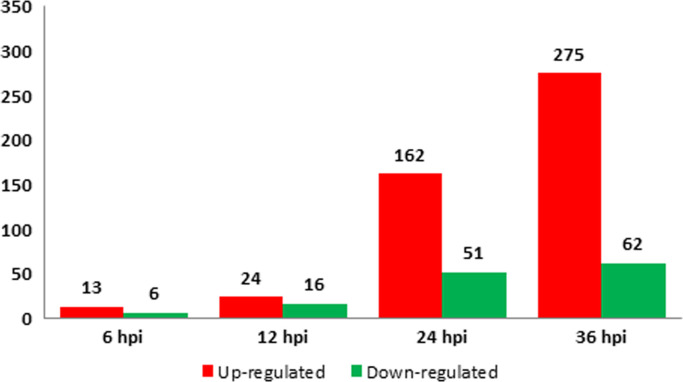
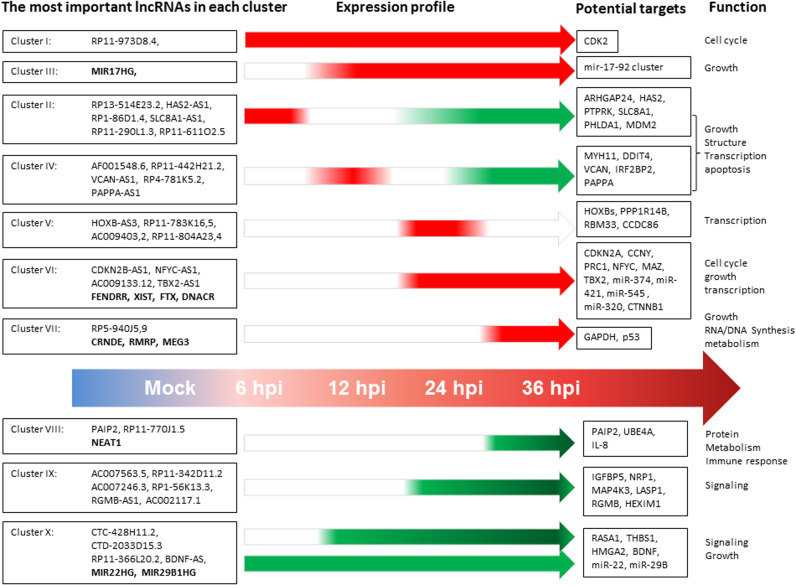
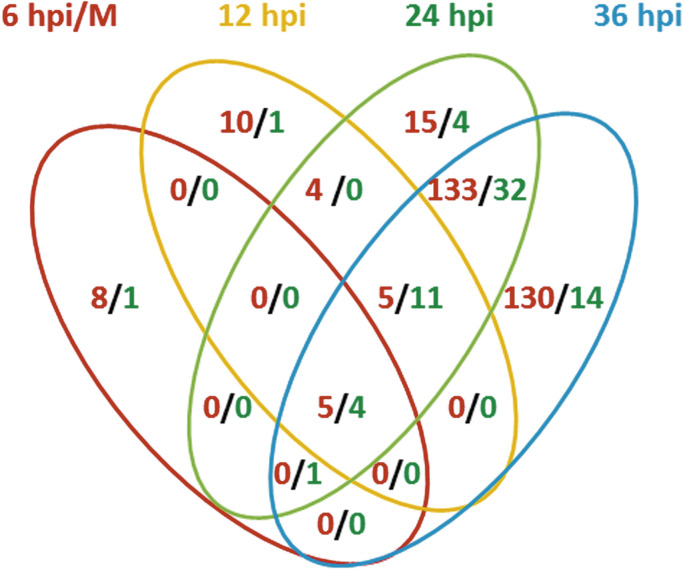
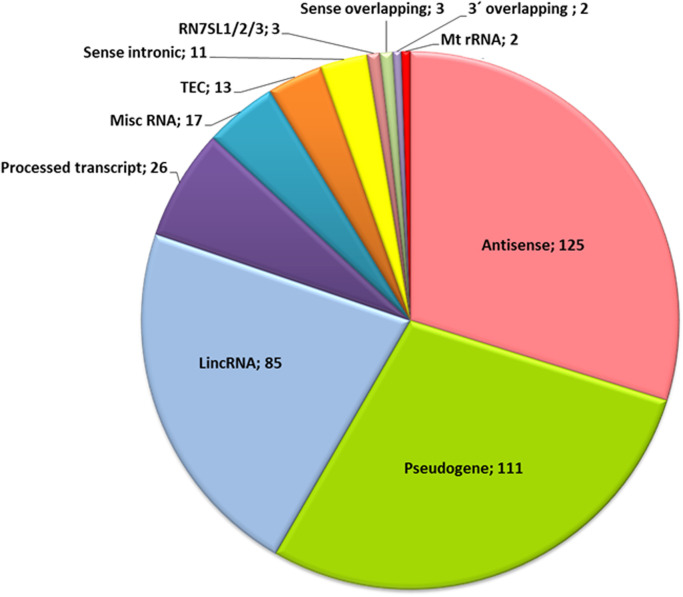
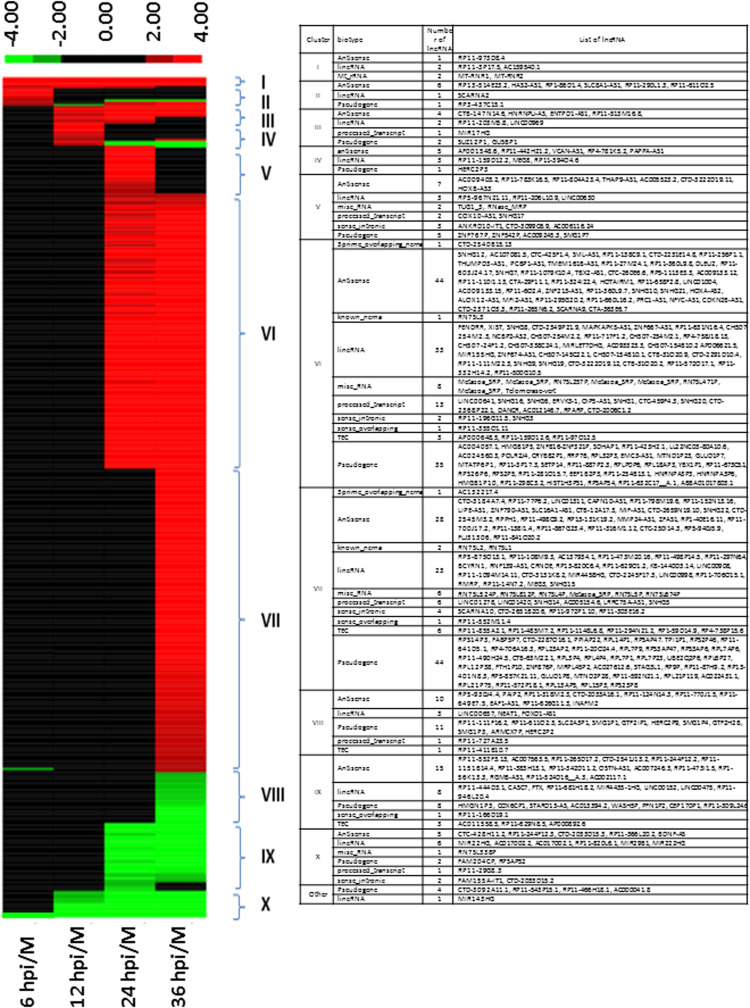
The deregulation of cellular long non-coding RNA (lncRNA) expression during a human adenovirus infection was studied by deep sequencing. Expression of lncRNAs increased substantially following the progression of the infection. Among 645 significantly expressed lncRNAs, the expression of 398 was changed more than 2-fold. More than 80% of them were up-regulated and 80% of them were detected during the late phase. Based on the genomic locations of the deregulated lncRNAs in relation to known mRNAs and miRNAs, they were predicted to be involved in growth, structure, apoptosis and wound healing in the early phase, cell proliferation in the intermediate phase and protein synthesis, modification and transport in the late phase. The most significant functions of cellular RNA-binding proteins, previously shown to interact with the deregulated lncRNAs identified here, are involved in RNA splicing, nuclear export and translation events. We hypothesize that adenoviruses exploit the lncRNA network to optimize their reproduction.
通过深度测序研究了人类腺病毒感染期间细胞长链非编码RNA(lncRNA)表达的失调情况。随着感染的进展,lncRNAs的表达显著增加。在645个显著表达的lncRNAs中,398个的表达变化超过2倍。其中超过80%上调,且80%在后期被检测到。根据失调的lncRNAs相对于已知mRNA和miRNA的基因组位置,预计它们在早期参与生长、结构、凋亡和伤口愈合,在中期参与细胞增殖,在后期参与蛋白质合成、修饰和运输。先前已证明与本文鉴定的失调lncRNAs相互作用的细胞RNA结合蛋白的最显著功能涉及RNA剪接、核输出和翻译事件。我们推测腺病毒利用lncRNA网络来优化其繁殖。