Arunrut Narong, Kampeera Jantana, Sirithammajak Sarawut, Sanguanrut Piyachat, Proespraiwong Porranee, Suebsing Rungkarn, Kiatpathomchai Wansika
Bioengineering and Sensing Technology Laboratory, BIOTEC, National Science and Technology Development Agency (NSTDA), 113 Thailand Science Park, Phahonyothin Rd., Khlong Nueng, Khlong Luang, Pathum Thani 12120, Thailand.
Center of Excellence for Shrimp Molecular Biology and Biotechnology (CENTEX Shrimp), Faculty of Science, Mahidol University, Rama VI road, Bangkok 10400, Thailand.
PLoS One. 2016 Mar 22;11(3):e0151769. doi: 10.1371/journal.pone.0151769. eCollection 2016.
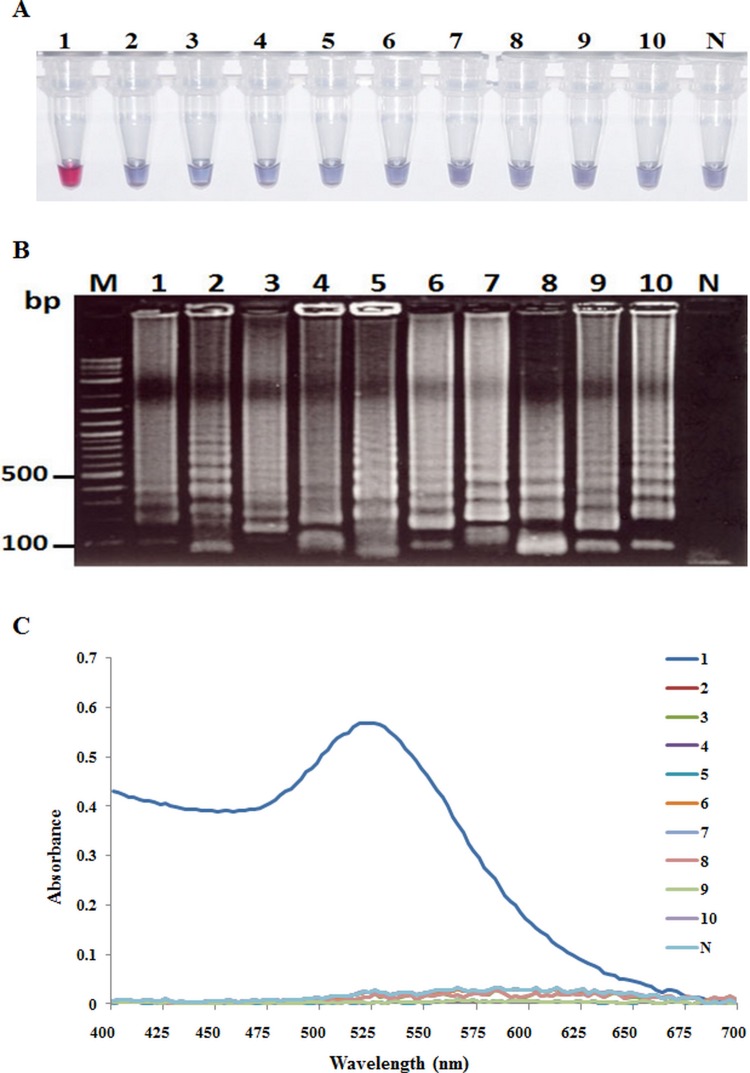
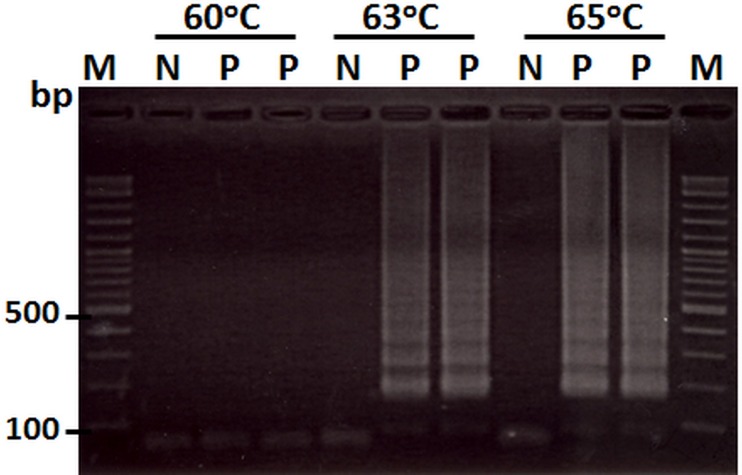
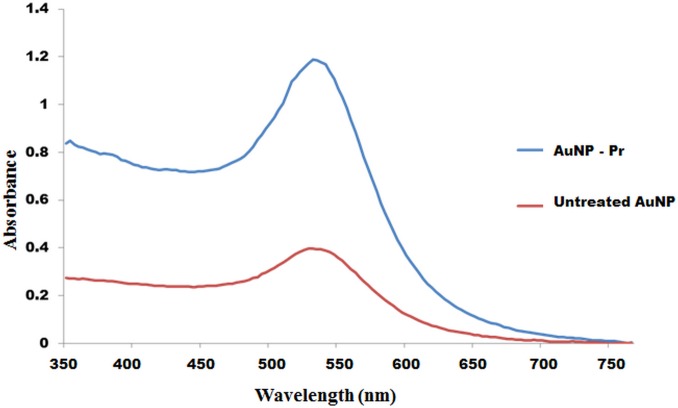
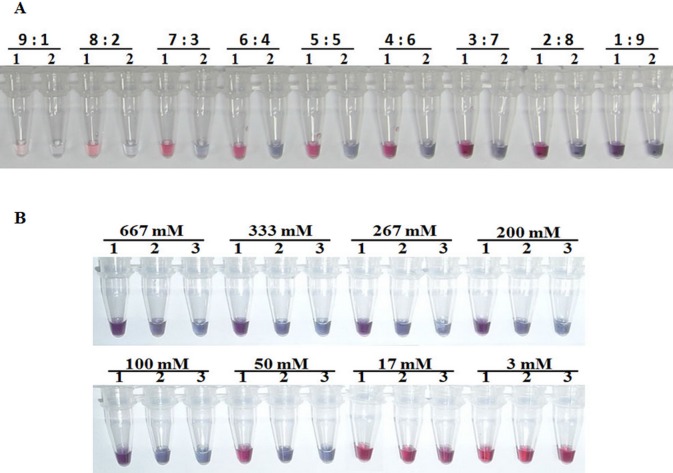
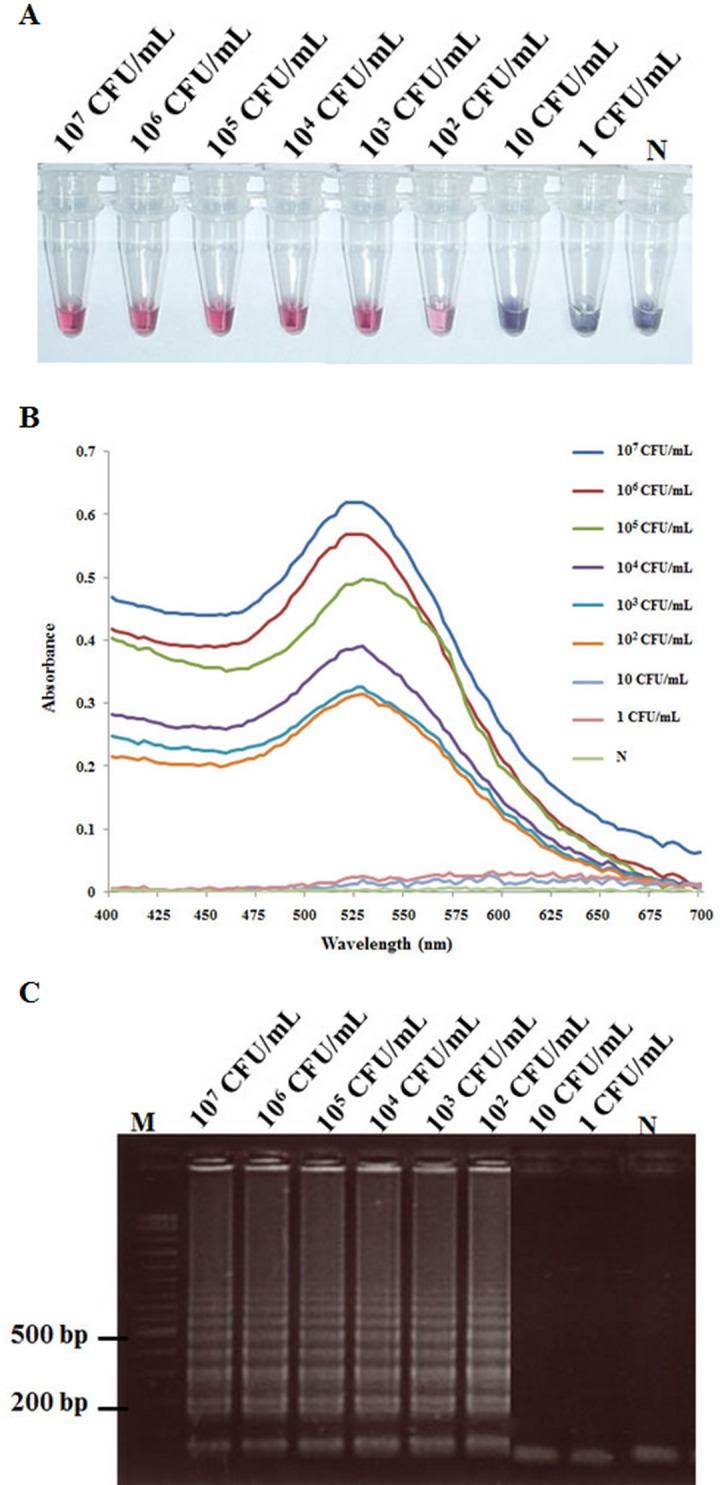
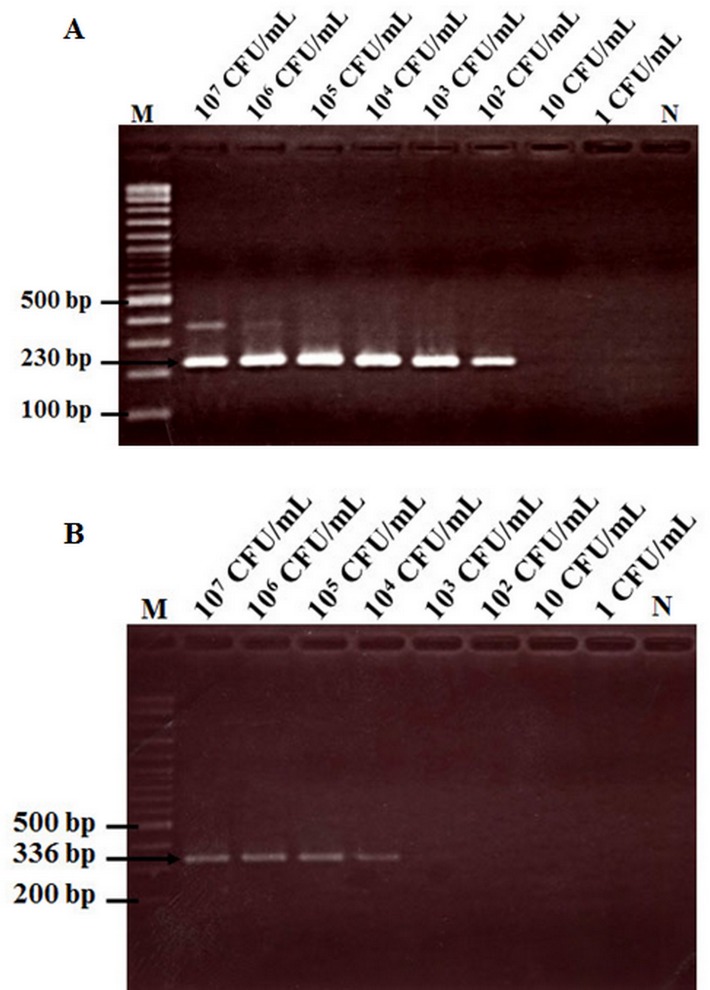
Acute hepatopancreatic necrosis disease (AHPND) is a component cause of early mortality syndrome (EMS) of shrimp. In 2013, the causative agent was found to be unique isolates of Vibrio parahaemolyticus (VPAHPND) that contained a 69 kbp plasmid (pAP1) carrying binary Pir-like toxin genes PirvpA and PirvpB. In Thailand, AHPND was first recognized in 2012, prior to knowledge of the causative agent, and it subsequently led to a precipitous drop in shrimp production. After VPAHPND was characterized, a major focus of the AHPND control strategy was to monitor broodstock shrimp and post larvae for freedom from VPAHPND by nucleic acid amplification methods, most of which required use of expensive and sophisticated equipment not readily available in a shrimp farm setting. Here, we describe a simpler but equally sensitive approach for detection of VPAHPND based on loop-mediated isothermal amplification (LAMP) combined with unaided visual reading of positive amplification products using a DNA-functionalized, ssDNA-labled nanogold probe (AuNP). The target for the special set of six LAMP primers used was the VPAHPND PirvpA gene. The LAMP reaction was carried out at 65°C for 45 min followed by addition of the red AuNP solution and further incubation at 65°C for 5 min, allowing any PirvpA gene amplicons present to hybridize with the probe. Hybridization protected the AuNP against aggregation, so that the solution color remained red upon subsequent salt addition (positive test result) while unprotected AuNP aggregated and underwent a color change from red to blue and eventually precipitated (negative result). The total assay time was approximately 50 min. The detection limit (100 CFU) was comparable to that of other commonly-used methods for nested PCR detection of VPAHPND and 100-times more sensitive than 1-step PCR detection methods (104 CFU) that used amplicon detection by electrophoresis or spectrophotometry. There was no cross reaction with DNA templates derived from non-AHPND bacteria commonly found in shrimp ponds (including other Vibrio species). The new method significantly reduced the time, difficulty and cost for molecular detection of VPAHPND in shrimp hatchery and farm settings.
急性肝胰腺坏死病(AHPND)是对虾早期死亡综合征(EMS)的一个构成病因。2013年,发现病原体是副溶血性弧菌(VPAHPND)的独特分离株,其携带一个69千碱基对的质粒(pAP1),该质粒含有二元类Pir毒素基因PirvpA和PirvpB。在泰国,AHPND于2012年首次被确认,当时还不知道病原体,随后导致对虾产量急剧下降。在VPAHPND被鉴定之后,AHPND控制策略的一个主要重点是通过核酸扩增方法监测亲虾和幼体是否携带VPAHPND,其中大多数方法需要使用虾养殖场不易获得的昂贵且精密的设备。在此,我们描述了一种基于环介导等温扩增(LAMP)结合使用DNA功能化的单链DNA标记纳米金探针(AuNP)对阳性扩增产物进行裸眼视觉读取的检测VPAHPND的更简单但同样灵敏的方法。所使用的一组六条LAMP引物的靶标是VPAHPND的PirvpA基因。LAMP反应在65°C下进行45分钟,随后加入红色AuNP溶液,并在65°C下进一步孵育5分钟,使存在的任何PirvpA基因扩增子与探针杂交。杂交可保护AuNP不发生聚集,因此在随后加盐时溶液颜色仍保持红色(阳性检测结果),而未受保护的AuNP聚集并发生颜色变化,从红色变为蓝色,最终沉淀(阴性结果)。整个检测时间约为50分钟。检测限(100 CFU)与用于巢式PCR检测VPAHPND的其他常用方法相当,比使用电泳或分光光度法检测扩增子的一步PCR检测方法(104 CFU)灵敏100倍。与虾塘中常见的非AHPND细菌(包括其他弧菌属物种)的DNA模板没有交叉反应。该新方法显著减少了在对虾孵化场和养殖场环境中分子检测VPAHPND的时间、难度和成本。