Loras Alastruey Carme, Andújar Murcia Xavier, Esteve Comas Maria
Department of Gastroenterology, Hospital Universitari Mútua de Terrassa, Fundació per la Recerca Mútua de Terrassa, Terrassa, Catalonia, Spain. Centro de Investigación Biomédica en Red de Enfermedades Hepáticas y Digestivas (CIBEREHD).
Endosc Int Open. 2016 Mar;4(3):E301-8. doi: 10.1055/s-0042-101786.
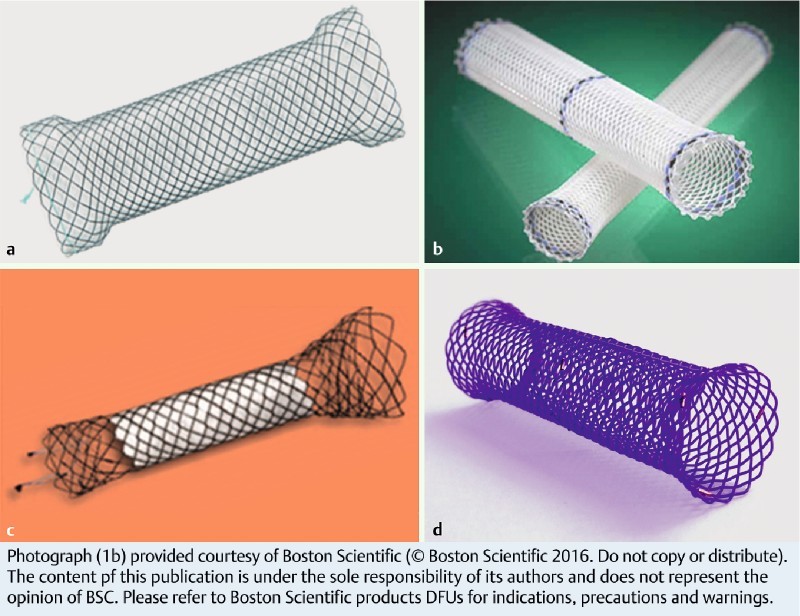
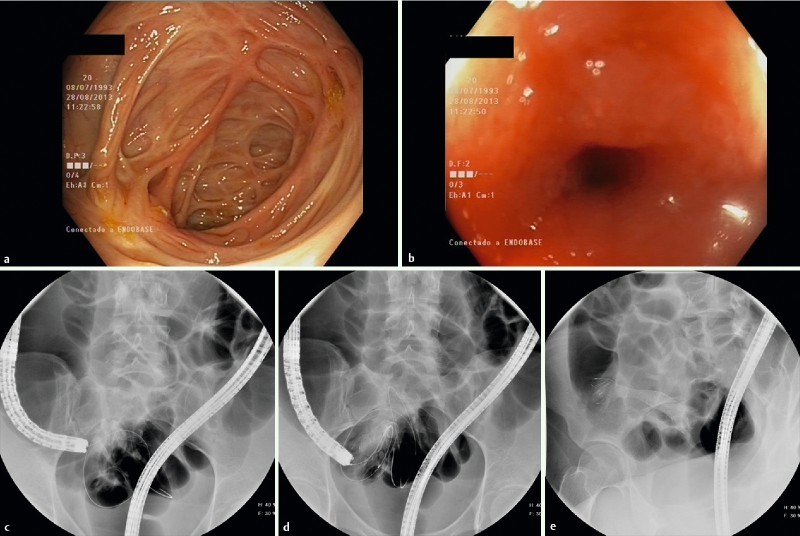
Stenosis is one of the most frequent local complications in Crohn's disease (CD). Surgery is not the ideal treatment because of the high rate of postoperative recurrence. Endoscopic balloon dilation (EBD) currently is the current treatment of choice for short strictures amenable to the procedure. However, it is not applicable or effective in all the cases, and it is not without related complications. Our goal was to summarize the published information regarding the use and the role of the stents in the treatment of CD stricture. A Medline search was performed on the terms "stricture," "stenosis," "stent" and "Crohn's disease."
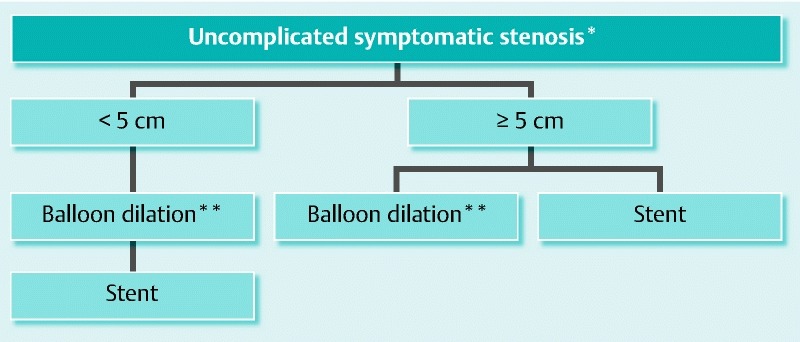
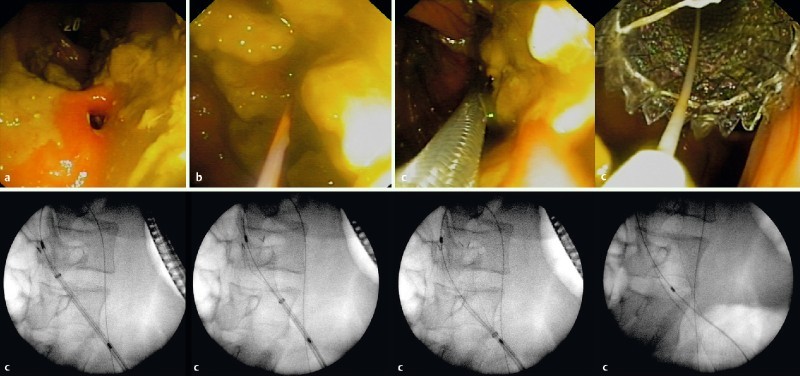
a total of 19 publications met our search criteria for an overall number of 65 patients. Placing a self-expanding metal stent (SEMS) may be a safe and effective alternative to EBD and/or surgical intervention in the treatment of short stenosis in patients with CD. Indications are the same as those for EBD. In addition, SEMS may be useful in stenosis refractory to EBD and may be suitable in the treatment of longer or more complex strictures that cannot be treated by EBD. With the current information, it seems that the best treatment option is the placement of a fully covered stent for a mean time of 4 weeks. Regarding the use of biodegradable stents, the information is limited and showing poor results.
the use of stents in the treatment of strictures in CD should be taken into account either as a first endoscopic therapy or in case of EBD failure.
狭窄是克罗恩病(CD)最常见的局部并发症之一。由于术后复发率高,手术并非理想的治疗方法。内镜球囊扩张术(EBD)目前是适用于该手术的短段狭窄的首选治疗方法。然而,它并非在所有病例中都适用或有效,且并非没有相关并发症。我们的目标是总结已发表的关于支架在CD狭窄治疗中的应用及作用的信息。对“狭窄”“狭窄症”“支架”和“克罗恩病”等术语进行了医学文献数据库搜索。
共有19篇出版物符合我们的搜索标准,涉及患者总数为65例。放置自膨式金属支架(SEMS)在治疗CD患者的短段狭窄方面可能是EBD和/或手术干预的一种安全有效的替代方法。其适应证与EBD相同。此外,SEMS可能对EBD难治的狭窄有用,且可能适用于无法通过EBD治疗的更长或更复杂的狭窄。根据目前的信息,似乎最佳治疗选择是放置完全覆盖的支架,平均放置时间为4周。关于可生物降解支架的应用,信息有限且效果不佳。
在CD狭窄治疗中使用支架应被视为首选的内镜治疗方法或在EBD失败的情况下考虑。