Króliczak Gregory, Piper Brian J, Frey Scott H
Institute of Psychology, Action & Cognition Laboratory, Adam Mickiewicz University in Poznań, Poland.
Neuroscience Program, Bowdoin College, Brunswick, ME 04011, USA.
Neuropsychologia. 2016 Dec;93(Pt B):501-512. doi: 10.1016/j.neuropsychologia.2016.03.023. Epub 2016 Mar 26.
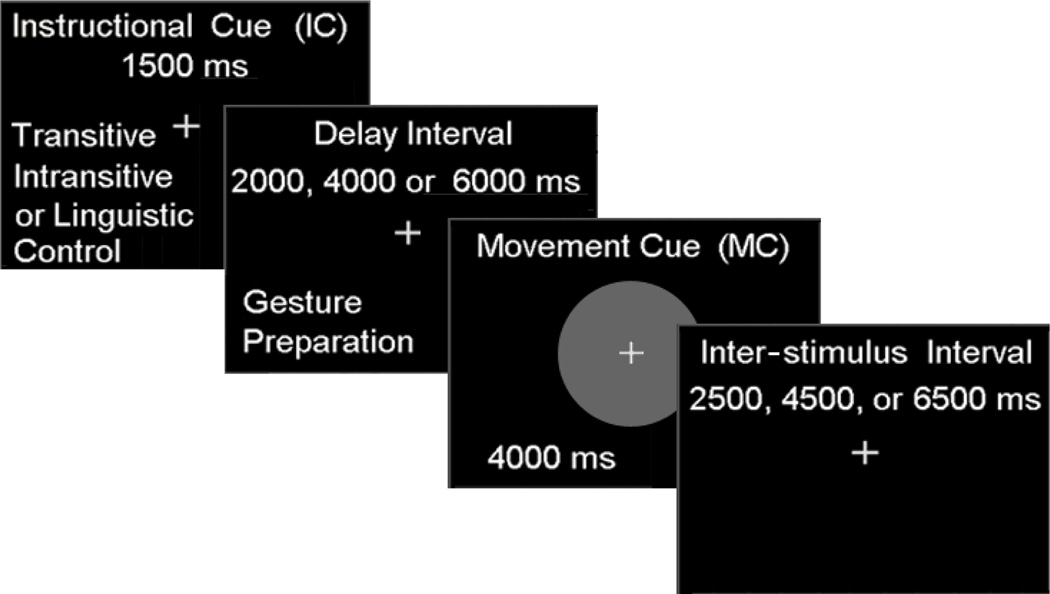
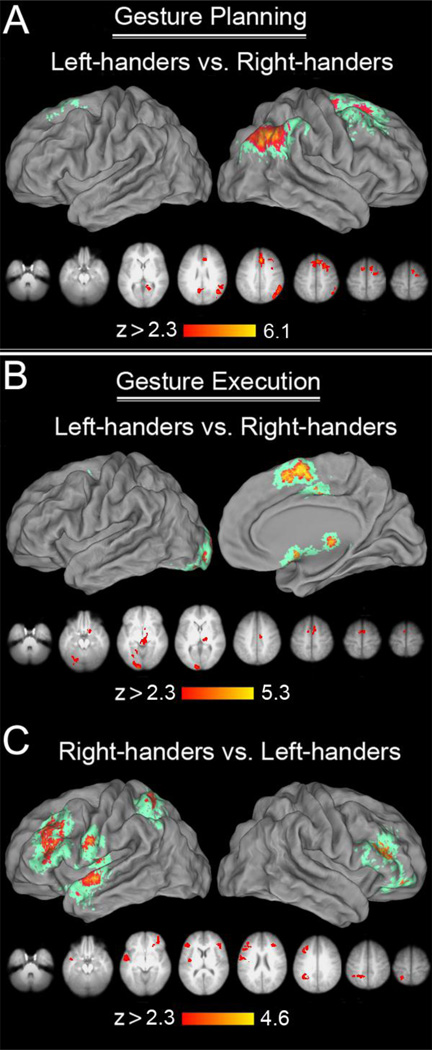
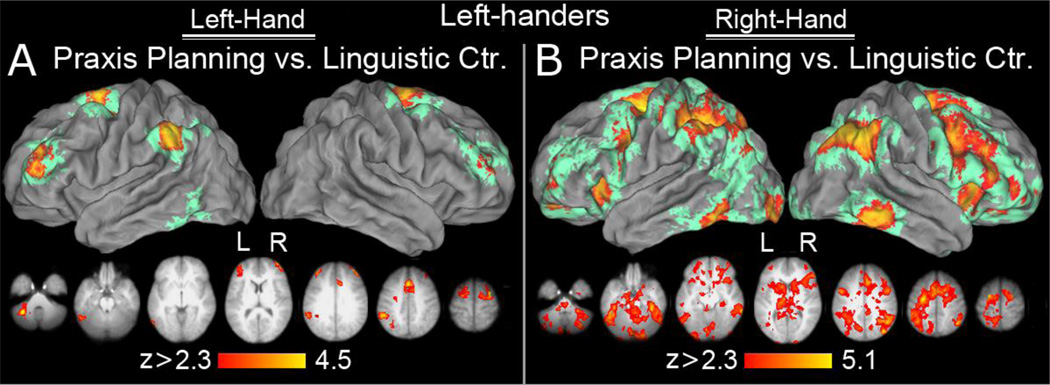
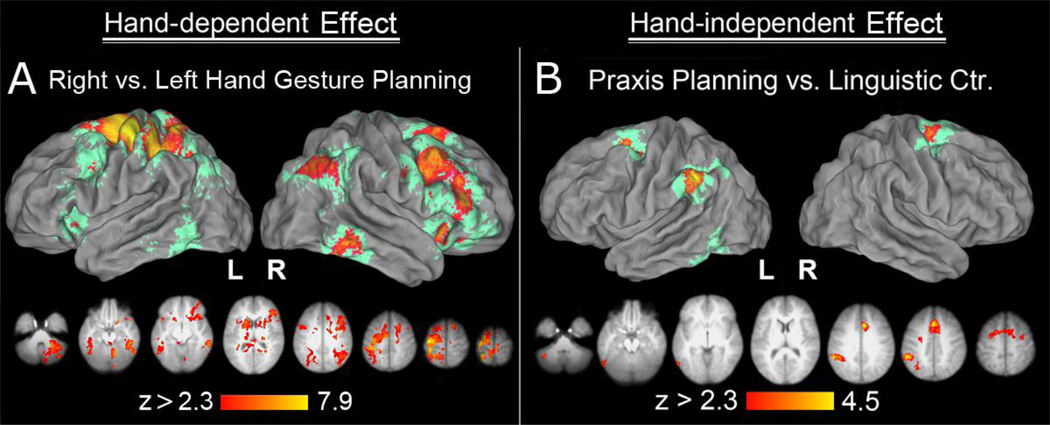
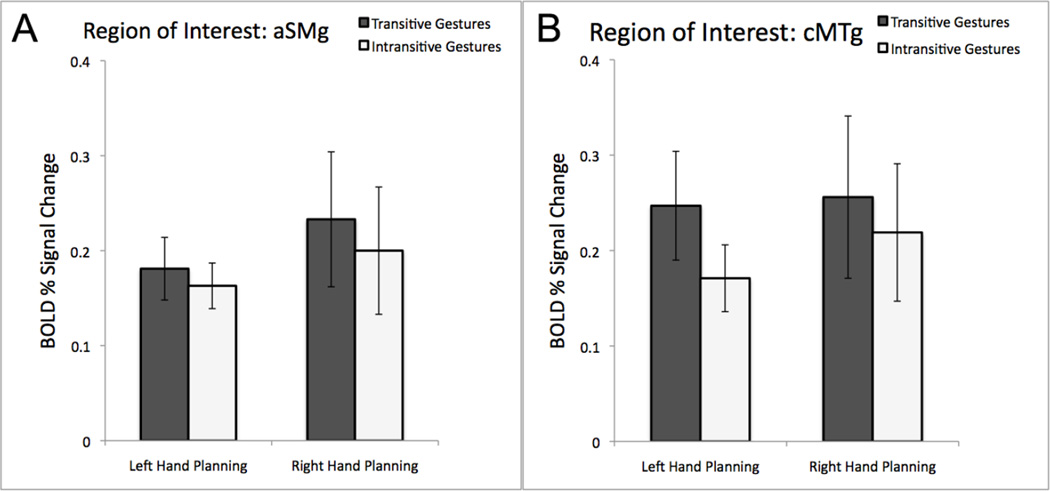
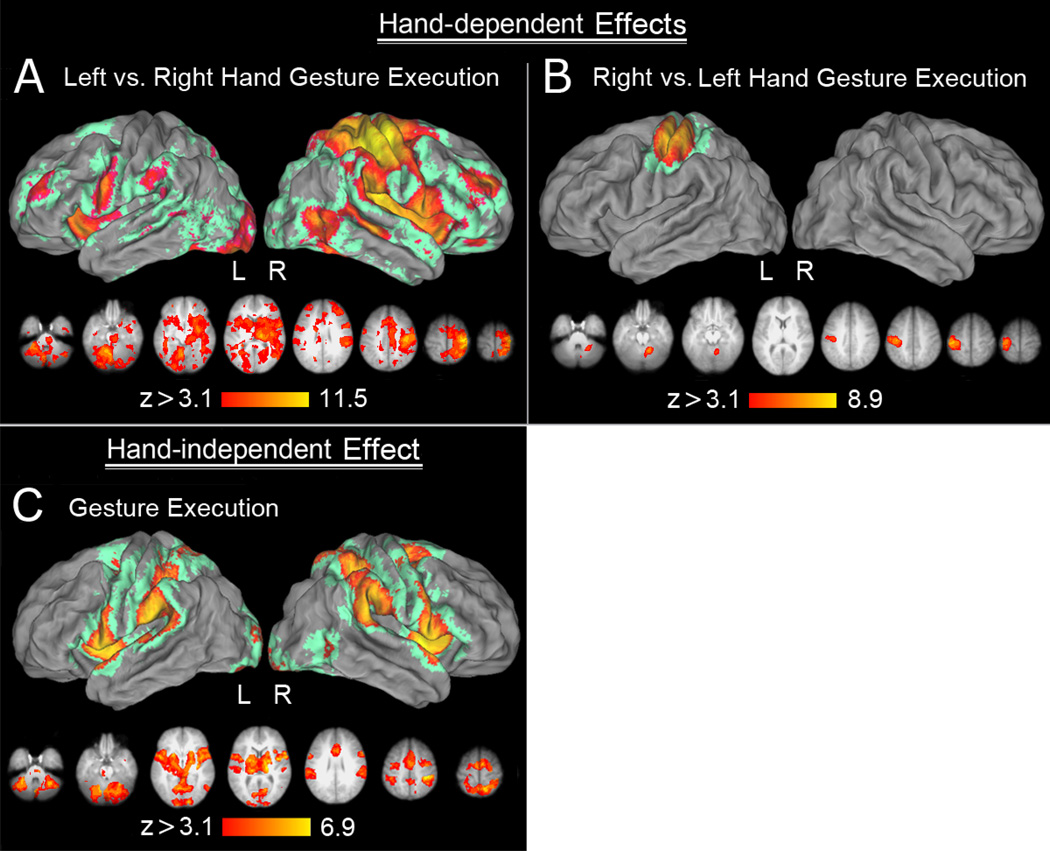
Data from focal brain injury and functional neuroimaging studies implicate a distributed network of parieto-fronto-temporal areas in the human left cerebral hemisphere as playing distinct roles in the representation of meaningful actions (praxis). Because these data come primarily from right-handed individuals, the relationship between left cerebral specialization for praxis representation and hand dominance remains unclear. We used functional magnetic resonance imaging (fMRI) to evaluate the hypothesis that strongly left-handed (right hemisphere motor dominant) adults also exhibit this left cerebral specialization. Participants planned familiar actions for subsequent performance with the left or right hand in response to transitive (e.g., "pounding") or intransitive (e.g. "waving") action words. In linguistic control trials, cues denoted non-physical actions (e.g., "believing"). Action planning was associated with significant, exclusively left-lateralized and extensive increases of activity in the supramarginal gyrus (SMg), and more focal modulations in the left caudal middle temporal gyrus (cMTg). This activity was hand- and gesture-independent, i.e., unaffected by the hand involved in subsequent action performance, and the type of gesture (i.e., transitive or intransitive). Compared directly with right-handers, left-handers exhibited greater involvement of the right angular gyrus (ANg) and dorsal premotor cortex (dPMC), which is indicative of a less asymmetric functional architecture for praxis representation. We therefore conclude that the organization of mechanisms involved in planning familiar actions is influenced by one's motor dominance. However, independent of hand dominance, the left SMg and cMTg are specialized for ideomotor transformations-the integration of conceptual knowledge and motor representations into meaningful actions. These findings support the view that higher-order praxis representation and lower-level motor dominance rely on dissociable mechanisms.
局灶性脑损伤和功能神经影像学研究的数据表明,人类左脑半球顶叶 - 额叶 - 颞叶区域的分布式网络在有意义动作(运用)的表征中发挥着不同作用。由于这些数据主要来自右利手个体,因此左脑在运用表征方面的专门化与手偏好之间的关系仍不明确。我们使用功能磁共振成像(fMRI)来评估以下假设:强左利手(右半球运动优势)的成年人也表现出这种左脑专门化。参与者根据及物动作词(例如“敲打”)或不及物动作词(例如“挥手”)计划随后用左手或右手执行的熟悉动作。在语言控制试验中,线索表示非身体动作(例如“相信”)。动作计划与上缘回(SMg)中显著的、仅左侧化且广泛的活动增加以及左尾侧颞中回(cMTg)中更局部的调节相关。这种活动与手和手势无关,即不受后续动作执行所涉及的手以及手势类型(即及物或不及物)的影响。与右利手者直接比较,左利手者表现出右角回(ANg)和背侧运动前皮质(dPMC)的更大参与,这表明运用表征的功能结构不对称性较小。因此,我们得出结论,参与计划熟悉动作的机制组织受个体运动优势的影响。然而,与手偏好无关,左SMg和cMTg专门用于观念运动转换——将概念知识和运动表征整合为有意义的动作。这些发现支持了高阶运用表征和低阶运动优势依赖于可分离机制的观点。