Coutandin Daniel, Osterburg Christian, Srivastav Ratnesh Kumar, Sumyk Manuela, Kehrloesser Sebastian, Gebel Jakob, Tuppi Marcel, Hannewald Jens, Schäfer Birgit, Salah Eidarus, Mathea Sebastian, Müller-Kuller Uta, Doutch James, Grez Manuel, Knapp Stefan, Dötsch Volker
Institute of Biophysical Chemistry, Goethe University, Frankfurt, Germany.
Center for Biomolecular Magnetic Resonance, Goethe University, Frankfurt, Germany.
Elife. 2016 Mar 14;5:e13909. doi: 10.7554/eLife.13909.
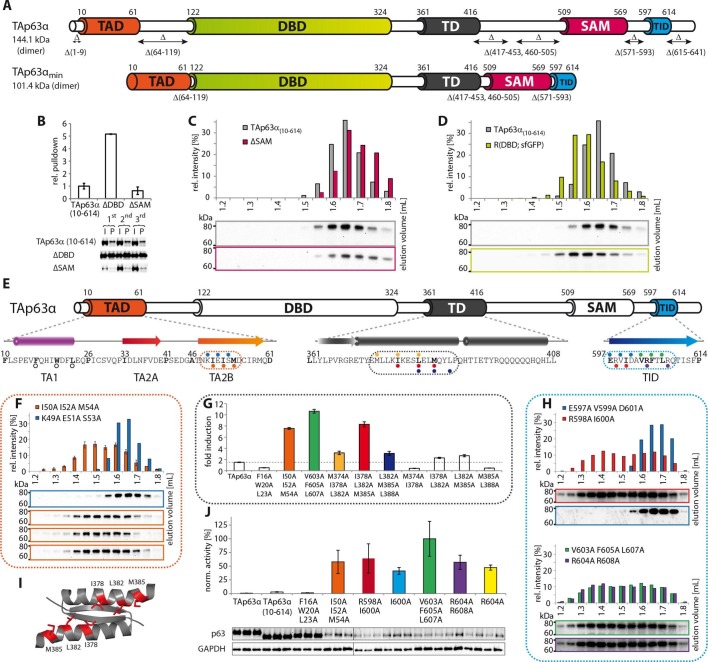
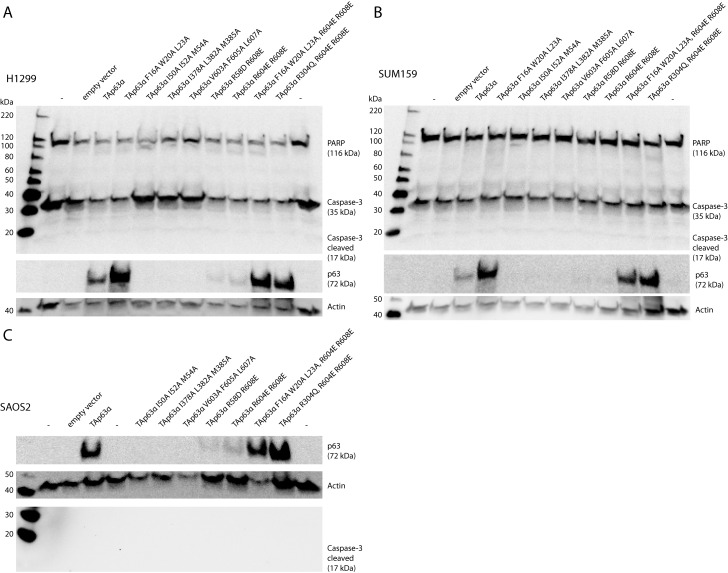
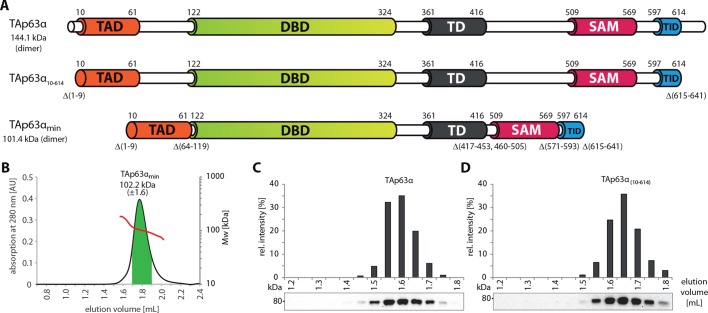
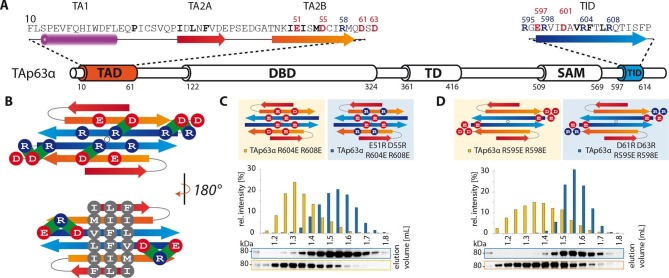
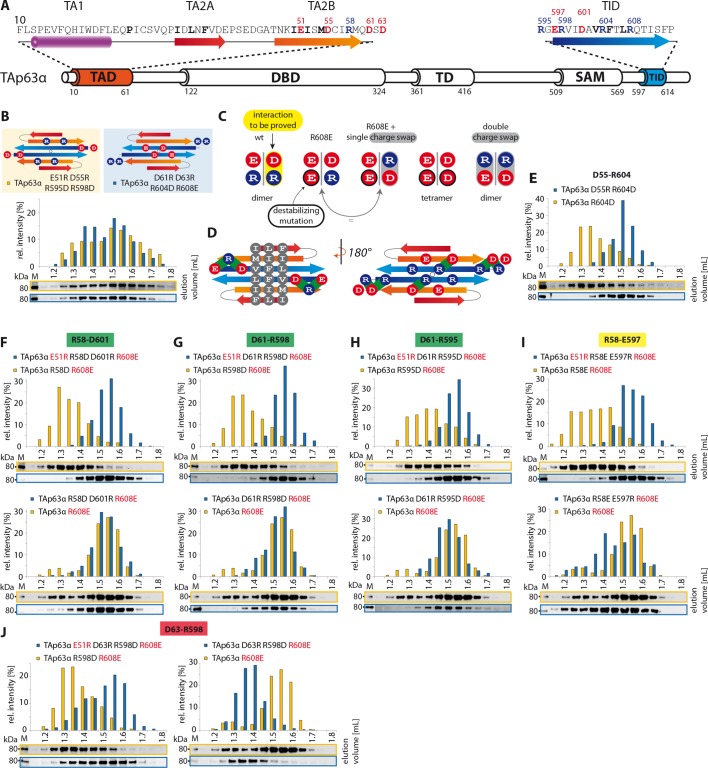
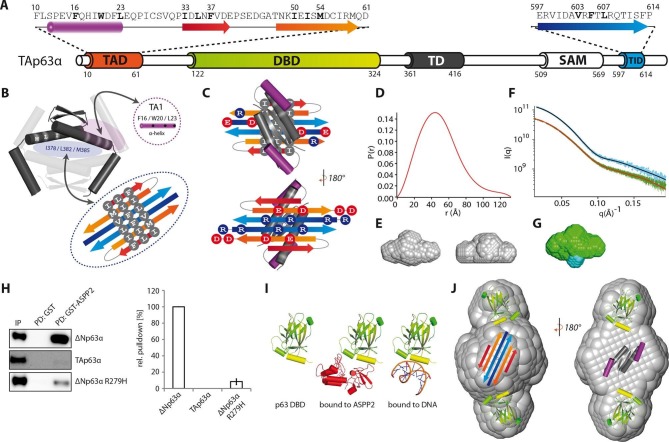
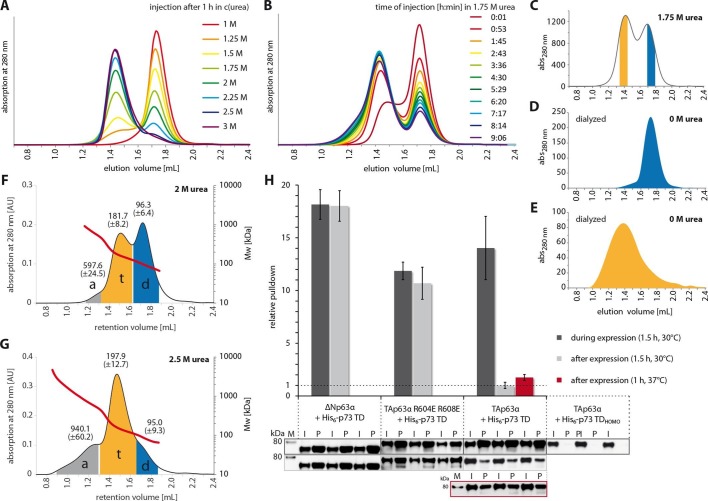
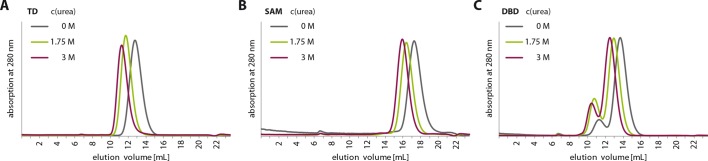
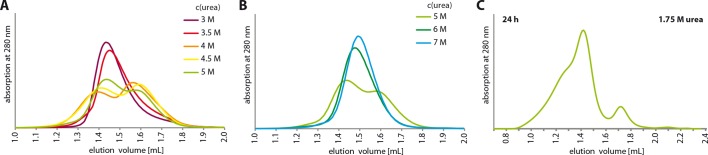
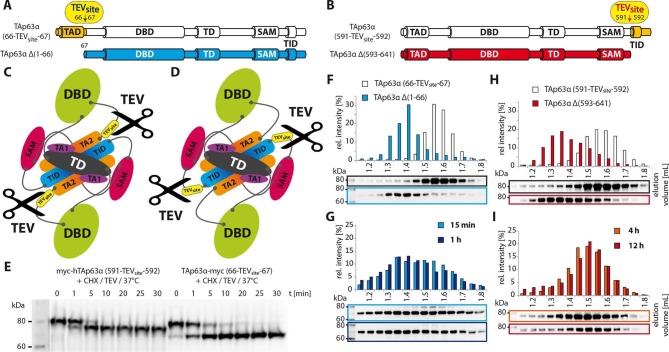
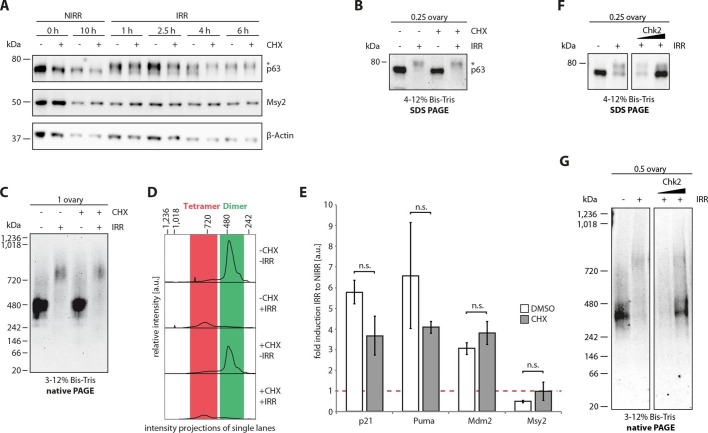
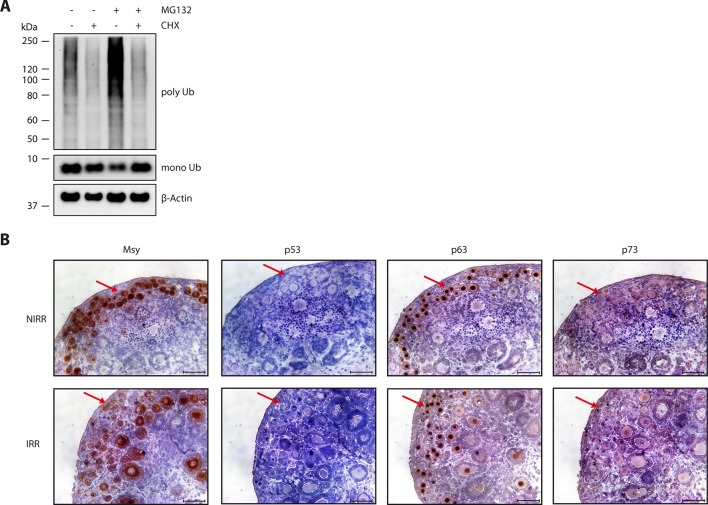
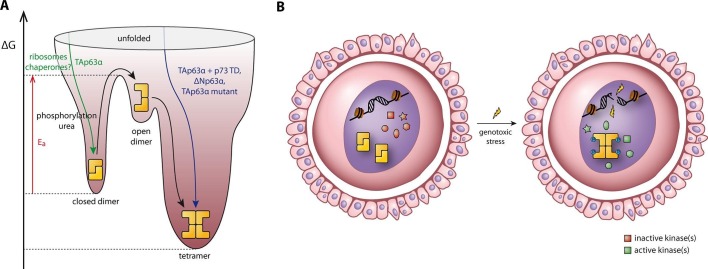
Mammalian oocytes are arrested in the dictyate stage of meiotic prophase I for long periods of time, during which the high concentration of the p53 family member TAp63α sensitizes them to DNA damage-induced apoptosis. TAp63α is kept in an inactive and exclusively dimeric state but undergoes rapid phosphorylation-induced tetramerization and concomitant activation upon detection of DNA damage. Here we show that the TAp63α dimer is a kinetically trapped state. Activation follows a spring-loaded mechanism not requiring further translation of other cellular factors in oocytes and is associated with unfolding of the inhibitory structure that blocks the tetramerization interface. Using a combination of biophysical methods as well as cell and ovary culture experiments we explain how TAp63α is kept inactive in the absence of DNA damage but causes rapid oocyte elimination in response to a few DNA double strand breaks thereby acting as the key quality control factor in maternal reproduction.
哺乳动物卵母细胞在减数分裂前期I的双线期长时间停滞,在此期间,p53家族成员TAp63α的高浓度使其对DNA损伤诱导的凋亡敏感。TAp63α保持无活性且仅为二聚体状态,但在检测到DNA损伤时会经历快速的磷酸化诱导的四聚化并伴随激活。在这里,我们表明TAp63α二聚体是一种动力学捕获状态。激活遵循一种弹簧加载机制,不需要卵母细胞中其他细胞因子的进一步翻译,并且与阻断四聚化界面的抑制性结构的解折叠有关。通过结合生物物理方法以及细胞和卵巢培养实验,我们解释了TAp63α在没有DNA损伤的情况下如何保持无活性,但在响应少数DNA双链断裂时导致卵母细胞快速消除,从而在母体生殖中作为关键的质量控制因子发挥作用。