Sawada Junko, Li Fangfei, Komatsu Masanobu
Cardiovascular Metabolism Program and Tumor Microenvironment and Cancer Immunology Program, Sanford-Burnham-Prebys Medical Discovery Institute at Lake Nona, Orlando, Fla., USA.
J Vasc Res. 2015;52(5):347-59. doi: 10.1159/000444526. Epub 2016 Mar 31.
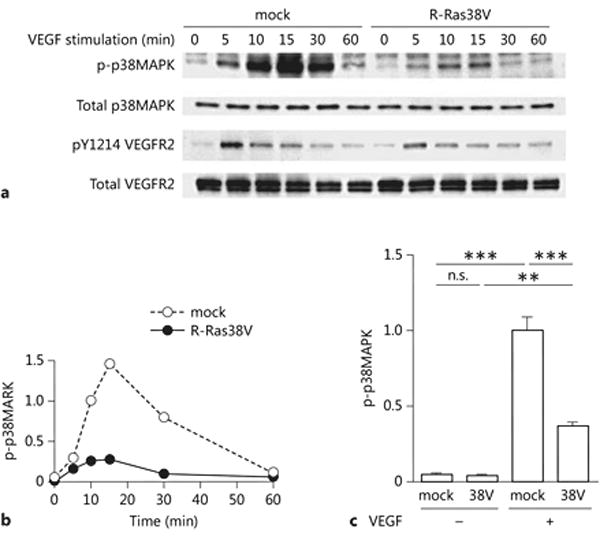
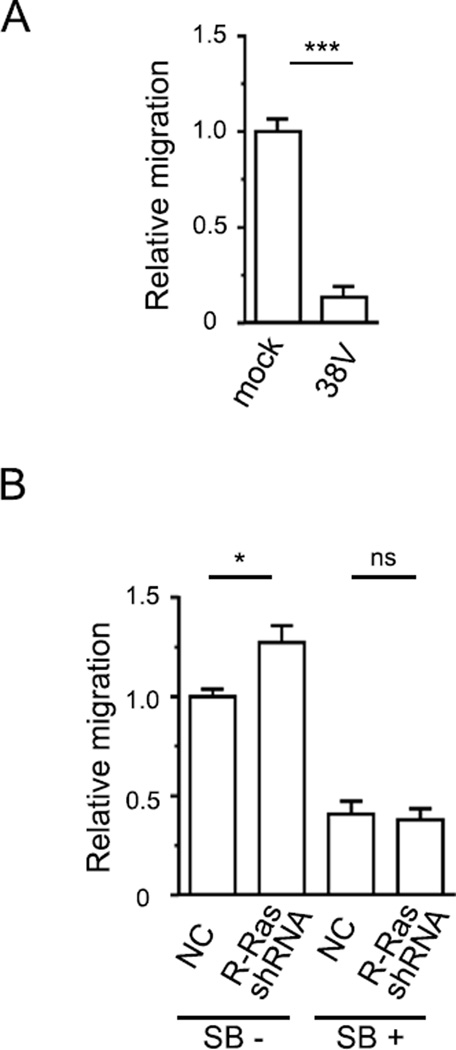
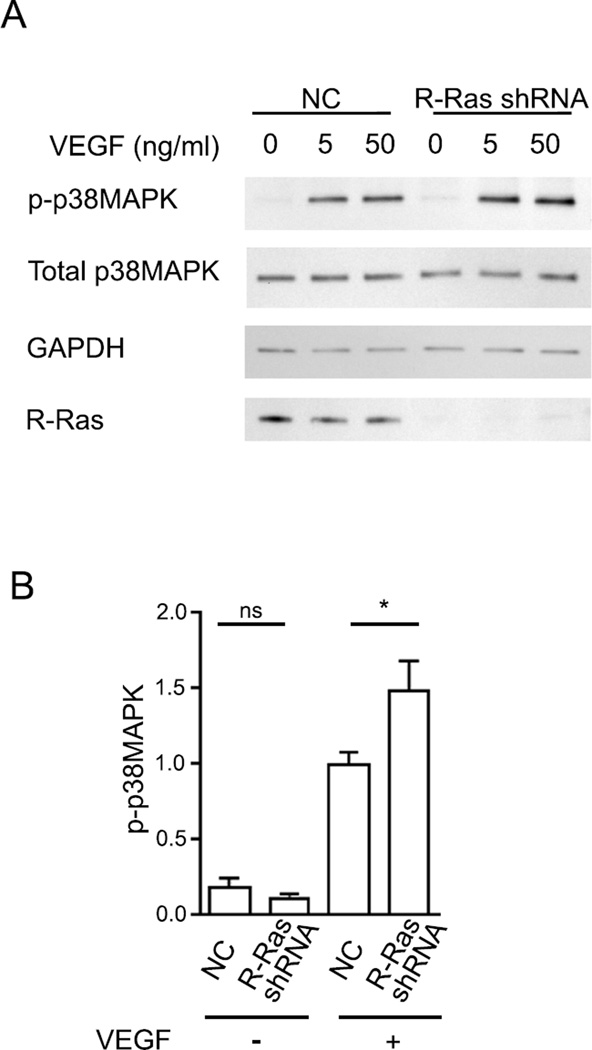
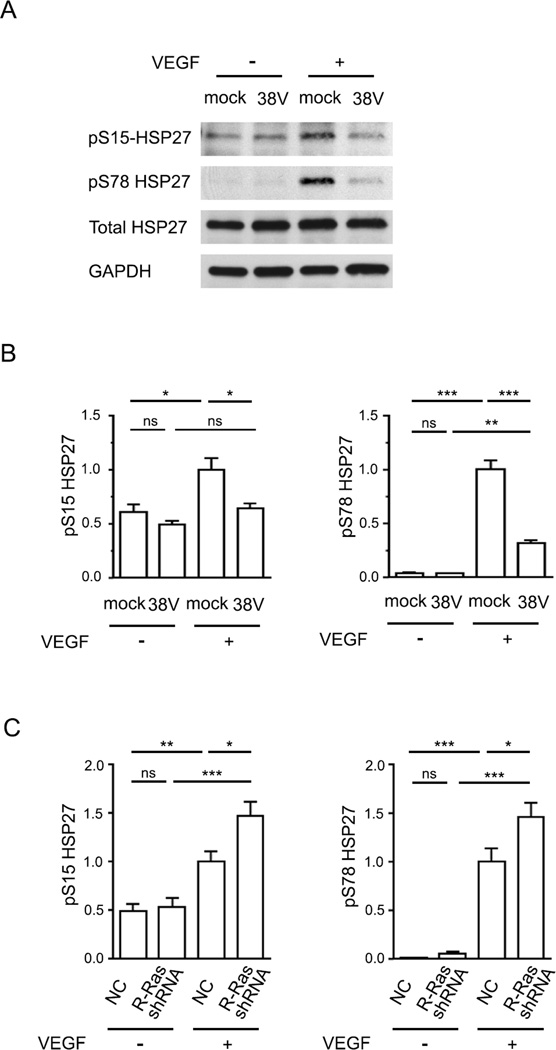
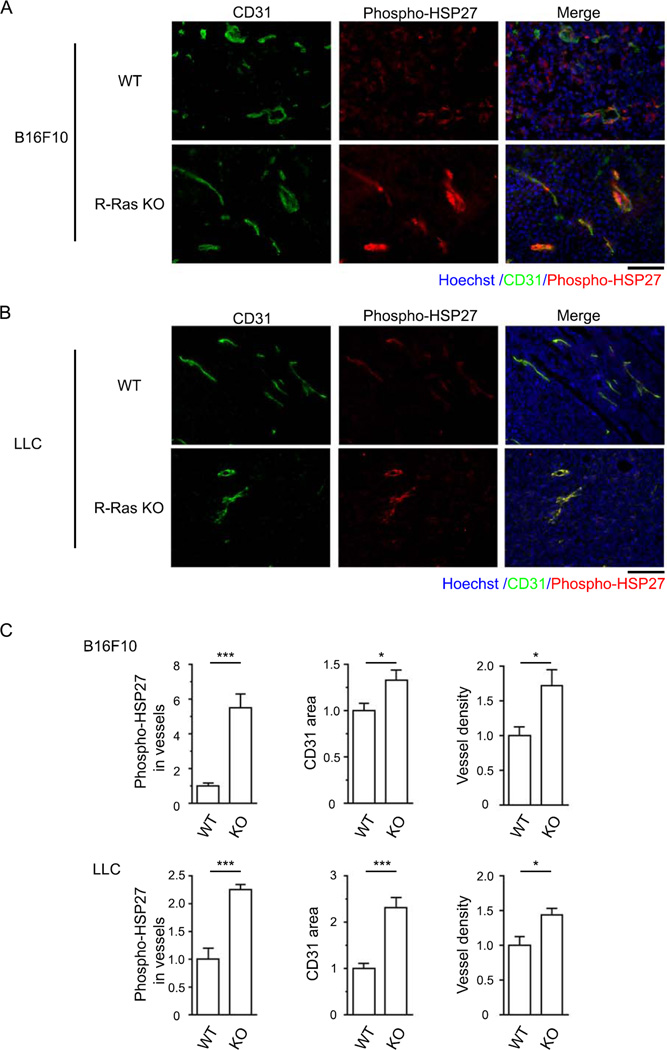
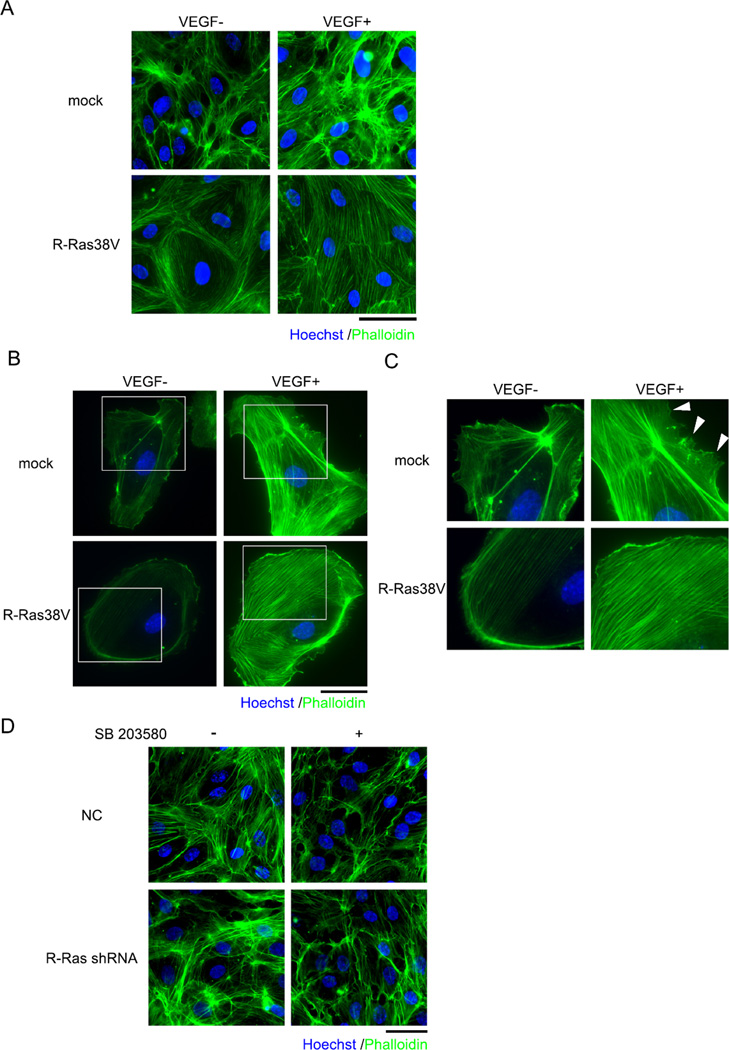
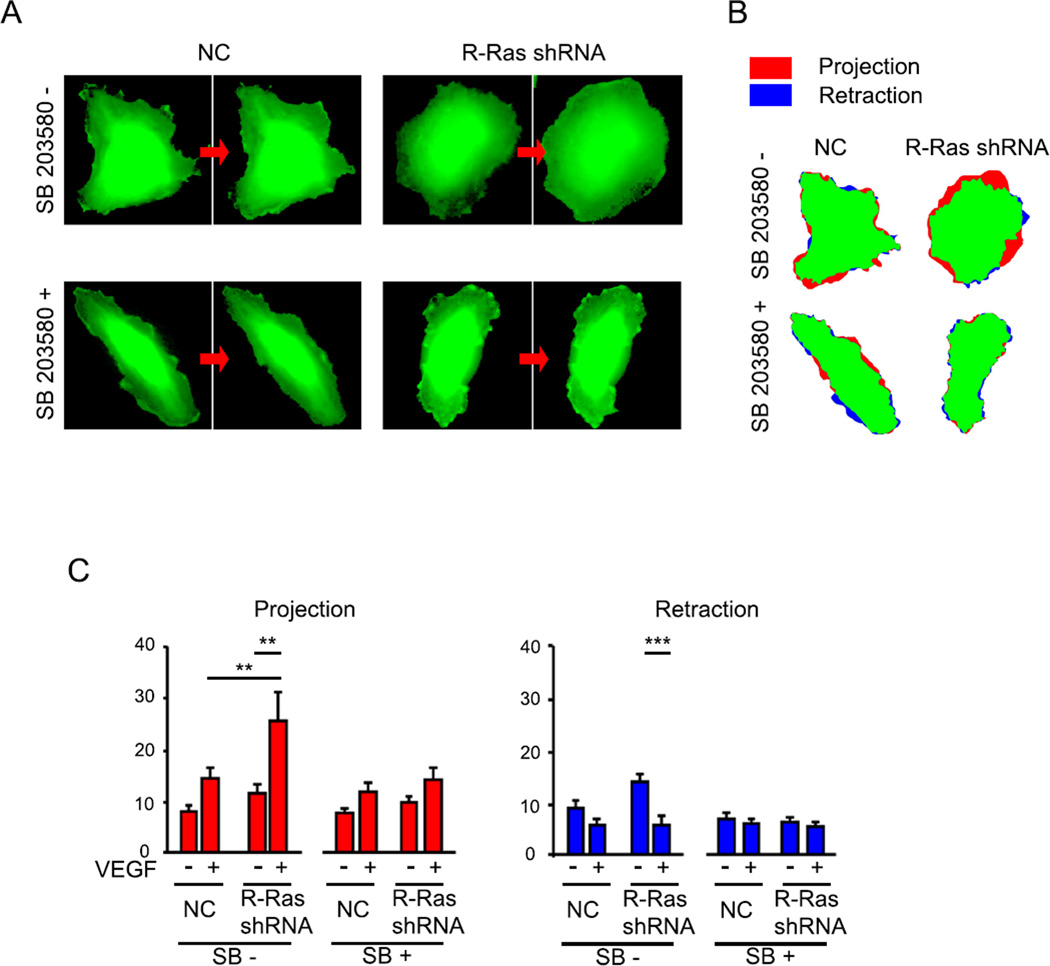
R-Ras is a Ras family small GTPase that is highly expressed in mature functional blood vessels in normal tissues. It inhibits pathological angiogenesis and promotes vessel maturation and stabilization. Previous studies suggest that R-Ras affects cellular signaling in endothelial cells, pericytes and smooth-muscle cells to regulate vessel formation and remodeling in adult tissues. R-Ras suppresses VEGF-induced endothelial permeability and vessel sprouting while promoting normalization of pathologically developing vessels in mice. It attenuates VEGF receptor-2 (VEGFR2) activation by inhibiting internalization of the receptor upon VEGF ligand binding, leading to significant reduction of VEGFR2 autophosphorylation. Here, we show that R-Ras strongly suppresses the VEGF-dependent activation of stress-activated protein kinase-2/p38 mitogen-activated protein kinase (SAPK2/p38MAPK) and the phosphorylation of downstream heat-shock protein 27 (HSP27), a regulator of actin cytoskeleton organization, in endothelial cells. The suppression of p38MAPK activation and HSP27 phosphorylation by R-Ras concurred with altered actin cytoskeleton architecture, reduced membrane protrusion and inhibition of endothelial cell migration toward VEGF. Silencing of endogenous R-Ras by RNA interference increased membrane protrusion and cell migration stimulated by VEGF, and these effects were offset by p38MAPK inhibitor SB203580. These results suggest that R-Ras regulates angiogenic activities of endothelial cells in part via inhibition of the p38MAPK-HSP27 axis of VEGF signaling.
R-Ras是一种Ras家族的小GTP酶,在正常组织中成熟的功能性血管中高度表达。它抑制病理性血管生成,促进血管成熟和稳定。先前的研究表明,R-Ras影响内皮细胞、周细胞和平滑肌细胞中的细胞信号传导,以调节成体组织中的血管形成和重塑。R-Ras抑制VEGF诱导的内皮通透性和血管芽生,同时促进小鼠病理性发育血管的正常化。它通过抑制VEGF配体结合后受体的内化来减弱VEGF受体2(VEGFR2)的激活,导致VEGFR2自身磷酸化显著减少。在这里,我们表明,R-Ras强烈抑制内皮细胞中应激激活蛋白激酶2/ p38丝裂原活化蛋白激酶(SAPK2 / p38MAPK)的VEGF依赖性激活以及下游热休克蛋白HSP27(肌动蛋白细胞骨架组织的调节剂)的磷酸化。R-Ras对p38MAPK激活和HSP27磷酸化的抑制与肌动蛋白细胞骨架结构的改变、膜突出减少以及内皮细胞向VEGF迁移的抑制同时发生。通过RNA干扰使内源性R-Ras沉默增加了VEGF刺激的膜突出和细胞迁移,并且这些作用被p38MAPK抑制剂SB203580抵消。这些结果表明,R-Ras部分通过抑制VEGF信号传导中的p38MAPK-HSP27轴来调节内皮细胞的血管生成活性。