Berdja Sihem, Smail Leila, Saka Boualem, Neggazi Samia, Haffaf El-Mehdi, Benazzoug Yasmina, Kacimi Ghouti, Boudarene Lynda, Aouichat Bouguerra Souhila
Laboratory of Physiology of Organisms, Team of Cellular and Molecular Physiopathology, Faculty of Biological Sciences, University of Technological Sciences Houari Boumediene, BP 32, EL Alia, 16011 Algiers, Algeria.
Laboratory of Organic and Functionally Analysis, Faculty of Chemistry, USTHB, BP 32, El Alia, 16011 Algiers, Algeria.
Evid Based Complement Alternat Med. 2016;2016:3689208. doi: 10.1155/2016/3689208. Epub 2016 Mar 7.
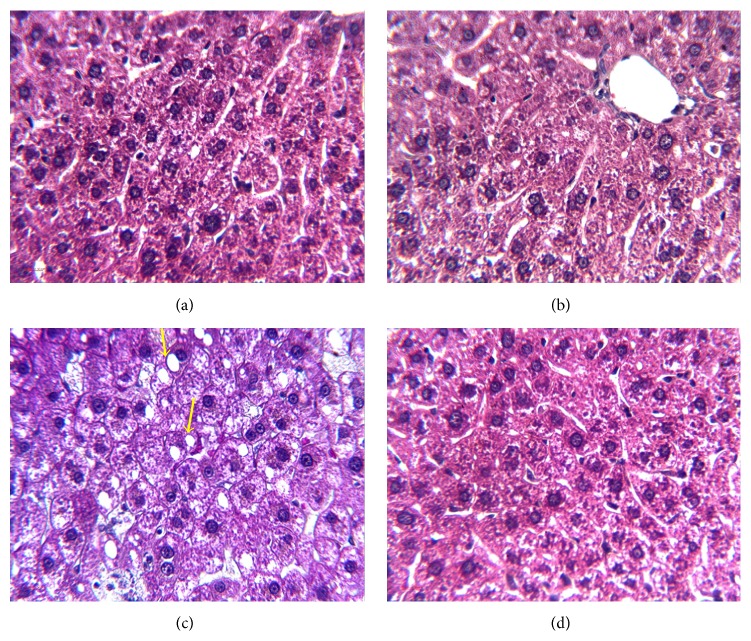
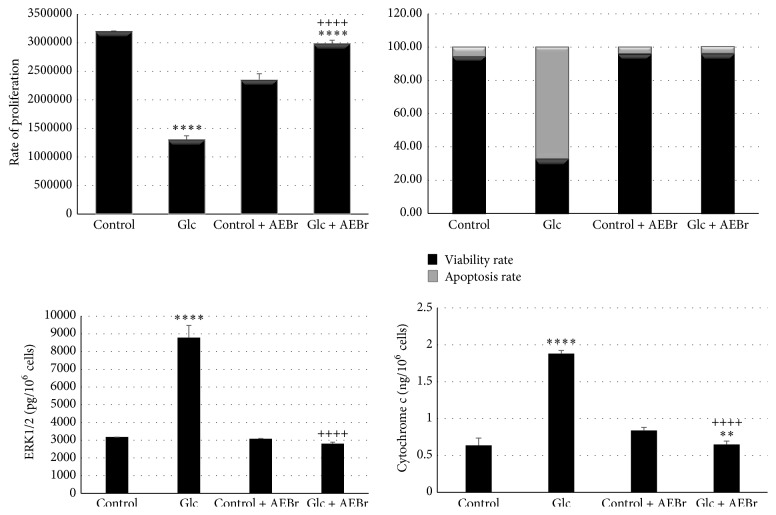
Context. Brassica rapa is considered as natural source of antioxidants and is used to treat diabetes. Objective. Our study carried the impact of glucotoxicity induced in vivo and in vitro in vascular smooth muscle cells (VSMCs) in Psammomys and the therapeutic effect of Brassica rapa (AEBr). Materials and Methods. We administered a hyperglucidic diet (30% sucrose) for 9 months and a treatment for 20 days with AEBr at 100 mg/kg. VSMCs were submitted to D-Glucose (0.6%) for 48 hours and treated with AEBr (2100 μg/mL) for 24 hours. We measured, in blood metabolic parameters, the redox statues and inflammatory markers in adipose tissue. Histological study was effectuated in liver. In VSMCs, we measured markers of glucotoxicity (IRS1p Serine, AKT) inflammation (NO, MCP1, TNFα, and NF-κB) and oxidative stress (oxidants and antioxydants markers). Cell viability and apoptosis were estimated by the morphological study. Results. AEBr corrects the metabolic parameters and inflammatory and oxidative markers in blood and homogenate tissue and reduces lipid droplets in liver. It induces, in VSMCs, a significant decrease of IRS1p serine, cyt c, NO, MCP1, TNFα, NF-κB, protein, and lipid oxidation and increases cell viability, AKT, ERK1/2, catalase, and SOD activity. Conclusion. Brassica enhanced the antidiabetic, anti-inflammatory, and antioxidant defense leading to the protection of cardiovascular diseases.
背景。芜菁被认为是抗氧化剂的天然来源,并用于治疗糖尿病。目的。我们的研究探讨了在体内和体外诱导沙鼠血管平滑肌细胞(VSMC)发生糖毒性的影响以及芜菁(AEBr)的治疗效果。材料与方法。我们给予高糖饮食(30%蔗糖)9个月,并以100 mg/kg的剂量用AEBr治疗20天。将VSMC用0.6%的D-葡萄糖处理48小时,并用AEBr(2100 μg/mL)处理24小时。我们测量了血液代谢参数、脂肪组织中的氧化还原状态和炎症标志物。对肝脏进行了组织学研究。在VSMC中,我们测量了糖毒性标志物(IRS1p丝氨酸、AKT)、炎症标志物(NO、MCP1、TNFα和NF-κB)以及氧化应激标志物(氧化剂和抗氧化剂标志物)。通过形态学研究评估细胞活力和凋亡。结果。AEBr纠正了血液和匀浆组织中的代谢参数、炎症和氧化标志物,并减少了肝脏中的脂滴。在VSMC中,它使IRS1p丝氨酸、细胞色素c、NO、MCP1、TNFα、NF-κB、蛋白质和脂质氧化显著降低,并提高了细胞活力、AKT、ERK1/2、过氧化氢酶和超氧化物歧化酶活性。结论。芜菁增强了抗糖尿病、抗炎和抗氧化防御能力,从而对心血管疾病起到保护作用。