Phoenix Timothy N, Patmore Deanna M, Boop Scott, Boulos Nidal, Jacus Megan O, Patel Yogesh T, Roussel Martine F, Finkelstein David, Goumnerova Liliana, Perreault Sebastien, Wadhwa Elizabeth, Cho Yoon-Jae, Stewart Clinton F, Gilbertson Richard J
Department of Developmental Neurobiology, St. Jude Children's Research Hospital, 262 Danny Thomas Place, Memphis, TN 38105, USA.
Li Ka Shing Centre, CRUK Cambridge Institute, University of Cambridge, Robinson Way, Cambridge CB2 0RE, England.
Cancer Cell. 2016 Apr 11;29(4):508-522. doi: 10.1016/j.ccell.2016.03.002. Epub 2016 Mar 31.
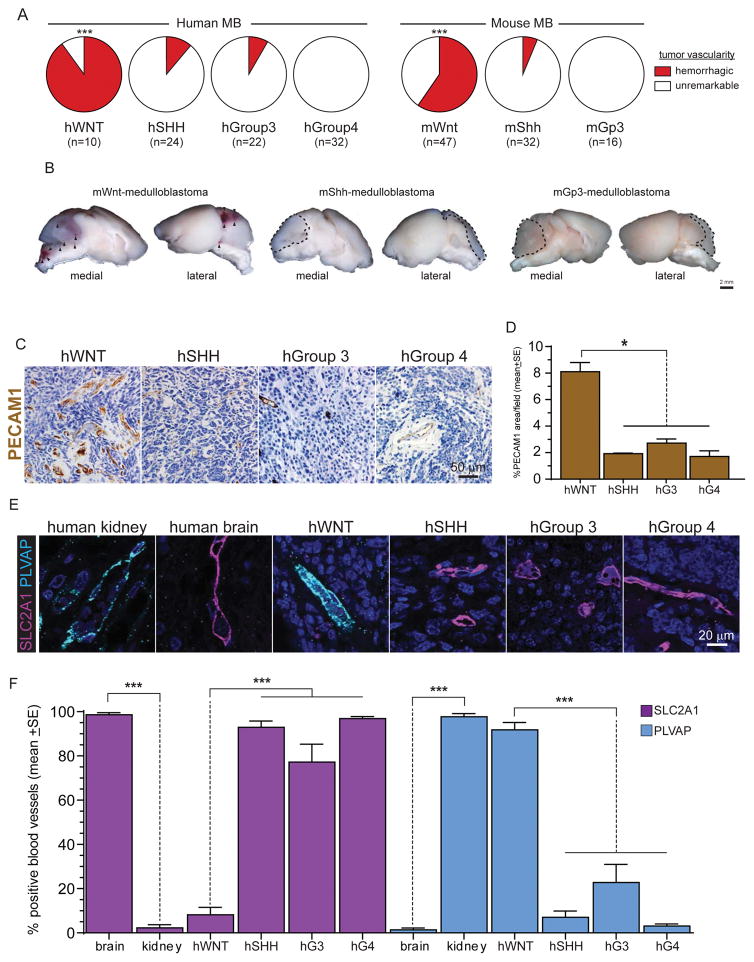
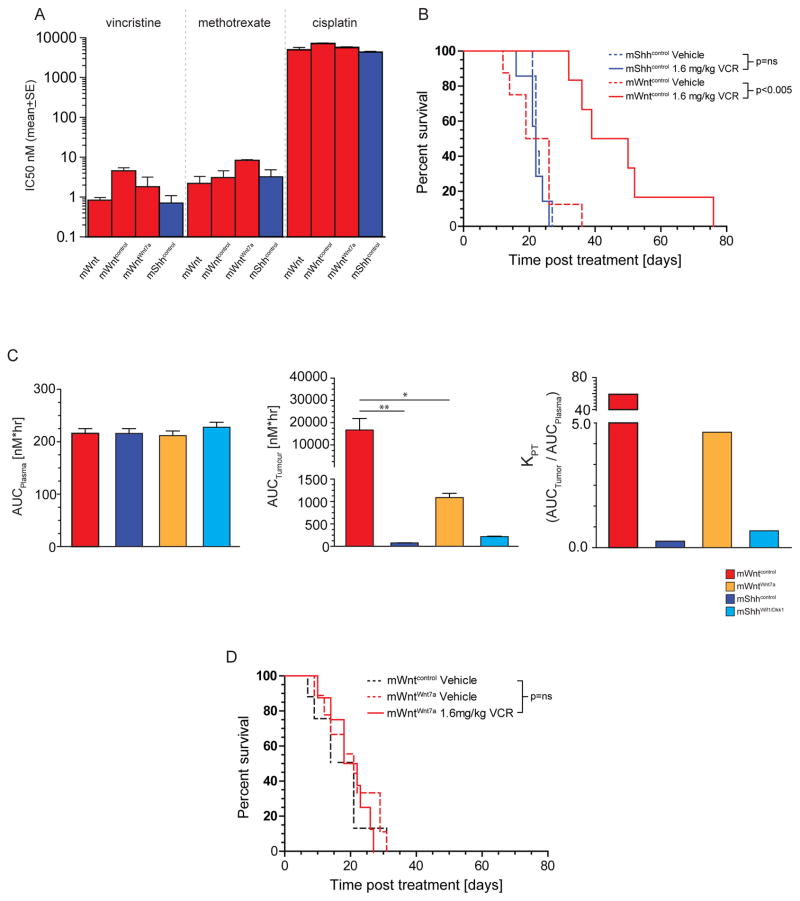
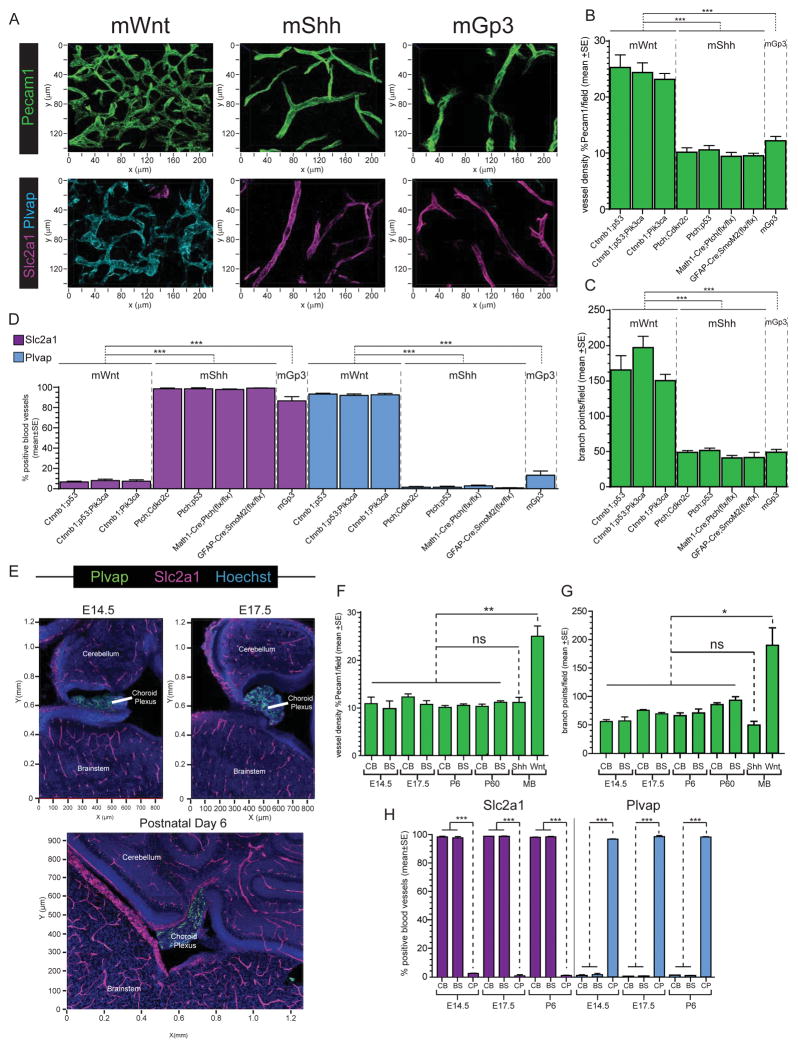
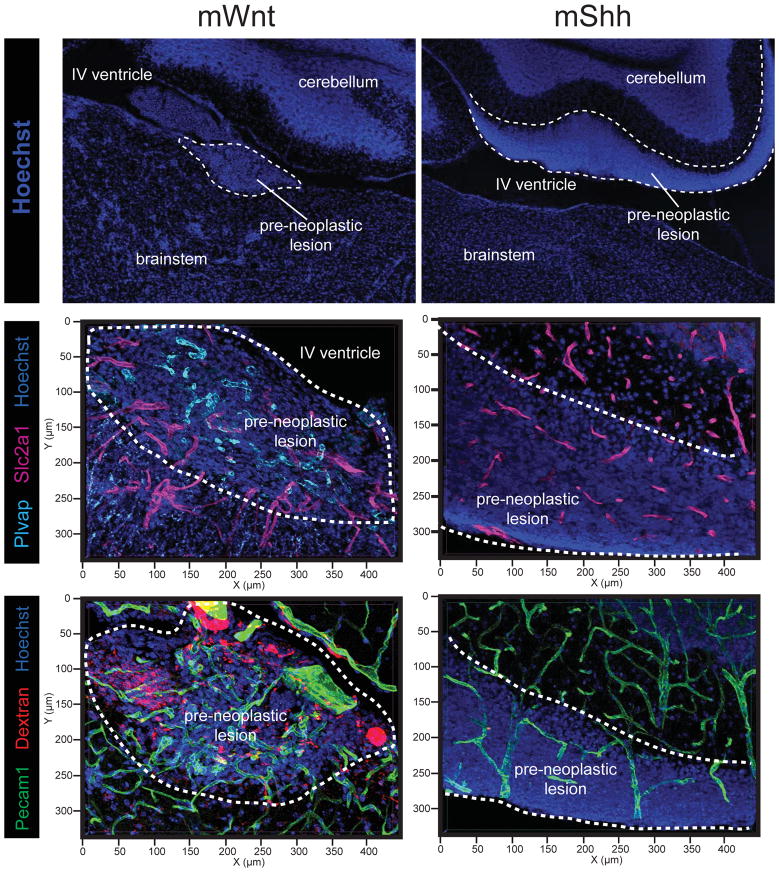
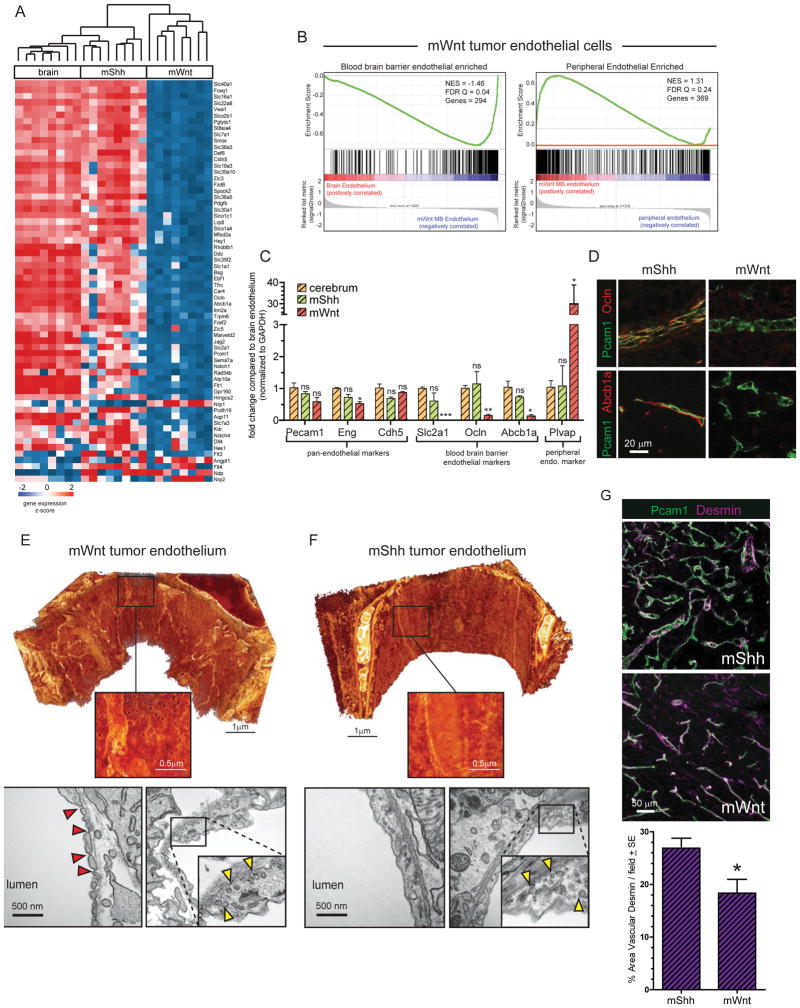
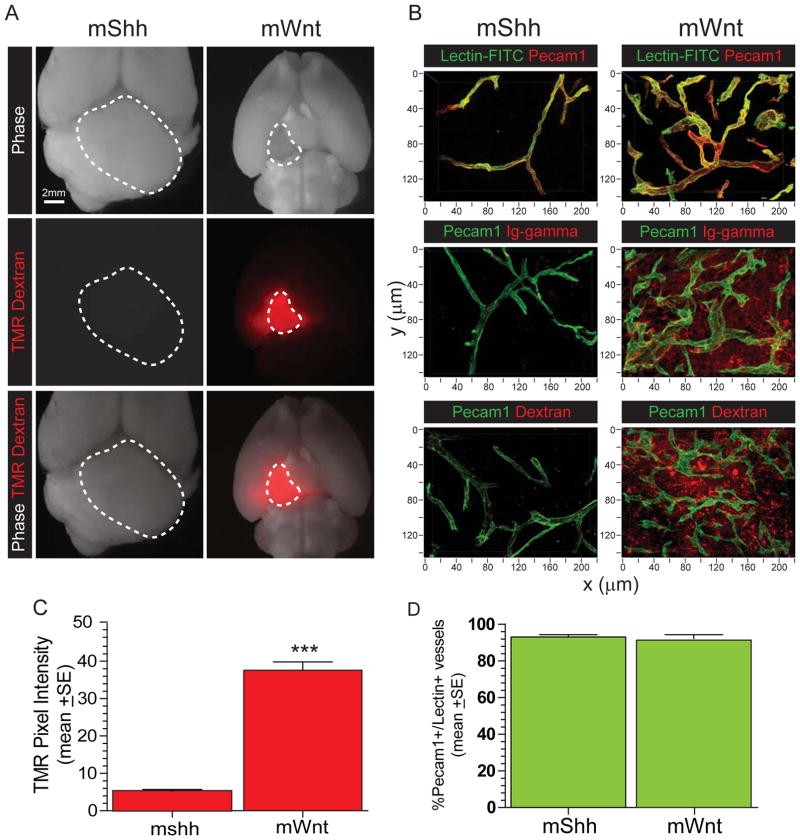
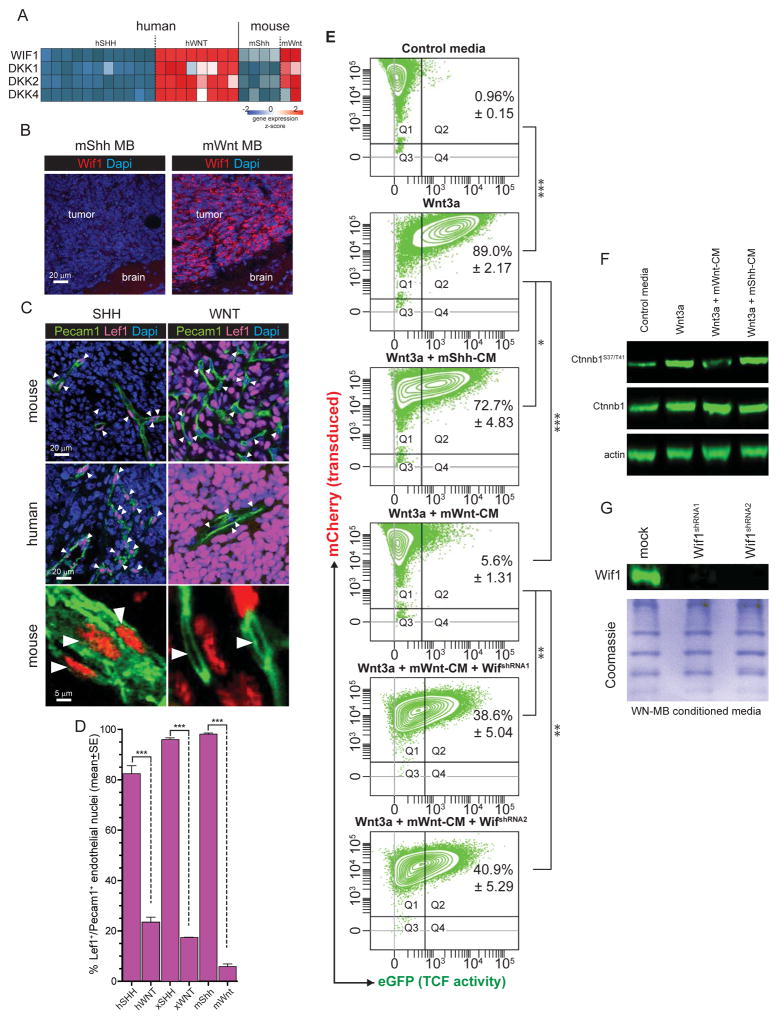
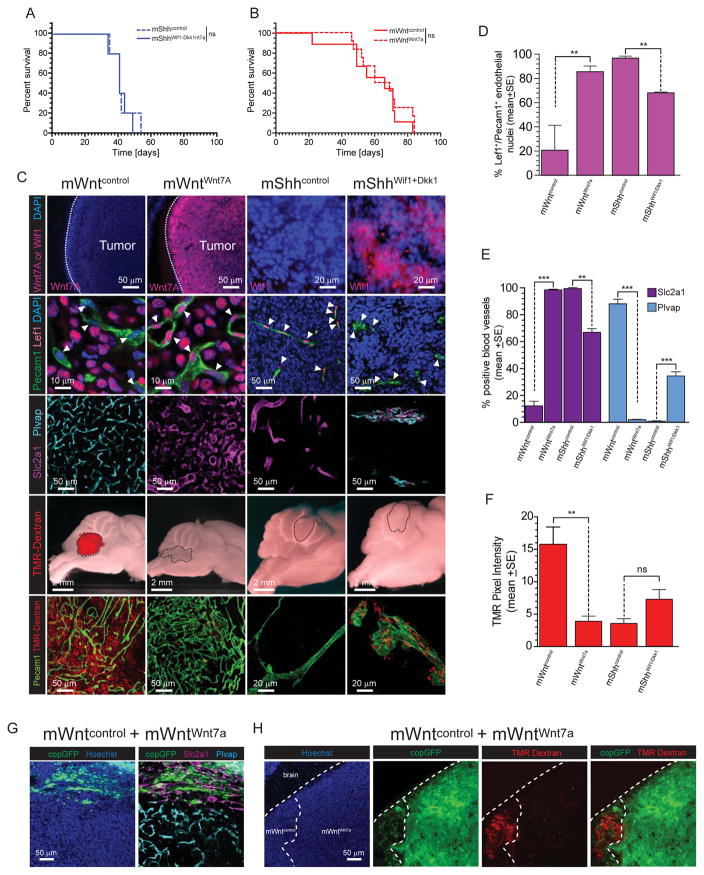
The childhood brain tumor, medulloblastoma, includes four subtypes with very different prognoses. Here, we show that paracrine signals driven by mutant β-catenin in WNT-medulloblastoma, an essentially curable form of the disease, induce an aberrant fenestrated vasculature that permits the accumulation of high levels of intra-tumoral chemotherapy and a robust therapeutic response. In contrast, SHH-medulloblastoma, a less curable disease subtype, contains an intact blood brain barrier, rendering this tumor impermeable and resistant to chemotherapy. The medulloblastoma-endothelial cell paracrine axis can be manipulated in vivo, altering chemotherapy permeability and clinical response. Thus, medulloblastoma genotype dictates tumor vessel phenotype, explaining in part the disparate prognoses among medulloblastoma subtypes and suggesting an approach to enhance the chemoresponsiveness of other brain tumors.
儿童脑肿瘤髓母细胞瘤包括四种预后差异很大的亚型。在此,我们表明,在WNT-髓母细胞瘤(该疾病一种基本可治愈的形式)中,由突变型β-连环蛋白驱动的旁分泌信号诱导形成异常的有窗孔脉管系统,这使得肿瘤内能够积累高水平的化疗药物,并产生强烈的治疗反应。相比之下,SHH-髓母细胞瘤是一种较难治愈的疾病亚型,其血脑屏障完整,使该肿瘤对化疗药物不透且耐药。髓母细胞瘤-内皮细胞旁分泌轴可在体内进行调控,从而改变化疗药物的渗透性和临床反应。因此,髓母细胞瘤的基因型决定肿瘤血管表型,这在一定程度上解释了髓母细胞瘤各亚型预后不同的原因,并提示了一种增强其他脑肿瘤化疗反应性的方法。