Karnam S S, Ghosh R C, Mondal S, Mondal M
Department of Veterinary Pathology, College of Veterinary Science and Animal Husbandry, Chhattisgarh Kamdhenu Vishwavidyalaya, Durg, Chhattisgarh, India.
Department of Veterinary Pathology, West Bengal University of Animal and Fishery Sciences, Kolkata, West Bengal, India.
Vet World. 2015 Jun;8(6):738-44. doi: 10.14202/vetworld.2015.738-744. Epub 2015 Jun 17.
The aim was to evaluate the effect of multiple oral administration of bisphenol A (BPA) for 28 days on seminal characteristic on mammal using Wistar rat as a model.
Rats were randomly divided into five different groups having 6 male rats in each group. The doses chosen were 50, 200, and 600 mg/kg body weight for Groups III, IV and V, respectively, based on preliminary dose range finding study and Group II served as vehicle control and Group I was negative control.
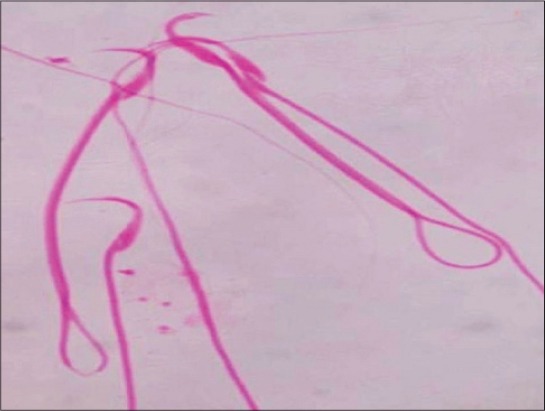
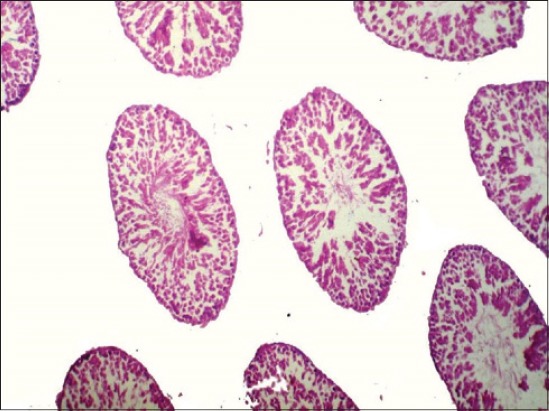
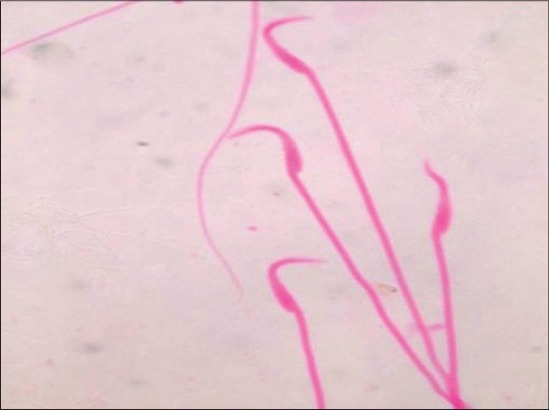
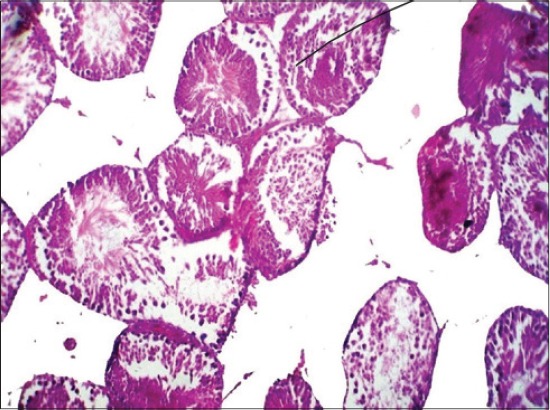
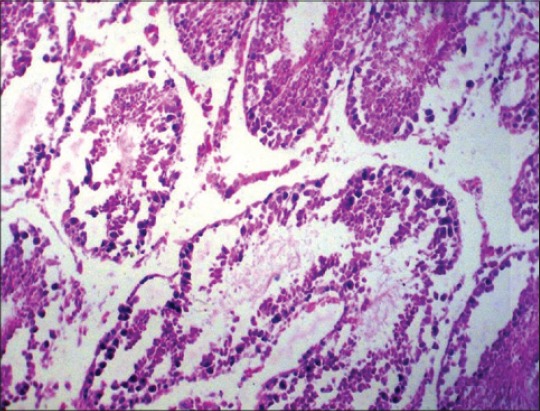
Reproductive study in the BPA-treated rats on day 28 revealed that there was significant (p≤0.05) reduction in the epididymal sperm count of rats of Group IV and significant (p≤0.01) decrease in Group V. Sperm motility percentage, dead count percentage, head and tail abnormality percentage were found to be significantly (p≤0.01) increased in rats of BPA-treated groups as compared to rats of control groups. Testes showed necrosis of germinal layer and spermatogonial cells in the seminiferous tubules. Hematological examination revealed significant (p≤0.01) decrease in the mean values of total erythrocyte count (TEC), total leukocyte count (TLC), hemoglobin, packed cell volume, and there was also significant (p≤0.05) lymphocytopenia in treated animals.
It can be concluded from this study that subacute toxicity of BPA caused a reduction in the epididymal sperm count, sperm motility, dead count, head and tail abnormality, as well as hematological indices such as TLC, TEC etc. Hence, it appears that BPA affects the germ cells leading to impairment in the spermatogenesis, and thus having its property as reproductive toxicant and it also suppresses bone marrow functioning, which leads to normocytic hypochromic anemia in rats.
以Wistar大鼠为模型,评估双酚A(BPA)连续28天多次口服给药对哺乳动物精液特征的影响。
将大鼠随机分为五组,每组6只雄性大鼠。根据初步剂量范围研究,分别给第III、IV和V组大鼠按体重50、200和600 mg/kg给药,第II组作为溶剂对照组,第I组为阴性对照组。
对BPA处理的大鼠在第28天进行的生殖研究表明,第IV组大鼠附睾精子计数显著减少(p≤0.05),第V组显著减少(p≤0.01)。与对照组大鼠相比,BPA处理组大鼠的精子活力百分比、死精计数百分比、头部和尾部异常百分比均显著增加(p≤0.01)。睾丸显示生精小管中生发层和精原细胞坏死。血液学检查显示,处理动物的总红细胞计数(TEC)、总白细胞计数(TLC)、血红蛋白、血细胞压积平均值显著降低(p≤0.01),且淋巴细胞减少也有显著差异(p≤0.05)。
从本研究可以得出结论,BPA的亚急性毒性导致附睾精子计数、精子活力、死精计数、头部和尾部异常以及TLC、TEC等血液学指标降低。因此,BPA似乎影响生殖细胞,导致精子发生受损,从而具有生殖毒性,并且它还抑制骨髓功能,导致大鼠出现正细胞性低色素性贫血。