Department of Materials Science and Engineering Northwestern University , Evanston, Illinois 60208, United States.
Simpson Querrey Institute for BioNanotechnology, Northwestern University , Chicago, Illinois 60611, United States.
Nano Lett. 2016 May 11;16(5):3042-50. doi: 10.1021/acs.nanolett.6b00054. Epub 2016 Apr 12.
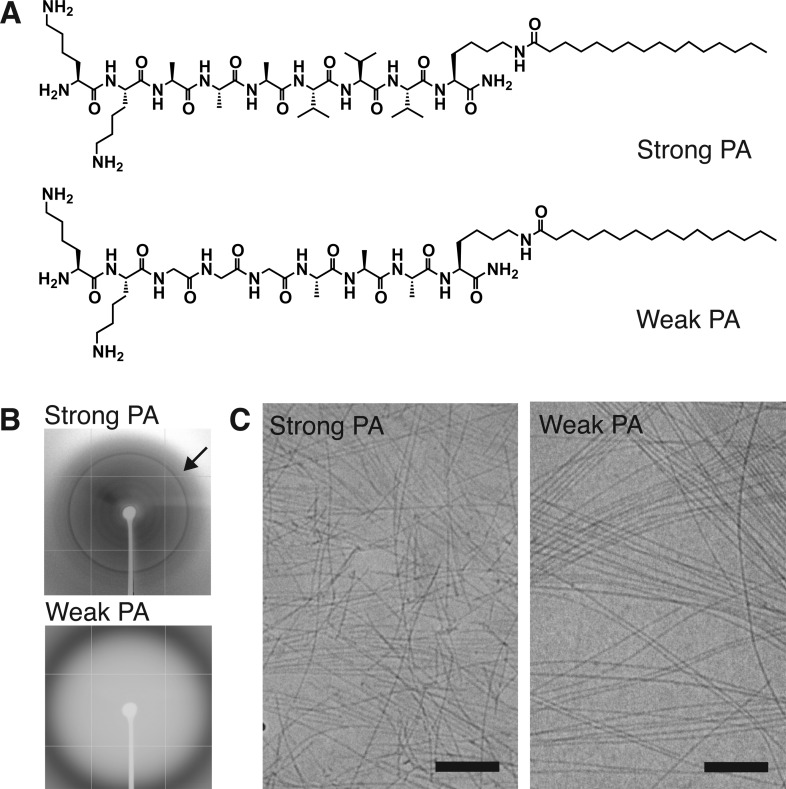
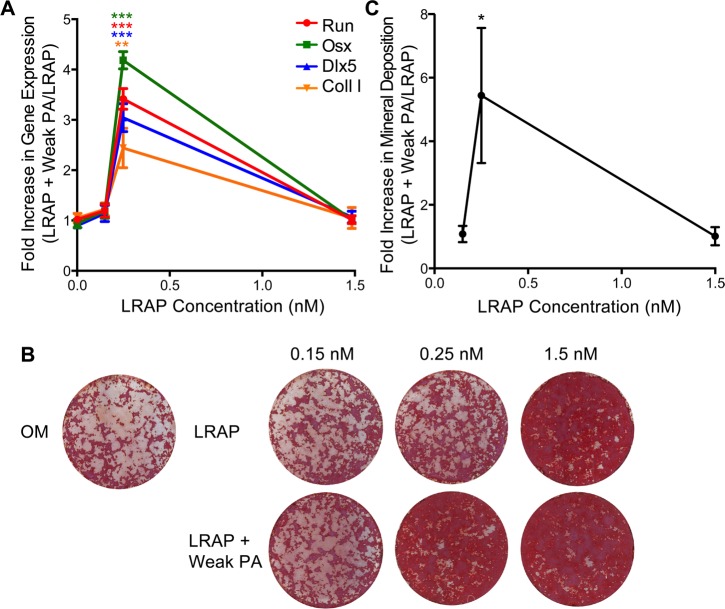
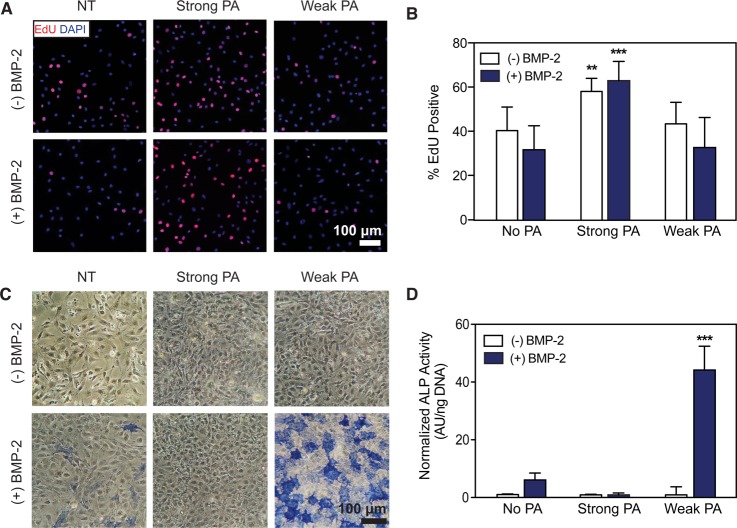
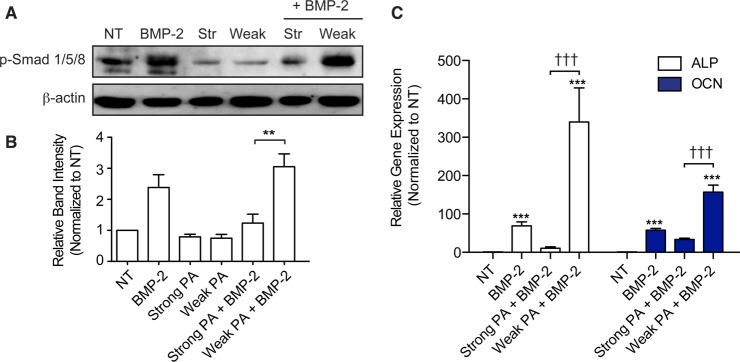
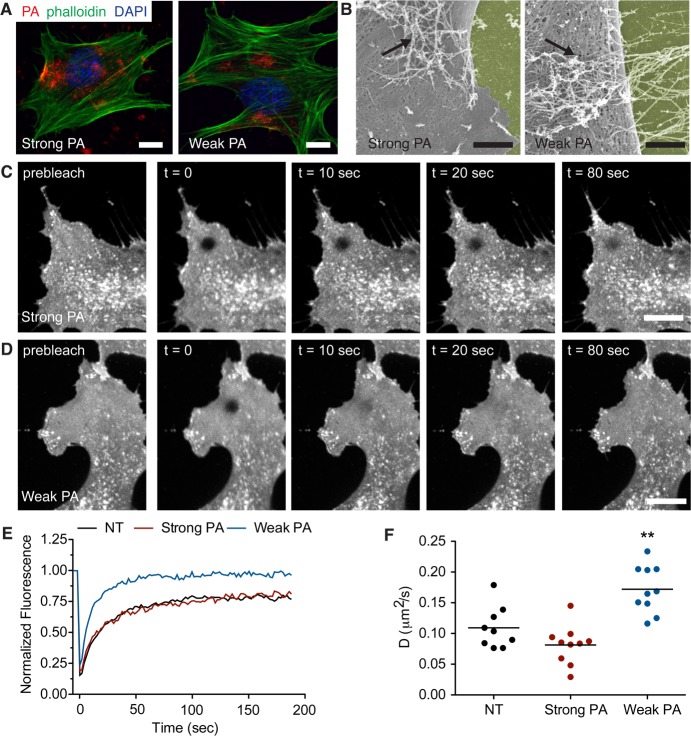
The nanostructures of self-assembling biomaterials have been previously designed to tune the release of growth factors in order to optimize biological repair and regeneration. We report here on the discovery that weakly cohesive peptide nanostructures in terms of intermolecular hydrogen bonding, when combined with low concentrations of osteogenic growth factor, enhance both BMP-2 and Wnt mediated signaling in myoblasts and bone marrow stromal cells, respectively. Conversely, analogous nanostructures with enhanced levels of internal hydrogen bonding and cohesion lead to an overall reduction in BMP-2 signaling. We propose that the mechanism for enhanced growth factor signaling by the nanostructures is related to their ability to increase diffusion within membrane lipid rafts. The phenomenon reported here could lead to new nanomedicine strategies to mediate growth factor signaling for translational targets.
自组装生物材料的纳米结构以前被设计用来调节生长因子的释放,以优化生物修复和再生。在这里,我们报告了一个发现,即具有弱分子间氢键的弱内聚肽纳米结构,与低浓度的成骨生长因子结合,分别增强了成肌细胞和骨髓基质细胞中的 BMP-2 和 Wnt 介导的信号转导。相反,具有增强的内氢键和内聚性的类似纳米结构会导致 BMP-2 信号的整体减少。我们提出,纳米结构增强生长因子信号的机制与其增加膜脂筏内扩散的能力有关。这里报道的现象可能会导致新的纳米医学策略来调节生长因子信号转导,以实现转化目标。