Doss Jennifer F, Jonassaint Jude C, Garrett Melanie E, Ashley-Koch Allison E, Telen Marilyn J, Chi Jen-Tsan
Department of Molecular Genetics and Microbiology, Duke University, Durham, NC, United States of America.
Center for Genomic and Computational Biology, Duke University, Durham, NC, United States of America.
PLoS One. 2016 Apr 12;11(4):e0152895. doi: 10.1371/journal.pone.0152895. eCollection 2016.
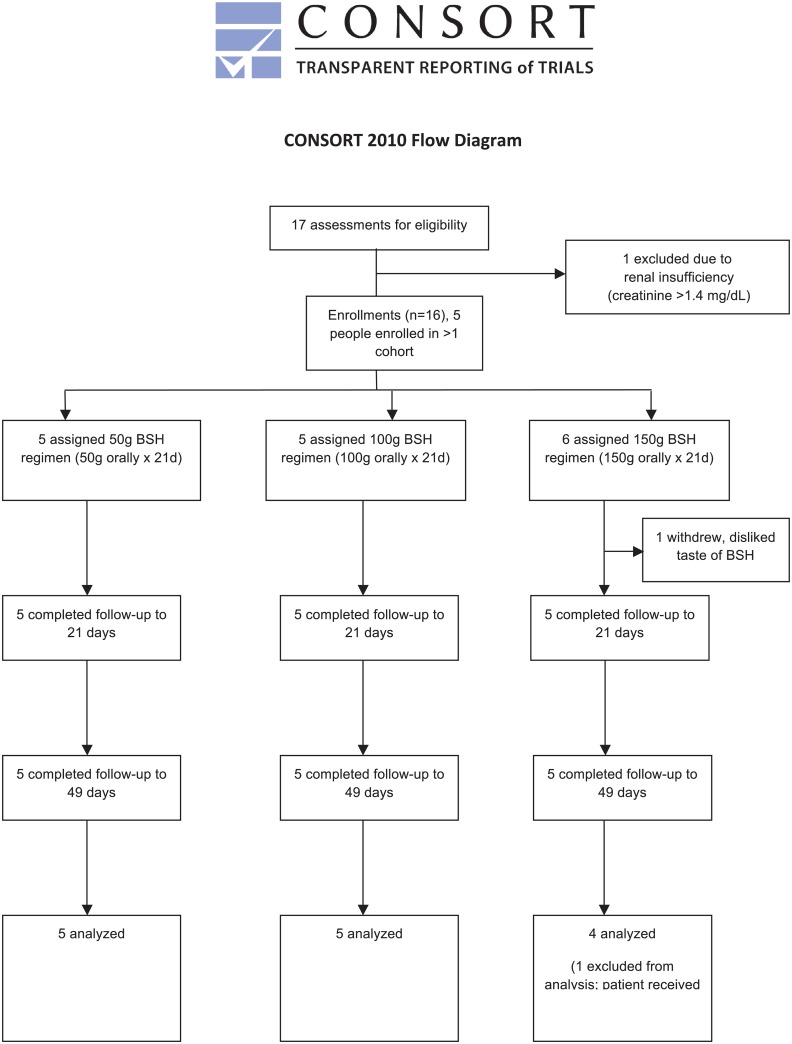
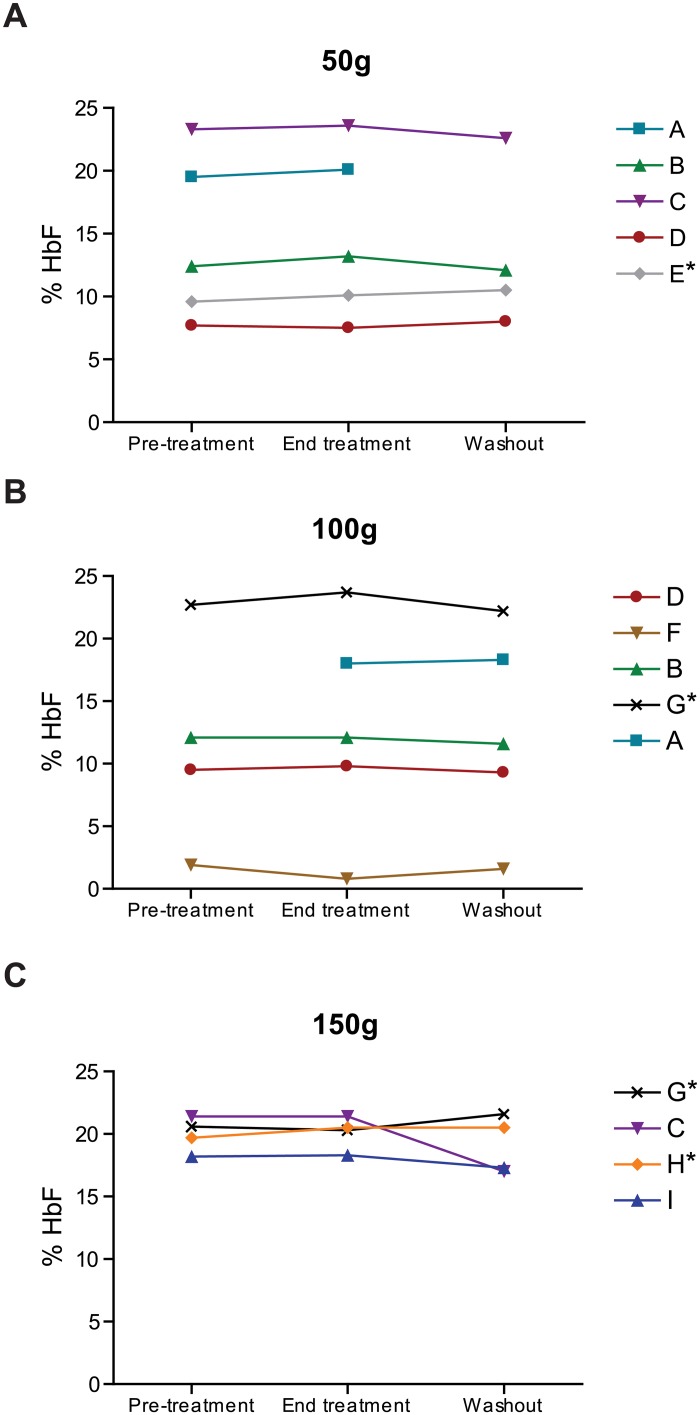
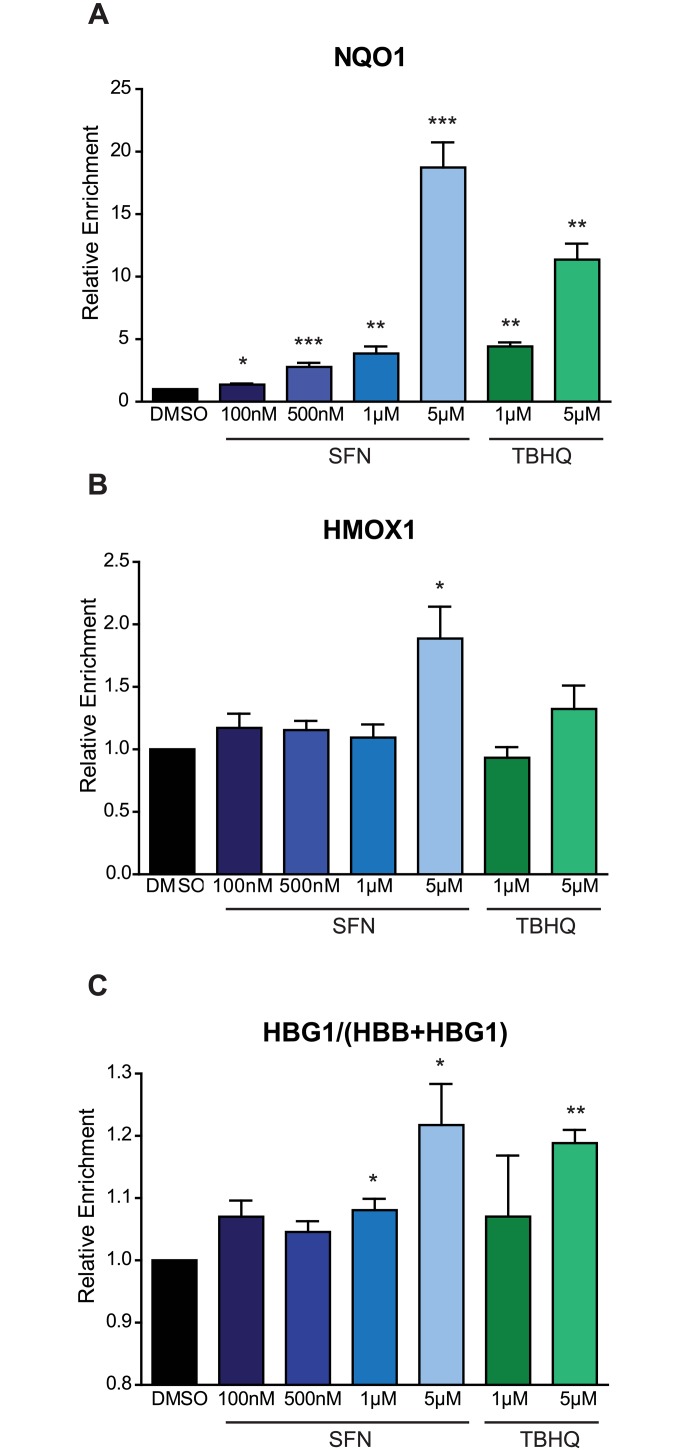
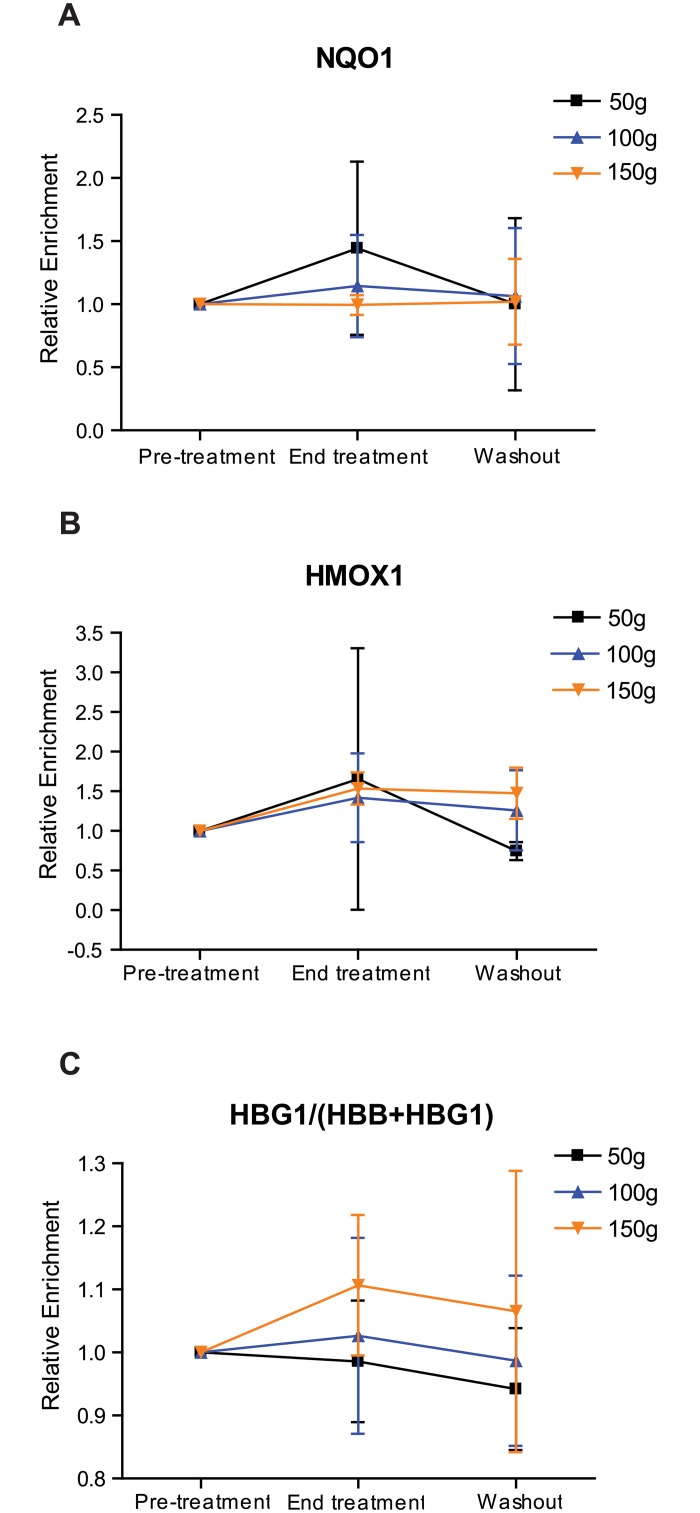
Sickle cell disease (SCD) is the most common inherited hemoglobinopathy worldwide. Our previous results indicate that the reduced oxidative stress capacity of sickle erythrocytes may be caused by decreased expression of NRF2 (Nuclear factor (erythroid-derived 2)-like 2), an oxidative stress regulator. We found that activation of NRF2 with sulforaphane (SFN) in erythroid progenitors significantly increased the expression of NRF2 targets HMOX1, NQO1, and HBG1 (subunit of fetal hemoglobin) in a dose-dependent manner. Therefore, we hypothesized that NRF2 activation with SFN may offer therapeutic benefits for SCD patients by restoring oxidative capacity and increasing fetal hemoglobin concentration. To test this hypothesis, we performed a Phase 1, open-label, dose-escalation study of SFN, contained in a broccoli sprout homogenate (BSH) that naturally contains SFN, in adults with SCD. The primary and secondary study endpoints were safety and physiological response to NRF2 activation, respectively. We found that BSH was well tolerated, and the few adverse events that occurred during the trial were not likely related to BSH consumption. We observed an increase in the mean relative whole blood mRNA levels for the NRF2 target HMOX1 (p = 0.02) on the last day of BSH treatment, compared to pre-treatment. We also observed a trend toward increased mean relative mRNA levels of the NRF2 target HBG1 (p = 0.10) from baseline to end of treatment, but without significant changes in HbF protein. We conclude that BSH, in the provided doses, is safe in stable SCD patients and may induce changes in gene expression levels. We therefore propose investigation of more potent NRF2 inducers, which may elicit more robust physiological changes and offer clinical benefits to SCD patients. Trial registration: ClinicalTrials.gov NCT01715480.
镰状细胞病(SCD)是全球最常见的遗传性血红蛋白病。我们之前的研究结果表明,镰状红细胞氧化应激能力的降低可能是由于氧化应激调节因子NRF2(核因子(红细胞衍生2)样2)表达减少所致。我们发现,用萝卜硫素(SFN)激活红系祖细胞中的NRF2可显著剂量依赖性地增加NRF2靶标HMOX1、NQO1和HBG1(胎儿血红蛋白亚基)的表达。因此,我们假设用SFN激活NRF2可能通过恢复氧化能力和增加胎儿血红蛋白浓度为SCD患者带来治疗益处。为了验证这一假设,我们对成年SCD患者进行了一项1期、开放标签、剂量递增的研究,研究对象为天然含有SFN的西兰花芽匀浆(BSH)中的SFN。主要和次要研究终点分别是安全性和对NRF2激活的生理反应。我们发现BSH耐受性良好,试验期间发生的少数不良事件不太可能与食用BSH有关。与治疗前相比,在BSH治疗的最后一天,我们观察到NRF2靶标HMOX1的平均相对全血mRNA水平有所增加(p = 0.02)。我们还观察到从基线到治疗结束,NRF2靶标HBG1的平均相对mRNA水平有增加的趋势(p = 0.10),但HbF蛋白无显著变化。我们得出结论,在所提供的剂量下,BSH对稳定期SCD患者是安全的,并且可能诱导基因表达水平的变化。因此,我们建议研究更有效的NRF2诱导剂,这可能引发更强烈的生理变化并为SCD患者带来临床益处。试验注册:ClinicalTrials.gov NCT01715480。