Key Laboratory of Zoonosis of Liaoning Province, College of Animal Science & Veterinary Medicine, Shenyang Agricultural University, Shenyang 110866, China.
College of Land and Environmental Sciences, Shenyang Agricultural University, Shenyang 110866, China.
Int J Mol Sci. 2019 Feb 1;20(3):630. doi: 10.3390/ijms20030630.
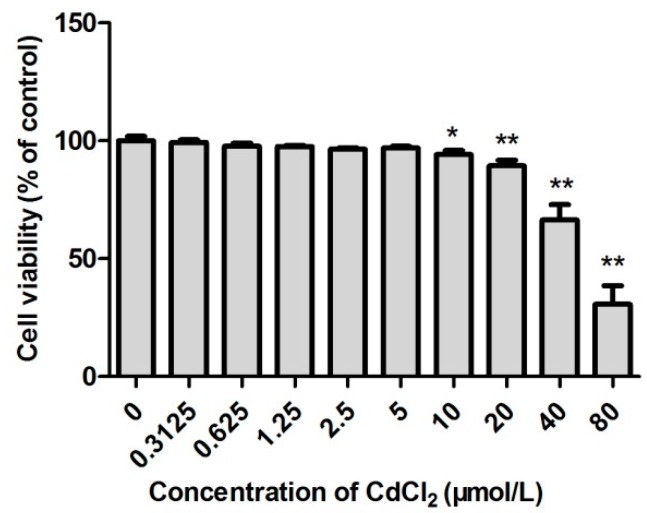
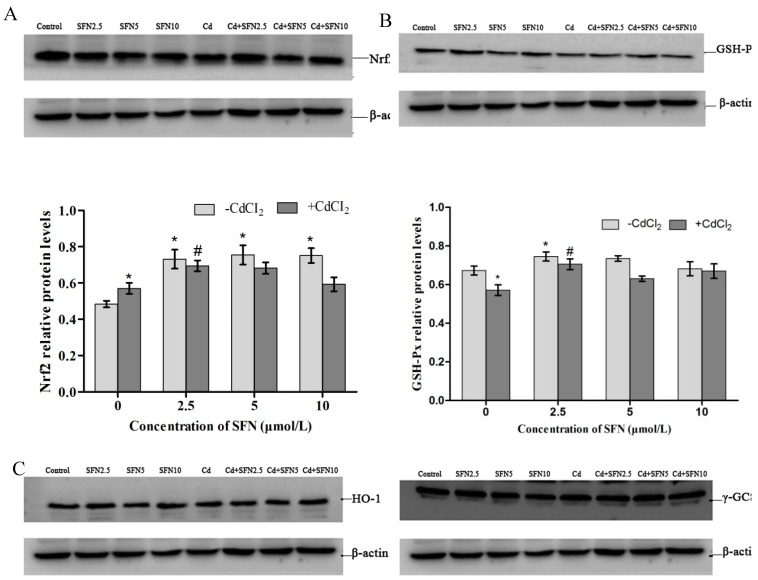
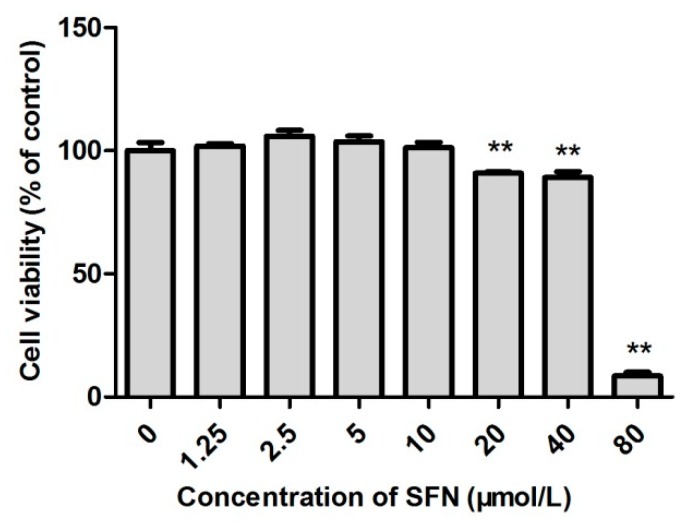
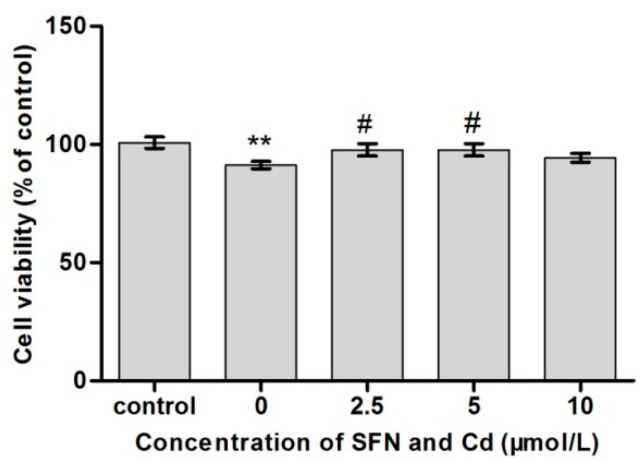
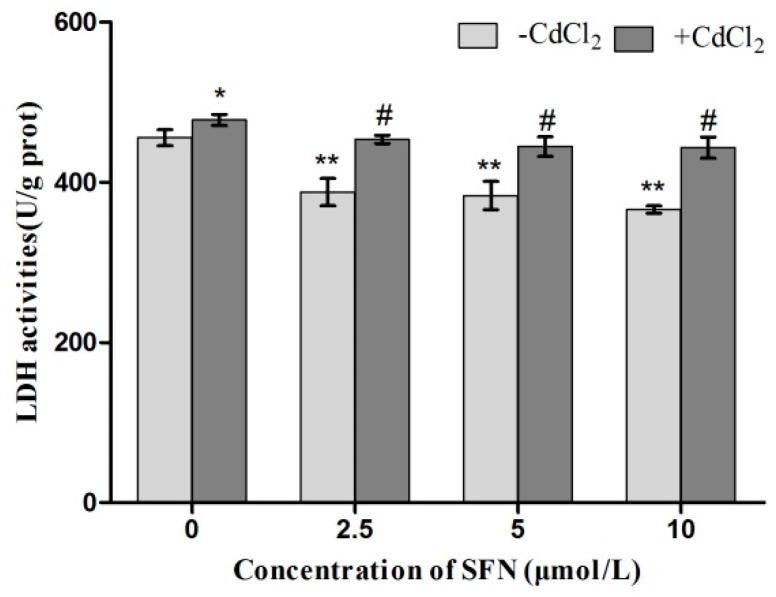
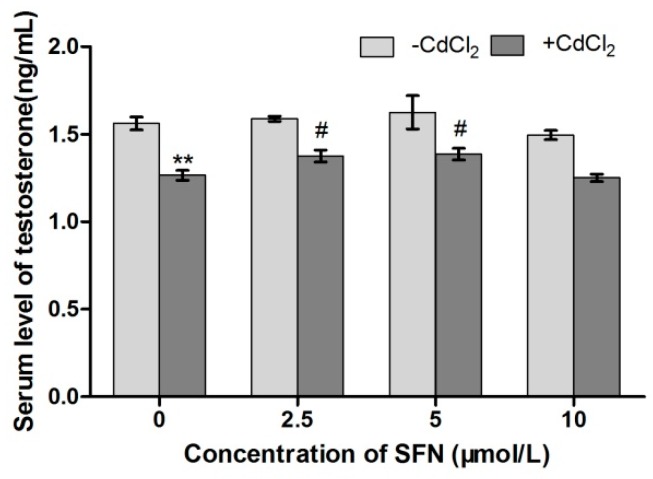
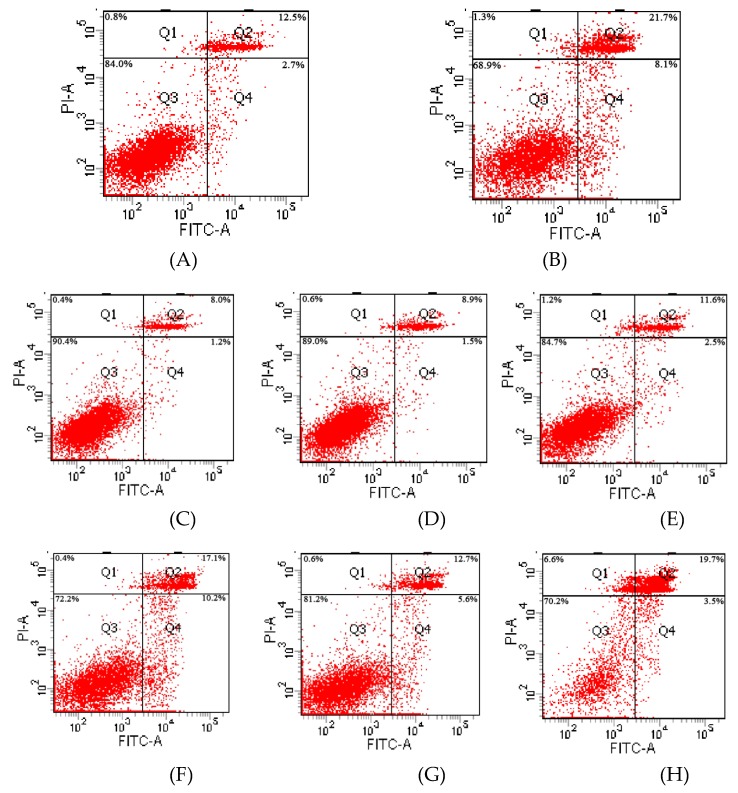
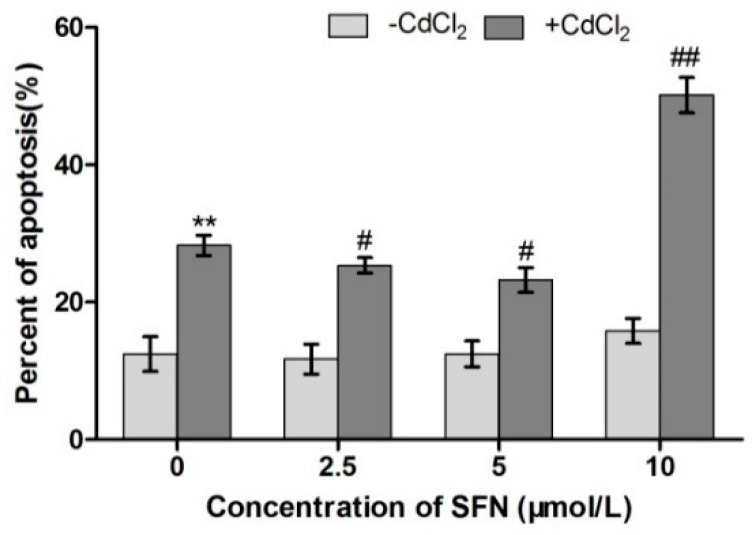
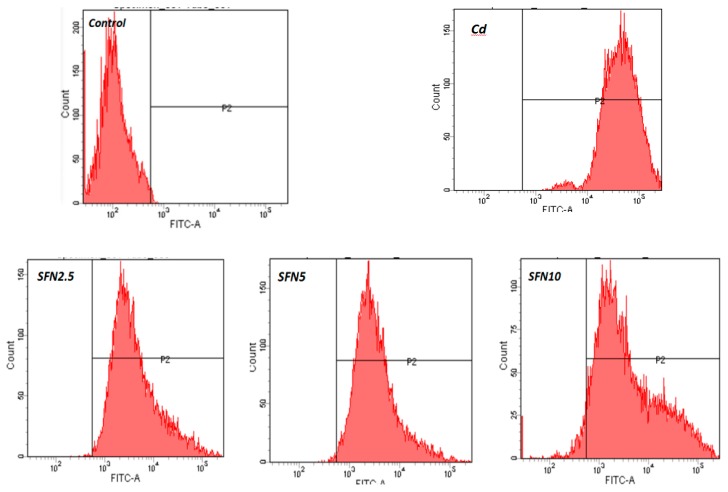
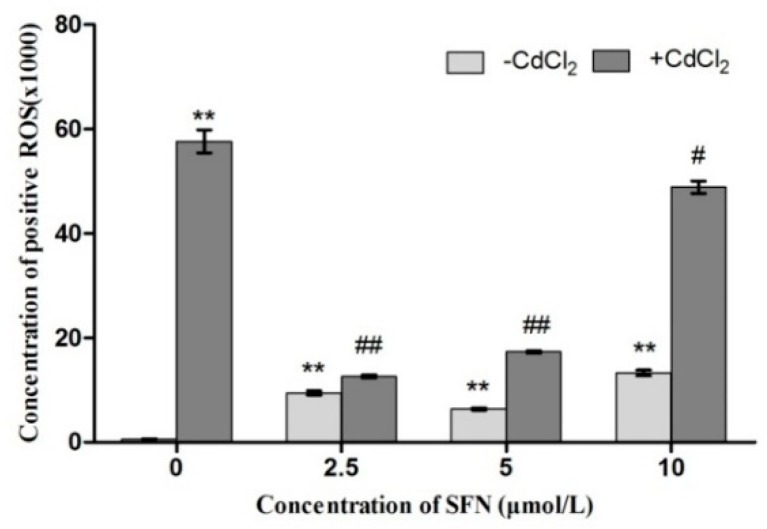
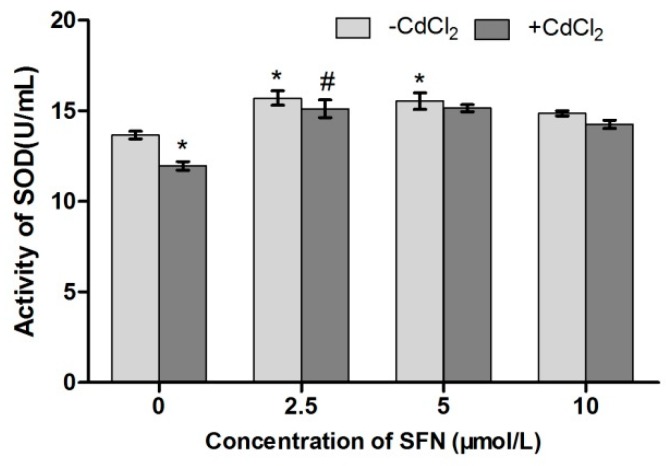
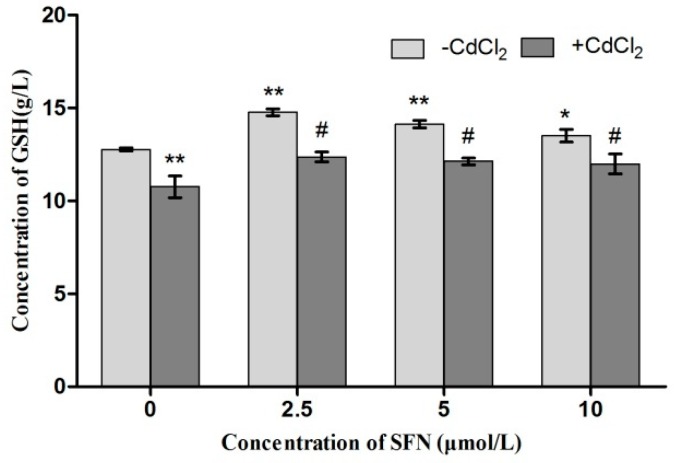
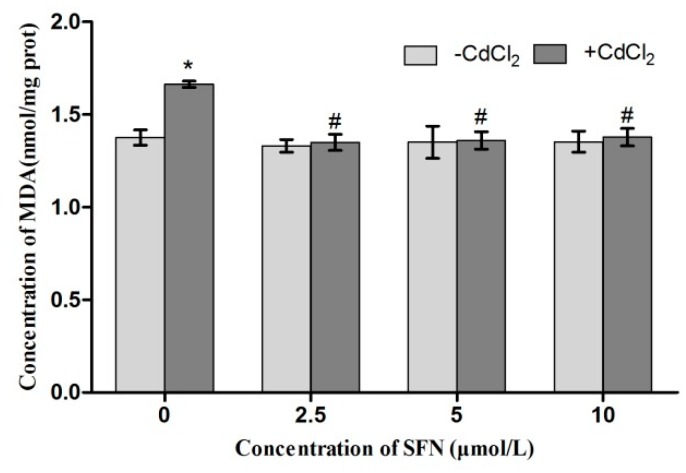
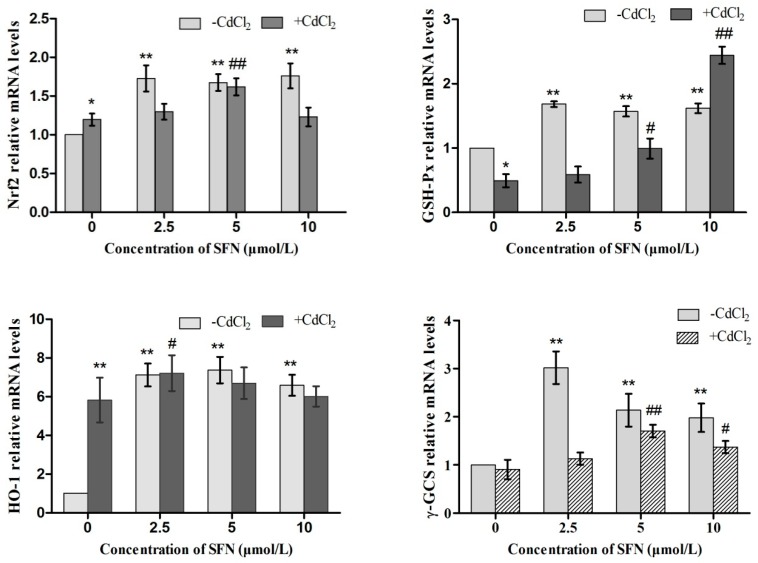
Cadmium (Cd) is harmful for humans and animals, especially for the reproductive system. However, the mechanism of its toxicity has not been elucidated, and how to alleviate its toxicity is very important. This study aimed to explore the role and mechanism of action of sulforaphane (SFN) in protecting mouse Leydigs (TM3) cells from cadmium (Cd)-induced damage. The half-maximal inhibitory concentration (IC) of Cd and the safe doses of SFN were determined using a methyl thiazolyl tetrazolium (MTT) assay. The testosterone secretion from TM3 cells was measured using the enzyme-linked immunosorbent assay. The intracellular oxidative stress was evaluated using corresponding kits. The cell apoptosis was detected using flow cytometry. The mRNA expression of genes associated with NF-E2-related factor 2 (Nrf2)/antioxidant response element (ARE) signaling was detected using reverse transcription⁻polymerase chain reaction, including Nrf2, heme oxygenase I (HO-1), glutathione peroxidase (GSH-Px), NAD(P)H:quinone acceptor oxidoreductase 1 (NQO1), and γ-glutamylcysteine synthetase (γ-GCS). The protein expression of Nrf2, GSH-Px, HO-1, γ-GCS, and NQO1 was detected using Western blot analysis. The results showed that the IC of Cd to TM3 cells was 51.4 µmol/L. SFN reduced the release of lactate dehydrogenase from Cd-exposed cells. Cd + SFN 2.5 treatment significantly elevated testosterone concentration compared with the Cd group ( < 0.05). SFN significantly increased total superoxide dismutase (T-SOD) and GSH-Px activity and GSH content in Cd-treated cells ( < 0.05; < 0.01), inhibited the production of malondialdehyde or reactive oxygen species caused by Cd ( < 0.05; < 0.01), and reduced the apoptotic rate of Cd-induced TM3 cells ( < 0.01). SFN upregulated the mRNA expression of , , , , and in Cd-treated cells, indicating the protective effect of SFN against Cd-induced oxidative stress or cell apoptosis by activating the Nrf2/ARE signaling pathway.
镉(Cd)对人类和动物有害,尤其是对生殖系统。然而,其毒性的机制尚未阐明,如何减轻其毒性非常重要。本研究旨在探讨萝卜硫素(SFN)在保护小鼠 Leydig(TM3)细胞免受镉(Cd)诱导的损伤中的作用和机制。采用噻唑蓝(MTT)法测定 Cd 的半最大抑制浓度(IC)和 SFN 的安全剂量。采用酶联免疫吸附法测定 TM3 细胞分泌的睾酮。用相应试剂盒评估细胞内氧化应激。用流式细胞术检测细胞凋亡。采用逆转录-聚合酶链反应(RT-PCR)检测与核因子红细胞 2 相关因子 2(Nrf2)/抗氧化反应元件(ARE)信号相关的基因的 mRNA 表达,包括 Nrf2、血红素加氧酶 1(HO-1)、谷胱甘肽过氧化物酶(GSH-Px)、NAD(P)H:醌氧化还原酶 1(NQO1)和γ-谷氨酰半胱氨酸合成酶(γ-GCS)。采用 Western blot 分析检测 Nrf2、GSH-Px、HO-1、γ-GCS 和 NQO1 的蛋白表达。结果表明,Cd 对 TM3 细胞的 IC 为 51.4µmol/L。SFN 减少了 Cd 暴露细胞中乳酸脱氢酶的释放。与 Cd 组相比,Cd+SFN2.5 处理显著增加了睾酮浓度(<0.05)。SFN 显著增加了 Cd 处理细胞中的总超氧化物歧化酶(T-SOD)和 GSH-Px 活性和 GSH 含量(<0.05;<0.01),抑制了 Cd 引起的丙二醛或活性氧的产生(<0.05;<0.01),降低了 Cd 诱导的 TM3 细胞的凋亡率(<0.01)。SFN 上调了 Cd 处理细胞中 、 、 、 和 的 mRNA 表达,表明 SFN 通过激活 Nrf2/ARE 信号通路对 Cd 诱导的氧化应激或细胞凋亡具有保护作用。