Martínez Virginia, Herencias Cristina, Jurkevitch Edouard, Prieto M Auxiliadora
Environmental Biology Department, Centro de Investigaciones Biológicas, CSIC, C/Ramiro de Maeztu 9, 28040 Madrid, Spain.
Department of Plant Pathology and Microbiology, Faculty of Agricultural, Food and Environmental Quality Sciences, the Hebrew University of Jerusalem, Rehovot 76100, Israel.
Sci Rep. 2016 Apr 18;6:24381. doi: 10.1038/srep24381.
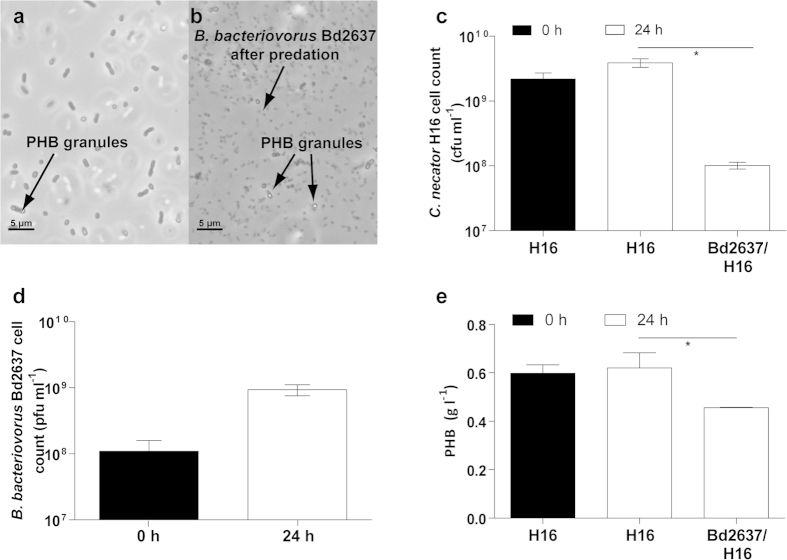
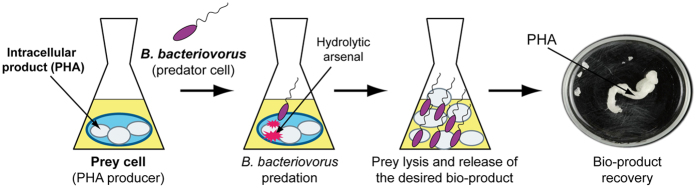
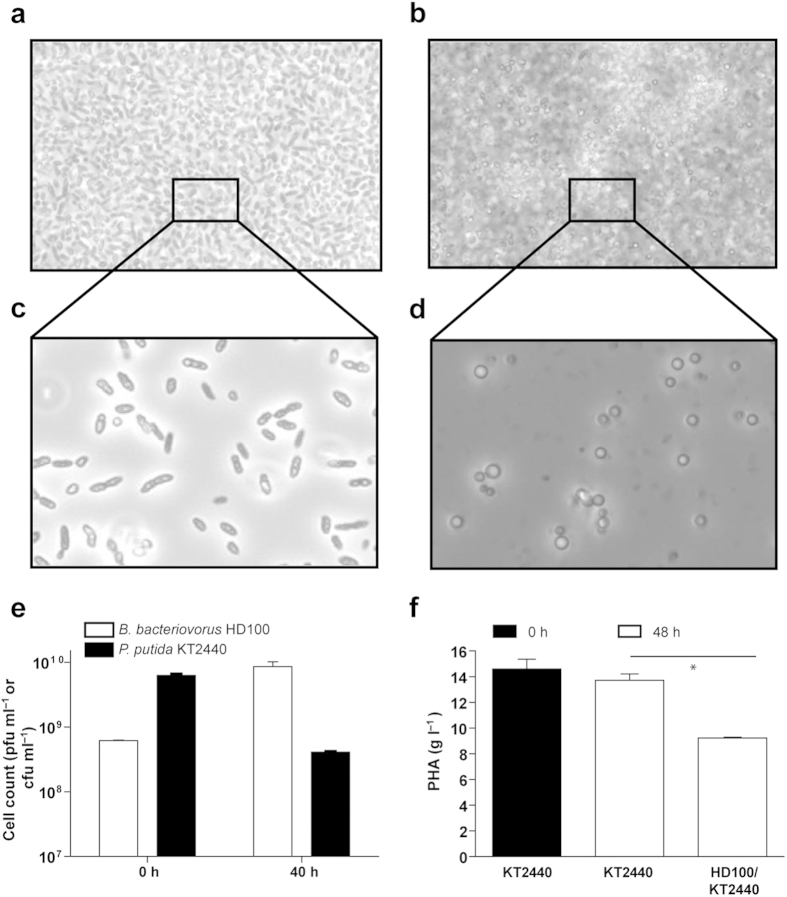
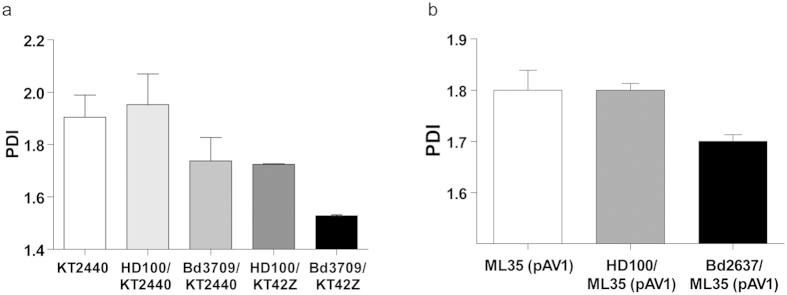
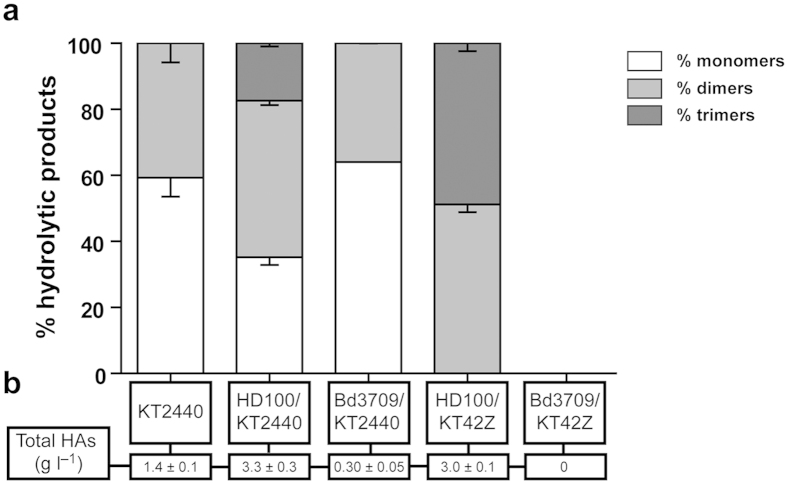
This work examines the potential of the predatory bacterium Bdellovibrio bacteriovorus HD100, an obligate predator of other Gram-negative bacteria, as an external cell-lytic agent for recovering valuable intracellular bio-products produced by prey cultures. The bio-product targets to be recovered were polyhydroxyalkanoates (PHAs) produced naturally by Pseudomonas putida and Cupriavidus necator, or by recombinant Escherichia coli strains. B. bacteriovorus with a mutated PHA depolymerase gene to prevent the unwanted breakdown of the bio-product allowed the recovery of up to 80% of that accumulated by the prey bacteria, even at high biomass concentrations. This innovative downstream process highlights how B. bacteriovorus can be used as a novel, biological lytic agent for the inexpensive, industrial scale recovery of intracellular products from different Gram-negative prey cultures.
这项研究考察了掠食性细菌食菌蛭弧菌HD100(一种专性捕食其他革兰氏阴性菌的细菌)作为一种外部细胞裂解剂,用于回收猎物培养物产生的有价值细胞内生物产品的潜力。待回收的生物产品目标物是恶臭假单胞菌和食酸戴尔福特菌自然产生的,或重组大肠杆菌菌株产生的聚羟基脂肪酸酯(PHA)。带有突变PHA解聚酶基因以防止生物产品意外分解的食菌蛭弧菌,即使在高生物量浓度下,也能回收猎物细菌积累的高达80%的产品。这一创新的下游工艺突出了食菌蛭弧菌如何可作为一种新型生物裂解剂,用于从不同革兰氏阴性猎物培养物中以低成本进行工业规模回收细胞内产品。