Imai Ryosuke, Komeda Seiji, Shimura Mari, Tamura Sachiko, Matsuyama Satoshi, Nishimura Kohei, Rogge Ryan, Matsunaga Akihiro, Hiratani Ichiro, Takata Hideaki, Uemura Masako, Iida Yutaka, Yoshikawa Yuko, Hansen Jeffrey C, Yamauchi Kazuto, Kanemaki Masato T, Maeshima Kazuhiro
Biological Macromolecules Laboratory, Structural Biology Center, National Institute of Genetics, Mishima, Shizuoka 411-8540, Japan.
Department of Genetics, School of Life Science, Sokendai (Graduate University for Advanced Studies), Mishima, Shizuoka 411-8540, Japan.
Sci Rep. 2016 Apr 20;6:24712. doi: 10.1038/srep24712.
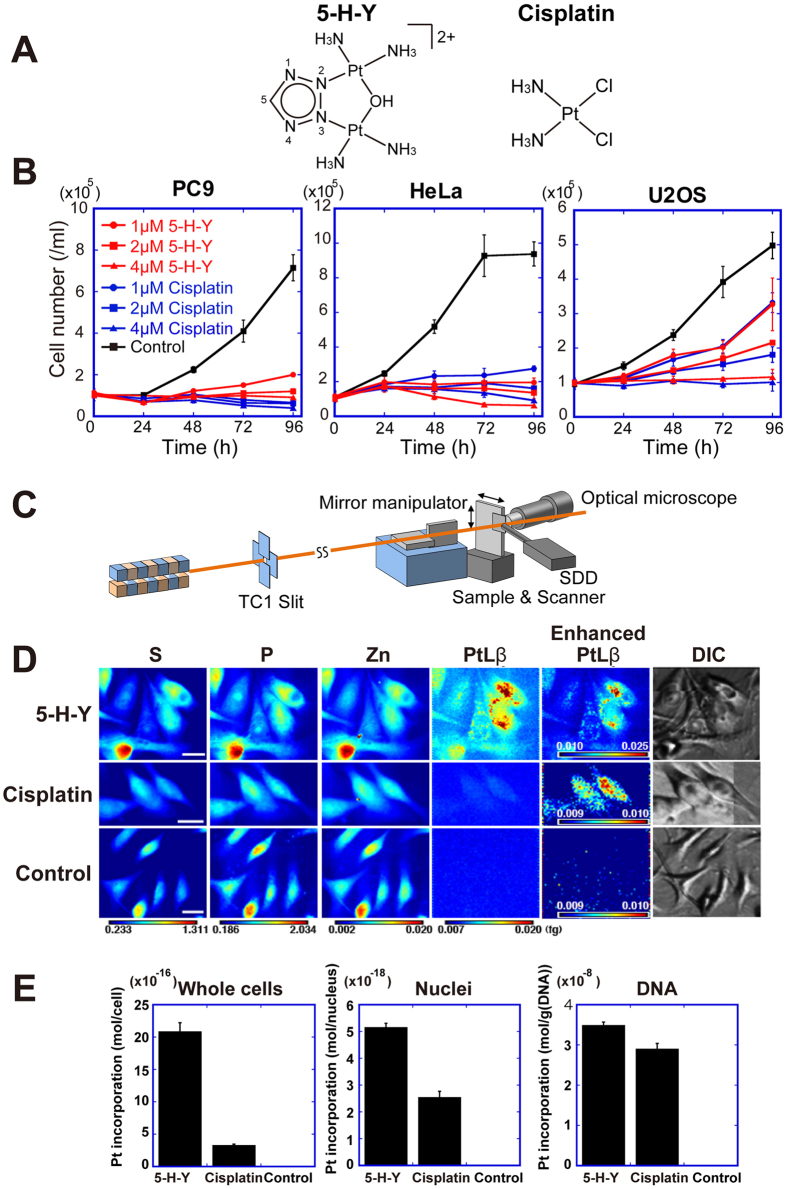
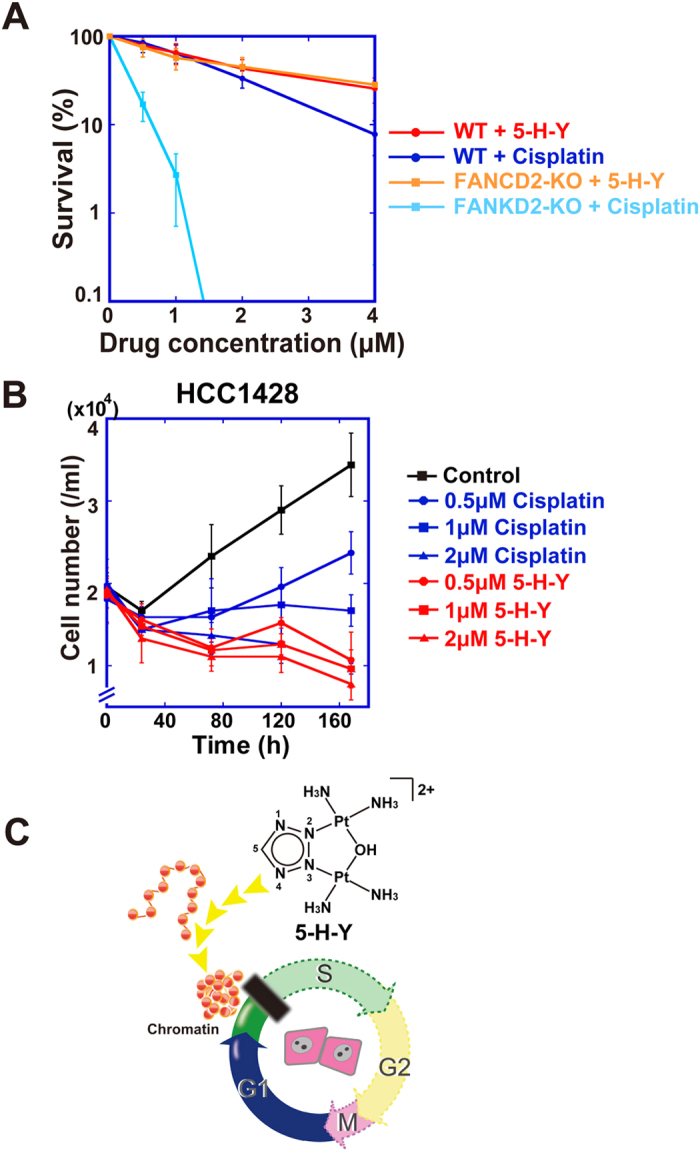
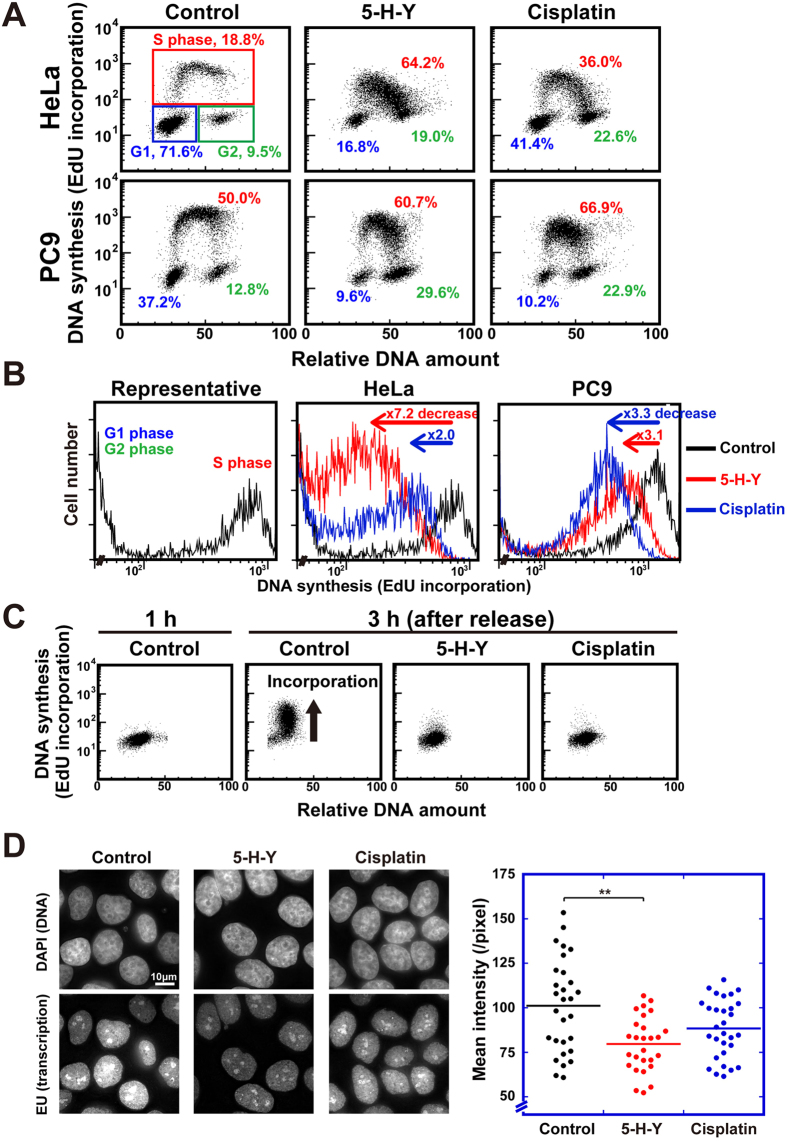
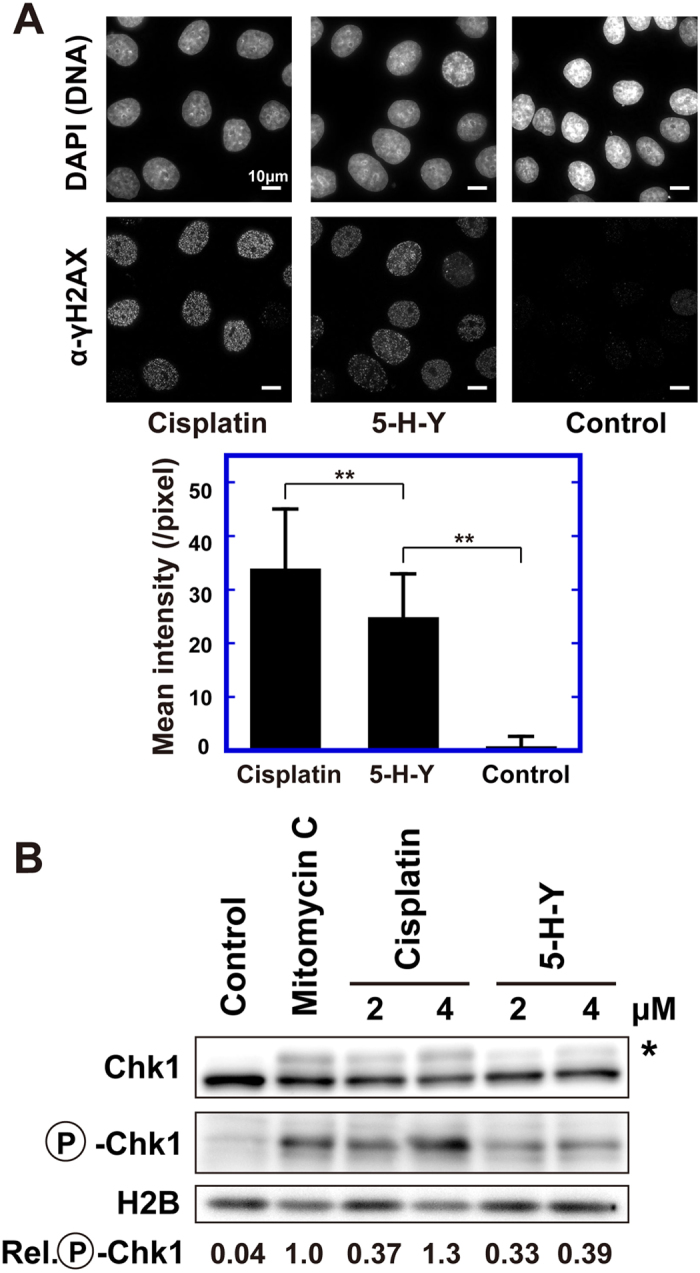
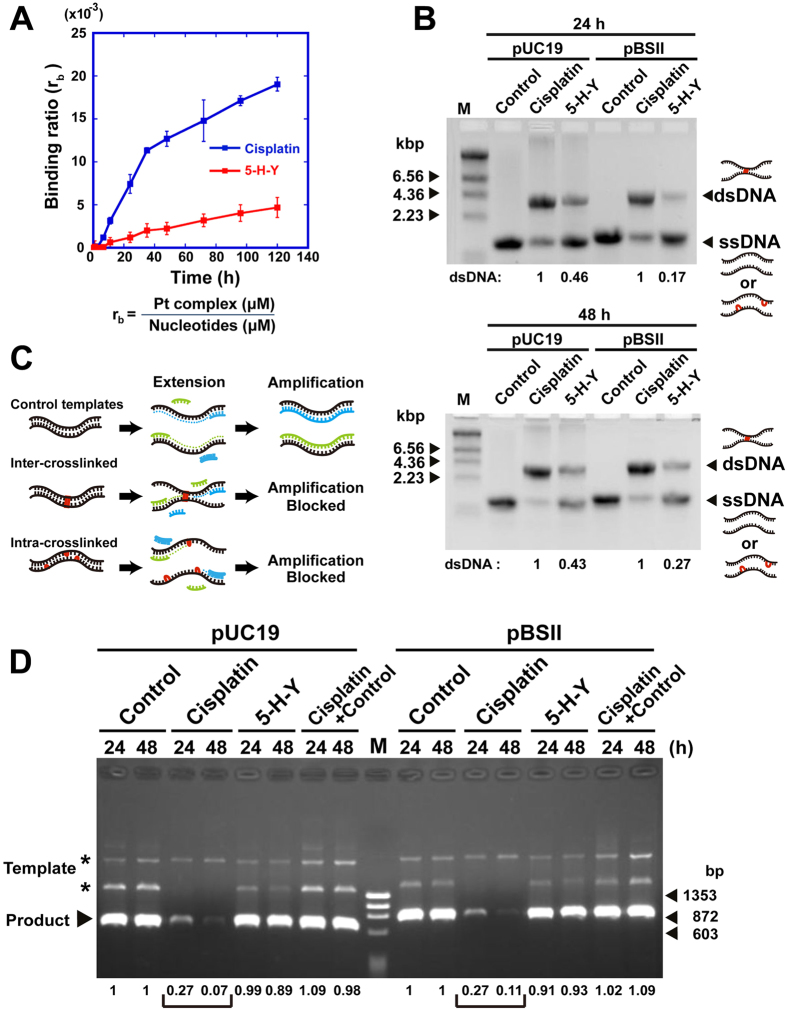
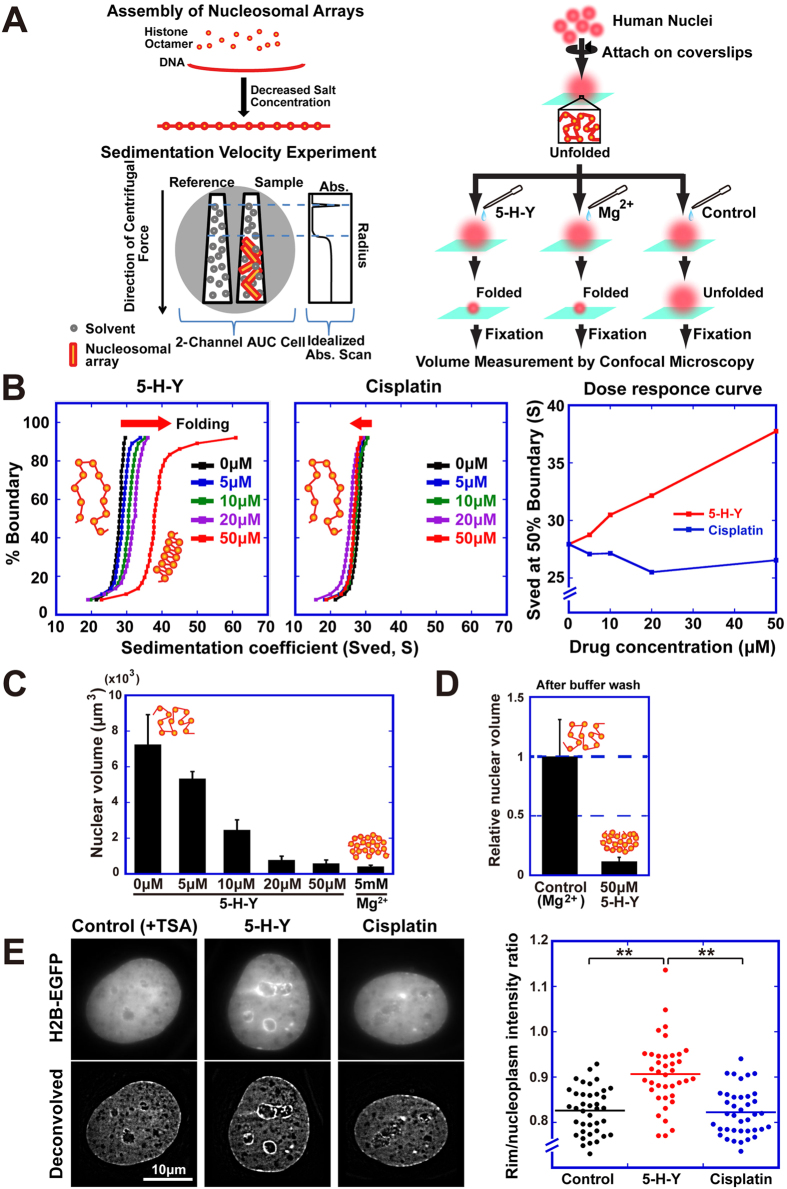
Chromatin DNA must be read out for various cellular functions, and copied for the next cell division. These processes are targets of many anticancer agents. Platinum-based drugs, such as cisplatin, have been used extensively in cancer chemotherapy. The drug-DNA interaction causes DNA crosslinks and subsequent cytotoxicity. Recently, it was reported that an azolato-bridged dinuclear platinum(II) complex, 5-H-Y, exhibits a different anticancer spectrum from cisplatin. Here, using an interdisciplinary approach, we reveal that the cytotoxic mechanism of 5-H-Y is distinct from that of cisplatin. 5-H-Y inhibits DNA replication and also RNA transcription, arresting cells in the S/G2 phase, and are effective against cisplatin-resistant cancer cells. Moreover, it causes much less DNA crosslinking than cisplatin, and induces chromatin folding. 5-H-Y will expand the clinical applications for the treatment of chemotherapy-insensitive cancers.
染色质DNA必须被读取以实现各种细胞功能,并为下一次细胞分裂进行复制。这些过程是许多抗癌药物的作用靶点。铂类药物,如顺铂,已广泛应用于癌症化疗。药物与DNA的相互作用会导致DNA交联并随后产生细胞毒性。最近,有报道称一种唑桥联双核铂(II)配合物5-H-Y表现出与顺铂不同的抗癌谱。在此,我们采用跨学科方法揭示了5-H-Y的细胞毒性机制与顺铂不同。5-H-Y抑制DNA复制以及RNA转录,使细胞停滞在S/G2期,并且对顺铂耐药癌细胞有效。此外,它引起的DNA交联比顺铂少得多,并诱导染色质折叠。5-H-Y将扩大对化疗不敏感癌症治疗的临床应用。